How to Plan a Ski Trip Without the Last-Minute Scramble (2026)
From picking dates and a resort to passes, lodging, rentals, lessons and altitude, here's how to plan a ski trip in the right order.
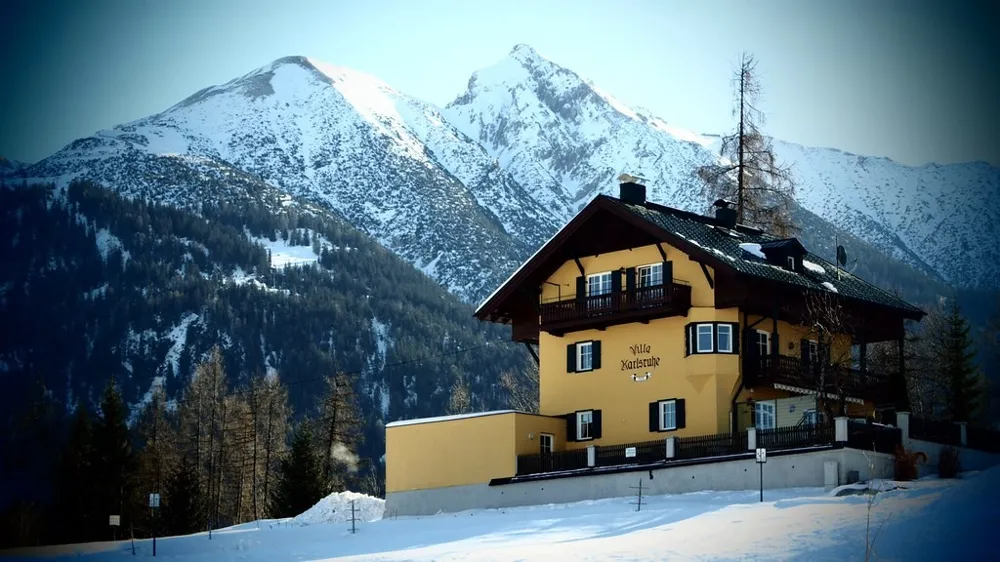
How to Plan a Ski Trip in 12 Steps
A ski trip has more moving parts than most vacations: snow, lift tickets, lodging near the lifts, winter roads, rental gear, lessons and sometimes altitude. Doing things in the right order saves money and stress, because the things that sell out first (lodging, lessons and child care) need booking before the things that don't (dinner reservations and après plans).
Here's the order that works for most trips. Each step has its own section below.
| Step | What to Decide | When |
|---|---|---|
| 1. Pick your group and budget | Who's going, ability levels, budget tier | First |
| 2. Choose dates | Early season, peak or spring; holidays or not | 3–6+ months out for peak weeks |
| 3. Choose a resort | Terrain, size, travel time, family fit | With your dates |
| 4. Decide pass or tickets | Multi-resort pass, pass product or advance tickets | Passes before the season; tickets as early as possible |
| 5. Book lodging | Ski-in/ski-out, slopeside or in town | As soon as dates are set |
| 6. Book travel | Fly or drive, airport transfers, car with winter tires | Once lodging is set |
| 7. Book lessons and child care | Group or private; ski school ages | Early, especially on holidays |
| 8. Reserve rentals | Rent at the resort, in town or bring your own | A few weeks out |
| 9. Consider travel insurance | Cancellation, medical, evacuation, gear | When you make your first nonrefundable payment |
| 10. Plan for altitude | Easy first day, hydration | Before you travel |
| 11. Pack | Layers, goggles, gloves, documents | The week before |
| 12. Check snow and roads | Forecast, road rules, resort status | The days before you go |
When to Go and When to Book
Your dates drive almost every other decision: price, crowds, snow and how far ahead you need to book.
Early Season, Peak Season and Spring Skiing
| Period | Typical Conditions | Crowds and Cost |
|---|---|---|
| Late November to mid-December | Resorts are opening; often limited terrain, mostly groomed and man-made snow | Usually quieter, with some early-season lodging offers |
| Christmas to New Year's | More terrain open, depending on the year | Among the busiest and most expensive weeks |
| January to February | Usually the coldest, most reliable snow in the Rockies | Quieter midweek in January; Martin Luther King Jr. weekend and Presidents' Day week are busy |
| March | Often among the snowiest months in the Rockies, with longer, warmer days | Spring breaks make many weeks busy |
| April onward | Spring skiing: soft snow in the afternoon, firm in the morning | Often quieter, but many resorts close in early to mid-April; high, snowy resorts stay open longer |
Opening and closing dates depend on snow and change every season, so treat these as typical windows, not promises. Our when is ski season guide covers typical dates by region, and the best US ski resorts lists the 2026/27 opening dates announced so far.
How Far Ahead to Book
- Holiday weeks and spring break: start in late summer or early fall. Lodging close to the lifts, ski school spots and child care are the first things to go.
- Peak weekends in January to March: a few months ahead is safer, especially for lessons and lodging.
- Midweek, non-holiday trips: more flexible, and last-minute trips can work after a good snow year. Lift ticket and pass prices usually rise closer to the date, though.
- Next season: many resorts and pass companies start selling the following season's passes in spring, often at their lowest prices of the year.
Weekdays are quieter than weekends at most resorts, and many charge more for weekend and holiday lift tickets. If you can ski Monday to Thursday and travel on the weekend, you'll usually find shorter lift lines.
Choose a Resort by Ability, Group and Budget
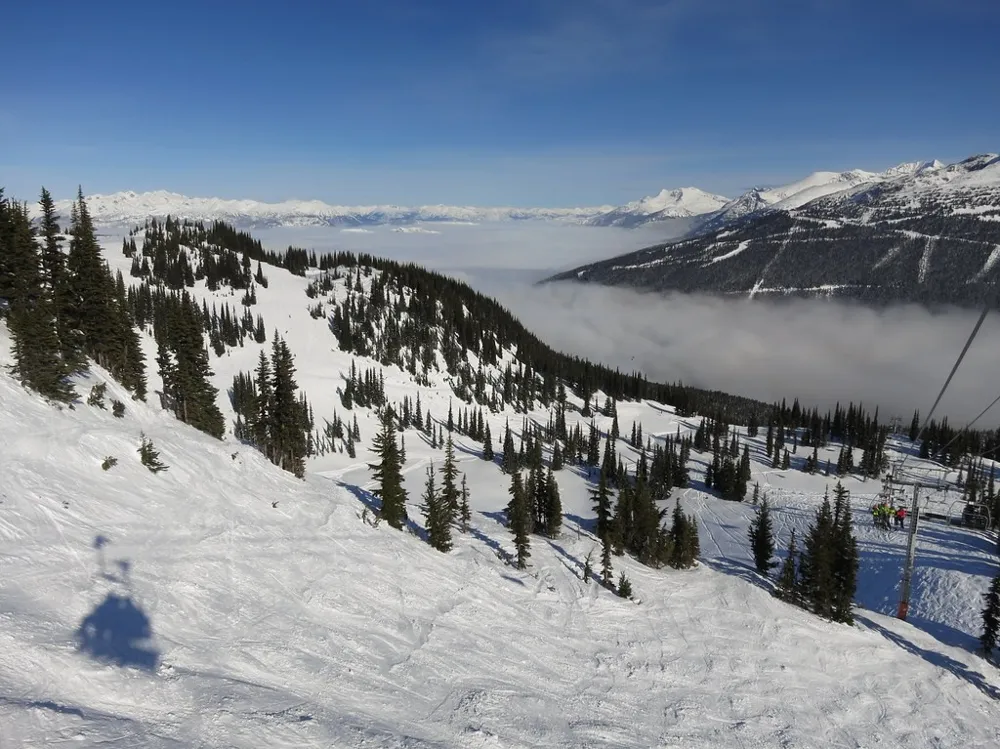
The "best" resort depends on who's going. A resort that's perfect for experts can be frustrating for a group of first-timers, and the reverse is just as true.
| Your Group | Look For | Start Here |
|---|---|---|
| First-timers | A dedicated beginner area, magic carpets, a strong ski school, plenty of green runs | Best ski resorts for beginners |
| Families with young kids | Child care, kids' ski school, lodging near the lifts, kids-ski-free offers | Best family ski resorts |
| Mixed-ability groups | Lifts that serve green, blue and black runs from the same area so you can meet for lunch | Best US ski resorts |
| Advanced and expert skiers | Steeps, bowls, trees and a big snow record | Largest ski resorts, how to ski powder |
| Après-ski and nightlife | A walkable base village or ski town with restaurants | Best Colorado ski towns |
| Short trip or weekend | Short transfer from the airport or a drivable resort | Ski resorts near Denver |
Budget Tiers (Without the Price Tags)
- Budget-friendly: smaller local or independent hills, midweek dates, lodging in a nearby town, and your own food. Independent resorts on passes like Indy can stretch a budget further.
- Mid-range: a well-known resort outside holiday weeks, with a condo or hotel on a free shuttle line.
- Premium: big-name destination resorts in peak weeks, ski-in/ski-out lodging and private lessons.
Also think about snow reliability: higher resorts and those in snowier regions are usually a safer bet early and late in the season. Our highest ski resorts guide lists base and summit elevations. Going state by state? See Colorado, Utah, California, Vermont and the East Coast.
Multi-Resort Passes for 2026/27: Epic, Ikon, Mountain Collective and Indy
If you'll ski more than a few days, or at more than one resort, a multi-resort pass can be better value than buying lift tickets. Most must be bought before or early in the season, and prices usually rise as the season gets closer. Here's how the four big options work for the 2026/27 season:
| Pass | How It Works | Good For |
|---|---|---|
| Epic (Vail Resorts) | The full Epic Pass gives unlimited skiing at Vail Resorts mountains plus limited days at partners. Epic Local has blackout dates at some resorts. The Epic Day Pass lets you choose one to seven days. | Trips to Vail Resorts mountains such as Vail, Breckenridge, Keystone, Park City, Heavenly and Stowe |
| Ikon (Alterra) | The full Ikon Pass gives unlimited days at a set of resorts and limited days at others. The Ikon Base Pass has blackout dates. The Ikon Session Pass gives two to four days. | Trips to resorts such as Steamboat, Winter Park, Aspen Snowmass, Jackson Hole, Alta, Snowbird and Palisades Tahoe |
| Mountain Collective | Two days at each of about 27 destinations in the US and abroad, then 50% off additional days at those resorts. The pass itself has no blackout dates, though some resorts require reservations. | Visiting several big destination resorts for a couple of days each |
| Indy Pass | Two days at each of 300+ mostly independent ski areas. The Base Pass has blackout dates; Indy+ doesn't. Sales open in limited windows and have sold out quickly in past seasons. | Smaller, less crowded hills and road trips |
Resort lineups, day limits, blackout dates and reservation rules change every season, and resorts change owners. Confirm the details for 2026/27 on each pass's official website before you buy. According to OnTheSnow's 2026/27 guide, Ikon Passes that have never been scanned by January 15, 2027, are eligible for a full refund; check each pass's refund and protection terms before you buy. For a side-by-side look at the two big passes, see Epic vs Ikon.
Lift Tickets: Buy Ahead, Not at the Window
If a pass doesn't make sense, buy lift tickets online as early as you can. Many resorts now use date-based pricing, so the same ticket can cost more on a Saturday or holiday than on a Tuesday, and buying at the ticket window on the day is usually the most expensive option. Some resorts also cap daily ticket sales, so popular days can sell out.
- Multi-day tickets usually cost less per day than single-day tickets. Some resorts sell flexible "3 of 5 days" style tickets.
- Beginner-area tickets cover only the learning lifts, which is all a first-timer needs on day one. See how to ski.
- Bundles of a lesson, rentals and a ticket are common for beginners and often good value.
- Kids' deals vary a lot. Some resorts let young children ski free and others tie free kids' tickets to lodging or an adult ticket. Our family ski resorts guide explains the main types.
- Read the refund rules. Advance tickets are often nonrefundable or only changeable by a deadline, and some resorts offer their own ticket protection.
Most tickets are now RFID cards that open lift gates automatically. Keep yours in a pocket on its own, away from your phone, and pick it up from a kiosk or the ticket office if it isn't mailed to you.
Where to Stay: Ski Lodges, Ski-In/Ski-Out and Slopeside vs Town
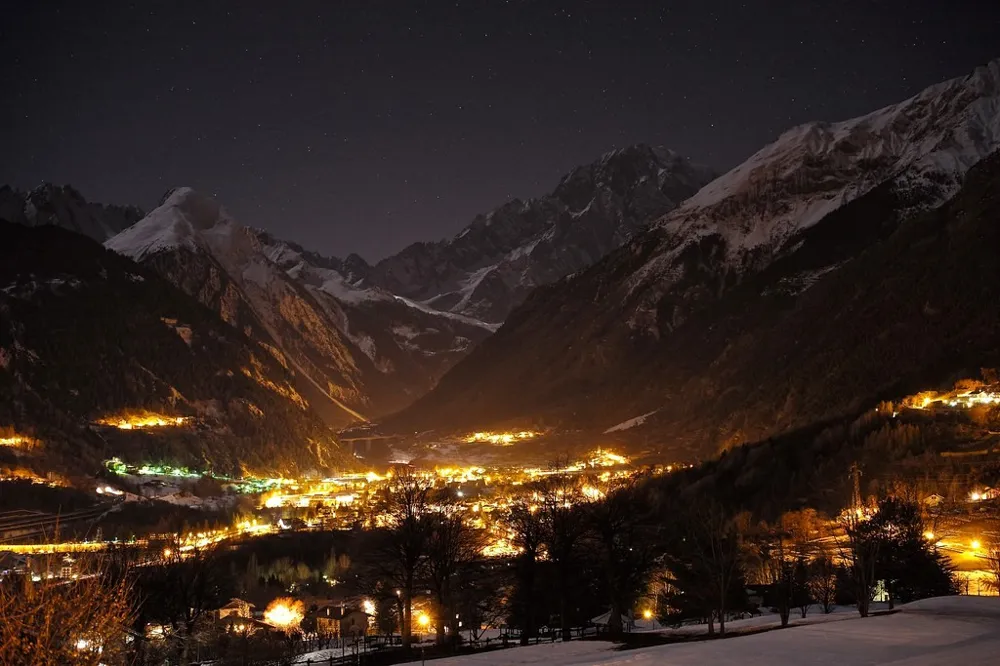
Where you sleep shapes your whole trip: how early you get on the lifts, whether you need a car and how far you carry everyone's gear.
| Type | What It Means | Trade-Offs |
|---|---|---|
| Ski-in/ski-out | You can ski from the door to a run or lift and ski back at the end of the day | Most convenient; usually the most expensive and books up first |
| Slopeside | Next to the slopes or base area, but you may walk a short way to the lift | Close to the action; ask exactly how far "slopeside" is |
| Base village | Hotels and condos in the resort's village, often with shops and restaurants | Walkable; may need a short walk or village shuttle to the lifts |
| Ski town | Lodging in the nearby town | More dining and often better value; needs a shuttle, bus or drive and parking |
| Farther away | Towns 20 minutes or more from the resort | Often the cheapest; adds daily driving, parking and winter roads |
What Is a Ski Lodge?
"Ski lodge" means two things. At a resort, the lodge is usually the base building or mid-mountain building with food, restrooms, lockers and a place to warm up. In travel, a ski lodge is a hotel or inn built for skiers, often with a boot room, ski storage, a fireplace and sometimes breakfast. When you compare lodging, check for ski storage or a boot room, a free shuttle to the lifts, parking rules and fees, a kitchen if you'll cook, and a hot tub for tired legs.
Ski-in/ski-out is used loosely in listings. Ask the property how far it is to the nearest lift, whether you need to cross a road or ride a lift back, and whether that run is suitable for your group's ability.
What's in a Ski Package?
A ski package (or ski vacation package) bundles parts of a trip into one booking. Resorts, tour operators and booking sites sell them. A package can include:
- Lodging and lift tickets (the most common combination)
- Flights and airport transfers
- Ski or snowboard rentals and lessons
- Some meals, at lodges or resorts that sell "all-inclusive" ski trips
- Promotions such as kids ski free with a minimum stay
Packages can be simpler and sometimes cheaper than booking each piece separately, especially when a resort ties a lift-ticket discount to its own lodging. But compare the total with booking direct, check whether the lift tickets are for the days you actually want, and read the cancellation and change terms. If you already own a multi-resort pass, a package with lift tickets included may not save you anything.
Rent or Bring Your Own Gear
You don't need to own skis to take a ski trip. Here's the usual approach:
- First trips: rent skis or a snowboard, boots, poles and a helmet. Tell the shop your real height, weight, age and ability, because they use them to size skis and set binding release values.
- Regular skiers: own your boots first, because fit matters most. See how to choose ski boots.
- Flying: renting at the resort means less to carry. Many people still bring their boots and rent or demo skis. If you bring your own, see the best ski bags and check your airline's sports equipment rules.
- Kids: they outgrow gear quickly, so renting or a seasonal lease often makes sense.
Reserve rentals ahead on busy weeks. Many shops let you fill in forms online, and shops in town often have more stock than base-area shops and let you pick up the night before. Resort shops make it easier to swap boots that hurt during the day. Our ski trip packing list has a full rent-or-bring table, and what to wear skiing covers clothing.
Getting There: Fly or Drive?
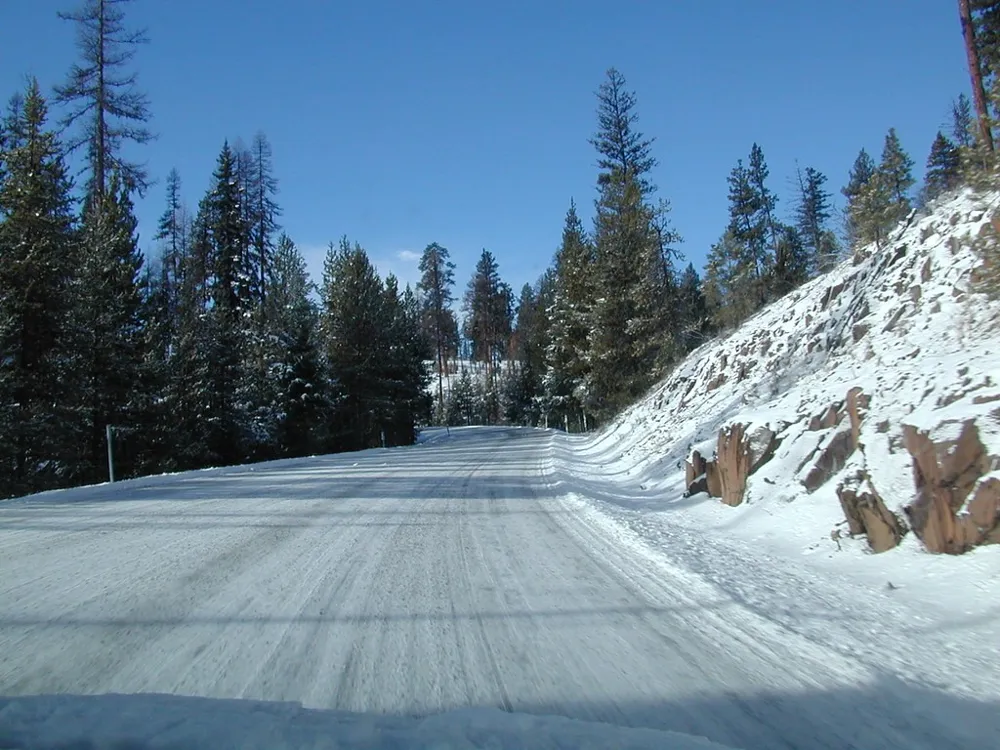
Distance usually decides it. Within a day's drive, driving gives you the most flexibility and room for gear. Farther away, flying saves days of travel.
Flying
- Book early and set fare alerts; holiday and last-minute fares are usually high.
- Check the transfer. Some resorts are a short drive from a major airport and others are hours away. Look for airport shuttles, resort buses or a rental car with winter tires.
- Ski gear is checked baggage. Airlines set their own rules for ski bags, so check before you book. See flying with ski gear.
- Allow a buffer. Winter storms delay flights and close mountain roads, so avoid tight connections on travel days.
Driving
- Know the traction laws. In Colorado, the traction and chain laws can be in effect on I-70 between Morrison and Dotsero from September 1 to May 31, and CDOT can activate them on other state highways. They require adequate winter, M+S or all-weather tires with enough tread, or chains or an approved traction device. Our ski resorts near Denver guide explains the rules in detail. Other states, including California, have their own chain controls, so check the state department of transportation before you go. This is a summary, not legal advice (last checked November 2026).
- Avoid peak traffic. Leave early on weekends, or travel midweek. On the I-70 corridor, Sunday afternoon returns are often the slowest of the week.
- Check road conditions before you leave, and pack a scraper, blanket, snacks and water.
- Carry skis safely inside the car or on a ski and snowboard rack.
Some resorts can be reached without a car, by ski train, bus or shuttle. Once you arrive, many ski towns run free buses between lodging and the lifts, which can save on parking. Our guide to the best Colorado ski towns lists the free buses, trains and airports for each Colorado town.
Book Ski Lessons Early
For beginners and kids, a lesson is the best investment of the trip. It covers the basics, how to ride the lifts and which runs suit you. Instructors also know the mountain well.
- Group lessons are the best value; private lessons suit nervous skiers or anyone who wants faster progress.
- Book as soon as you have dates. Ski school and child care often sell out over the Christmas–New Year's holidays, Martin Luther King Jr. weekend, Presidents' Day week and spring breaks.
- Check age limits. Each resort sets its own minimum ages for lessons and child care, and snowboard lessons often start a little older than ski lessons.
- Arrive early on lesson mornings, at least an hour if you still need rentals.
Advanced skiers might book a guided tour or a clinic on steeps or powder. Heli-skiing and cat skiing need booking well ahead; see cat skiing and heli-skiing. Before the trip, beginners can read how to ski, ski trail ratings and skiing vs snowboarding, and anyone can start a ski workout a few weeks out.
Plan Around Altitude
Many western ski towns sit above 8,000 feet. According to the CDC, unacclimatized travelers are at risk of altitude illness when sleeping at 8,000 feet or higher, and about 25% of visitors who sleep above 8,000 feet in Colorado develop acute mountain sickness. Symptoms include a headache plus nausea, dizziness or fatigue.
- Make day one easy: a half day, or a rest day if you arrive late.
- Consider a night at a lower elevation first, such as in Denver or Salt Lake City, if your schedule allows.
- Go easy on alcohol and hard exercise for the first 48 hours, and drink water.
- Talk to a doctor before the trip if you have heart or lung conditions, are pregnant or have had altitude illness before.
This is general information, not medical advice. Our highest ski resorts guide covers symptoms and CDC prevention tips.
Travel Insurance Basics
Ski trips involve nonrefundable bookings, winter weather and a sport with injury risk, so it's worth checking what coverage you have. Travel insurance isn't required, but it can help with:
- Trip cancellation and interruption for covered reasons, which can include prepaid lodging, flights and sometimes unused lift tickets or lessons.
- Emergency medical care and medical evacuation. Ski patrol care on the mountain is one thing; ambulance, hospital and air transport from the resort can be expensive. Check what your own health plan covers away from home.
- Lost, delayed or damaged gear, sometimes including the cost of renting replacements.
Before you buy, check that skiing or snowboarding is explicitly covered. Many standard policies, especially outside the US, exclude winter sports unless you add cover. Look at the medical and evacuation limits, and read the exclusions. Off-piste skiing without a guide, heli-skiing and backcountry trips are common exclusions, and claims can be refused after drinking. Keep receipts, and buy early, ideally when you make your first nonrefundable payment. Coverage varies by policy and state, so read the policy wording or ask a licensed agent.
Ski Trip Budget Tips
Skiing is rarely cheap, but the same trip can cost very different amounts depending on a few decisions:
- Go midweek and outside holidays. This is the single biggest lever on lodging and lift tickets.
- Buy lift access early, whether a pass, pass product or advance tickets.
- Stay a little farther out on a free shuttle line rather than ski-in/ski-out.
- Cook some meals. A kitchen and a packed lunch save more than you'd expect. Resort food is convenient but pricey.
- Look for kids' deals and bundles, such as kids ski free with lodging or lesson-rental-ticket packages for beginners.
- Pick smaller or independent resorts for some days of your trip.
- Skip the rental car where free town buses run, and check parking fees before you drive.
- Bring what you own. Layers you already have, plus a few key buys, often work. See what to wear skiing.
- Plan for the hidden costs: resort fees, parking, ski storage, gratuities for instructors and, at some resorts, a fee for the reloadable lift-ticket card.
Sample 5-Day Ski Trip Itinerary
This sample plan suits a group flying to a high western resort with a mix of abilities. Adjust it for your group, a drive-in trip or a lower-elevation resort.
| Day | Plan |
|---|---|
| Day 1: Travel | Fly or drive in. Pick up rentals the evening before your first ski day if the shop allows. Easy dinner, plenty of water, early night. |
| Day 2: First ski day | Beginners in a morning lesson; others warm up on blue runs. Ski a half day or take long breaks while you adjust to the altitude. Agree on a meeting spot and lunch time. |
| Day 3: Full day | Beginners in a second lesson or on green runs; stronger skiers explore. Après-ski in the base village. |
| Day 4: Lighter day | Ski the morning when the snow is best, then rest, swim, snowshoe, try tubing or explore town. Legs recover for the last day. |
| Day 5: Last day and travel | Ski the morning, return rentals and leave time for the drive or airport, especially if a storm is forecast. |
For a weekend trip, drop the lighter day and keep the first afternoon easy. For a week, add a second rest day or a day at a nearby resort on your pass.
On the Mountain
- Have a meeting plan. Phones die in the cold, so set a meeting point and time for lunch and the end of the day.
- Download the trail map and the resort's app, and check which lifts open first.
- Get on the lifts early. Lines are often shortest at opening and during lunch.
- Know the code. Read the Responsibility Code basics in how to ski.
Planning a Ski Trip With Kids
Family trips need a little more planning, mostly because ski school, child care and family-friendly lodging book up first.
- Book ski school and child care first, then lodging close to the lifts or on a shuttle line so nobody carries skis far.
- Look for kids-ski-free offers early. Some need booking months ahead or tie free days to nights booked with the resort.
- Plan short days with warm-up breaks, snacks and spare gloves. Young kids often do better with a lesson than with a parent.
- Rent kids' gear or lease it for the season, since they outgrow it quickly. A helmet is strongly recommended; see ski and snowboard helmets.
- Dress them in layers; see kids' ski jackets and the kids' section of the ski trip packing list.
Our best family ski resorts guide compares kids' programs, child care ages and kids-ski-free deals.
Related Guides
- Ski trip packing list
- Best ski resorts in the US
- Epic vs Ikon pass
- When is ski season?
- Best family ski resorts
- Ski resorts near Denver
- How to ski
- What to wear skiing
- All skiing guides
Frequently Asked Questions
How far in advance should I plan a ski trip?
For holiday weeks and spring break, start planning in late summer or early fall, because lodging, lessons and child care can sell out. For quieter midweek dates outside school breaks, a few weeks ahead can still work, though lift tickets and passes usually cost more closer to the date.
What is the best month for a ski trip?
January and February usually bring the coldest, most reliable snow in the Rockies, and March is often snowy with longer, warmer days. Early December and the weeks right after the holidays tend to be quieter. Snow varies every year, so check conditions before you travel.
What is a ski package?
A ski package bundles parts of a trip, such as lodging and lift tickets, and sometimes flights, transfers, rentals or lessons, into one booking. It can be simpler and sometimes cheaper than booking each part separately, but compare the total with booking direct and read the cancellation terms.
What does ski-in/ski-out mean?
Ski-in/ski-out lodging lets you ski from the door to a run or lift and ski back at the end of the day. The term is used loosely, so ask the property exactly how far it is to the nearest lift and whether you need to walk, cross a road or ride a shuttle.
Is it cheaper to buy a ski pass or lift tickets?
It depends on how many days you'll ski and where. A multi-resort pass or a multi-day pass product can cost less than buying day tickets at the window, but passes must usually be bought before the season and have day limits or blackout dates. Compare both on the official sites.
Do I need travel insurance for a ski trip?
It isn't required, but it can help with cancellations, medical costs, evacuation and lost or delayed gear. Check that skiing is explicitly covered, what the limits are and what is excluded, such as off-piste or heli-skiing.
How many days should a ski trip be?
Many people plan three to five ski days, with a rest or arrival day if they're traveling to high altitude. Beginners often tire after two or three full days in a row, so a mix of ski days and a lighter day works well.