What to Wear Skiing: Head-to-Toe Layers That Work (2026)
The right clothes keep you warm, dry and comfortable all day on the mountain. Here's what to wear skiing, layer by layer, plus what to leave at home.
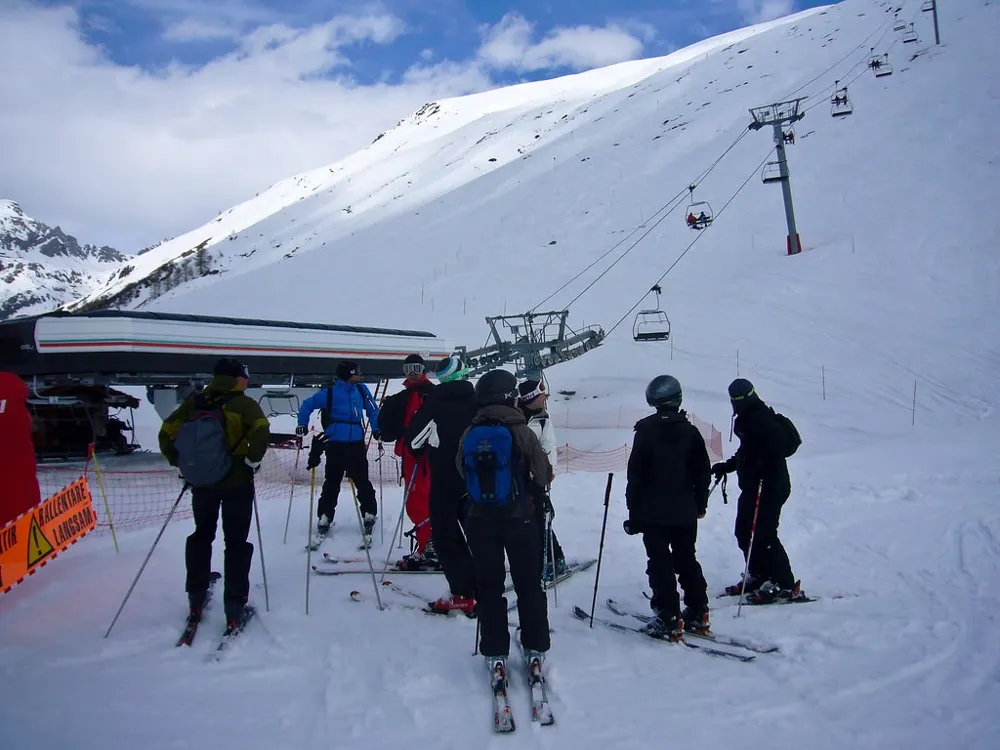
The Short Answer: Dress in Layers
Ski days can swing from below freezing on the chairlift to warm and sunny on the run. The answer is layering: a base layer that moves sweat away from your skin, a mid layer for warmth and a waterproof outer layer for wind and snow. Add or remove layers as conditions change, and avoid cotton anywhere on your body: it soaks up sweat, dries slowly and leaves you cold.
What to Wear Skiing at a Glance
| Item | What to Choose | Notes |
|---|---|---|
| Base layer top and bottom | Merino wool or synthetic | Snug, not tight |
| Mid layer | Fleece, light puffy or wool sweater | Remove on warm days |
| Ski jacket | Waterproof, windproof, insulated or shell | Powder skirt and pockets help |
| Ski pants or bibs | Waterproof with boot gaiters | Bibs keep snow out |
| Socks | One thin, knee-high ski sock | No cotton, no doubling up |
| Gloves or mittens | Waterproof and insulated | Mittens are warmer |
| Helmet | Certified snow-sports helmet | Rent if you don't own one |
| Goggles | Lens tint for the light | Fit with your helmet |
| Neck gaiter or balaclava | Fleece or merino | Pull up on cold lifts |
| Sunscreen and lip balm | Broad-spectrum SPF 30+ | UV is strong at altitude |
Base Layer
Your base layer sits against your skin and wicks sweat away so you stay dry. Merino wool stays warm when damp and resists odor, which makes it great for multi-day trips. Synthetic base layers (polyester blends) dry fast and cost less. Choose by weight:
- Lightweight: spring skiing or skiers who run warm.
- Midweight: most winter days.
- Heavyweight: very cold days, or skiers who feel the cold.
Running tights or sport leggings can work as a base layer bottom if they're synthetic. Cotton long underwear isn't a good substitute.
Smartwool Classic Thermal Merino Crew (Women's)
A 100% merino wool base layer top with a slim fit. Smartwool makes men's versions too.
Check Price on AmazonMid Layer
The mid layer traps warmth. A fleece breathes well and stays warm when damp; a lightweight down or synthetic puffy packs more warmth for its weight; a wool sweater works too. On warm days you might skip it; on very cold days you might wear a fleece and a thin puffy together. Synthetic insulation keeps working better than down if it gets wet.
Outer Layer: Jacket and Pants
Ski Jacket
Your jacket should be waterproof, windproof and breathable. Waterproof ratings are given in millimeters; around 10,000mm handles typical snow, while 15,000–20,000mm or more is better for wet, heavy snow and rain. Breathability ratings tell you how well sweat vapor escapes. Choose between:
- Insulated jacket: warmth built in; simple for resort days.
- Shell: no insulation, so you control warmth with layers; more versatile across seasons.
- 3-in-1: a shell with a zip-in liner jacket.
Useful features include a powder skirt, a helmet-compatible hood, pit zips for venting and a sleeve or chest pocket for your lift ticket. See best ski jackets and best women's ski jackets.
Ski Pants or Bibs
Waterproof ski pants with built-in boot gaiters keep snow out of your boots. Bibs extend up your torso and keep snow out of your waistband when you fall or sit in snow; regular pants are easier to put on and take off. Look for reinforced inner ankles, thigh vents and side or drop-seat zips for bathroom breaks. See best ski pants.
Hands, Feet and Head
Gloves or Mittens
Mittens are warmer because your fingers share heat; gloves give more dexterity for buckles, zips and phones. Three-finger (lobster) mitts sit in between. Look for waterproof shells, removable liners and gauntlet cuffs that go over your jacket sleeves. Thin liner gloves add warmth and let you use your fingers without exposing bare skin. See ski mittens.
Burton Gore-Tex Mittens
Waterproof Gore-Tex mittens with a removable liner and touchscreen-friendly design.
Check Price on AmazonSki Socks
Wear one pair of thin, knee-high ski socks in merino or synthetic. The extra height stops your boot from rubbing your shins, and thin socks let your boot fit properly. Two pairs or thick hiking socks bunch up, cause blisters and can cut circulation, which makes your feet colder. Pull your base layer bottoms above the boot rather than tucking them inside.
Helmet
Wear a helmet certified for snow sports: ASTM F2040 in the US or EN 1077 in Europe. Bike and climbing helmets aren't designed for skiing. Many resorts rent helmets. See ski and snowboard helmets.
Goggles
| Light | Lens |
|---|---|
| Bright sun | Dark or mirrored lenses |
| Flat light, cloud, snow | Yellow, gold, rose or copper lenses |
| Changing conditions | Interchangeable or photochromic lenses |
Goggles protect your eyes from wind, snow and UV better than sunglasses. Make sure they fit with your helmet with no gap at the forehead. Wear glasses? Choose over-the-glasses (OTG) goggles. See ski and snowboard goggles.
Neck Gaiter, Balaclava or Hat
A fleece or merino neck gaiter pulls up over your nose on cold lifts. A balaclava covers more of your face and fits under a helmet in extreme cold. A beanie is fine for après-ski or under a hood, but a helmet is the better choice on the slopes.
Dressing for the Conditions
| Conditions | What to Wear |
|---|---|
| Very cold (well below freezing, wind) | Heavyweight base, fleece and puffy, insulated jacket, balaclava, mittens with liners, hand and toe warmers |
| Typical winter day | Midweight base, fleece, insulated jacket or shell, gloves or mittens, neck gaiter |
| Spring sunshine | Lightweight base, shell with vents open, lighter gloves, plenty of sunscreen |
| Wet snow or rain | Higher waterproof rating, synthetic insulation, spare gloves |
| Windy | Windproof shell, face covering, goggles rather than sunglasses |
The chairlift is often the coldest part of the day because you're sitting still in the wind. Carry an extra layer you can add at the top.
Sun Protection
UV radiation increases with altitude, and fresh snow can reflect up to around 80% of UV back at you, according to Cancer Council NSW. Apply a broad-spectrum SPF 30 or higher sunscreen before you go out, reapply every couple of hours, and don't miss your nose, ears and under your chin. Use an SPF lip balm, and wear goggles or wraparound sunglasses with full UV protection even on cloudy days.
What Not to Wear Skiing
- Jeans or cotton hoodies: they soak up water and get cold.
- Cotton socks or two pairs of socks: blisters and cold feet.
- Long loose scarves: they can catch on lifts.
- Bulky layers under tight shells: they restrict movement.
- Fashion boots or sneakers for walking around: bring warm, waterproof boots for the base area.
- Bike helmets: not designed for snow sports impacts or cold.
What to Wear for Kids
Kids get cold faster than adults and won't always tell you. Dress them in the same layers: wool or synthetic base, fleece, waterproof jacket and pants (one-piece snowsuits are great for young children), one pair of ski socks, mittens with long cuffs, a neck gaiter, goggles and a helmet. Pack spare gloves and a dry base layer, and check hands and feet at breaks.
What to Carry
- Lift ticket or pass, in a pocket on its own.
- Phone, kept in an inside pocket so the cold doesn't drain the battery.
- ID, payment card and some cash.
- Sunscreen and lip balm.
- A snack and a small water bottle or hydration pack.
- Hand warmers on cold days.
- Tissues and a lens cloth for goggles.
Some jackets and pants have a RECCO reflector, which can help rescuers search for you with a RECCO detector. It doesn't replace an avalanche transceiver if you go into the backcountry; see avalanche beacons.
What to Buy First and What to Rent
If you're new, rent your skis, boots, poles and helmet, and borrow outerwear if you can. If you're buying, prioritize items that keep you warm and dry: a waterproof jacket and pants, a good base layer, warm gloves or mittens, ski socks and goggles. A helmet you own fits better and is more hygienic than a rental. Carry boots and gear in a ski boot bag.
Après-Ski
After skiing, change into dry, comfortable clothes and warm, grippy winter boots. Dry your gloves, socks and boot liners overnight so they're ready for the next day.
Ready to hit the slopes? Read how to ski, and if you also snowboard, see what to wear snowboarding.
Frequently Asked Questions
What should I wear skiing for the first time?
A wool or synthetic base layer, a fleece mid layer, a waterproof jacket and pants, one pair of thin ski socks, waterproof gloves or mittens, goggles and a helmet. Rent the helmet if you don't own one.
Can I wear jeans skiing?
No. Denim soaks up water, dries slowly and gets cold and heavy. Wear waterproof ski or snow pants instead.
Should I wear two pairs of socks skiing?
No. Two pairs bunch up, cause blisters and can cut circulation, making feet colder. Wear one thin, knee-high ski sock.
What do you wear under ski pants?
A base layer bottom such as merino or synthetic long underwear. On very cold days add a light fleece or insulated layer; on warm spring days you may only need the base layer.
Can I wear a rain jacket skiing?
On mild days a rain jacket over warm layers can work for a first try, but it usually lacks insulation, a powder skirt and pockets designed for skiing.
Are mittens or gloves better for skiing?
Mittens are warmer because your fingers share heat. Gloves give more dexterity. Three-finger (lobster) mitts are a middle ground.
What should I wear skiing in extreme cold?
A midweight or heavyweight base layer, a warm insulated mid layer, an insulated jacket, a balaclava or face mask, warm mittens with liners, and hand and toe warmers. Cover all exposed skin.
How do I stop my goggles from fogging?
Keep them on your face rather than on your forehead or helmet, don't wipe the inside of the lens, and make sure the vents line up with your helmet so air can flow.