The Best Base Layers for Skiing, Tops and Bottoms (2026)
Merino, synthetic and blended base layers from Smartwool, Icebreaker, Arc'teryx, Patagonia and more, with a guide to weights, fit, odor and care for men and women.
Why Your Base Layer Matters on the Mountain
Your base layer is the only layer touching your skin, so it decides whether you stay dry or end up damp and cold on the chairlift. A good ski base layer moves sweat away from your skin, adds a little warmth, and fits under ski pants, boots and a jacket without bunching. Everything else in your ski layering system (mid layer, shell, insulated jacket) builds on it.
Three choices matter most: the fabric (merino wool, synthetic or a blend), the weight (light, mid or heavy) and the fit. Our picks cover all three, in tops and bottoms for men and women. Whatever you choose, skip cotton: it soaks up sweat, dries slowly and leaves you cold.
Smartwool Classic Thermal Merino
Best for cold resort days
- 100% merino, about 250 g/m²
- Tops and bottoms
- Men's and women's versions
Icebreaker 200 Oasis
Best all-round merino
- 100% merino, 200 g/m²
- Crew, half-zip and leggings
- Men's and women's versions
Arc'teryx Rho LT
Best synthetic for active skiing
- Polyester and elastane
- Polygiene odor treatment
- Crew, hoody and bottoms
Ski Base Layers Compared
| Base Layer | Fabric | Fabric Weight | Weight Class | Styles | Best For |
|---|---|---|---|---|---|
| Smartwool Classic Thermal Merino | 100% merino | About 250 g/m² | Heavy | Crew, quarter-zip, bottom (M and W) | Cold resort days |
| Icebreaker 200 Oasis | 100% merino | 200 g/m² | Mid | Crew, half-zip, leggings (M and W) | Most winter days, multi-day trips |
| Arc'teryx Rho LT | 84% polyester, 16% elastane | 190 g/m² | Light to mid | Crew, hoody, bottom | Active skiing, sweaty skiers |
| Smartwool Intraknit Thermal | About 53% wool, 45% polyester, 2% elastane | Not listed | Mid | Crew, bottom (M and W) | Merino feel with more stretch |
| Patagonia Capilene Lightweight | 100% recycled polyester | 78 g/m² | Light | Crew and more (M and W) | Touring, spring, warm skiers |
| Patagonia Capilene Midweight | Polyester | Not listed | Mid | Zip-neck and more (M and W) | Value synthetic for resort days |
| Kari Traa Rose | 100% merino | Not listed | Mid | Crew, half-zip (W) | Women who want a fitted merino top |
| Ridge Merino Aspect Midweight | 84% merino, 16% nylon | 180 g/m² | Mid | Hooded top, 3/4 bottoms | Skiers who hate fabric in their boots |
| REI Co-op Midweight Half-Zip | 92% recycled polyester, 8% spandex | Not listed | Mid | Half-zip, bottoms (M and W) | Wide size range |
| MEETYOO Thermal Set | 92% polyester, 8% spandex | Not listed | Light to mid | Top and bottom set (M) | Occasional skiers on a budget |
Fabric details are from the makers' listings and retailer specs as reported by REI and GearJunkie (as of November 2026). Brands change blends between seasons, so check the current label before buying.
The Best Ski Base Layers
1. Smartwool Classic Thermal Merino Crew and Bottom
Smartwool's warmest classic base layer is made from 100% merino wool in an interlock knit, and GearJunkie lists the fabric at about 250 g/m², which puts it in heavyweight territory. That makes it a strong choice for cold resorts, long chairlift rides and skiers who feel the cold, especially under a shell jacket. The women's listing describes a slim fit that follows the body. It comes as a crew and a quarter-zip top, with matching bottoms, in men's and women's versions.
Good to Know
- Warm, all-merino fabric
- Matching tops and bottoms
- Merino resists odor over several days
Watch Out For
- Too warm for spring or touring
- Pure merino is less durable than blends; GearJunkie noted holes developing
2. Icebreaker 200 Oasis Crew, Half Zip and Leggings
The 200 Oasis is a long-running midweight merino line: 100% merino at 200 g/m², according to GearJunkie's specs. That middle weight suits most winter resort days, layers easily under a fleece and works for skiers who tour now and then. It comes in a crew, a half-zip for venting on warmer afternoons, and leggings, in men's and women's versions. GearJunkie notes the half-zip has no thumb loops.
Good to Know
- Versatile midweight
- Half-zip lets you dump heat
- Top and leggings for men and women
Watch Out For
- No thumb loops on the half-zip
- Merino needs gentler care than synthetics
3. Arc'teryx Rho LT Crew and Bottom
A stretchy synthetic base layer in 84% polyester and 16% elastane (Arc'teryx's Torrent fabric, listed at about 190 g/m² by GearJunkie), with a Polygiene treatment to reduce odor and a slim fit. Synthetics dry faster than wool, so the Rho LT suits skiers who sweat a lot, hike for turns or ski hard in bumps and trees. Amazon lists it as a lightweight base layer, and it comes as a crew, a hoody and bottoms; the listings we found are men's.
Good to Know
- Dries quickly after hard runs
- Odor treatment for a synthetic
- Hoody version adds warmth under a helmet
Watch Out For
- Synthetic still holds odor more than merino
- Premium price tier
4. Smartwool Intraknit Thermal Merino
A merino-polyester blend (REI lists about 53% wool, 45% polyester and 2% elastane, varying by style) in a midweight thermal. The synthetic share adds stretch and durability compared with pure merino. It's a good middle ground for skiers who like the feel of wool but are hard on clothing. Tops and bottoms are available.
Good to Know
- Blend is tougher than 100% merino
- Stretchy, close fit
Watch Out For
- Premium price tier
- Blend ratio varies between versions
5. Patagonia Capilene Lightweight and Midweight
Patagonia's Capilene line is the classic synthetic base layer. The Lightweight is 100% recycled polyester at about 78 g/m² with a grid-textured interior and a HeiQ Mint odor treatment, per GearJunkie, which makes it a good touring and spring layer. The Midweight is the better pick for typical resort days. REI notes the women's midweight zip-neck can run snug at the bust, so consider sizing up for a looser fit. We didn't find a current Amazon listing, so check Patagonia or outdoor retailers.
Good to Know
- Fast-drying for sweaty skiers
- Light and mid weights for different days
- Covered by Patagonia's Ironclad Guarantee
Watch Out For
- Lightweight is thin for cold lifts on its own
- Women's fit can run small
6. Kari Traa Rose (Women's)
A women's base layer listed as 100% merino wool in a fitted knit. The Rose comes in a crew and a half-zip version. Check the brand's range for matching bottoms.
Good to Know
- Cut specifically for women
- All-merino fabric
- Crew or half-zip
Watch Out For
- Fitted cut; check the size chart
7. Ridge Merino Aspect Midweight
A ski-specific merino set in 84% merino and 16% nylon at about 180 g/m², per GearJunkie. The top has a balaclava-style hood and hidden thumb loops, and the bottoms are 3/4 length, so they stop above your ski boots and leave only your sock inside the boot. Nylon adds durability to the merino. We didn't find a current Amazon listing, so check the maker or outdoor retailers.
Good to Know
- 3/4 bottoms built for ski boots
- Hood covers neck and face on cold lifts
Watch Out For
- Hood is bulk you won't always need
8. REI Co-op Midweight Half-Zip
A midweight synthetic in 92% recycled polyester and 8% spandex, with matching bottoms. REI describes the fit as tailored but not clingy, and the size range is unusually wide: petite to 3X for women and up to XXXL with tall sizes for men. It's a practical pick for skiers who struggle to find base layers that fit. It's REI's own brand, sold through REI.
Good to Know
- Wide size range, including petite and tall
- Value price tier
Watch Out For
- Synthetic odor builds up on multi-day trips
9. MEETYOO Thermal Underwear Set (Men's)
A budget top-and-bottom set in 92% polyester and 8% spandex with a slim fit and few seams, according to GearJunkie, which also notes the bottoms have no fly. It's a reasonable starter set for a first ski trip or occasional days on the hill, though it won't match the odor resistance or long-term durability of the premium layers above.
Good to Know
- Budget price tier
- Top and bottom in one set
Watch Out For
- No fly on the bottoms
- Basic synthetic fabric holds odor
Merino vs Synthetic vs Blends
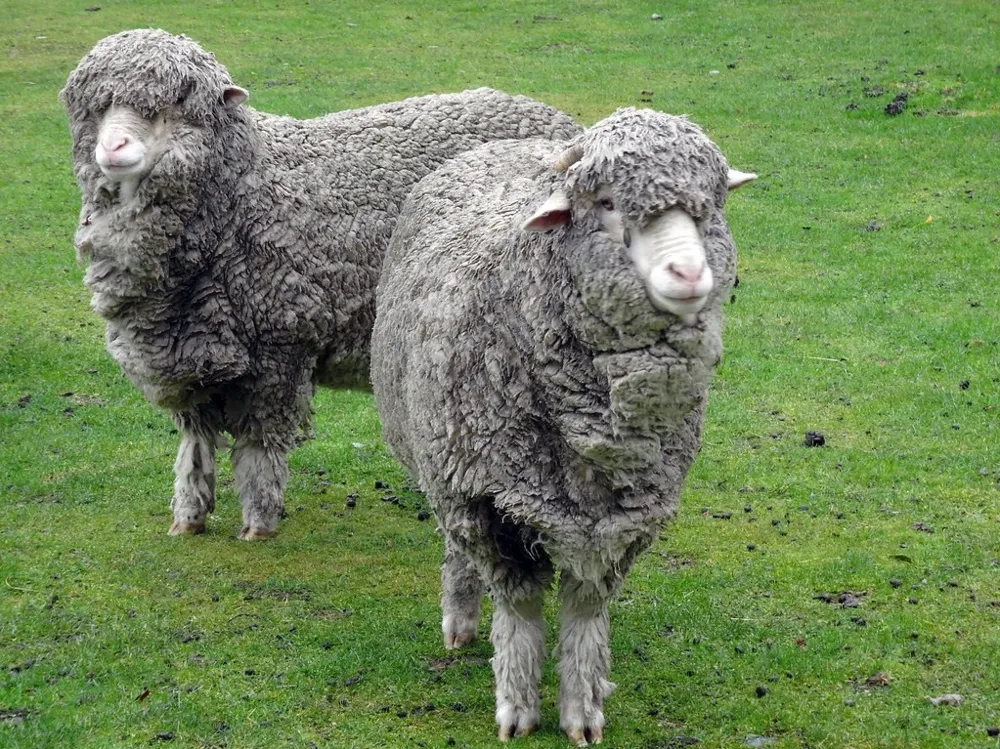
Every good ski base layer is made from either merino wool, a synthetic fabric (usually polyester, sometimes polypropylene) or a blend of the two. All of them move sweat away from your skin far better than cotton. The differences are in comfort, drying speed, odor and durability.
| Merino Wool | Synthetic | Merino Blend | |
|---|---|---|---|
| Feel | Soft | Smooth, sometimes slick | Soft with more stretch |
| Warmth when damp | Stays warm when damp | Cools when wet but dries fast | In between |
| Drying speed | Slower | Fastest | Faster than pure merino |
| Odor | Resists odor for several days | Holds odor more readily; some have treatments | Better than synthetic |
| Durability | Thin pure merino can snag or hole | Tough | Nylon or polyester adds strength |
| Price tier | Higher | Lower | Mid to high |
| Best for | Resort days, multi-day trips, cold | Heavy sweaters, touring, wet climates, budgets | Frequent skiers who want both |
When to Choose Merino
Merino wool comes from merino sheep and feels soft against the skin. It's breathable, wicks moisture and resists odor, which is why REI recommends it for active days with lots of climbing and descending. For a ski trip where you'll wear the same base layer two or three days in a row, merino is the easier choice.
When to Choose Synthetic
Synthetics dry faster and cost less, and REI suggests them for people who sweat heavily or ski in wet climates. They're also tougher, which matters if you wear base layers under a backpack or for hard laps. The downside is odor: synthetics hold smells more readily, though treatments such as Polygiene and HeiQ Mint help.
Why Blends Exist
Blends mix merino with nylon, polyester or elastane. The synthetic fibers add strength, stretch and faster drying, while the wool keeps the soft feel and some odor resistance. Blends range from mostly merino (such as Ridge's 84% merino) to roughly half and half (such as Smartwool Intraknit). A few brands add other fibers such as bamboo or Tencel. If pure merino tops keep wearing through at the elbows or under pack straps, a blend is worth a try.
Odor Control for Multi-Day Ski Trips
Odor is the biggest practical difference between fabrics. Merino naturally resists smell, so many skiers wear one merino set for several days of a trip. Synthetic base layers hold odor more readily, so plan on a fresh set each day or wash them in the evening; they dry quickly. Some synthetics are treated to slow odor (Arc'teryx uses Polygiene; Patagonia's Capilene Lightweight uses HeiQ Mint), but the treatment slows smell rather than stopping it. Our ski trip packing list covers how many sets to bring.
Understanding Base Layer Weights
Base layers come in three broad classes: lightweight, midweight and heavyweight (sometimes called expedition or thermal). Many brands also give a fabric weight in grams per square meter (g/m²), and the number in a product name often means this, as with Icebreaker's 200 Oasis. A higher number means thicker, warmer fabric.
| Example | Fabric Weight | Class |
|---|---|---|
| Patagonia Capilene Lightweight | 78 g/m² | Light |
| Ridge Merino Aspect Midweight | 180 g/m² | Mid |
| Icebreaker 200 Oasis | 200 g/m² | Mid |
| Smartwool Classic Thermal Merino | About 250 g/m² | Heavy |
Labels aren't standardized. GearJunkie, for example, lists a Stio base layer sold as "midweight" at 280 g/m², heavier than many heavyweights. Use g/m² to compare within the same fabric type, since merino and synthetics of the same weight don't feel identical, and treat the brand's weight class as a rough guide.
Choosing a Weight by Temperature and Activity
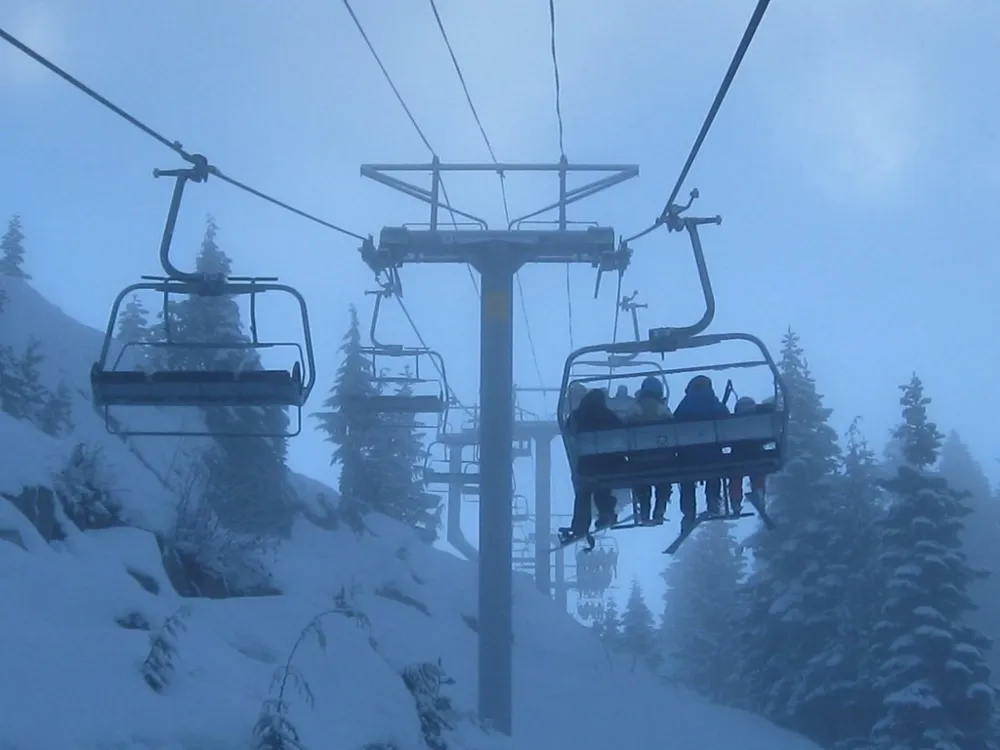
Pick a base layer weight for the coldest part of your day, which is usually sitting still on the chairlift, then adjust warmth with your mid layer. This matches the layering advice in our what to wear skiing guide.
| Conditions or Activity | Base Layer Weight | Notes |
|---|---|---|
| Spring skiing, sunny and mild | Lightweight | Often worn under a shell with vents open |
| Typical winter resort day | Midweight | Add a fleece or light puffy as needed |
| Very cold, windy, long lift rides | Heavyweight | Pair with a warm mid layer and insulated jacket |
| Ski touring and uphill skiing | Lightweight | You sweat hard on the climb; carry a puffy for the top |
| Cross-country skiing | Lightweight | High effort, so less insulation is needed |
| Skiers who run cold | One step heavier | Or a heavier bottom if your legs get cold |
| Skiers who run hot | One step lighter | A zip-neck top helps you vent |
Your top and bottom don't have to match. Most skiers' legs stay warmer than their upper body, so many wear a midweight top with a lightweight bottom, or a heavyweight top on the coldest days. If you wear a one-piece ski suit or tight shell with little room for a mid layer, a heavier base layer does more of the work.
Tops and Bottoms: Styles to Know
Crew Neck
The simplest top. A crew sits flat under a mid layer and pairs well with a separate neck gaiter you can pull on and off.
Zip-Neck (Quarter- or Half-Zip)
A zip neck lets you vent heat on a warm afternoon or after a hard run and zip up for a cold lift. It's the most versatile ski top, though the zip adds a little bulk under a jacket collar.
Hoody
A thin hood fits under a helmet and covers your neck and ears; some, like Ridge's Aspect, work as a balaclava. Good for very cold days and for skiers who don't like a separate gaiter.
Full-Length Bottoms
Standard base layer bottoms reach the ankle. In ski boots, stop them above the boot cuff or pull your ski sock over the top, so that only the sock is inside the boot. Extra fabric creases and rubs your shins. Our ski socks guide explains why.
3/4-Length Bottoms
Three-quarter bottoms end mid-calf, above a tall ski sock, which avoids fabric in the boot entirely. Several ski-specific base layers use this cut.
Sets and Extras
Top-and-bottom sets are convenient for a first trip. Some bottoms include a fly or relief opening, and some tops have thumb loops that keep sleeves from riding up under gloves. Check the listing for features that matter to you.
How a Ski Base Layer Should Fit, for Men and Women
A base layer works by contact: it needs to touch your skin to move sweat away. Aim for snug but not tight:
- No loose folds under your pants, at the waist or behind the knee, where fabric would bunch in boots or under a harness.
- Full movement: squat, reach overhead and pull a knee to your chest. Nothing should pull tight or ride up.
- Long enough: the top should stay tucked when you bend, and sleeves should reach your wrists so they meet your gloves.
- Flat seams help under pack straps and ski pants.
Women's base layers are cut for women's proportions, and some run small; REI notes the women's Capilene Midweight top can be snug at the bust. Men's styles may come in tall sizes. If you're between sizes, check the brand's chart and reviews for whether the cut is slim or relaxed. Fit also affects what goes over the top: a bulky base layer under a fitted ski jacket or women's ski jacket restricts movement.
Base Layers for Touring, Snowboarding and Nordic Skiing
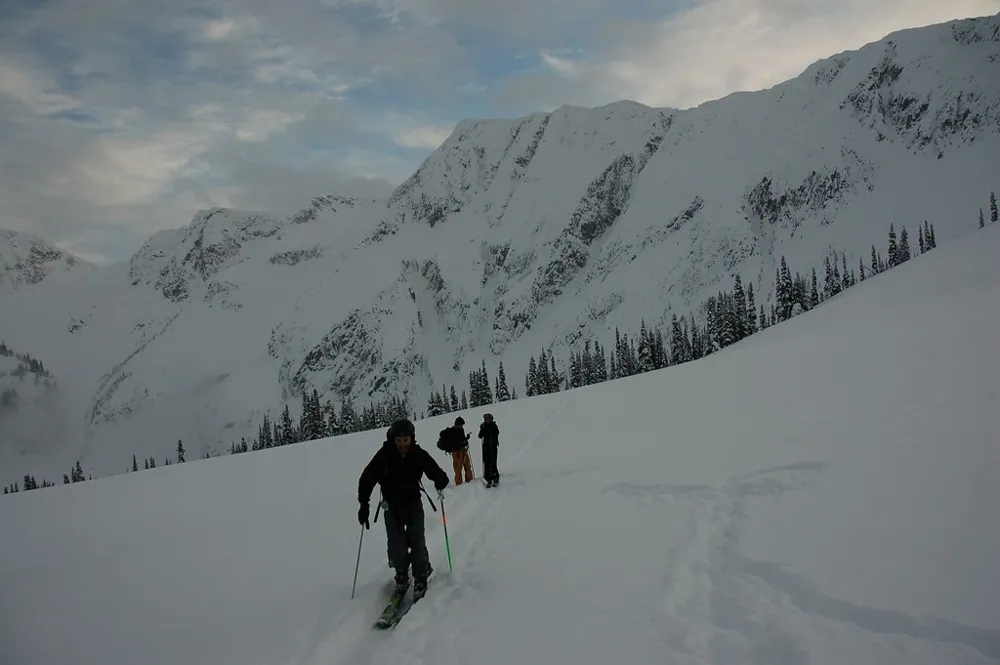
Ski touring is high-output on the way up and cold on the way down, so most touring skiers wear a lightweight merino, blend or synthetic top with a zip neck, then add a puffy at the top. Synthetics dry fastest; merino stays more comfortable over a long day. See our backcountry skiing for beginners guide for the rest of the kit.
Snowboarders can use the same base layers. Riders often spend more time sitting in the snow, so a slightly warmer bottom can help; see what to wear snowboarding.
Cross-country skiing is aerobic, so lightweight base layers work for most people, with a thin wind layer on top. Our cross-country skis guide covers the gear. For children, use the same rules: a wool or synthetic base, never cotton, and a spare set for wet days, alongside a good kids' ski jacket.
How to Wash and Care for Base Layers
- Merino: wash less often. REI says most people get three to four wears between washes. Use a wool-specific soap, hand wash or use a gentle wool cycle, and avoid bleach and fabric softener.
- Synthetics: machine wash inside out on a gentle or delicate warm cycle, per REI.
- Dry: hang to dry unless the tag says otherwise. High heat can shrink merino.
- Store clean and dry between seasons.
Small holes in pure merino are common over time, especially where pack straps or a harness rub. A blend or a heavier fabric lasts longer in those spots.
Build the Rest of Your Ski Layers
A base layer is the start of the system. Add a thin, knee-high pair of ski socks, waterproof ski pants or bibs, a ski jacket and warm ski mittens. For the full head-to-toe system, including mid layers and what to avoid, read what to wear skiing.
Frequently Asked Questions
What is the best base layer material for skiing?
Merino wool and synthetic fabrics both work well. Merino is soft, breathable and resists odor over several days; synthetics dry faster, cost less and suit heavy sweaters and wet climates. Blends try to combine merino comfort with synthetic durability. Avoid cotton.
What weight base layer should I wear skiing?
Midweight suits most winter resort days. Choose lightweight for spring skiing, touring or if you run warm, and heavyweight for very cold days, long chairlift rides or if you feel the cold.
Should ski base layers be tight?
Snug but not tight. A base layer needs skin contact to move sweat away, so it should follow your body without restricting movement or leaving loose folds under your ski pants and boots.
Do you wear underwear under a ski base layer?
Most people wear regular underwear underneath, ideally a wool or synthetic pair rather than cotton. Some base layer bottoms have a fly or a relief opening, so check the listing if that matters to you.
Should base layer bottoms go inside ski boots?
No. Stop the base layer bottom above the boot cuff or pull your ski sock up over the top so only the sock is inside the boot. Extra fabric creases and rubs. Three-quarter-length bottoms avoid the problem.
How often should you wash merino base layers?
Less often than synthetics. REI says most people get three to four wears between washes. Wash with a wool-specific soap, skip bleach and fabric softener, and hang to dry unless the label says otherwise.
Can I use running tights or leggings as a ski base layer?
Synthetic running tights or sport leggings can work as a base layer bottom if they fit snugly and aren't cotton. Dedicated base layers are usually warmer and longer in the leg and cuff.
Is a heavyweight base layer better than adding a mid layer?
Not always. A thinner base layer plus a fleece or light puffy is easier to adjust during the day. A heavyweight base layer suits very cold days or one-piece suits and tight shells that leave little room for layers.