The Best Ski Socks: Merino, Synthetic and Compression (2026)
Over-the-calf ski socks from Smartwool, Darn Tough, CEP, Dissent and Minus33, with a guide to materials, cushioning, fit and warm feet.
What Makes a Good Ski Sock
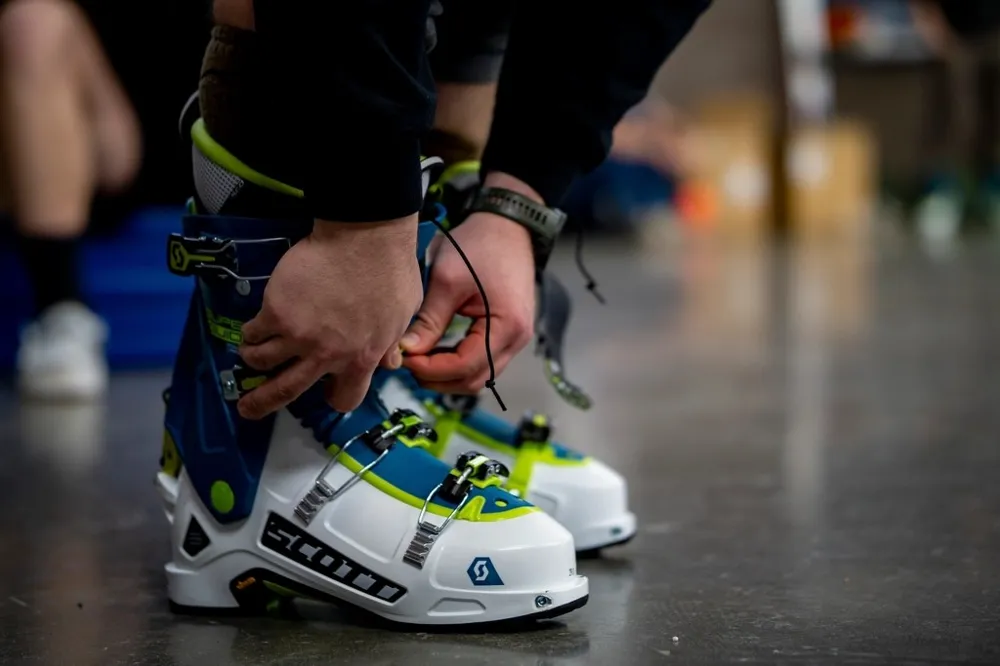
Ski boots are stiff, close-fitting shells, so the sock is the only soft layer between your foot and the plastic. A good ski sock does four things: it reaches above the boot cuff so the tongue doesn't rub your shin, it wicks sweat so your feet stay warm, it stays put without bunching, and it adds cushion only where boots press. Almost every good ski sock is an over-the-calf (OTC) blend of merino wool or synthetic fiber with nylon and a little elastane.
The two choices that matter most are material (merino or synthetic) and thickness (zero, light or medium cushion), and thickness should match how much room your boots have. Our picks cover both.
Smartwool Ski Targeted Cushion OTC
Best for most skiers
- Merino-rich blend
- Cushion at shin, heel and toe
- Men's, women's and youth versions
Darn Tough Thermolite EDGE OTC Midweight
Best synthetic and most durable
- Thermolite polyester, no wool
- Padded shin, midweight cushion
- Made in Vermont, lifetime guarantee
Smartwool Ski Zero Cushion OTC
Best thin sock for tight boots
- No cushion, close boot feel
- About 55% merino
- Over the calf
Ski Socks Compared
| Sock | Main Fiber | Cushion | Height | Best For |
|---|---|---|---|---|
| Smartwool Ski Targeted Cushion | Merino blend | Light to medium, zoned | Over the calf | Most resort skiers |
| Darn Tough Thermolite EDGE | Thermolite polyester | Midweight, padded shin | Over the calf | Sweaty feet, durability |
| Smartwool Ski Zero Cushion | Merino blend (about 55%) | None | Over the calf | Tight performance boots |
| CEP Ski Touring Compression | Polyamide with merino | Light, shin and ankle | Calf | Touring and tired legs |
| Dissent GFX Compression Hybrid | Polyamide and Lycra with merino | Light, zoned | Over the calf | Snug, left/right-specific fit |
| Minus33 Mountain Heritage Elite | Merino (57%) | Micro, padded zones | Over the calf | Value merino, made in the USA |
| FITS Light Ski | Merino (66%) | Light to medium | Over the calf | Snug heel and foot |
| Snow Deer Heated Socks | Synthetic blend | Varies | Over the calf | Feet that are always cold |
Fiber percentages are from the maker or retailer listings and can change between versions, so check the current label before you buy.
The Best Ski Socks
1. Smartwool Ski Targeted Cushion Over the Calf
Smartwool's most popular ski sock pairs a merino-rich blend (listings give roughly 56–63% merino, with nylon and elastane) with cushioning placed only at the shin, heel and toe, where boots press. The rest of the sock is thinner, so it keeps a close boot fit while still softening the shin. It reaches well up the calf and comes in men's, women's and youth versions, plus many patterns.
Good to Know
- Balanced warmth and boot feel
- Merino resists odor over several days
- Wide size range
Watch Out For
- Merino wears faster than a mostly synthetic sock
2. Darn Tough Thermolite EDGE OTC Midweight
A wool-free ski sock built from Thermolite hollow-core polyester with nylon and a little Lycra, with a midweight cushion and a padded shin. Synthetic fiber dries quickly, so it suits skiers whose feet sweat or who can't wear wool. Darn Tough knits its socks at its mills in Vermont and backs them with an unconditional lifetime guarantee that covers socks that rip, tear or lose their fit.
Good to Know
- Lifetime guarantee
- Good for wool-sensitive skin
- Men's and women's versions
Watch Out For
- Midweight may be too thick for tight boots
3. Smartwool Ski Zero Cushion Over the Calf
A thin, no-cushion ski sock in a blend of about 55% merino, 41% nylon and 4% elastane. With no padding, it fills almost no space in the boot, which helps skiers in snug, high-performance or race-style boots feel the shell and stay in control. It's also a good choice for spring skiing and ski touring.
Good to Know
- Closest boot fit
- Breathable for warm days and uphill
- Men's and women's versions
Watch Out For
- No shin padding
- Less warm on very cold days
4. CEP Ski Touring Compression Socks
A compression ski sock in about 70% polyamide, 18% merino and 12% spandex, with light padding at the shin and ankle. GearJunkie lists its compression at 20–30 mmHg, and CEP sizes it by calf circumference as well as shoe size, so measure your calf before ordering. It's aimed at touring and long days when legs get tired.
Good to Know
- Firm graduated compression
- Low-profile in the boot
- Men's and women's versions
Watch Out For
- Harder to pull on
- Premium price tier
Not found on Amazon when we checked; see CEP's site.
5. Dissent GFX Compression Hybrid DLX-Wool
Dissent's ski sock is mostly polyamide and Lycra with about 10% merino, knit as left- and right-specific socks with padding at the toe, arch, heel, Achilles and shin. It's snug and anatomical rather than a medical-style graduated compression sock, which is why it's popular with racers and skiers in tight boots.
Good to Know
- Very close, no-bunch fit
- Left/right shaping
Watch Out For
- Little wool, so less odor resistance
- Premium price tier
6. Minus33 Mountain Heritage Elite Over the Calf
A value merino ski sock made in New Hampshire from 57% merino, nylon, stretch nylon and spandex. Minus33 lists a microweight build with padding at the heel, toe, shin and calf, a Y-heel, three-zone elastic at the arch, ankle and cuff, and a seamless toe. Sizes run from kids' through men's XL.
Good to Know
- High merino content for the price tier
- Made in the USA
- 5-year warranty on its New Hampshire-made socks
Watch Out For
- Few colors
7. FITS Light Ski Over the Calf
A light-to-medium ski sock in about 66% merino with nylon, polyester and Lycra, and targeted cushioning. It's a mid-thickness option for skiers who want a little more padding than a zero-cushion sock without a bulky feel.
Check Price on Amazon8. Snow Deer Heated Socks
Rechargeable heated socks with 7.4V 2200mAh battery packs at the cuff, in sizes S to XL. They're an option for skiers with chronically cold toes who don't want to install boot heaters. Remove the batteries before washing. For heated insoles and boot heaters, see our heated ski boots guide.
Check Price on AmazonDo You Need Ski-Specific Socks?
Yes, if you ski more than once in a while. Regular socks fail in three ways inside a ski boot. They're too short, so the boot tongue and cuff rub directly on your shin. Everyday cotton socks hold sweat, which chills your feet. And thick hiking or work socks bunch and press in a tight boot, causing blisters and cold toes. A ski sock solves all three with a tall cuff, wicking fiber and shaped, zoned cushioning.
If you're renting for a first day and don't own ski socks, a thin, tall wool or synthetic sock is the next best thing. Never ski in cotton.
Merino Wool vs Synthetic Ski Socks
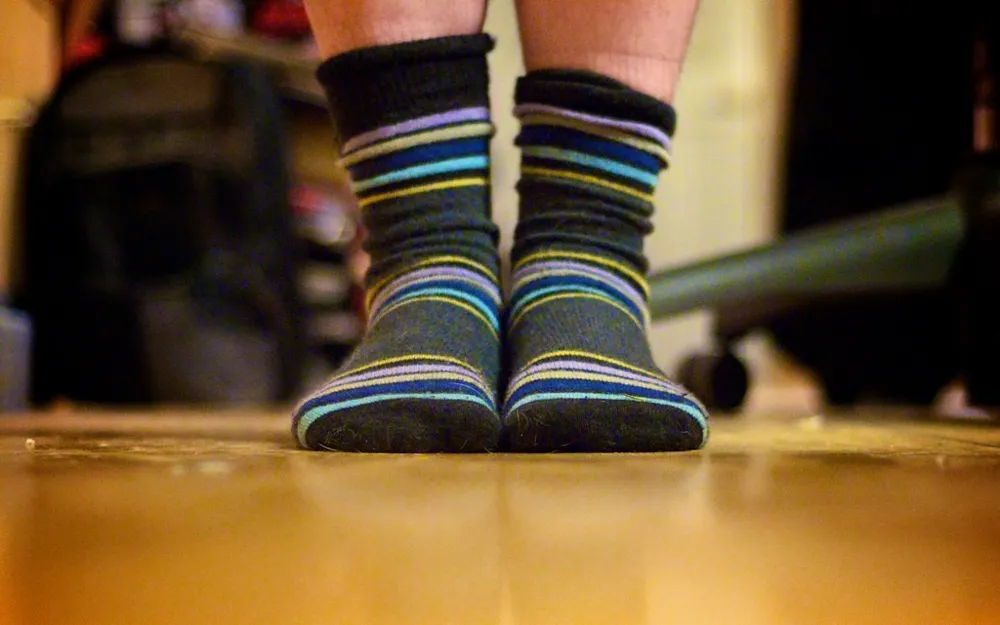
Almost no ski sock is 100% anything. Nylon adds strength, and elastane or Lycra (usually 2–5%) keeps the sock snug. The difference is the main fiber.
| Merino Wool | Synthetic (Polyester, Polypropylene) | |
|---|---|---|
| Warmth when damp | Stays warm | Good, dries faster |
| Odor | Naturally resists odor for several days | Can smell sooner |
| Durability | Good, wears faster at the heel | Usually tougher |
| Feel | Soft, temperature-regulating | Smooth, slick |
| Best for | Most skiers, multi-day trips | Sweaty feet, wool allergies, heavy use |
A few socks use bamboo rayon or silk blends for softness, and some budget ski socks are mostly acrylic. Those work, but they generally don't handle moisture as well as merino or performance synthetics. Whatever you choose, avoid cotton: it soaks up sweat and loses its warmth.
Thickness and Cushioning
Ski socks are sold by cushion level. Thicker isn't automatically warmer: a sock that crowds a fitted boot presses on blood vessels and can make toes colder.
| Cushion | What It Is | Choose It If |
|---|---|---|
| Zero or ultralight | No padding, very thin | Snug or race boots, touring, spring skiing |
| Light or targeted | Padding only at shin, heel and toe | Most resort skiers |
| Medium or midweight | Fuller padding, more warmth | Roomier or rental boots, cold climates |
| Heavy or full | Thick padding throughout | Loose boots only; rare for skiing |
A good rule: buy socks to suit your boots, not to fix them. If your boots are too big, a thick sock won't stop your foot moving; a boot fitter or a better footbed is the real fix. Try boots on wearing the socks you'll ski in, as our ski boot buying guide explains.
Height, Fit and Sizing
- Height: over the calf, ending just below the knee. The sock should rise well above the top of the boot so no boot plastic touches skin.
- Fit: snug everywhere, with no wrinkles at the instep or extra fabric at the toe. A sock that's too big bunches; one that's too small pulls the toe seam onto your toes.
- Heel: the heel pocket should sit on your heel, not above it. Y-heels and elastic arch bands help it stay there.
- Seams: look for a flat or seamless toe to prevent rubbing.
- Left and right: some socks (Dissent, CEP, Icebreaker) are shaped for each foot for a closer fit.
- Size charts: ski socks are sized by shoe size ranges (S, M, L, XL). If you're between sizes, check each brand's chart; compression socks may also need your calf measurement.
Men's and women's ski socks differ mainly in size ranges and calf shaping, plus colors. If a unisex sock fits your foot and calf, it works for anyone.
How to Keep Your Feet Warm in Ski Boots
Socks are only part of the answer. Cold feet usually come from a mix of sweat, tight buckles and cold boots.
- Start with warm, dry boots. Keep them indoors overnight, not in a cold car, and dry the liners every evening.
- Put socks on last. Pull them on just before your boots so they're dry, and smooth out any wrinkles.
- Don't overtighten. Snug the buckles enough to hold your heel, then loosen them on the lift to let blood flow.
- Wear one pair only. Two pairs or a thick sock in a tight boot restrict circulation.
- Keep your core warm. When your body is cold, it cuts blood flow to your feet first; see what to wear skiing.
- Add heat if you need it. Disposable toe warmers stick to the top of the sock, and battery boot heaters or heated socks help skiers whose feet always feel cold.
If your feet go numb even with these steps, have a boot fitter check your boots; pressure points and the wrong shell size are common causes.
Heated Ski Socks
Heated socks have thin heating elements in the toe area and a rechargeable battery at the cuff. They work in any boot without installation and are easy to move between ski and snowboard boots. The trade-offs are the bulk of the battery at the top of the boot, the need to charge them every night, and more careful washing. Boot-mounted heaters such as Hotronic or Therm-ic keep the sock normal and put the electronics on the boot instead. Heated socks still need to fit like a good ski sock: snug, tall and wrinkle-free.
Compression Ski Socks
Compression socks squeeze firmest at the ankle and less up the leg. Makers say this supports circulation and reduces leg fatigue, and some skiers like the very snug, locked-in feel in the boot. They're harder to pull on and usually cost more. Hybrid socks such as Dissent's are snug and shaped without being true graduated compression. If you have diabetes, poor circulation or another medical condition, talk to a doctor before choosing firm compression.
Socks for Ski Touring and Cross-Country Skiing
Uphill skiing makes feet sweat far more than lift-served days, so touring skiers usually choose thin, zero- or light-cushion socks with high merino or performance-synthetic content. They breathe better and leave less fabric to rub during long skin tracks, where blisters are the main risk. Compression or snug hybrid socks are popular for the same reason. Carry a spare pair in your pack to change into at the top of a long climb. For cross-country skiing, the boots are low and soft like a shoe, so a shorter, lighter Nordic-height sock works better than a tall alpine sock. See our guides to backcountry skis and cross-country ski boots.
Ski Socks vs Snowboard Socks
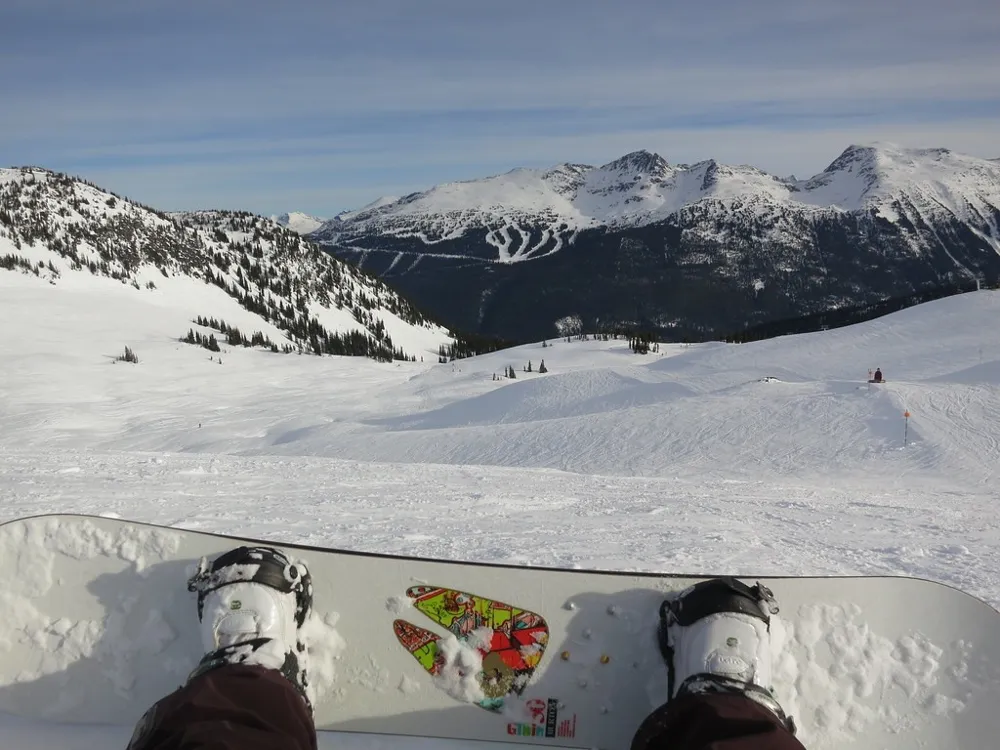
They're very similar. Both are tall, wicking and zoned. Snowboard boots are softer and roomier, so snowboard-marketed socks are often a little more cushioned, and riders who walk a lot or ride park may like extra padding. Ski socks work perfectly in snowboard boots, and a thin snowboard sock works in ski boots. Choose by thickness and fit, not by the label. For the full rider outfit, see what to wear snowboarding and our snowboard boots guide.
Kids' Ski Socks
Kids need the same things adults do: one pair of tall wool or synthetic socks, no cotton and no doubled socks. Look for youth sizes rather than adult small, which can bunch on small feet. Smartwool and Minus33 both list kids' sizes. Children often won't mention cold or sore feet, so check their feet at lunch and pack a dry spare pair. Our kids' skis and kids' ski jackets guides cover the rest of the outfit.
How Many Pairs, and How to Care for Ski Socks
Own at least two pairs so one can dry while you wear the other. For a ski trip, pack one pair per day or plan to wash a pair each night, and add them to your ski trip packing list.
- Turn socks inside out and machine wash cold or warm on a gentle cycle with a mild detergent.
- Skip bleach and fabric softener, which can damage fibers and reduce wicking.
- Air dry, or tumble dry on low if the label allows. High heat can shrink merino and weaken elastic.
- Rotate pairs and dry them fully between days to control odor.
- Retire socks once the heel or shin padding wears thin.
Warranties differ a lot. Darn Tough offers an unconditional lifetime guarantee, Minus33 lists a 5-year warranty on its New Hampshire-made socks, and other brands' terms vary, so check before you buy if durability matters to you.
Pair your socks with a good base layer, ski pants and ski boots that fit, and store them with your boots in a boot bag so they're always ready.
Frequently Asked Questions
Should ski socks be thick or thin?
Thin to medium for most skiers. Ski boots are fitted closely, and a thick sock fills that space, presses on the foot and can make toes colder. Choose a thicker cushioned sock only if your boots have room for it.
Can I wear two pairs of socks skiing?
It's best not to. Two layers bunch up, rub and squeeze your feet, which causes blisters and cuts circulation. One pair of ski socks that fits well is warmer and more comfortable.
Can I ski in regular socks?
You can, but ski socks work better. They rise above the boot cuff so the shell doesn't rub your shins, and they're shaped and cushioned for boot pressure points. Avoid cotton, which holds sweat and gets cold.
Are merino wool ski socks worth it?
For most skiers, yes. Merino stays warm when damp, resists odor over several days and feels soft. Synthetic socks dry faster and are often tougher, so they suit sweaty feet and frequent skiers.
How many pairs of ski socks do I need?
At least two, so one can dry while you wear the other. For a week-long trip, many skiers pack one pair per day or wash a pair each night.
Do snowboarders need different socks?
Not really. Snowboard socks are often a little more cushioned because snowboard boots are softer and roomier, but ski socks work fine in snowboard boots.
Should ski socks go over or under thermal leggings?
Pull the sock up first and wear the base layer over it, or stop the base layer above the sock. Nothing but the sock should be inside the boot, because extra fabric creases and rubs.
Are compression ski socks worth it?
Some skiers like the snug fit and say their legs feel less tired. If you have a circulation or medical condition, ask a doctor before choosing a firm compression level.