Best Kids' Skis From First Turns to Park Laps (2026)
Junior skis from Rossignol, Atomic, K2, Völkl and Line, with a parent's guide to sizing, bindings, leasing and growing out of skis.
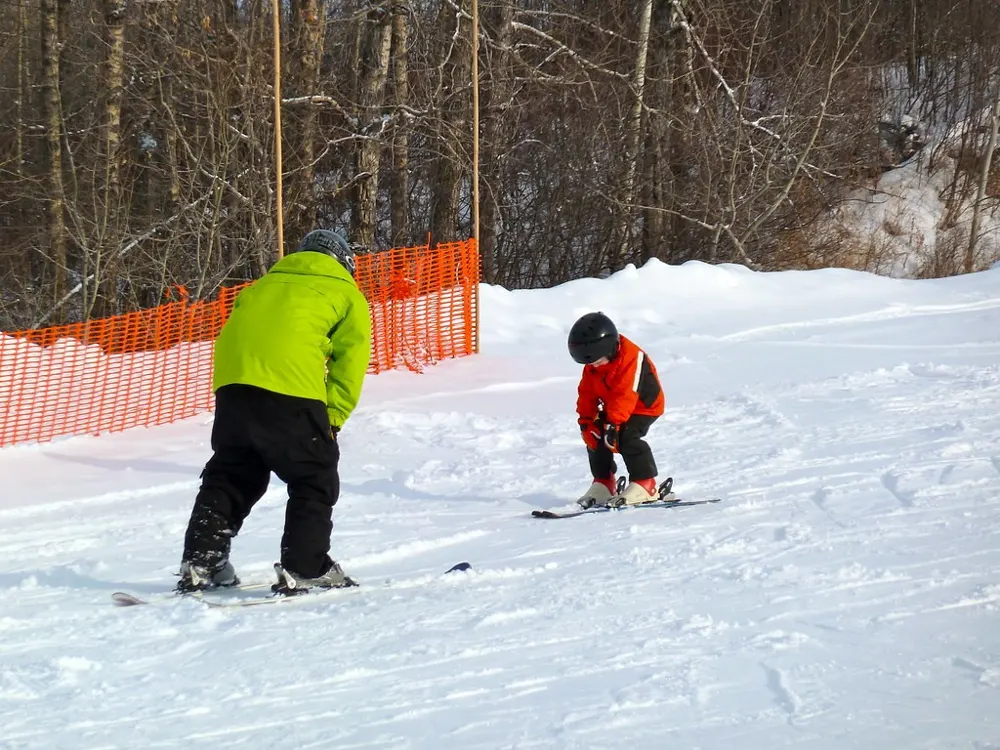
Choosing Skis for Kids
The right kids' skis make learning easier, safer and more fun. The basics are simple: don't buy too long, choose a soft, forgiving ski for beginners, and make sure the bindings are set by a shop. As kids progress, they can move to stiffer all-mountain skis or twin tips for the park.
Below are our picks by ability, then a parent's guide to sizing, bindings and DIN, rent vs buy vs lease, and when to move up to adult skis. For grown-up skis, see the best skis.
Rossignol Kid's Experience Pro
Best for beginners
- Comes with Kid 4 GripWalk bindings
- Light HD core
- Easy all-mountain shape
K2 Indy
Best for progressing kids
- Sold with bindings
- Catch Free Rocker
- Forgiving all-mountain ski
Völkl Mini Revolt Jr
Best twin tip for park
- Includes vMotion Jr bindings
- Twin tip for riding switch
- Forgiving flex
Kids' Skis Compared
| Ski | Level | Bindings | Key Features |
|---|---|---|---|
| Rossignol Kid's Experience Pro | Beginner to intermediate | Included (Kid 4 GripWalk) | HD core, all-mountain shape |
| K2 Indy | Beginner to intermediate | Included | Catch Free Rocker |
| Völkl Mini Revolt Jr | Beginner to intermediate, park | Included (4.5 vMotion Jr) | Twin tip, forgiving flex |
| Atomic Maverick J | Beginner to intermediate, small kids | Included (C5) | Densolite core, Bend-X flex |
| Rossignol Sender Jr | Beginner to intermediate | Included | Double rocker, all-mountain shape |
| Atomic Bent Jr | Intermediate to advanced, freestyle | Included (system) | Dura Cap sidewall |
| Line Bacon Shorty | Advanced, bigger kids | Not included | Twin tip, 107mm waist, symmetric flex |
Details are from each maker's listing. Junior skis come in many lengths, so pick the size before you check the listing.
The Best Kids' Skis
For Beginners
1. Rossignol Kid's Experience Pro
A junior version of Rossignol's popular all-mountain Experience line, sold with Kid 4 GripWalk bindings. Rossignol uses a high-density (HD) core that it describes as lighter and more stable than traditional poplar. It's an easy, confidence-building ski for kids learning to link turns. A girls' version (Experience W Pro) is also available.
Good to Know
- Bindings included
- GripWalk-compatible bindings
- Easy to turn
Watch Out For
- Will feel soft for advanced kids
2. Atomic Maverick J
Atomic's youngest Maverick is built for small skiers. It has a light Densolite core, Atomic's Bend-X design to make flexing easy for lighter bodies and a durable Dura Cap construction. It comes with a C5 binding for the smallest boots.
Good to Know
- Made for the smallest skiers
- Easy to flex
- Durable
Watch Out For
- Outgrown quickly
For Progressing Kids
3. K2 Indy
K2's Indy is a youth all-mountain ski sold with bindings. Its Catch Free Rocker lifts the tip and tail contact points so the ski is less likely to hook or grab, which helps kids who are moving from the wedge to parallel turns.
Good to Know
- Forgiving and less grabby
- Bindings included
Watch Out For
- Not designed for the park
4. Rossignol Sender Jr
A junior all-mountain ski for beginner to intermediate kids, sold with bindings. It has a double rocker profile and an all-mountain shape for easy steering. A good pick for kids who want to explore more of the mountain.
Check Price on AmazonFor Park and Freestyle
5. Völkl Mini Revolt Jr
A youth twin tip with freestyle looks and a forgiving flex, sold with 4.5 vMotion Jr bindings. Turned-up tails let kids ride backward (switch) and land small jumps, while staying easy on groomers.
Good to Know
- Twin tip for park and switch
- Bindings included
Watch Out For
- Twin tails are less useful for pure beginners
6. Atomic Bent Jr
The junior version of Atomic's freestyle-flavored Bent line, sold as a system ski with bindings. A full Dura Cap sidewall runs from base to topsheet for edge grip and durability. Best for intermediate to advanced kids who ski the whole mountain and the park.
Check Price on AmazonFor Advanced and Bigger Kids
7. Line Bacon Shorty
A scaled-down version of Line's freestyle all-mountain ski, with a 107mm waist for soft snow, a symmetric flex for riding switch and a twin tip shape. It's sold without bindings, so you'll need to have junior or adult bindings mounted. Best for strong, bigger kids who ski powder and park.
Good to Know
- Real freeride/freestyle ski for kids
- Floats in powder
Watch Out For
- Bindings sold separately
- Too much ski for beginners
What to Look for in Kids' Skis
- Soft flex: light kids can't bend stiff skis, which makes turning hard.
- Rocker: tip (and often tail) rocker makes skis easier to turn and less likely to catch an edge. Camber underfoot adds grip as kids start to carve.
- Light weight: easier to carry and maneuver.
- Durability: cap construction and tough topsheets survive being dropped, stepped on and thrown in the car.
- Bindings included: system skis simplify buying and adjusting.
- Twin tips: great for park-curious kids; not necessary for beginners.
Toddler and Cross-Country Skis
Plastic toddler skis that strap onto snow boots are fun for backyard play, but they aren't real alpine equipment and shouldn't be used on lifts. For Nordic trails, junior cross-country skis are sized differently, often by weight.
Kids' Ski Size Chart
The simplest rule: for beginners, the ski should stand somewhere between the child's chest and chin. Stronger, more confident or heavier kids can go up toward the nose. Avoid going above about eyebrow height.
| Approximate Age | Typical Ski Length |
|---|---|
| 3 | 70–80cm |
| 4 | 80–90cm |
| 5 | 90–100cm |
| 6 | 95–105cm |
| 7 | 100–110cm |
| 8 | 105–115cm |
| 9 | 110–120cm |
| 10 | 120–130cm |
| 11 | 125–135cm |
| 12 | 135–145cm |
Age charts are only a rough guide, since children of the same age vary a lot in height and weight. Always size by the child standing next to the ski. The figures at ages 3 and 12 follow a published kids' sizing chart; the middle rows are interpolated estimates. For a height-based method and more detail, see our ski size chart.
Sizing Adjustments
- Go shorter for first-timers, light or cautious kids.
- Go a little longer for heavier, faster or more advanced kids, or skis with a lot of tip rocker.
- Don't size up for growth. Skis that are too long are hard to turn and slow progress.
System Skis, Bindings and DIN
Most junior skis come as systems with bindings included, mounted on a track that adjusts to boot size. That's convenient for growing feet. Some larger or freestyle junior skis are sold flat (no bindings), and you'll need a binding mounted separately.
Junior bindings use low DIN ranges, the release setting that lets the boot come out in a fall. Ranges such as about 0.75–4.5 suit small kids, while ranges up to about 7 suit bigger, stronger juniors. A ski technician sets the DIN from the child's weight, height, age, ability and boot sole length. Have it checked whenever your child changes boots or has a growth spurt, and never adjust it yourself.
Make sure the boot sole matches the binding: many junior boots and bindings use GripWalk soles, which need compatible bindings. See ski bindings and ski boot sizing.
Rent, Buy or Lease?
| Option | Best For | Things to Know |
|---|---|---|
| Daily rental | First days, rare trips | Easiest; can add up quickly over a season |
| Seasonal lease | Families who ski regularly | Many shops lease junior gear for the whole season, often for about ages 3–12, and some include tunes and mid-season size swaps |
| Buy new with trade-in | Regular skiers who want their own gear | Some shops credit part of the purchase price toward the next size within a set period |
| Buy used | Budget-conscious families | Check edges, bases and binding condition; have a shop inspect the bindings |
| Hand-me-downs | Families with siblings | Get the bindings readjusted and DIN set for each child |
Lease and trade-in terms vary by shop, so ask locally before the season starts, when selection is best.
Boys', Girls' and Unisex Skis
Kids' skis are mostly unisex; "girls'" versions usually differ in graphics, and sometimes slightly in flex. Choose by size, ability and style, not by label.
Other Gear Kids Need
- Boots: the most important piece. They should be snug, with toes just touching the front when standing and pulling back slightly when flexing forward. Avoid buying big.
- Helmet: essential for every child. See ski helmets.
- Goggles that fit with the helmet, mittens (warmer than gloves for little hands) and one pair of thin ski socks.
- Waterproof jacket and pants or bibs: kids spend lots of time sitting in snow. See ski pants.
- Poles: usually not needed until a child can link turns comfortably.
Ski or Snowboard First?
Many families start younger children on skis, since ski schools often take kids at a younger age and early progress on skis can be quick. Snowboarding is often easier to start once a child is a bit older and stronger. Either is fine; the best choice is the one your child is excited about. See skiing vs snowboarding.
How Long Does It Take Kids to Learn?
It varies widely with age, confidence, conditions and how many days they ski. Many kids can make wedge turns on gentle terrain after a few lessons, while linking parallel turns usually takes longer. Short, regular days and lessons speed things up more than long, tiring ones.
When to Move Up to Adult Skis
Kids usually move to adult skis in their early teens, when they outgrow the longest junior lengths or get heavy and strong enough that junior skis feel too soft at speed. A short adult all-mountain ski or a women's ski (which tends to be lighter and softer) is a good bridge. Have the DIN reset for the new skis and boots.
Teaching Kids to Ski
Lessons with a certified instructor are the fastest, safest way for kids to learn, and many resorts run age-grouped programs from about age 3 or 4. Keep early days short, warm and fun. Our how to ski and how to turn and stop on skis guides explain the skills they'll learn, and what to wear skiing covers kids' layering.
Frequently Asked Questions
What size skis does my child need?
For beginners, skis that reach somewhere between the chest and chin are a common guide. Stronger or heavier kids can go up to about nose height. Avoid skis taller than about eyebrow height.
Should I buy kids' skis a size up so they grow into them?
No. Skis that are too long are harder to turn and control, which slows learning and can knock confidence. Seasonal leases or trade-in programs are a better way to handle growth.
At what age can kids start skiing?
Many ski schools take children from about age 3 or 4, though it varies by resort. Young children usually do best with short sessions and a lesson program designed for their age.
Is it better to rent or buy kids' skis?
Rent for the first few days or if you ski rarely. A seasonal lease is often the best value for families who ski regularly, and buying makes sense when a child is older, growing more slowly or has siblings to pass skis to.
Do kids' skis come with bindings?
Most junior skis are sold as systems with bindings included. Some freestyle and larger junior skis are sold flat, without bindings, so check the listing.
How is the DIN setting chosen for kids?
A ski technician sets it from the child's weight, height, age, skiing ability and boot sole length using a standard table. Junior bindings have low DIN ranges suited to lighter skiers.
Do kids need ski poles?
Most instructors start young beginners without poles so they focus on balance and the wedge. Poles are usually added once a child can link turns comfortably.
When should a child move to adult skis?
When they outgrow the longest junior lengths or get heavy and strong enough that junior skis feel too soft, often in the early teens. Short adult or women's skis are a common next step.