How to Turn and Stop on Skis, From Pizza to Parallel (2026)
Control is everything in skiing. Here's how to slow down and stop with confidence, then progress from wedge turns to parallel turns and clean carves.
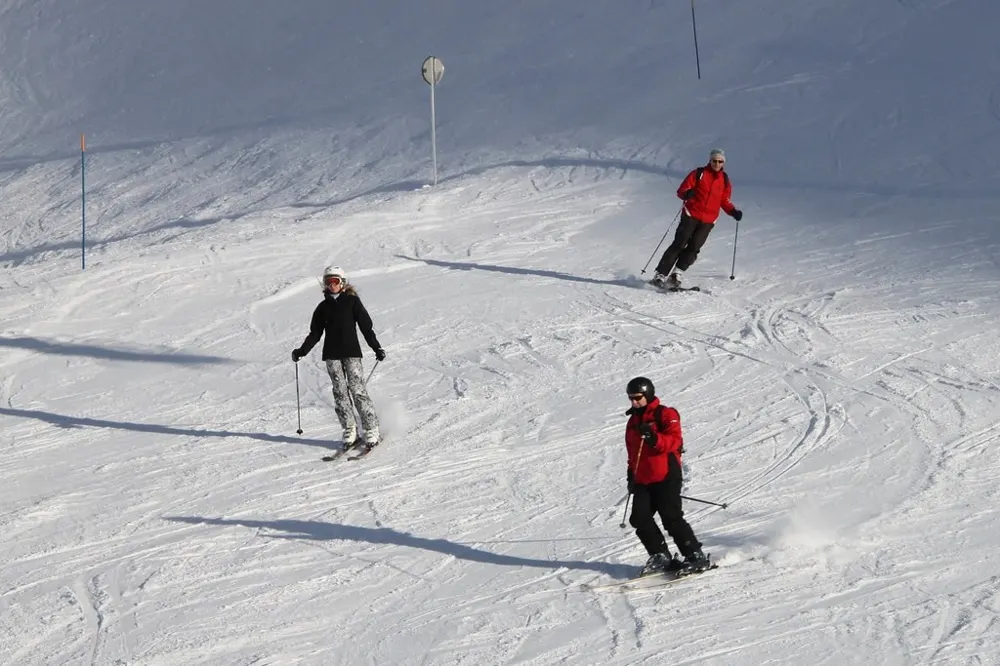
Control Comes First
Turning and stopping are the same skill: your skis slow you down when they point across the hill and grip the snow with their edges. Learn the moves in this order: wedge stop, wedge turns, turning to a stop, stem turns, parallel turns, hockey stop, then carving. Each one builds on the last. New to skiing? Start with how to ski.
Turning and Stopping Methods at a Glance
| Method | Level | Best For |
|---|---|---|
| Wedge (pizza) stop | Beginner | Slow speeds, gentle slopes |
| Wedge turn | Beginner | Controlling speed on green runs |
| Turn uphill to stop | All levels | The safest way to stop at almost any speed |
| Stem turn (stem christie) | Beginner to intermediate | Bridging wedge and parallel |
| Sideslip | Intermediate | Steep or narrow sections |
| Parallel turn | Intermediate | Blue runs and most terrain |
| Hockey stop | Intermediate | Quick stops at moderate speed |
| Carved turn | Intermediate to advanced | Smooth, fast turns on groomers |
The Wedge Stop (Pizza)
- Stand in your athletic stance: ankles and knees flexed, shins against the boot tongues, hands forward.
- Keep the tips of your skis a few inches apart and push the tails out to form a V.
- Roll your knees slightly in so the inside edges grip.
- Push the tails wider and press harder on the edges to slow down, until you stop.
Keep your knees apart over your feet rather than knocked together, and don't sit back. A wide wedge is tiring on the thighs, so use it on gentle slopes and learn to turn as soon as you can.
Wedge Turns
- Glide in a narrow wedge on a gentle slope.
- Look where you want to go.
- Press a little more on the outside ski: the right ski to turn left, the left ski to turn right.
- Steer with your feet and legs, keeping your upper body quiet and facing down the hill.
- Finish each turn across the slope, then shift weight to the other ski to start the next.
Linked wedge turns let you control speed on any green run without a wide, tiring wedge.
Turn Uphill to Stop (J-Turn)
The most reliable stop at any level is simply to keep turning until your skis point across the hill and slightly uphill. Gravity slows you and you stop with almost no effort. Practice it both ways. It's also the move to use when the slope is busy and you need to stop in a controlled way at the side of the run.
Stem Turns: The Bridge to Parallel
A stem turn (often called a stem christie) mixes a wedge and parallel skis:
- Traverse across the slope with skis parallel.
- Push the tail of the uphill ski out into a small wedge to start the turn.
- As you turn through the fall line, bring the inside ski in so both skis finish the turn parallel.
- Traverse, then repeat in the other direction.
Over time, make the wedge smaller and match your skis earlier in the turn.
Sideslipping
Sideslipping lets you lose height in control on steep or narrow sections. Stand across the slope with skis parallel, then flatten your skis slightly by rolling your knees away from the hill so you slide sideways. Roll them back into the hill to grip and stop. It's also a great drill for learning edge control.
Parallel Turns
- Ski with feet about hip-width apart, ankles and knees flexed, hands forward.
- Look toward the next turn and lightly touch your downhill pole in the snow to time it.
- Release your edges by flattening your skis, then roll both skis onto their new edges together.
- Press on the outside ski and guide both skis around, keeping them parallel.
- Finish the turn across the hill before starting the next.
Speed control in parallel turns comes from turn shape: the longer you stay across the hill before changing edges, the slower you go. If you get too fast, drop back into a wedge.
The Hockey Stop
- Ski straight down a gentle slope at moderate speed with skis parallel.
- Unweight slightly, then pivot both skis quickly across the slope by turning your feet and legs.
- Sink your knees and roll your edges into the hill so the skis bite.
- Keep your upper body facing down the hill and your weight slightly on the downhill ski.
Hockey stops are hard at very slow speeds, when you don't have enough momentum to pivot. Learn them on an empty, gentle slope and practice both directions, since most people have a stronger side.
Skidded vs Carved Turns
| Skidded Turn | Carved Turn | |
|---|---|---|
| What the skis do | Rotate and slide sideways | Tip onto edges; tails follow tips |
| Tracks | Wide, scraped tracks and spray | Two thin lines, little spray |
| Speed control | Good, by skidding | By turn shape; can feel faster |
| Where it's used | Most terrain, moguls, trees | Groomed runs |
Learning to Carve
- Traverse on edges: on a gentle groomer, tip your skis on edge and traverse across the slope, trying to leave two thin lines.
- J-turns: point down the hill briefly, then tip onto edges and let the skis carve uphill to a stop.
- Railroad tracks: on easy terrain, roll your knees and ankles side to side to make long, shallow turns on edge without twisting the skis.
- Add angle gradually: tip the skis further as you get comfortable, keeping your upper body quieter than your legs.
Carving is easier on modern shaped skis with a shorter turn radius; see best skis.
Drills to Get From Wedge to Parallel
| Drill | How | What It Builds |
|---|---|---|
| Bow tie | Standing still, swivel both skis together from wedge to parallel and back | Leg rotation |
| Narrow wedge | Make your wedge smaller each run | Moving toward parallel |
| Inside-ski tap | Lift and tap the inside ski during turns | Weight on the outside ski |
| Garlands | Make half-turns across the slope without crossing the fall line | Edge release and grip |
| Pole touch | Touch your downhill pole at the start of each turn | Rhythm and timing |
| Outside pole drag | Lightly drag the outside pole on the snow through the turn | Upper-body position |
Choosing the Right Stop
- Gentle slope, low speed: wedge.
- Busy run: turn uphill to the side of the trail and stop where you're visible from above.
- Need to stop quickly at moderate speed: hockey stop.
- Steep or icy patch: sideslip, or traverse and turn uphill.
- Too fast and out of control: turn across the hill rather than trying to straightline.
Common Mistakes and Fixes
| Mistake | Result | Fix |
|---|---|---|
| Leaning back | Skis run away; tips cross | Press shins into the boots; hands forward |
| Weight on the inside ski | Skis split or cross | Stand on the outside ski |
| Turning with shoulders | Skidding out, spinning | Steer with feet and legs; face downhill |
| Looking at your skis | Late, jerky turns | Look at the next turn |
| Stiff legs | Bouncing, losing grip | Flex ankles and knees |
| Rushing the edge change | Picking up too much speed | Finish each turn across the hill |
| Braking with poles | Wrist and shoulder injuries | Use a wedge or turn instead |
| Panic stop on steep terrain | Falling | Sideslip or traverse and turn uphill |
Safety While You Practice
- Practice on gentle, uncrowded terrain where you can see and be seen.
- Stop at the side of the run, never below a rise or in a narrow spot.
- Look uphill before starting again; skiers below you have the right of way.
- Wear a helmet; see ski helmets.
- Take a lesson when you hit a plateau; a few pointers usually unlock parallel turns.
Gear That Makes It Easier
Snug, well-fitted boots transmit your movements to the skis, so loose rental boots make turning much harder; see how to choose ski boots. Shorter, softer skis are easier to turn while you learn; check the ski size chart. And the right pole length helps you time turns with a pole touch.
Next steps: explore types of skiing, and see what to wear in what to wear skiing.
Frequently Asked Questions
What's the easiest way to stop on skis?
The wedge (pizza): push your ski tails apart with the tips close together and press on the inside edges. Make the wedge wider to stop. Turning uphill until you stop is just as easy and works at any level.
What do pizza and french fries mean in skiing?
They're teaching terms. Pizza is the wedge shape that slows you down; french fries means skis parallel, which lets you go faster and is the start of parallel skiing.
How do you do a hockey stop on skis?
From a moderate speed, keep your skis parallel, pivot them quickly across the slope with your feet and legs, sink your knees and press your edges into the snow. Keep your upper body facing downhill.
How long does it take to learn parallel skiing?
Many skiers start matching their skis at the end of turns after a few days, and ski parallel on easy blue runs after a week or two on snow. Lessons and drills speed it up.
Why do my skis cross?
Usually because you're leaning back or your weight is on the inside ski. Stay forward with shins against your boots and put more weight on the outside ski.
What is the difference between skidding and carving?
In a skidded turn the skis rotate and slide sideways, scrubbing speed. In a carved turn the skis tip onto their edges and the tails follow the tips, leaving two thin lines in the snow.
Should I use my poles to stop?
No. Dragging poles to brake can hurt your wrists and shoulders and doesn't work well. Use a wedge, a turn or a hockey stop.
How do I stop catching an edge?
Keep your weight centered, avoid leaving a ski flat and sideways in the snow, and keep both skis on the same edges as you turn. Catching edges is common on flat, crusty or slow terrain.