How to Choose Ski Boots That Actually Fit (2026)
Boots matter more than skis for comfort and control. Here's how to pick the right size, width and flex.
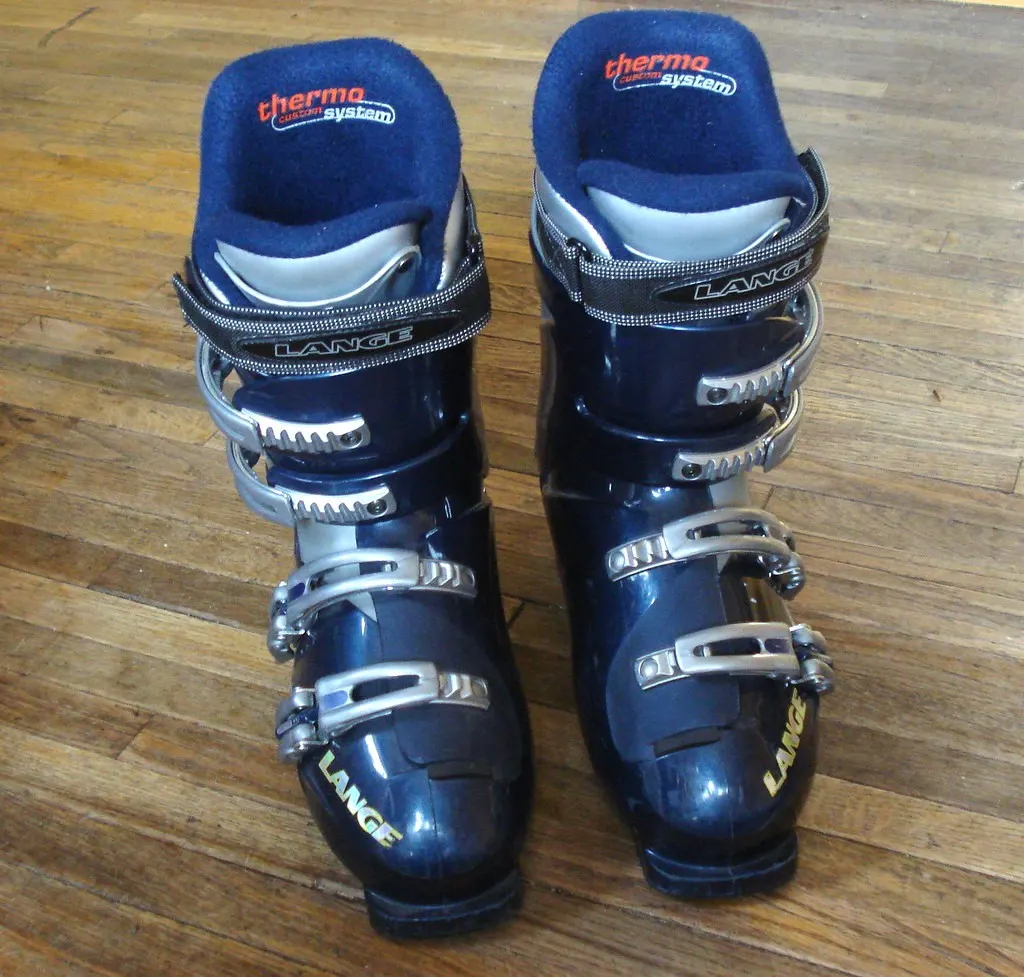
Why Boots Matter Most
Ski boots connect you to your skis. A boot that fits well gives control and comfort; a bad fit causes pain, cold feet and sloppy turns. The four things to get right are size (length), last (width), flex (stiffness) and features like walk mode. If possible, visit a boot fitter.
Step 1: Size (Mondopoint)
Ski boots use mondopoint sizing: your foot length in centimeters. Measure both feet standing, heel against a wall, and use the longer one. See the full ski boot size chart.
Don't Size Up
The most common mistake is buying boots too big because they feel comfortable in the shop. Liners pack down with use, so a roomy boot becomes sloppy. Salomon says around three quarters of skiers buy boots too large. If you're between sizes, fitters often suggest the smaller one.
Step 2: Last Width
| Last | Width (approx.) | Best For |
|---|---|---|
| Narrow / low volume | About 97–98mm | Narrow, low-volume feet; performance |
| Medium | About 100mm | Most feet |
| Wide / high volume | About 102–104mm | Wide feet, comfort |
For example, the Tecnica Mach1 MV uses a 100mm mid-volume last, while the Atomic Hawx Magna 95 W uses a 102mm last for wider feet. Compare wide models in ski boots for wide feet.
Step 3: Flex
| Skier | Men's Flex (approx.) | Women's Flex (approx.) |
|---|---|---|
| Beginner | 60–80 | 50–70 |
| Intermediate | 80–100 | 70–90 |
| Advanced | 100–120 | 90–110 |
| Expert | 120–140 | 110–130 |
Flex isn't standardized across brands. More detail in ski boot flex explained.
Step 4: Features
- Walk mode: frees the cuff for walking and light touring.
- GripWalk soles: rockered rubber soles that are easier to walk in; need compatible bindings.
- BOA closures: a dial for quick, even tightening.
- Heat-moldable liners and shells: can be customized by a fitter.
Boots by Skiing Style
| Style | Typical Boot |
|---|---|
| Resort, learning | Softer flex, roomier last, comfort features |
| All-mountain | Medium to stiff flex, often walk mode |
| Racing and carving | Stiff, narrow, precise |
| Freestyle | Softer, more forgiving flex for landings |
| Ski touring | Light, big walk-mode range, tech inserts for pin bindings |
Sole Standards and Bindings
| Sole | Works With |
|---|---|
| ISO 5355 (alpine) | Standard alpine bindings |
| GripWalk | GripWalk-compatible bindings (many recent models) |
| ISO 9523 (touring) | Touring-compatible bindings |
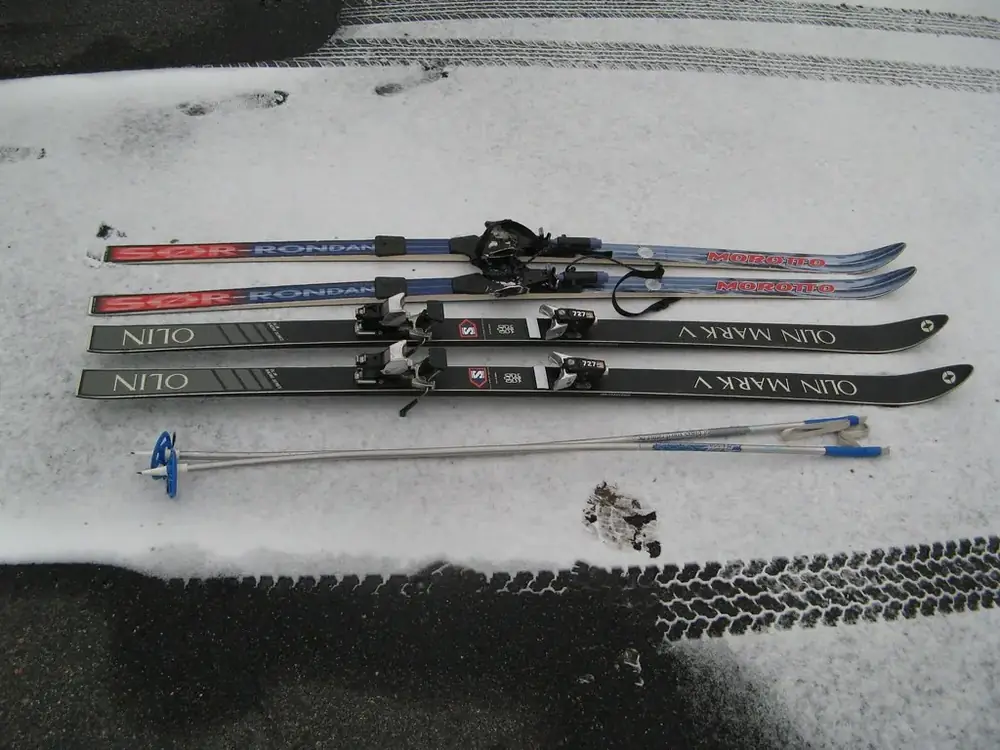
Always check your binding's compatibility list before mixing soles; a ski shop should adjust and test the bindings for your boots.
Women's Boots
Women's ski boots usually have a lower, flared cuff for lower calf muscles and often warmer liners. Choose by fit rather than label; some people fit the other category's shape better. See women's ski boots.
How to Check the Fit
- Wear one pair of thin ski socks.
- Buckle the boot snugly from the bottom up.
- Standing straight, your toes should lightly touch the front.
- Flex forward: your toes should pull back slightly, and your heel should stay down.
- Wear them for 10–15 minutes and check for pressure points.
The Shell Fit Test
Many fitters check size with the liner removed: step into the empty shell and slide your foot forward until your toes touch. A gap of roughly one to two finger widths behind your heel suggests a performance-to-comfort fit; much more usually means the boot is too big.
Customizing the Fit
- Heat-moldable liners can be molded to your foot in a shop.
- Custom or aftermarket footbeds support the arch and improve control.
- Shell work: a fitter can stretch or grind the shell at pressure points.
- Break-in: new boots often feel tight for the first few days on snow as liners pack in. Persistent pain points need a fitter.
Boots to Consider
Tecnica Mach1 MV 120
A widely recommended all-mountain boot with a 100mm mid-volume last, 120 flex and GripWalk soles.
Check Price on AmazonRossignol Alltrack 90
A walk mode boot with a 90 flex for intermediate skiers.
Check Price on AmazonAtomic Hawx Magna 110 S
Atomic's wide-fit boot for skiers with wider feet who still want a supportive 110 flex.
Check Price on AmazonCompare more in best ski boots and women's ski boots. Pair them with ski bindings that match your soles, then choose skis using the ski size chart.
Frequently Asked Questions
How should ski boots fit?
Snug everywhere, with toes lightly touching the front when standing straight and pulling back slightly when you flex forward. No heel lift.
What size ski boot do I need?
Ski boots use mondopoint sizing, which is your foot length in centimeters. Measure your foot and check the brand's chart.
What does last width mean?
The width of the boot at the forefoot in millimeters. Around 98mm is narrow, around 100mm is medium and 102mm or more is wide.
What flex should I get?
Softer flexes suit beginners and lighter skiers; stiffer flexes suit advanced and heavier skiers. See our flex guide.
Should I see a boot fitter?
If you can, yes. A boot fitter can measure your feet, suggest models and adjust the shell and liner.
Should I buy ski boots a size bigger?
No. Liners pack out, so a big boot gets loose. If you're between sizes, fitters often recommend the smaller one.
Do ski boots work with any bindings?
No. Check that your boot sole (alpine ISO 5355, GripWalk or touring) matches the binding's compatibility.