Cross Country Ski Boots for Classic, Skate and Touring (2026)
Nordic boots from Rossignol, Fischer, Alpina and Whitewoods, with a plain-English guide to boot types, binding systems, fit and warmth.
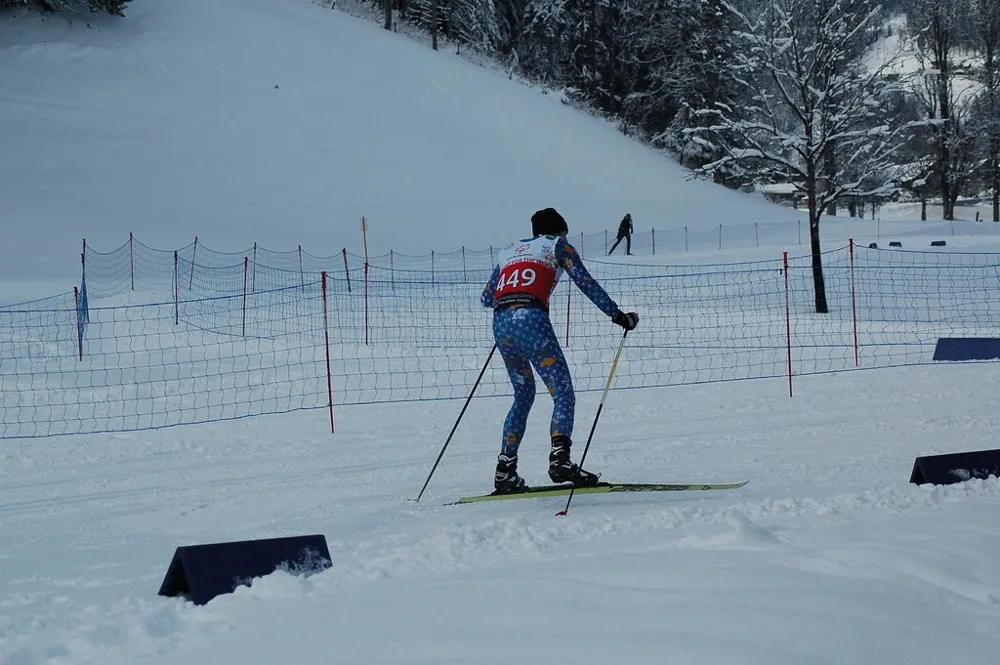
How to Choose Cross-Country Ski Boots
Boots matter as much as skis in cross-country skiing. They connect you to the ski through a single toe bar, control the ski on turns and decide whether your feet stay warm and blister-free. Choose in this order:
- Style: classic, skate, combi, touring or backcountry.
- Binding system: the boot sole must match your binding (NNN, Prolink, Turnamic, SNS, NNN BC, 75mm or Xplore).
- Fit: snug, supportive and warm enough for where you ski.
Most beginners start with a touring or classic boot on an NNN-type sole, which fits the widest range of skis and bindings. Our picks cover groomed-trail touring, classic striding and backcountry.
Rossignol XC-2
Best for beginners
- NNN touring sole
- Tall cuff for stability
- Zip-up lace cover
Fischer XC Pro
Best for classic touring
- NNN and Turnamic compatible
- Shaped internal heel cap
- Lace cover keeps snow out
Alpina Alaska
Best backcountry boot
- NNN BC sole
- Leather and textile upper
- Alpitex waterproofing
Cross-Country Ski Boots Compared
| Boot | Type | Sole / Binding | Ability | Key Features |
|---|---|---|---|---|
| Rossignol XC-2 | Touring / classic | NNN | Beginner–intermediate | Tall cuff, zip-up lace cover |
| Fischer XC Pro | Classic / touring | NNN, Turnamic | Beginner–intermediate | Shaped heel cap, lace cover, men's and women's |
| Alpina Alaska | Backcountry | NNN BC | Intermediate+ | Leather and textile upper, Alpitex waterproofing |
| Rossignol XC-5 | Combi touring | NNN | Intermediate–advanced | Mobile cuff, Speed Lace Lock |
| Alpina T10 | Touring / classic | NNN | Beginner | Thinsulate, speed laces, zip lace cover |
| Whitewoods 302 NNN | Touring | NNN | Beginner | 100g Thinsulate, gaiter D-ring |
| Rossignol BC X5 | Backcountry | NNN BC | Intermediate+ | Hinged cuff, Thinsulate, hook and strap |
| Whitewoods 301 | Backcountry touring | 75mm 3-pin | Beginner+ | Insulated, traditional 3-pin toe |
Specs are from the maker's or a retailer's listing. Brands update and rename models often (Rossignol now sells newer touring boots as the XT 2 and XT 5), so check the sole type and size range on the listing you buy from.
The Best Cross-Country Ski Boots
1. Rossignol XC-2
An entry-level touring boot aimed at skiers finding their stride. Retailer evo lists an NNN binding type and a touring sole with a flexible central insert for comfort plus torsional rigidity for stability, a tall cuff, traditional lacing and a zip-up lace cover to keep snow out, rated beginner to intermediate. A women's version is sold as the XC-2 FW.
Good to Know
- Easy, forgiving touring boot
- Works with NNN, Prolink and Turnamic bindings
Watch Out For
- Too soft for skating
2. Fischer XC Pro
Fischer's classic and touring boot for skiers who want to go further on groomed trails. Retailers list NNN and Turnamic compatibility, an internal anatomically shaped heel cap to hold the heel in place, a full lace cover against snow and wet, and Fischer's odor-control lining. Sold in men's and women's versions.
Good to Know
- Secure heel hold
- Men's and women's fits
Watch Out For
- Classic only; not for skating
3. Alpina Alaska
A traditional backcountry Nordic boot. Alpina lists a medium-flex NNN BC sole, a leather and textile upper, a textile lining and Alpitex technology to keep water out, in EU sizes 36 to 48. It's built for wider touring skis with NNN BC bindings on ungroomed trails, forest roads and rolling terrain.
Good to Know
- Durable leather upper
- Waterproof for deep snow
Watch Out For
- NNN BC only; won't fit standard NNN bindings
- Heavier than track boots
4. Rossignol XC-5
A step up from the XC-2 for skiers who want more support. Retailer evo lists an NNN touring sole, a 3D injected high cuff with a Mobile Cuff for fore-aft freedom with torsional rigidity, a Speed Lace Lock plus a strap, and use for both classic and skate, rated intermediate to advanced. That makes it a combi-style option for touring skiers who want to try skating. A women's version is sold as the XC-5 FW.
Good to Know
- Supportive enough to try skating
- Quick, precise lacing
Watch Out For
- Firmer than pure classic boots
5. Alpina T10
An entry-level Nordic touring boot with an NNN sole, Thinsulate insulation, a speed lacing system and a zippered lace cover. Retailer GearX lists a pair weight of about 1 lb 15 oz in size 6. A women's version is sold as the T10 Eve.
Good to Know
- Warm, simple beginner boot
- Women's version
Watch Out For
- Basic support for faster skiing
6. Whitewoods 302 NNN
A budget touring boot from Whitewoods. Retailers list an NNN sole, a 100g Thinsulate lining with a quick-dry liner, metal lace guides, a removable insole and a D-ring for gaiters. A practical choice for occasional skiers, park trails and families kitting out several people.
Good to Know
- Budget price tier
- Warm insulated lining
Watch Out For
- Less precise than brand-name boots
7. Rossignol BC X5
A supportive backcountry boot for wider skis. Rossignol lists an NNN BC sole, 3M Thinsulate insulation, a hinged external cuff with fore-aft freedom, an external 3D plastic heel reinforcement, and a closure that combines laces, a Speedlace lock, a metal hook and a hook-and-loop strap. Sizes run EU 36 to 48.
Good to Know
- More ankle support for turning off-track
- Warm for cold tours
Watch Out For
- NNN BC bindings only
8. Whitewoods 301 75mm Boots
Insulated touring boots with a traditional 75mm 3-pin "duckbill" toe, for skiers who use 3-pin bindings on wider touring skis.
Check Price on AmazonAlso Worth a Look: Skate, Combi and Race Boots
Performance boots are sold mainly through Nordic specialty shops. Reviewers frequently recommend the Salomon RS8 (a skate boot with a cuff-to-chassis connection, quick lacing, a waterproof zipper and Thinsulate lining), Rossignol's X-series skate boots, the Atomic Pro C3 classic boot (an external 3D heel counter on a Prolink sole that fits NNN and Turnamic bindings) and the Salomon Pro Combi Prolink (a combi boot with a removable cuff). Try them on in person if you can, because race boots fit much closer than touring boots.
Classic, Skate and Combi Boots
| Boot Type | Flex and Cuff | Best For |
|---|---|---|
| Classic | Soft forefoot flex for kick and glide; low cuff; often roomier (Salomon lists widths up to 105mm) | Striding in groomed tracks |
| Skate | Stiff sole that resists twisting; high cuff (plastic on entry models, carbon on high-end) | Skating on groomed lanes |
| Combi | Classic-style forefoot flex with a supportive, sometimes removable cuff | One boot for both styles, skiathlon-style days |
| Touring | Classic-style flex, warmer, more padding and often a lace cover | Relaxed trail skiing and beginners |
| Backcountry | Higher, stiffer, insulated, more durable upper, often with a gaiter hook | Ungroomed trails and wider skis |
A classic boot needs to bend easily at the ball of the foot so you can kick down and push off. A skate boot does the opposite: it holds the ankle and stops the boot twisting so your push goes into the ski. Combi boots split the difference. Salomon notes they don't match dedicated boots for performance or long-distance comfort, but they're a sensible way to learn skating without buying two pairs. Classic and skate technique are covered in our guide to how to cross-country ski.
Binding Compatibility: NNN, Prolink, Turnamic and SNS
This is the most important thing to get right. Every cross-country boot has a toe bar and a sole profile that must match the binding.
| Boot Sole | Fits These Bindings | Notes |
|---|---|---|
| NNN | NNN, NIS, Turnamic, Prolink | One toe bar and two channels; developed by Rottefella |
| Prolink | Prolink, NNN, NIS, Turnamic | Salomon and Atomic; on sale since 2015 |
| Turnamic | Turnamic, NNN, NIS, Prolink | Fischer and Rossignol |
| SNS Profil | SNS Profil only | Older Salomon system, no longer sold at retail |
| SNS Pilot | SNS Pilot only | Two bars (toe and ball of foot); no longer sold at retail |
| NNN BC | NNN BC only | Thicker bar and wider, deeper channels for backcountry |
| 75mm 3-pin | 75mm 3-pin only | Duckbill toe with three holes |
| Xplore (spring pin) | Xplore only | Pins on each side of the toe connect to the binding |
The good news: Salomon says about 90% of current track boots and bindings share a common geometry, so NNN, Prolink and Turnamic boots are interchangeable on groomed-trail skis. The catch is older gear. SNS boots won't fit NNN-type bindings and vice versa, and Salomon warns that putting a Prolink boot in an SNS binding can damage the binding. If you're buying boots for skis you already own, check the binding's toe piece first; our cross-country ski guide covers the skis themselves.
Mounting Plates: NIS, IFP and Prolink Shift
Many skis come with a mounting plate already on the ski, and the plate decides which bindings slide on. Retailer GearX summarizes them this way:
- NIS plates (notched, no numbers) take NIS bindings only.
- IFP plates (numbered, no notches) take Turnamic bindings only.
- Prolink Shift plates take Salomon and Atomic Prolink bindings only.
- Bare skis can take any binding with screws.
Whichever plate you have, the boots that clip into those bindings are the same NNN-type soles, which is why plate choice matters for bindings, not boots.
Touring and Backcountry Boots
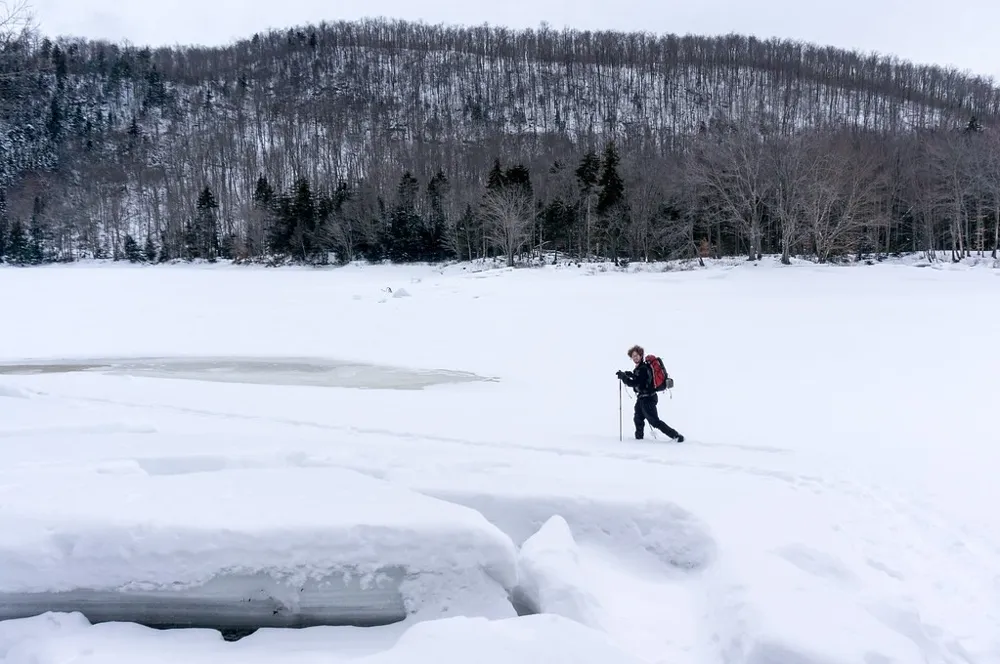
Off the groomed tracks, a soft classic boot can't control a wider ski in deep or crusty snow. Backcountry Nordic boots are taller and stiffer, insulated, made from tougher fabric or leather and often have a hook for gaiters. They pair with NNN BC, 75mm 3-pin or Xplore bindings on wider skis, usually with metal edges.
- NNN BC is the most common system on modern backcountry Nordic boots, such as the Alpina Alaska and Rossignol BC X5.
- 75mm 3-pin is the traditional option, with a duckbill toe held by three pins.
- Xplore is a newer system in which spring pins on each side of the boot toe clip into the binding.
Heavier telemark and alpine touring boots are a different category; see ski mountaineering for that gear. For snowy trails without skis, snowshoes and snowshoeing boots are the alternative.
How Cross-Country Ski Boots Should Fit
- Snug, not tight: your foot should be held firmly with room to wiggle your toes.
- No heel lift: when you flex forward onto your toes, your heel should stay down. Heel lift causes blisters.
- Test the right way: walk around in classic boots and check for pressure at the forefoot as it bends; mimic the skating push in skate boots and feel for hot spots.
- Wear your ski socks: try boots with the socks you'll actually ski in. See our ski socks guide.
- Warning signs: Salomon lists blisters, toe pain, heel lift, cold feet and foot fatigue as signs of a poor fit.
Aftermarket footbeds can improve support and comfort, especially for flat feet or high arches.
Sizing: EU Sizes and Foot Length
Most cross-country boots are sold in EU (European) sizes, often with a mondopoint (foot length in centimeters) or US conversion on the maker's chart. To size them:
- Measure both feet from heel to longest toe, standing, in the evening when feet are largest.
- Use the length of the longer foot and the brand's own chart; conversions vary between brands.
- Start from your normal shoe size, but expect race boots to fit much closer than touring boots in the same size, as Salomon points out.
- If you have wide feet, look for touring models with a roomier last rather than sizing up.
Our ski boot size chart explains mondopoint and size conversions in more detail.
Warmth, Waterproofing and Overboots
Cross-country boots are much lighter and less insulated than alpine boots, because you generate a lot of heat while skiing. Touring and backcountry boots add insulation (Thinsulate is common), lace covers or zips to keep snow out, and sometimes waterproof membranes or treated leather. Race boots are often lightly insulated, so on very cold days skiers add neoprene overboots (boot covers) that slip over the boot. If your feet run cold:
- Choose an insulated touring model with a zip or lace cover.
- Keep laces snug but not tight, since restricted blood flow makes feet colder.
- Use gaiters on deep-snow tours so snow can't melt into the boot.
- Start the day with dry boots and dry socks.
Beginner vs Performance Boots
| Level | What to Expect |
|---|---|
| Beginner / touring | More cushioning, a wider fit and extra warmth; heavier and more forgiving, with less energy transfer |
| Experienced | Lighter, more precise fit (Salomon cites widths around 100–102mm), better heel hold |
| Racing | Ultralight, carbon parts and heat-moldable shells for maximum precision; snug fit |
Most recreational skiers are best served by a touring or mid-level classic boot. If your budget is tight, prioritize a boot that fits well, since fit drives comfort and control on every ski you use.
Women's and Kids' Cross-Country Ski Boots
Many brands make women's versions with a women's-specific fit, such as Rossignol's FW models, Fischer's women's and My Style boots and Alpina's Eve range. Choose them for fit, not label: a woman with wide feet may prefer a unisex boot, and a man with narrow feet may fit a women's model. Kids' NNN boots start at small EU sizes (Whitewoods, for example, sells a junior NNN boot in EU 30–35). Kids outgrow them quickly, so rental, seasonal leasing or hand-me-downs make sense until their feet stop growing. See kids' skis for the rest of a child's setup.
Buying Used Boots and Rentals
Used boots can be a good deal, but check them carefully:
- Sole system: confirm it matches your bindings; older SNS boots are still common on the used market.
- Toe bar: it should be straight, solid and not worn or cracked.
- Sole and heel: look for delamination, cracked plastic and worn heel ridges that no longer sit in the binding's heel plate.
- Liner: packed-out padding or broken heel counters mean less support.
If you're not sure which style you'll enjoy, rent classic and skate gear at a Nordic center first. You'll learn what feels right before you buy.
Caring for Cross-Country Ski Boots
- Knock off snow and dry boots at room temperature after every ski, with the insoles out and the laces loosened.
- Don't put boots on a radiator, stove or very hot boot dryer; high heat can warp soles and damage glue.
- Wipe salt and grime off the sole and toe bar so the binding latches cleanly.
- Treat leather uppers with a suitable wax or proofing product.
- Store boots dry and loosely laced, out of direct sun.
Salomon notes that racers may replace boots every season and committed skiers every second season, while others can keep boots much longer. On higher-end boots, a worn liner can sometimes be replaced before the whole boot.
Frequently Asked Questions
Are all cross country ski boots compatible with all bindings?
No. NNN, Prolink and Turnamic boots work in each other's bindings, but SNS Profil, SNS Pilot, NNN BC, 75mm 3-pin and Xplore each need their own matching bindings. Check the sole before buying boots or used skis.
Can I use classic boots for skate skiing?
You can, but classic boots are soft and low, so they give little support when you push sideways. Salomon says mixing classic and skate boots and bindings gives only about 60% of the performance of the right setup; a combi boot is a better compromise if you want to try both.
How should cross country ski boots fit?
Snug but not tight, with room to wiggle your toes and no heel lift when you flex forward. Try them with the socks you'll ski in, and expect race boots to fit closer than touring boots of the same size.
Should cross country ski boots be a size bigger?
Usually not. Most skiers wear their normal size or the European size that matches their foot length. Going up a size causes heel lift and blisters; if you're between sizes or need warmth, choose a roomier touring model instead.
What is the difference between NNN and NNN BC?
NNN BC (backcountry) uses a thicker toe bar and wider, deeper channels than standard NNN. NNN BC boots only fit NNN BC bindings, and they suit wider touring skis with metal edges.
Do I need different boots for backcountry cross country skiing?
Yes, for ungroomed terrain you'll want higher, stiffer and warmer boots with an NNN BC, 75mm or Xplore sole, matched to a sturdier binding on wider skis.
How long do cross country ski boots last?
Salomon notes racers may replace boots every season and committed skiers every second season, while recreational skiers can go much longer. Replace them when the sole bar is worn, the heel counter is soft or they no longer support your foot.