Best Snowshoes for Winter Hikes of Every Kind (2026)
Five snowshoes from easy trail models to steep backcountry tools, and how to choose size, bindings and traction for your terrain.
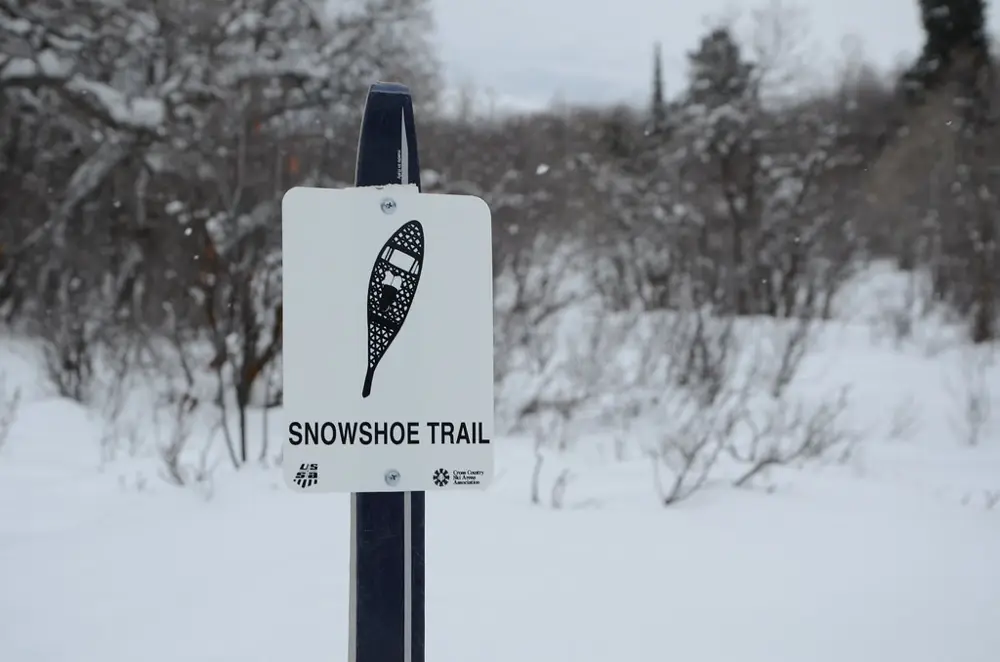
Why Snowshoe?
Snowshoeing is one of the easiest ways to explore winter: if you can walk, you can do it. Snowshoes spread your weight so you float on snow instead of sinking, and their crampons grip icy slopes. The right pair depends on where you'll go (flat trails, rolling hills or steep backcountry), how much you weigh with your pack and how easy you want the bindings to be.
MSR Evo Trail
Best value
- Steel crampons and traction rails
- UniBody injection-molded deck
- Paraglide binding
MSR Lightning Ascent
Best for backcountry
- 360° Traction Frames
- Steel DTX crampons
- Paragon bindings
Tubbs Flex TRK
Best for natural stride
- Torsion deck
- Quick-Fit binding
- Comfort on uneven terrain
Snowshoes Compared
| Snowshoe | Terrain | Traction | Binding |
|---|---|---|---|
| MSR Evo Trail | Trails, rolling hills | Steel crampons, traction rails | Paraglide |
| MSR Lightning Ascent | Steep backcountry | 360° Traction Frames, DTX crampons | Paragon |
| Tubbs Flex TRK | Trails, uneven terrain | Torsion deck traction | Quick-Fit |
| Tubbs Wayfinder | Trails | Check listing | Rotating toe cord |
| Atlas Montane | Mixed terrain | Check listing | Check listing |
The Best Snowshoes
1. MSR Evo Trail
A durable, affordable trail snowshoe with an injection-molded UniBody deck that flexes just enough, steel crampons and traction rails for grip, and a Paraglide stretch-mesh binding that hugs your foot.
Good to Know
- Tough and simple
- Great traction for the price
Watch Out For
- Less float in deep powder without tails
2. MSR Lightning Ascent
MSR's backcountry snowshoe with 360° Traction Frames, steel DTX crampons and Paragon bindings, listed at 4.33 lb. It's built for steep, icy climbs.
Good to Know
- Outstanding grip
- For serious terrain
Watch Out For
- Overkill for flat trails
3. Tubbs Flex TRK
The Flex TRK's Torsion Deck twists with the terrain to improve traction, preserve your natural gait and add comfort on uneven ground, with a Quick-Fit binding.
Check Price on Amazon4. Tubbs Wayfinder
A trail snowshoe with Tubbs' Fit-Step frame, lightweight SoftTec decking and a rotating toe cord.
Check Price on Amazon5. Atlas Montane
A premium Atlas snowshoe designed for flotation and traction on snowy terrain. Check the listing for size and binding details.
Check Price on AmazonChoosing by Terrain
| Terrain | What to Look For |
|---|---|
| Flat and rolling trails | Simple bindings, moderate traction |
| Hills and mountains | Aggressive crampons, heel lifts |
| Deep powder | Larger size or add-on tails for float |
| Running | Small, light, narrow frames |
Getting Started
- Wear warm, waterproof boots; see boots for snowshoeing.
- Use poles for balance; see poles.
- Dress in layers and bring water and snacks.
- In mountain terrain, check the avalanche forecast and carry the right gear and training; see avalanche beacons.
Prefer gliding? See cross-country skis.
Frequently Asked Questions
What size snowshoes do I need?
Size by total load: your weight plus your pack. Bigger snowshoes float better in deep powder; smaller ones are easier to walk in on packed trails. Check the brand's load chart.
Do I need special boots for snowshoeing?
No, but warm, waterproof boots make a big difference. See our guide to boots for snowshoeing.
What are heel lifts for?
Heel lifts (climbing bars) raise your heel on steep climbs to reduce calf fatigue.
Do I need poles for snowshoeing?
Poles help with balance, especially on hills and in deep snow.
Is snowshoeing hard?
If you can walk, you can snowshoe. Walk with a slightly wider stance and start on packed trails.