What to Wear Snowboarding, Head to Toe (2026)
Staying warm and dry is all about layers. Here's exactly what to wear snowboarding, from base layer to helmet.
Dress in Layers
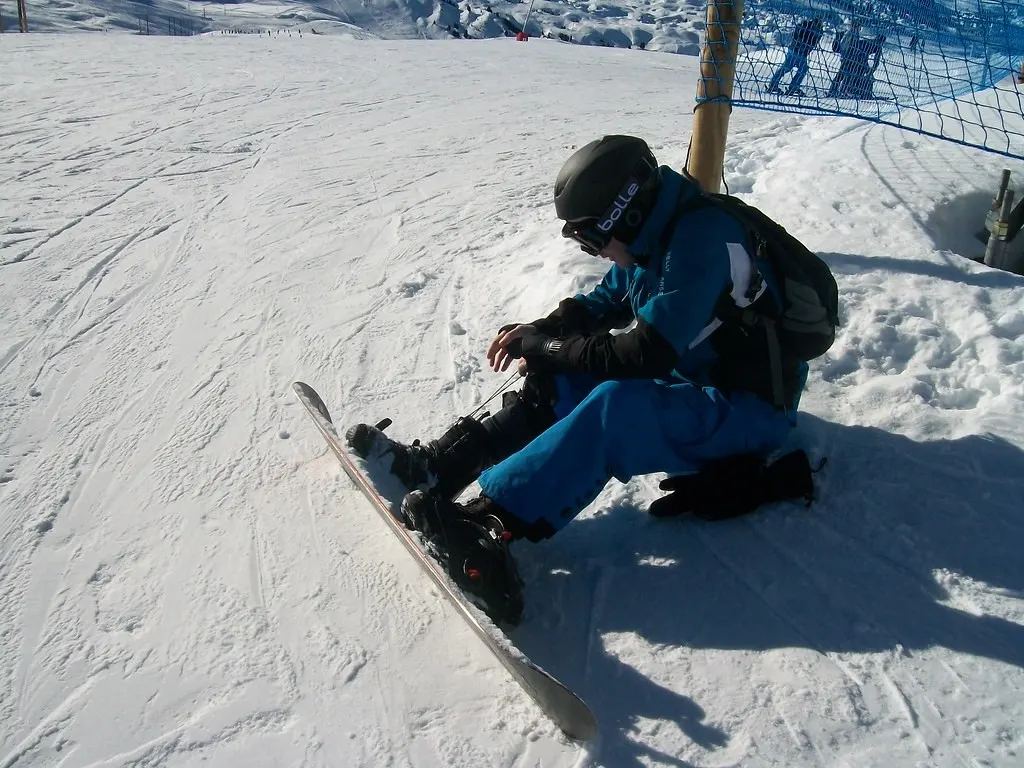
The key to staying warm and dry on the mountain is layering: a base layer to move sweat away, a mid layer for warmth and a waterproof outer layer for snow and wind. You can add or remove layers as the weather changes. Avoid cotton, which stays wet and cold.
What to Wear at a Glance
| Layer | What | Look For |
|---|---|---|
| Base | Thermal top and leggings | Merino wool or synthetic |
| Mid | Fleece or light insulated jacket | Warmth without bulk |
| Outer | Snowboard jacket and pants | Waterproof rating, vents, snow skirt |
| Hands | Gloves or mittens | Waterproof, insulated |
| Feet | One pair of snowboard socks | Merino or synthetic, over the calf |
| Head and face | Helmet, goggles, neck gaiter | Certified helmet, goggle fit |
Base Layer
Merino wool and synthetic base layers wick sweat away and stay warm when damp.
Smartwool Classic Thermal Merino Crew (Women's)
A 100% merino wool base layer with a slim fit and interlock knit.
Check Price on AmazonMid Layer
A fleece or lightweight insulated jacket adds warmth. On warm spring days you may skip it.
Outer Layer
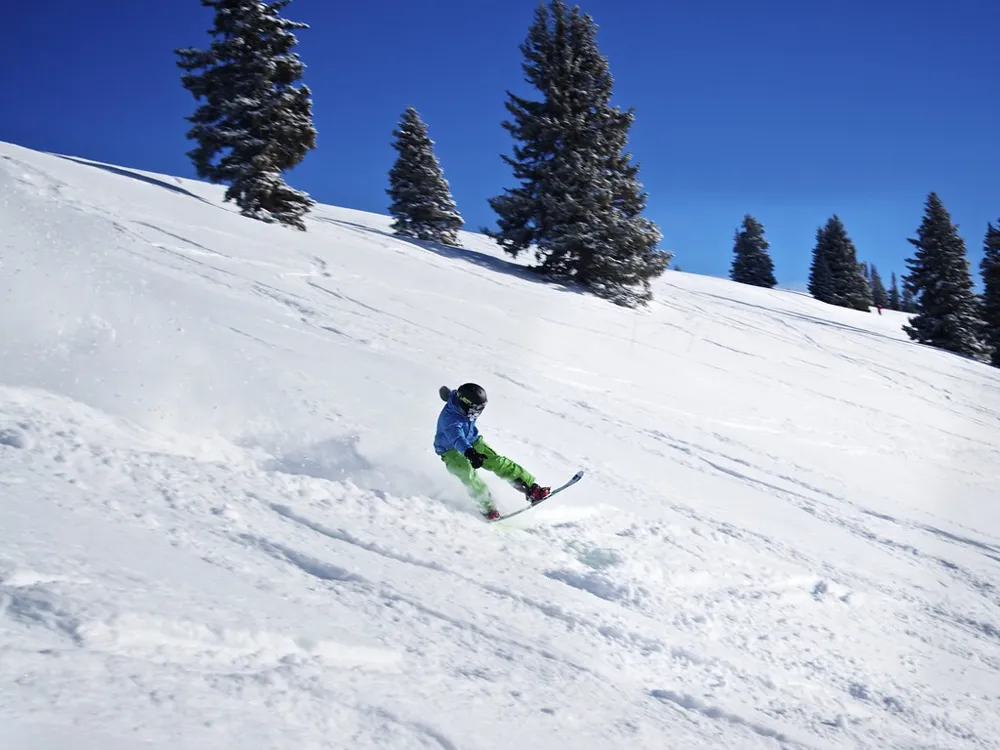
A waterproof, breathable jacket and pants keep out snow and wind. Waterproof ratings like 10K or 20K describe how well the fabric resists water; higher is better in wet snow. Look for pit vents, a powder skirt and plenty of pockets.
Burton Covert 2.0 Jacket (Men's)
One of Burton's most popular jackets, with DryRide fabric rated to 10,000mm and 80g Thermacore insulation.
Check Price on AmazonMore jackets in snowboarding jackets.
Bibs or Pants?
Snowboarders spend a lot of time sitting and kneeling in snow, especially as beginners, so waterproof pants matter. Bibs extend up the torso and keep snow out of your waistband when you fall or sit; regular snow pants are easier to put on. Look for built-in gaiters that seal over your boots and reinforced inner ankles. See snowboard pants.
Jacket Features That Matter
- Powder skirt to keep snow out when you fall.
- Pit vents to dump heat on warm days.
- Helmet-compatible hood for storms.
- Shell vs insulated: shells layer more flexibly; insulated jackets are simpler for cold resort days.
Hands
Mittens are warmer; gloves give more dexterity. Waterproof is a must.
Burton Gore-Tex Insulated Mittens (Men's)
Waterproof Gore-Tex mittens with touchscreen tech and a removable liner.
Check Price on AmazonFeet
Wear one pair of snowboard or ski socks that come above your boots. Two pairs can bunch up and cut circulation.
Head and Face
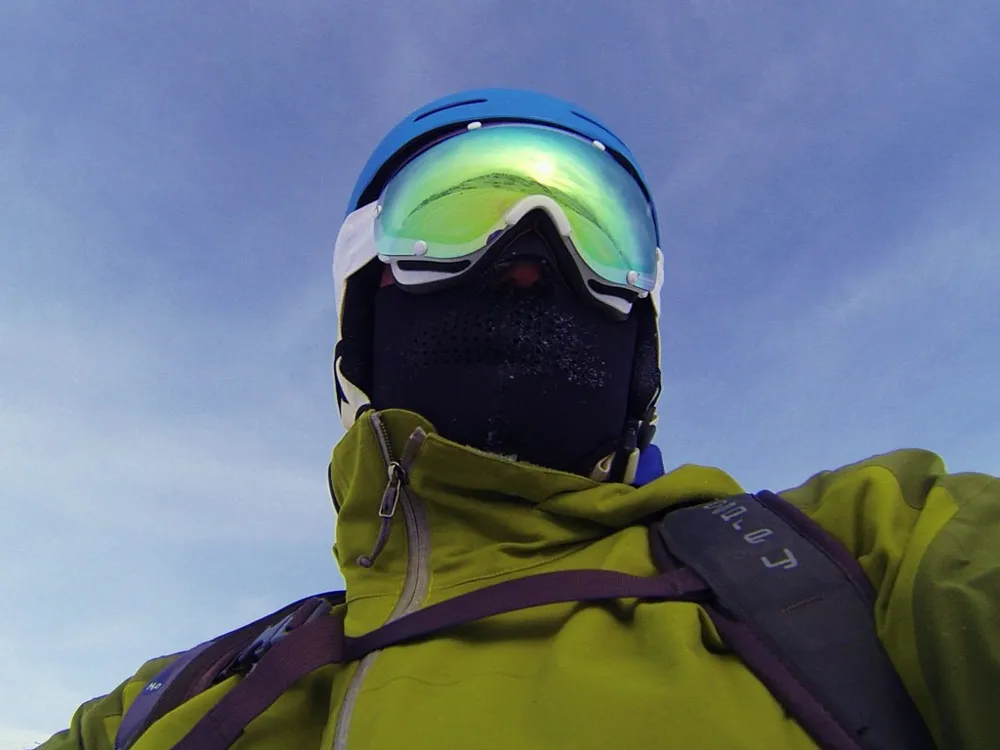
- A certified helmet; see helmets.
- Goggles with the right lens; see goggles.
- A neck gaiter or balaclava for cold, windy days.
Protection for Beginners
Falling is part of learning to snowboard, and beginners often fall onto their hands and backside. Many new riders add:
- Wrist guards worn under gloves; see wrist guards.
- Padded or impact shorts under your pants for tailbone and hip falls.
- Knee pads for time spent kneeling on hard snow.
Goggle Lenses by Light
| Conditions | Lens |
|---|---|
| Bright sun | Dark or mirrored |
| Flat light, clouds, snow | Yellow, gold, rose or copper |
| Changing weather | Interchangeable lenses |
Make sure goggles fit with your helmet without a gap; see snowboard goggles.
Dressing for the Conditions
| Day | Layering |
|---|---|
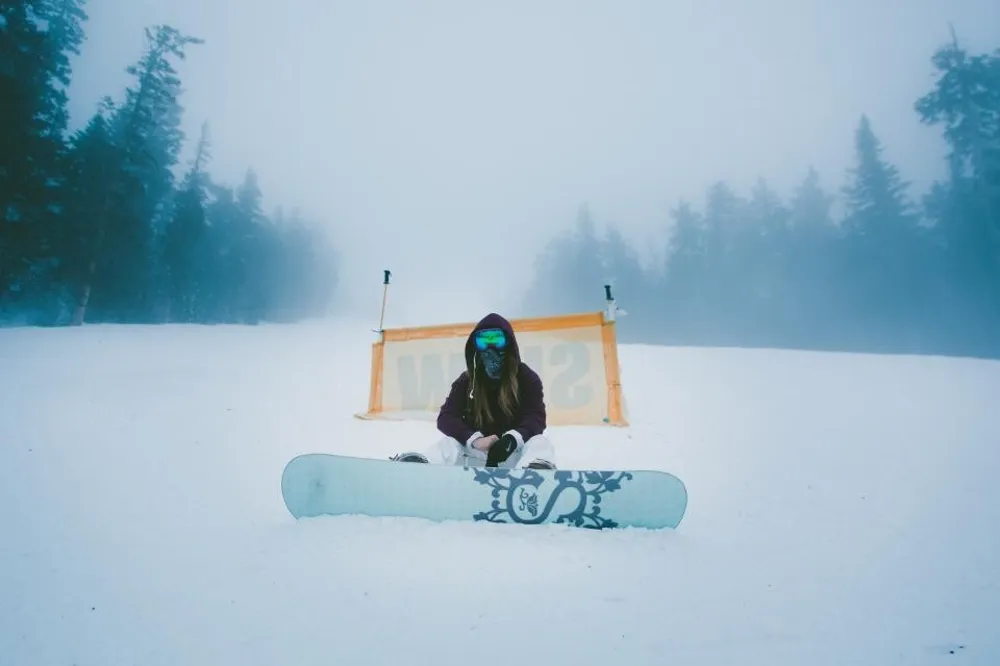
| Very cold midwinter | Base layer, warm mid layer (fleece or down), insulated jacket or shell, mittens, balaclava |
| Typical winter day | Base layer, light fleece, jacket and pants, gloves, neck gaiter |
| Spring | Light base layer, shell, vents open, lighter gloves, sunscreen |
| Wet snow | Higher waterproof rating, spare gloves, synthetic insulation rather than down |
What Not to Wear
- Jeans or cotton hoodies.
- Two pairs of socks.
- Bulky layers that restrict movement.
Don't Forget
- Sunscreen and lip balm; sun is stronger at altitude and snow reflects it, so cover your nose, ears and under your chin.
- Hand warmers on very cold days.
- A small backpack or pockets for snacks and water.
- Spare gloves and a dry layer in your car or locker.
- First time? Renting a helmet, and even jacket and pants, lets you try the sport before buying.
Heading away for a few days? See our ski trip packing list.
New to the sport? See beginner snowboards, boots and snowboard bags.
Frequently Asked Questions
What should I wear snowboarding for the first time?
A base layer, a fleece mid layer, a waterproof jacket and pants, one pair of ski or snowboard socks, waterproof gloves or mittens, a helmet and goggles.
Should I wear jeans snowboarding?
No. Denim gets wet, stays cold and restricts movement.
How many pairs of socks should I wear snowboarding?
One pair of thin to medium ski or snowboard socks. Two pairs can cut circulation and make your feet colder.
Gloves or mittens for snowboarding?
Mittens are warmer; gloves give more dexterity. Many riders choose mittens on cold days.
What does a 10K waterproof rating mean?
It's a measure of how well fabric resists water. Higher numbers, like 20K, are more waterproof, which helps in wet snow.
Do I need wrist guards for snowboarding?
They're a good idea for beginners, who often fall onto their hands. Wear them under your gloves.
Can I wear a rain jacket snowboarding?
On mild days a rain jacket over warm layers can work for a first try, but it usually lacks a powder skirt and insulation.