Buying Used Skis: Inspection Checklist and Safety Tips (2026)
Used skis can be a smart buy if you know where to look, what damage matters and which bindings a shop will still work on.
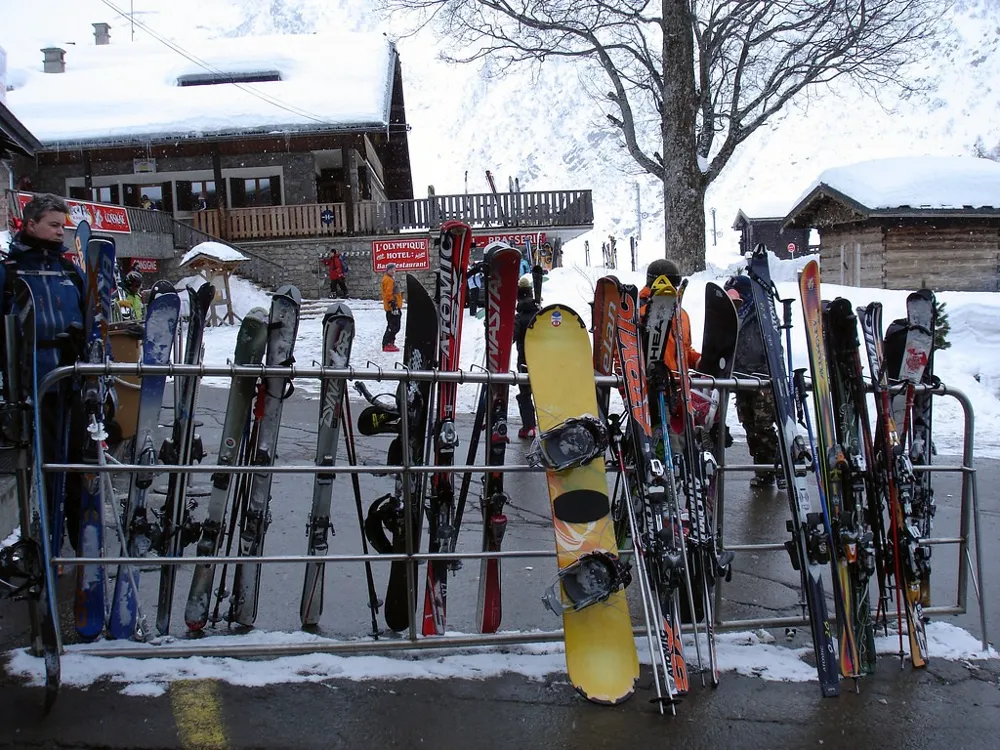
Is Buying Used Skis Worth It?
Used skis can save a lot compared with new gear, and they make the most sense for beginners, growing kids and skiers adding a second pair for powder or the park. The catch is hidden damage and bindings that no shop will touch. A cheap pair that needs a core-shot repair, a new edge or new bindings is no bargain.
This guide covers where to find used skis, when to shop, what to check on the bases, edges and bindings, and whether used boots are worth the risk. For choosing the right type of ski in the first place, start with our best skis guide.
Where to Buy Used Skis
| Source | Upside | Watch Out For |
|---|---|---|
| Ski shops with used or trade-in gear | Gear is usually inspected, and staff can answer questions about age and condition | Less room to negotiate |
| Shop and resort demo sales | Well-maintained, recent skis that are often tuned before sale | Heavier demo bindings; limited sizes late in the sale |
| Ski swaps | Big selection in one place, often with techs on hand | Crowds and fast decisions |
| Consignment stores | Fixed prices and a storefront to return to with questions | Not every store vets bindings |
| Online marketplaces and friends | Widest choice and room to negotiate | No inspection; you carry all the risk |
Skis.com's used-gear guide calls ski shops the most reliable source because shop gear is typically inspected, and says consignment, friends and online marketplaces need a more careful look. Some online retailers also run graded used and demo programs that list condition notes for bases and topsheets.
When to Buy Used Skis
- Fall and early winter: OnTheSnow notes that ski swaps are typically held in the fall or early winter, just as the season starts.
- End of season: Resort rental shops and specialty retailers sell off their demo fleets in spring instead of storing them. Big Bear Mountain Resort, for example, has run an end-of-season sale of its demo rental skis and snowboards in late March.
- Off-season online: OnTheSnow notes that online stores may offer deals in off-season periods when they're eager to move inventory.
Buying in spring gives you all summer to get the skis tuned and the bindings checked. Buying at a fall swap means you can ski them right away, but shops get busy, so book binding work early.
Demo, Rental and Private-Party Skis
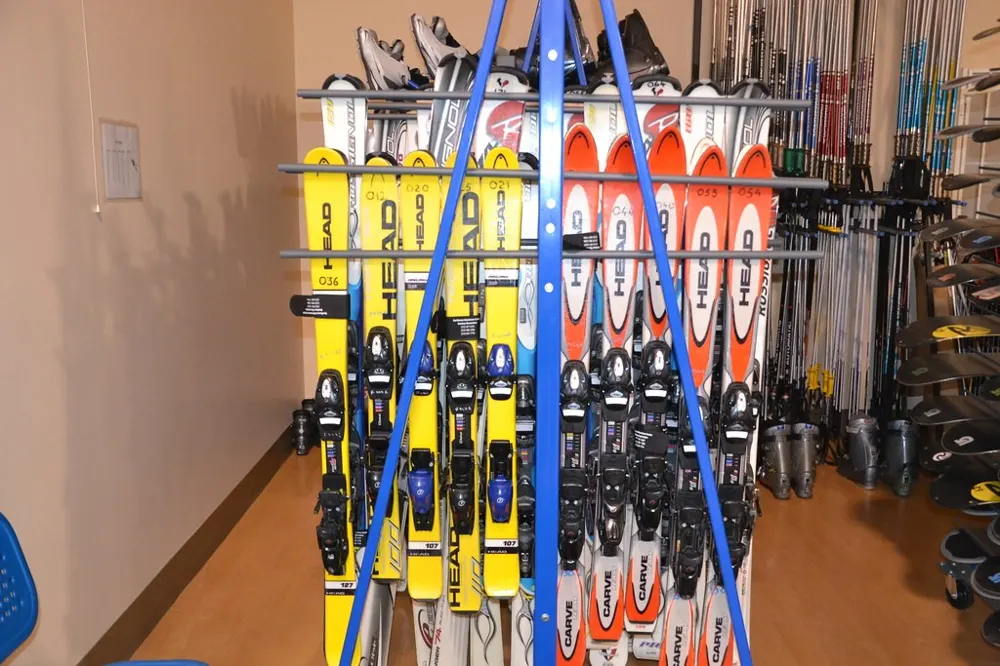
Demo skis are the higher-end skis that shops and resorts rent so customers can try current models. Freeride.com notes they're usually well maintained and often have only 10 to 20 days on them, though that varies by shop. They normally come with demo bindings that slide on a track to fit many boot sizes, which makes setup easy. Freeskier points out that demo bindings are heavier and bulkier than standard bindings, which matters more to strong or touring skiers than to beginners.
Basic rental skis may have been skied by many different people, so inspect edges and bases closely. Private-party skis can be anything from barely used to worn out. Ask how many days they have, where they were skied and how they were stored.
The type of ski matters too. Freeride.com calls park skis the least suitable for buying used because they wear out quickly, and KSL warns that twin tips used on rails can have compressed or cracked edges under the feet that are easy to miss. Race skis start with thin edges and may have little steel left after many sharpenings.
How Old Is Too Old?
There's no official expiry date for skis, but age matters for two reasons: materials wear out, and bindings eventually lose shop support. A service manager at The Gear Fix in Bend, Oregon, told Outside the shop applies a general ten-year limit to skis and boots because gear past that age is more likely to fall apart.
- Date the ski: search the model name and look for a topsheet graphic that matches, since graphics change most seasons. Outside suggests that if you can't date a ski, it's probably too old.
- Look at the shape: straight, narrow skis with little sidecut are decades old and ski very differently from modern shapes.
- Check the bindings separately: they can age out of shop support long before the ski itself is worn out (see the bindings section below).
Used Ski Inspection Checklist
Inspect skis in good light, ideally with a straightedge and your own boots. Small cosmetic wear is normal; structural damage is not.
| Check | Usually Fine | Red Flag |
|---|---|---|
| Base | Light scratches and shallow gouges | Core shots that expose wood or foam, sloppy repairs |
| Edges | Light surface rust, small dings, slight rounding | Cracked, bent, rippled, missing or paper-thin edges |
| Sidewalls | Scuffs | Cracks, bulging or missing material |
| Topsheet | Chips, scratches, stickers | Delamination, bubbling or lifting layers |
| Camber and shape | Both skis match base to base | One ski flatter or bent compared with the other |
| Mount holes | One previous mount, holes plugged | Two or more mounts, or unfilled holes |
| Bindings | Clean plastic, smooth clicking in and out | Cracks, yellowed or chalky plastic, loose screws |
Bases and Core Shots
Scratches are expected and can be filled with P-Tex, as shown in our guide to waxing and tuning skis. A core shot, where the base is gouged through to the core, lets water in and usually needs a shop weld. A dry, white or chalky base just needs wax.
Edges
Run a finger along both edges of each ski, especially underfoot. Freeskier puts it bluntly: metal doesn't grow back, so an edge that's missing, cracked or worn very thin can't be fixed with a tune. Light rust and a dull edge are normal and come off with sharpening.
Sidewalls and Topsheet Delamination
Check both sidewalls for cracks, which suggest impact damage. Topsheet chips are cosmetic, but layers peeling apart (delamination) or bubbling usually mean moisture has reached the core, and Freeride.com advises reconsidering the purchase if you see it.
Camber, Twist and Warp
Put the skis base to base and squeeze them together. WildSnow's used-gear guide says their profiles should match; a mismatch can mean one ski is broken or worn out. Sight down each base from tip to tail and look for any twist or bend, and flex each ski by hand to check it springs back evenly.
Binding Mounting Holes
Ask how many times the skis have been drilled. Skis.com, Freeskier and KSL all cite a rule of thumb of about three mounts, since every set of holes weakens the ski and leaves less room for new screws. Track-mounted demo bindings avoid this problem because they adjust without redrilling.
Used Bindings: Indemnification, DIN and Brakes
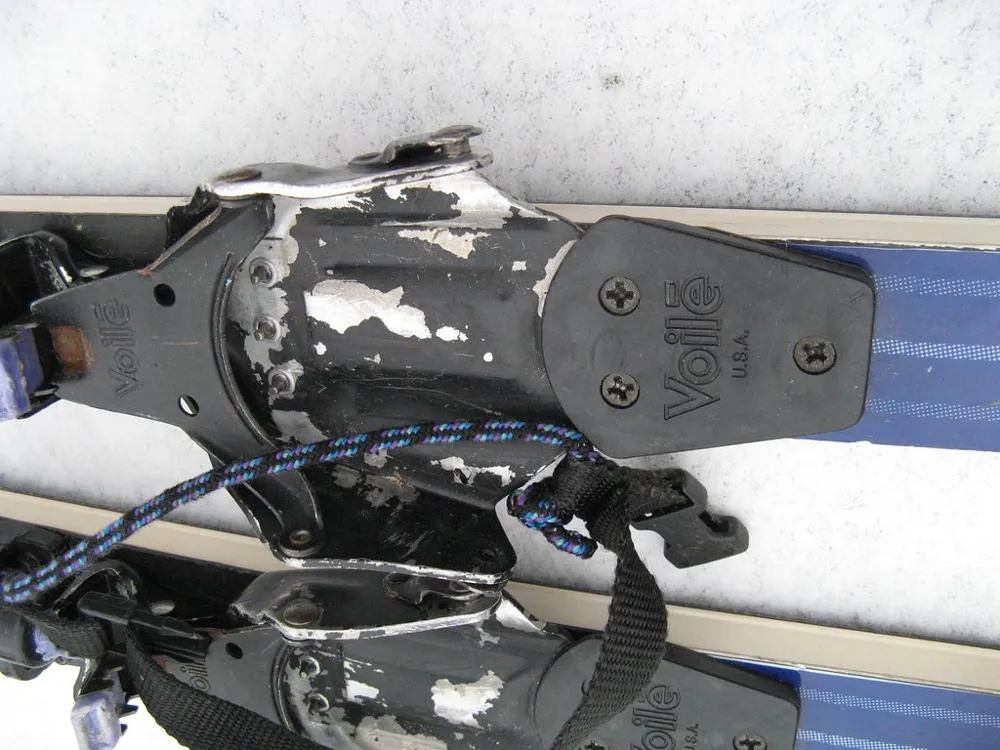
Bindings are the most important safety check on any used ski. Three questions decide whether a pair is usable:
1. Is the Binding Still Indemnified?
Binding makers publish yearly indemnification lists of models certified technicians may mount, adjust and test. Once a model drops off, it's non-indemnified, and skis.com notes that certified shops generally won't work on it. That can leave you buying new bindings.
How long a binding stays on the list varies by maker and model, and sources disagree. Estimates range from about 5 to 6 years (Outside), to about 7 years (Freeskier), to roughly 8 to 12 years (The Pro Ski and Ride). The safe move is to call a local shop with the binding's make and model before you buy.
2. Does the DIN Range Fit You?
Your release value (DIN) is set from your weight, height, age, ability and boot sole length. Your setting should fall inside the binding's range, ideally near the middle. A light junior binding won't suit a heavy adult, and a high-range race binding may not go low enough for a light beginner. See our ski bindings guide for DIN ranges by skier type.
3. Do the Brakes and Boots Match?
- Brake width: brakes should be as wide as the ski's waist or slightly wider. Too narrow and they won't clear the ski; too wide and they can catch in turns. This matters if you're moving bindings to a different ski.
- Boot sole: GripWalk and touring soles need compatible bindings. Look for GW, MNC or similar markings on the toe piece.
- Boot size: a drilled binding only adjusts a limited amount, often about one size either way, so bring your boots and click in before you pay.
Have a Shop Check the Bindings Before You Ski
Even if the bindings look perfect, have a certified technician set them up for you. Setting your own DIN or skiing on the previous owner's setting is a real injury risk. A typical shop check includes:
- A visual inspection and an indemnification check.
- Adjusting the toe and heel to your boot and setting forward pressure.
- Setting the release value from your weight, height, age, skier type and boot sole length.
- A release test with a calibrated machine or tools to confirm the binding lets go within the accepted range.
Bring the boots you'll actually ski in. Have bindings rechecked at the start of each season, and any time you change boots.
Sizing Used Skis for You
A great deal on the wrong length is still the wrong ski. Know your target length and waist width before you shop, and don't stretch your range just because a pair is cheap. Use our ski size chart to find your length by height and ability, then check the model's waist width and rocker against the type of skiing you do.
For kids, used skis pair well with seasonal leases and shop trade-in programs; see the rent, buy or lease options in our kids' skis guide. Hand-me-downs always need the bindings readjusted for the new child.
Should You Buy Used Ski Boots?
Boots are the riskiest used purchase. A liner molds and packs out to its previous owner's foot, and the fit that matters most can't be judged from a listing. Manufacturer estimates quoted by Ski Mag put boot life at about 200 skier days, and skis.com cites about 150, with liners often wearing out sooner.
If you still want used boots:
- Know your size first. Get measured in mondopoint and check width and flex with our ski boot buying guide and ski boot size chart.
- Do a shell fit. Pull the liner and check the space behind your heel.
- Check the shell. Ski Mag says cracks can't be repaired, and dull, yellowed or cloudy plastic is a sign of age.
- Check the soles. Worn, rounded toes and heels may not hold or release properly in a binding, which the Bend Bulletin calls a safety issue.
- Check the liner and buckles. Worn-through heel pockets mean a packed-out liner. Broken buckles can often be replaced.
Many skiers buy used skis and new boots fitted by a boot fitter. If budget allows, that's the safer split. Also buy helmets new: skis.com notes the foam can be compromised by one hard impact without visible damage.
Avoiding Scams and Bad Deals
- Inspect in person whenever you can, and meet in a public place.
- Pay safely. The FTC says paying by credit card gives the most protection, and to walk away from any seller who insists on gift cards, wire transfers or similar hard-to-reverse payments.
- Get real photos of the bases, edges, sidewalls and the binding model if you're buying remotely. Ask for the model year and the length printed on the ski.
- Be wary of pressure. Refusing inspection, rushing the sale or a deal far below similar listings are warning signs.
- Agree on shipping in writing before paying for skis that need to be sent.
Negotiating a Fair Deal
Instead of a fixed number, base your offer on the facts:
- Compare listings for the same model and model year in similar condition.
- Subtract what it needs: a full tune, base repair, a binding check or new bindings if they're non-indemnified.
- Use wear points calmly. WildSnow notes that a worn liner can be a negotiating point, and the same goes for heavy edge wear or extra mount holes.
- Check what's included. Skis without bindings or poles need more spending to get on snow.
After You Buy
Get the bindings set and release-tested, then give the skis a fresh tune and hot wax before your first day. KSL notes that a good ski with a bad tune can feel wrong until the edges are cleaned up. Our waxing and tuning guide walks through it, and the ski poles guide covers sizing if you need a pair to finish the setup.
Frequently Asked Questions
Is it worth buying used skis?
Often, yes, especially for beginners, kids and a second pair in your quiver. The savings disappear if the skis need major repairs or the bindings can't be serviced, so inspect carefully and confirm the bindings with a shop first.
How old is too old for used skis?
There's no official cutoff. One Bend, Oregon, shop quoted by Outside uses a general ten-year limit for skis and boots, and shops may refuse to work on bindings well before that if they've dropped off the manufacturer's indemnification list.
What does non-indemnified mean on ski bindings?
It means the binding model is no longer on the manufacturer's approved list, so certified shops generally won't mount, adjust or release-test it. Call a shop with the binding's make and model before you buy.
How many times can skis be remounted?
A commonly cited rule is about three mounts, because every set of holes weakens the ski and limits where new screws can go. Ask the seller how many times the skis have been drilled.
Should I buy used ski boots?
Be cautious. Liners pack out to the previous owner's foot, shells age and soles wear, and manufacturer estimates put boot life at roughly 150 to 200 skier days. If you do buy used, shell-fit them and have a boot fitter and binding technician look at them.
Can I adjust used bindings myself?
It isn't recommended. Have a certified technician set the release value for your weight, height, age, ability and boot sole length, then release-test the binding with your boots.
What used ski gear should I always buy new?
Helmets. Foam can be compromised by a single hard impact without visible damage, so a used helmet's history is impossible to verify.