Snowblades, Skiboards and Ski Skates: Are Short Skis for You? (2026)
Short skis turn fast, fit in a backpack and make the whole mountain feel like a skatepark. Here's how ski blades and ski skates differ from regular skis, and when they make sense.
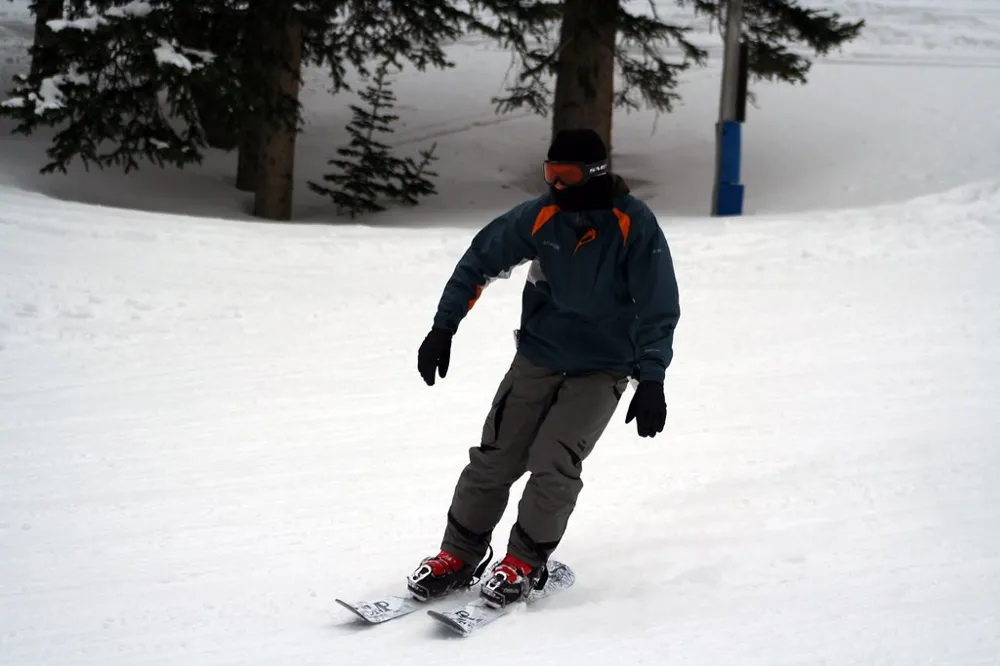
What Are Ski Blades and Ski Skates?
Ski blades are very short alpine skis, usually about 75 to 135 cm long, used in pairs without poles. You'll see the same thing sold as snowblades, skiblades, skiboards or simply short skis. "Snowblades" began as a Salomon product name, and "skiboards" is the word the freestyle scene used in the late 1990s, but today all four terms describe much the same gear.
Ski skates are shorter still: plastic-and-fiberglass mini skis around 40 to 65 cm long that strap onto the boots you already wear. Snowfeet, a Czech brand, is the best-known maker and uses the name "Skiskates". If you've searched for "boots that are skis", this is usually what you're after. Nothing turns a boot into a ski; a ski skate is a short ski that straps underneath it.
Both sit at the playful end of the types of skiing. They are not a different sport; you still ride downhill on two edges, just with far less ski in front of and behind your feet.
Ski Blades vs Ski Skates vs Regular Skis
| Ski Skates | Ski Blades / Skiboards | Regular Alpine Skis | |
|---|---|---|---|
| Typical length | About 40–65 cm | About 75–135 cm | Roughly chin to above head height (see our ski size chart) |
| Boots | Winter, hiking or snowboard boots | Ski boots or snowboard boots, depending on binding | Ski boots |
| Bindings | Adjustable straps; no release | Release ski bindings, fixed non-release plates or snowboard straps | Release (DIN) bindings with brakes |
| Poles | Usually none | Usually none | Usually yes |
| Best terrain | Gentle to moderate groomers | Groomers, moguls, trees, terrain park | Everything, including powder and high speed |
| Weak spots | Deep snow, steeps, speed | Powder, high speed, ice | Bulk, weight, slower to swing in tight spots |
| Packability | Fits in a backpack | Fits in a duffel or short bag | Needs a full-length ski bag |
A Short History of Short Skis
Short skis are older than most people think, but the modern wave started in Austria and France.
| When | What Happened |
|---|---|
| Around 1990–91 | Kneissl, an Austrian ski maker founded in 1861, launches the Big Foot, a very short ski with a foot-shaped tip and a quick-adjust binding. Sources give 1990 or 1991. |
| By 1995 | Line, founded in Albany, New York, by Jason Levinthal, builds very short, wide twin-tips and calls them skiboards. |
| 1998 | Salomon introduces the Snowblade. Skiboard slopestyle appears at the Winter X Games. |
| 1998–99 season | US skiboard sales peak; around 25 brands make them, according to The Ski Journal. |
| 2000–2001 | Skiboarding leaves the X Games after about three years. Mid-width twin-tip skis such as the Salomon 1080 take over the park. |
| 2010s–2020s | Specialist brands such as Summit and Snowjam keep skiboards alive, and Snowfeet popularizes strap-on ski skates for ordinary boots. |
Why did the boom fade? Riders found skiboards twitchy at speed, prone to sinking in powder and unforgiving on backseat landings, and full-length twin-tips solved those problems while keeping the tricks. For the bigger picture, see our history of skiing.
How Short Skis Ride Compared With Regular Skis
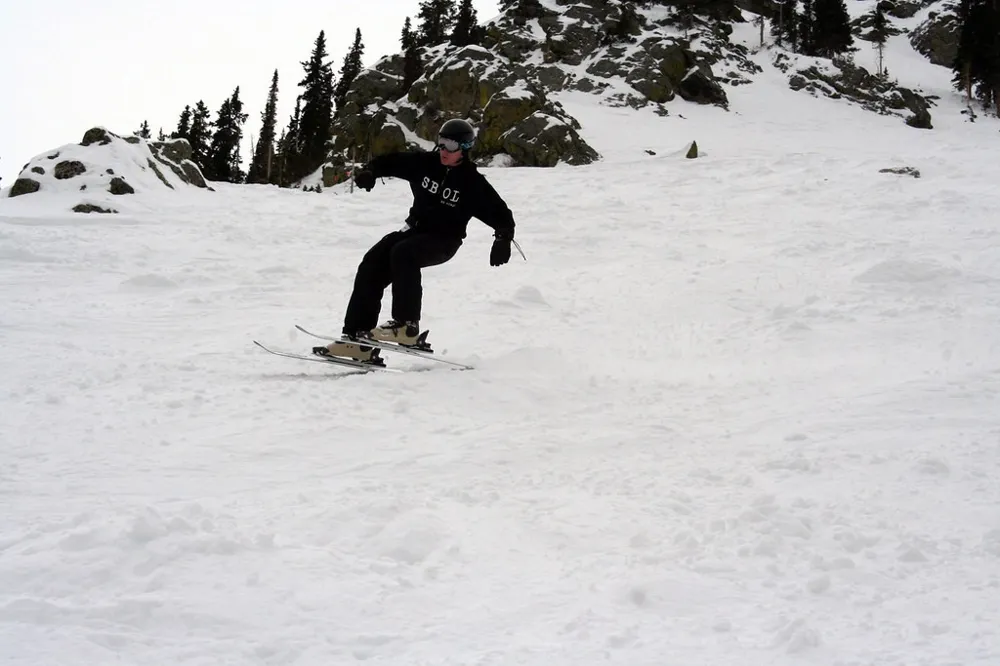
Take most of the length away and a ski behaves very differently.
- Turning is almost instant. With so little ski to swing, you can pivot, skid or carve tight turns with small movements. That's why short skis feel at home in moguls, glades and narrow trails.
- Fore-aft balance is tight. A long ski catches you if you lean back; a short one doesn't. Stay centered, with shins pressed lightly into the boot tongue, or the skis shoot out from under you.
- Stability at speed drops. Short skis chatter and wander at higher speeds and on hard, icy snow, where a longer edge holds better.
- Powder is hard work. Less surface area means less float, so short skis sink. Our guide to skiing powder explains why length and width matter there.
- Skating moves carry over. The motion is close to ice skating or inline skating, so riders who already skate often feel at home quickly.
Ski skates exaggerate all of this. At around half a metre long they feel more like skates than skis, and they are best at moderate speeds on groomed snow.
Release vs Non-Release Bindings
This is the most important choice you make with short skis, because it decides what happens to your legs in a bad fall.
Release Ski Bindings
Many skiboards can take standard alpine bindings, often on a mounting plate, with the same toe and heel release as full-length skis. Summit, for example, sells 99 cm boards with pre-mounted Atomic release bindings. These need a correct release setting (DIN) for your weight, height, age, ability and boot sole length, set and tested by a qualified technician. Our ski bindings guide covers how release bindings work and our DIN chart explainer covers the setting itself. Not every shop will adjust bindings on skiboards, so ask before you go.
Non-Release (Fixed) Bindings
Many skiboards, including the original Salomon Snowblades, use fixed plates that clamp a ski boot and never let go. Makers argue that a short ski gives less leverage on the leg than a long one. That may be true, but there's no independent standard behind it, and a fixed binding will not release in a twisting fall. Wear a leash, keep speeds sensible and avoid big jumps on fixed bindings. This is general information, not medical advice.
Snowboard-Style and Strap Bindings
Some ski blades come with snowboard strap bindings so you can ride in soft snowboard boots, and ski skates use adjustable straps over winter or snowboard boots. Neither releases, so the same caution applies.
| Binding Type | Boots | Releases in a Fall? | Runaway Protection |
|---|---|---|---|
| Release ski binding | Alpine ski boots | Yes, when set correctly | Brakes, sometimes plus a leash |
| Fixed non-release plate | Alpine ski boots | No | Leash |
| Snowboard straps | Snowboard boots | No | Leash |
| Ski-skate straps | Winter, hiking or snowboard boots | No | Leash or strap recommended |
Which Boots Work With Ski Blades and Ski Skates?
- Alpine ski boots go with release or fixed ski bindings. Fit matters as much as on full skis, so see how to choose ski boots. Check that the binding matches your boot sole (standard alpine or GripWalk).
- Snowboard boots fit ski blades with snowboard-style bindings and most ski skates. They are softer and more comfortable, but give less edge power than a ski boot.
- Winter or hiking boots work with strap-on ski skates. Snowfeet says its 50 cm Skiskates fit winter or hiking boots, ideally with good ankle support, or snowboard boots, but not ski boots, in roughly US sizes 6–13 (EU 38–47).
Stiffer, higher boots give more control. A soft, low winter boot makes ski skates harder to steer and puts more strain on your ankles.
Are Ski Blades Allowed at Ski Resorts?
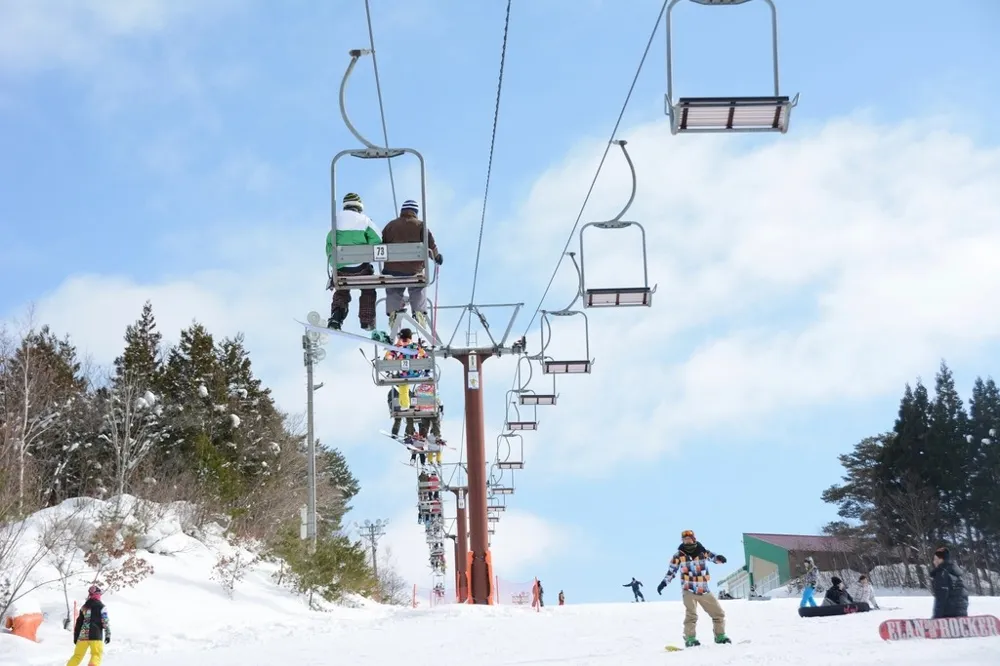
Usually, yes, but rules vary and change, so check the resort before you go (last checked November 2026).
- Metal edges. Resorts that publish snow-sliding-device rules generally expect metal edges. Vail Resorts' published policy, for example, lists snowblades alongside skis and snowboards as allowed devices, requires metal edges on "integrated ski boots" and bans plastic snowboards without metal edges as toys.
- Runaway protection. The same policy requires snowblades to have a device that stops runaway equipment, such as brakes or a leash. Fixed and strap bindings have no brakes, so bring a leash.
- Ski skates. Snowfeet says most resorts allow its ski skates and similar short skis, with exceptions. If a resort's list doesn't mention them, call guest services.
- Lessons. Most ski schools teach on standard skis, so ask before booking if you want a lesson on short skis.
Cheap plastic toy skis without steel edges are a different product; under policies like Vail's, edgeless sliders are not allowed on the mountain.
What Length Ski Blades Do You Need?
Sizing short skis is about how much stability you want, not about matching your height the way full-length skis do. Skiboards.com, a US skiboard retailer, publishes these minimum lengths by height:
| Rider Height | Suggested Minimum Length |
|---|---|
| 5'0" | 75 cm |
| 5'3" | 79 cm |
| 5'5" | 80 cm |
| 5'9" | 86 cm |
| 6'0" | 90 cm |
| 6'5" | 99 cm |
- Go shorter (about 75–90 cm) for easy turning, moguls, park play and lighter or newer riders.
- Go longer (about 99–125 cm and up) for more speed, deeper carves, more landing surface on jumps and heavier or advanced riders.
- Go wider if you want a bit more float in soft snow. Short skis will never match a powder ski there.
- Ski skates come in fixed lengths; the main choice is boot fit and the kids' versus adult version.
Who Short Skis Suit, and Who Should Skip Them
| Good Fit | Poor Fit |
|---|---|
| Ice and inline skaters moving to snow | Powder hunters |
| Park riders who want quick spins and switch riding | Fast, big-mountain skiers |
| Snowboarders who want to try two planks in their own boots | Racers and carvers who want long, stable arcs |
| Skiers who want a fun change on groomers, bumps and trees | Anyone who wants formal lessons |
| Travelers who want gear that fits in a backpack or duffel | Riders who often ski icy, steep slopes |
If you're torn between short skis and a snowboard as your main sport, our skiing vs snowboarding comparison helps. Families can find full-length options in our guide to kids' skis.
Terrain and Tricks on Short Skis
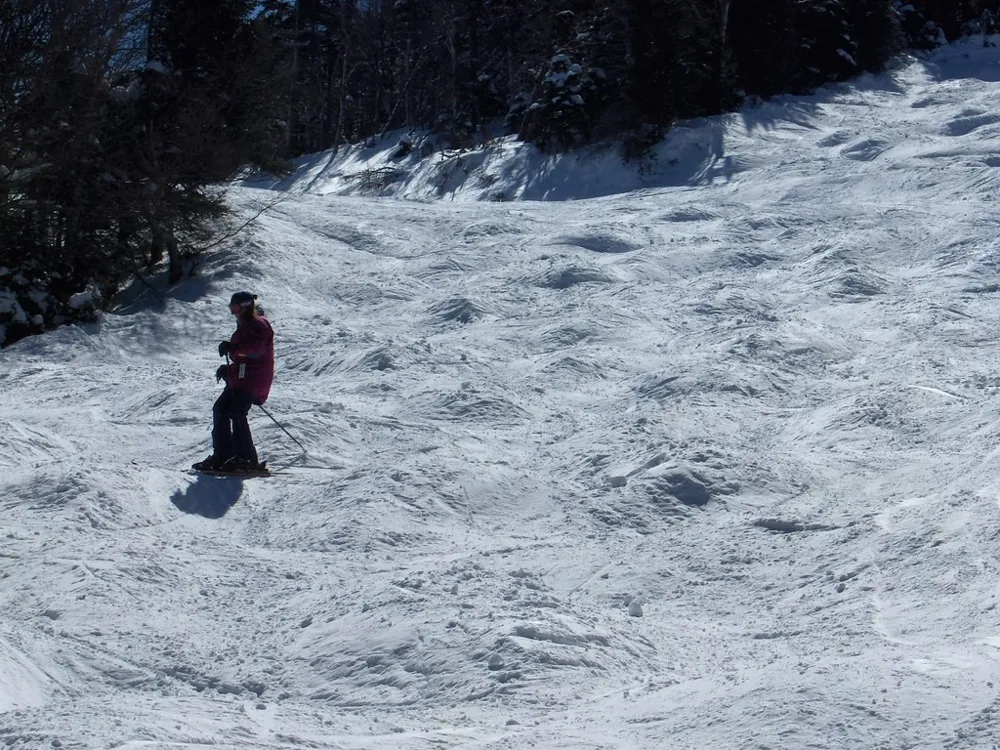
Short skis shine wherever quick feet matter:
- Groomers: short, slalom-style turns, skating moves and backward riding on twin tips.
- Moguls and trees: tight pivots and quick direction changes.
- Terrain park: spins, butters (pressing the tips or tails), small jumps, boxes and rails. Start with the moves in ski tricks for beginners, and read up on freestyle rules in our freestyle skiing guide.
- Ski skates: 180s, ground spins and skating-style turns on gentle, groomed runs.
Keep jumps small on non-release bindings and land centered. A backseat landing on a short ski has almost no tail to save you.
Short Ski Models to Know
These are examples of each main style, not tested picks. Lineups change each season, so check the maker's site for current lengths and binding options.
1. Summit Carbon Pro 99 Skiboards
A 99 cm skiboard from Summit Skiboards, listed on Amazon with pre-mounted Atomic M10 adjustable release bindings for alpine ski boots. A good fit for skiers who want short-ski handling with the safety of release bindings. Have a technician set and test the release value.
Good to Know
- 99 cm length suits a wide range of adult heights
- Release bindings, not a fixed plate
- Works with your existing ski boots
Watch Out For
- Needs a binding check by a shop
- Still limited in deep powder and at high speed
Listed as unavailable on Amazon when we checked (November 2026); check skiboard specialty shops.
2. Snowfeet Skiskates and Skiblades
Snowfeet's range runs from roughly 40–50 cm Skiskates that strap onto winter, hiking or snowboard boots up to longer Skiblades and short skis of about 65 to 120 cm, some with snowboard-style bindings. The maker says the 50 cm model has metal edges and fits roughly US sizes 6–13, and it recommends groomed snow over steep slopes and deep powder. Snowfeet sells mainly through its own store.
Good to Know
- No ski boots needed for the Skiskates
- Small enough to carry in a backpack
- Kids' version for smaller boots
Watch Out For
- Bindings don't release
- Best at moderate speeds on groomers
3. Snowjam 90 Skiboards
Snowjam's 90 cm skiboards are sold by US specialist retailers in several binding versions: fixed non-release ski-boot bindings, Atomic release bindings, or Technine snowboard bindings. That choice makes them a useful example of how one board can suit very different setups.
Good to Know
- Short length suits newer and lighter riders
- Choice of ski or snowboard boot bindings
Watch Out For
- Check which binding version you're buying
- Limited stability at speed
Secondhand Salomon Snowblades still turn up, usually 90 or 99 cm with non-release bindings. Check the edges, base and binding plate carefully, and see our tips on buying used skis.
Pros and Cons of Short Skis
| Pros | Cons |
|---|---|
| Very quick, easy turning | Twitchy and less stable at speed |
| Fun in bumps, trees and the park | Sink in powder and soft, deep snow |
| No poles to carry | Little fore-aft support; backseat falls come fast |
| Light and easy to pack and carry | Many bindings don't release |
| Ski skates work with ordinary boots | Resort rules and shop support vary |
Gear, Care and Safety Checklist
- Helmet: as important on short skis as on long ones. See our ski and snowboard helmet guide.
- Leash: essential with any binding that has no brakes.
- Wrist guards and impact shorts: worth considering for park riding and backward falls.
- Edges and base: short skis need the same edge tuning and waxing as full skis; our ski waxing and tuning guide walks through it.
- Bindings: have release bindings checked at the start of every season and after any hard crash.
- Clothing: dress as you would for skiing; see what to wear skiing.
Ready for full-length gear? Our guide to the best skis and the main skiing hub are good next stops.
Frequently Asked Questions
Are ski blades easier than regular skis?
For many people the first day is easier, because short skis turn with little effort and are hard to cross. They are less stable at speed and give little fore-and-aft support, so you need to stay centered over your feet.
Can you use snowboard boots with ski blades?
Yes, if the ski blades come with snowboard-style strap bindings. Models with alpine ski bindings need ski boots, and most strap-on ski skates are made for winter, hiking or snowboard boots rather than ski boots.
Do you need poles for ski blades or ski skates?
No. Most riders on short skis go without poles, which frees the hands for balance and grabs. Poles are optional if you like them for flat traverses or lift lines.
Are snowblades allowed at ski resorts?
Most resorts allow short skis with metal edges and a way to stop runaway equipment, such as brakes or a leash. Policies differ, so check the resort's own uphill and snow-sliding-device rules before you go.
Do skiboard bindings release in a fall?
Only if they are release (DIN) ski bindings set by a technician. Fixed, non-release bindings and strap bindings stay attached in a fall, so wear a leash and accept that they will not release your boot.
What length ski blades should I get?
Most skiboards run from about 75 to 135 cm. Lighter or newer riders usually start shorter, around 75 to 99 cm, and taller, heavier or faster riders go longer for stability.
Can you ride ski skates in powder?
Not well. Very short skis sink in deep snow, and Snowfeet advises keeping its ski skates to groomed snow and soft snow no deeper than about 10 cm (4 in).