Bodyboarding vs Surfing: Gear, Waves and Learning Curve (2026)
Bodyboarders ride lying down with fins; surfers stand up on a longer board. Here's how the two compare, which is easier to start and how to switch between them.
The Short Answer
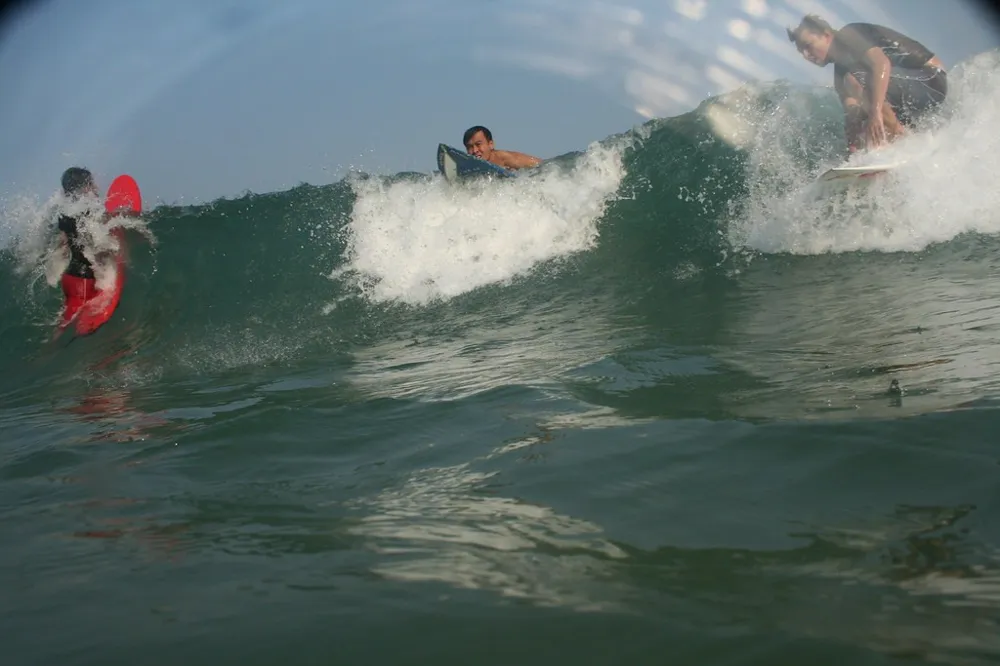
Bodyboarding means riding a short, soft foam board lying on your chest, kicking with short swim fins. Surfing means paddling a longer board, popping up and riding the wave on your feet. Bodyboarding is usually quicker to learn, cheaper and easier to travel with, and it is at its best in steep, hollow and shallow waves. Surfing has a steeper learning curve but works in a wider range of waves, including soft, small days, and offers the long carving rides and style that draw most people to it. Many riders do both.
Bodyboarding vs Surfing at a Glance
| Bodyboarding | Surfing | |
|---|---|---|
| Riding position | Prone (lying down); also drop-knee and stand-up styles | Standing |
| Board | Soft foam, roughly 33–46" depending on rider size | Beginners: soft-top around 7–9 ft; shorter, harder boards later |
| Propulsion | Arms plus short bodyboard fins | Arm paddling only |
| Leash | Wrist or upper arm | Ankle (or calf on longboards) |
| First waves | Often on day one in whitewater | Standing on whitewater in the first day or two for many; green waves take weeks to months |
| Best waves | Steep, hollow, shallow; shorebreak and slab reef | Wide range, from small and soft (longboards) to powerful (shortboards) |
| Getting under waves | Duck dive with the whole board | Duck dive (shortboards) or turtle roll (longboards) |
| Typical tricks | Spins, el rollo, ARS, inverts | Turns, cutbacks, floaters, airs, nose riding |
| Travel and storage | Fits in a small bag or the back seat | Needs a board bag and often a roof rack |
| Starting cost | Usually lower | Usually higher (board, leash, wax, often a wetsuit) |
Board sizes and learning times vary by rider, board and conditions; treat these as typical ranges.
Learning Curve: Which Is Easier?
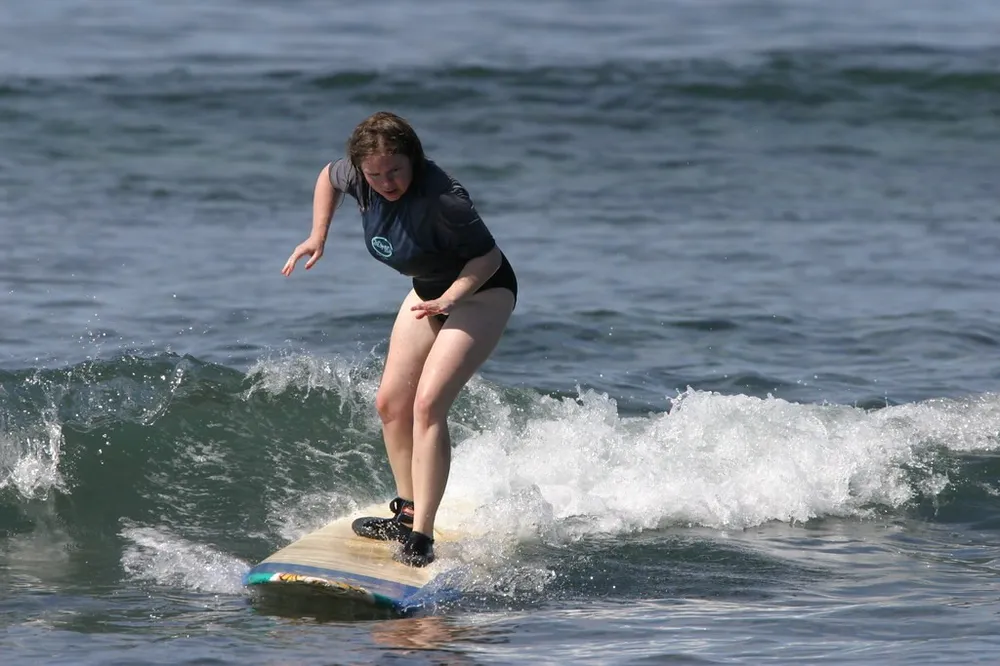
Bodyboarding is the easier start for most people. You never have to stand, so the hardest beginner skill in surfing, the pop-up, simply isn't there. Lie on the board, kick toward the beach as a broken wave arrives and you're riding. Our how to bodyboard guide walks through those first sessions.
Surfing asks more at the start: paddling a big board, timing the take-off, popping up and balancing on a moving wave. Many beginners stand up on whitewater in their first day or two, especially in a lesson on a soft-top, but catching green waves and turning consistently usually takes weeks to months of regular sessions. See how to surf for the full progression.
The gap narrows as you improve. Riding a steep wave on a bodyboard, holding a line in the barrel or landing an el rollo takes years of practice, just like advanced surfing. Bodyboarding is easier to start, not easier to master.
Boards Compared
A bodyboard is a short slab of foam with a slick plastic bottom. Sizing is simple: stand it on its tail and the nose should reach roughly your belly button, then adjust for weight (see our bodyboard size chart). The core changes the feel: EPS is light and common on entry-level boards, PE is flexible and suits cooler water, and PP is stiffer and lively in warm water. Crescent tails hold in steep waves; bat tails add lift for smaller waves and heavier riders.
A surfboard is longer and sized mostly by weight, volume and ability. Beginners do best on a long, wide, thick soft-top, usually around 7 to 9 feet, because it floats, paddles and catches waves easily. As you improve, boards get shorter and harder (polyurethane or epoxy with fiberglass), which makes them more responsive but harder to paddle and more painful when they hit you. Our surfboard size chart and types of surfboards explain the options.
| Board Factor | Bodyboard | Surfboard |
|---|---|---|
| How it's sized | Height (belly-button rule) and weight | Weight, volume in liters and skill level |
| Materials | Foam core (EPS, PE or PP) with a slick bottom | Soft-top foam for beginners; PU or epoxy with fiberglass later |
| Fins on the board | None | Usually one to five fins |
| Grip | Textured deck; some riders add wax for extra grip | Wax or traction pads |
| Weight to carry | Light; easy under one arm | Heavier and awkward in wind, especially longboards |
For picks, see the best bodyboards, best surfboards for beginners and best soft top surfboards.
Fins, Leash and Wetsuit
Fins are the biggest gear difference. Bodyboarders wear short, stiff bodyboard fins on their feet for quick, powerful kicks that help them catch waves and get back out through whitewater. Long swimming or diving fins are slower to kick and harder to manage in the surf. Surfers don't wear fins at all; the fins sit on the bottom of the surfboard and steer it. Fin socks help bodyboarders avoid rubbing, and fin savers stop a fin from being lost in a wipeout (see best bodyboard fins and best surfboard fins).
Leashes attach in different places. A bodyboard leash goes on the wrist or upper arm, so the board stays within reach of your hands. A surf leash goes on the back foot's ankle, or the calf on many longboards, and should be about as long as the board (see best surfboard leashes).
Wetsuits and rash guards matter for both. Bodyboarders lie on the board, so chest and belly rash is common without a rash guard or wetsuit, and their legs sit in the water the whole session. Match the suit to the water temperature (see best wetsuits and best rash guards). Surfers also need wax or a traction pad.
Waves Each Sport Suits
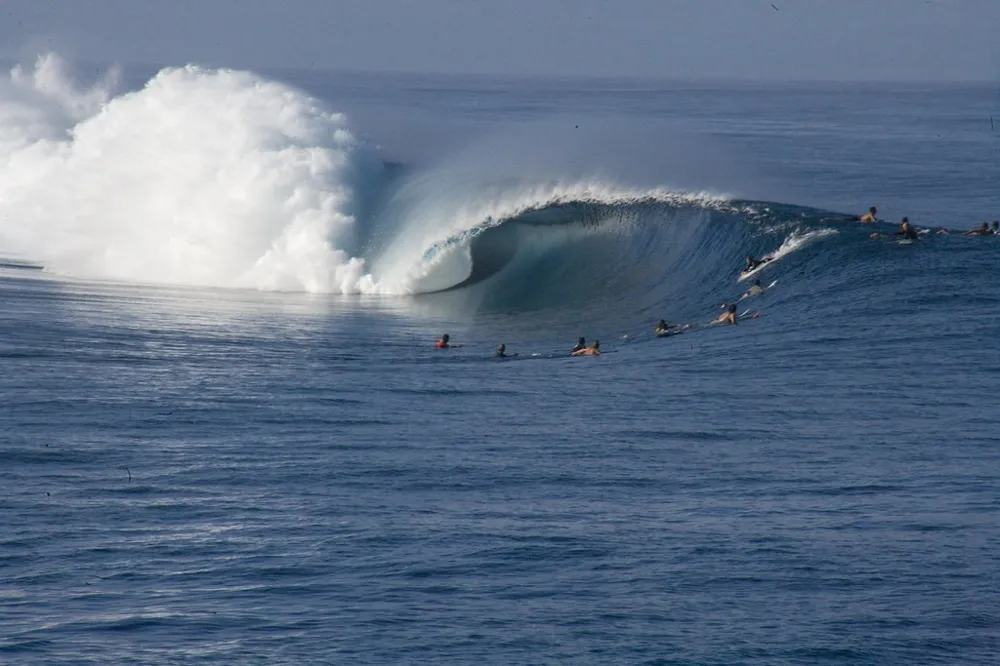
Each sport has waves where it shines. Because a bodyboarder lies low with their weight spread across the board, they can take off very late on steep, ledging waves, and they can ride waves that break onto shallow sand or reef. Shorebreak, wedges and thick reef slabs are classic bodyboard waves for experienced riders. Crescent tails and channels are designed to hold the board in that steep, hollow water.
Surfing covers a broader range. A longboard or soft-top can glide on small, soft, crumbly waves that barely move a bodyboard, and a shortboard turns hard on open, powerful faces. Long, peeling point breaks reward surfers with drawn-out turns, while short, closing-out beach breaks often suit bodyboarders better.
| Wave Type | Bodyboarding | Surfing |
|---|---|---|
| Small whitewater near shore | Ideal for first sessions | Ideal for first sessions on a soft-top |
| Small, soft, slow waves | Workable but slow | Great on a longboard or foam board |
| Steep shorebreak | Popular with experienced riders; dangerous for beginners | Usually too fast and shallow |
| Shallow reef slabs and wedges | A specialty of advanced bodyboarders | Ridden by experts, but less often |
| Long point breaks | Fun, but fewer big turns | Ideal for long rides and maneuvers |
Before any session, check the swell, wind and tide. Our how to read a surf forecast guide explains the numbers.
Position in the Lineup and Etiquette
The same rules apply to both. The rider closest to the peak has priority, you don't drop in on someone already riding, and you paddle out through the channel or whitewater rather than through the path of a rider. Surfers and bodyboarders share the same lineup and the same priority order; neither has right of way just because of the craft they ride. Our surf etiquette guide covers the full set of rules.
In practice the two often sit in slightly different spots. Fins let bodyboarders kick into waves late and steep, so they often sit deeper and closer to where the wave breaks, while surfers on bigger boards can catch waves earlier and farther out. That's where friction starts: a rider who can catch waves earlier, whether a longboarder or a bodyboarder sitting deep, should still take turns rather than hog every set.
Beach rules can also treat the two differently. Blackball flags and swim-zone rules are aimed mainly at hard surfboards, which can injure swimmers when they get loose, and some beaches allow bodyboards when surfboards are not. Others ban all wave-riding craft, or fins, in swim areas. Rules vary by city and change during the day, so check the flags and ask the lifeguards (not legal advice).
Injury and Safety Considerations
Both sports carry similar ocean risks: rip currents, collisions, reef and rock cuts, cold water and drowning. The injury patterns differ a little because of the board and the waves each sport favors.
- Your own board: a surfboard is bigger, harder and has fins underneath, and cuts are the most common type of surfing head and neck injury in US emergency department data. A soft bodyboard is far less likely to cut you, though riders do report fin rub and fin cuts on their feet.
- Shorebreak and shallow water: bodyboarders often ride waves breaking onto sand or reef, where riders can be driven into the bottom. Hawaii's Ocean Safety program warns that shorebreak can cause serious head, neck and spinal cord injuries, and says the average wave height when a spinal cord injury occurs there is about 3 feet. Never dive head first into shorebreak, and protect your head and neck with your arms if you get caught.
- Shoulders and knees: a study of surfboard and bodyboard riding injuries treated at the Royal Cornwall Hospital in the UK (2004–2006) found lacerations were the most common injury and that anterior shoulder dislocations made up about 10% of non-admitted injuries, higher than the authors expected. Drop-knee bodyboarding and surfing both load the knees.
- Collisions: crowded beach breaks mix swimmers, bodyboarders and surfers. Hold on to your board, keep clear of swimmers and choose an uncrowded peak while you learn.
For a deeper look at the risks, see is surfing dangerous? and our rip current guide. Swim at lifeguarded beaches, start small and see a medical professional for any head, neck or back injury.
Fitness and Body Demands
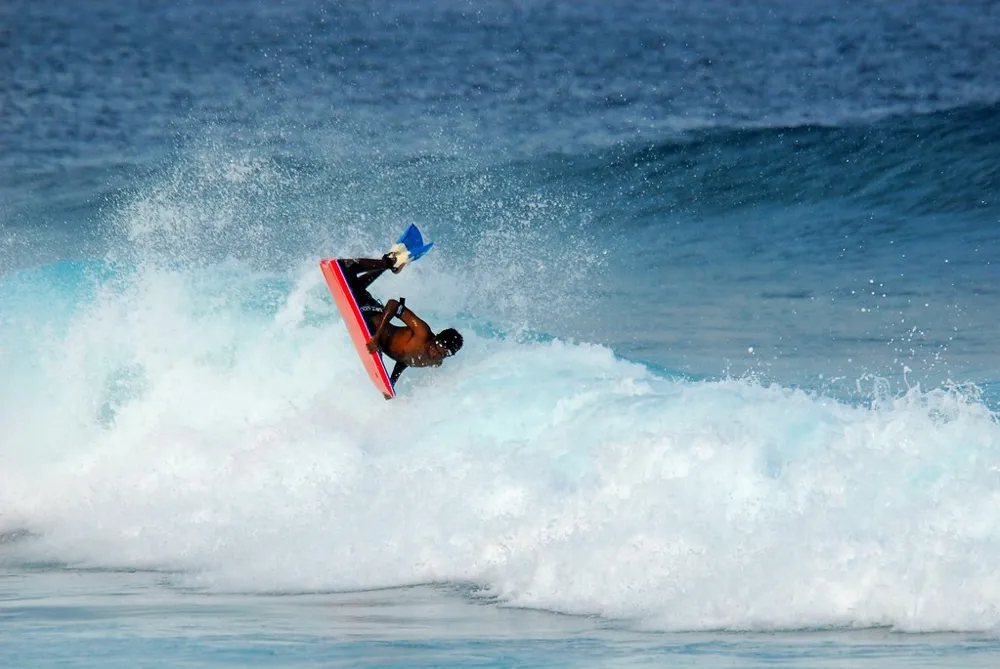
Both are good all-round ocean workouts, but the effort is spread differently. Surfing relies on arm paddling, so it works the shoulders, back and arms hard, and the pop-up needs core strength and some flexibility. Bodyboarders kick with fins as well as paddle, so the legs share the work and the shoulders get a little more relief. That is one reason some riders with older injuries find bodyboarding gentler, though it still loads the back and neck when you arch on the board. Both sports demand strong swimming. See the benefits of surfing and our surfing workout for training ideas.
Which Should You Choose?
| If You... | Try |
|---|---|
| Want to ride waves on your first beach day | Bodyboarding |
| Are on a family beach trip with kids | Bodyboarding in small, lifeguarded surf |
| Want steep, hollow waves and barrels sooner | Bodyboarding |
| Travel light or have little storage space | Bodyboarding |
| Live near small, soft waves most of the year | Surfing on a longboard or soft-top |
| Want long rides, turns and surf style | Surfing |
| Can commit to regular sessions over months | Surfing |
| Can't decide | Start bodyboarding, then take a surf lesson |
There's no "better" sport, only a better fit for your waves, time and goals. Bodyboarding gives the fastest route to riding waves and the most fun in short, steep breaks. Surfing takes longer but opens up more types of waves and a lifetime of progression.
Switching Between Bodyboarding and Surfing
Bodyboarding to surfing: much of what you know carries over, including reading sets, spotting rips, timing your take-off, duck diving and lineup etiquette. What doesn't carry over is the pop-up, stance and balance on your feet, and paddling without fins. Start again on a big soft-top in whitewater, practice the pop-up on land and don't expect to surf the steep waves you bodyboard for a while. Drop-knee riding on a bodyboard is a halfway step some riders use to get used to riding on their feet.
Surfing to bodyboarding: the switch is usually quick. You already understand waves and priority; the new parts are kicking with fins, steering with your hips and rails instead of your feet, and getting comfortable taking off later and steeper. Bodyboarding is also a fun way to use days when the waves are too steep or close-out for your surfboard. Once you're hooked, our bodyboarding tricks guide is the next step.
Related Guides
Frequently Asked Questions
Is bodyboarding easier than surfing?
For most beginners, yes. You don't have to pop up and balance on your feet, so many people ride whitewater waves on their first day. Riding bigger, steeper waves well is a skill of its own, though.
Is a boogie board the same as a bodyboard?
Yes. Boogie is a brand name that came from Tom Morey's Morey Boogie board of 1971, and it is now used for bodyboards in general. Performance riders tend to say bodyboard.
Which is more dangerous, bodyboarding or surfing?
Neither is risk-free. Surfboards are bigger and harder, so collisions with your own board are a bigger factor in surfing, while bodyboarders often ride steep shorebreak and shallow reef where head, neck and shoulder injuries are a concern.
Can you bodyboard where surfing is banned?
Sometimes. Blackball flags and swim-zone rules are aimed mainly at hard surfboards, and some beaches allow bodyboards when surfboards are not. Rules vary by beach and can change daily, so ask the lifeguards.
Do you need fins to bodyboard?
Fins aren't required in small whitewater, but most bodyboarders wear short bodyboard fins because they make catching waves and getting back out much easier.
Does bodyboarding help you learn to surf?
It helps with ocean skills such as reading waves, spotting rips, timing and lineup etiquette. You still have to learn the pop-up, stance and paddling on a surfboard from scratch.
Which is better for kids?
Bodyboarding is usually the easier first step for kids in small, lifeguarded surf because the board is short and soft. Surf lessons on a soft-top are the usual route when they want to stand up.