Best Surfboard Fins for Every Board and Wave (2026)
Thrusters, quads, twins and longboard fins from FCS, Futures and more, with a clear guide to fin systems, sizes and how fin shape changes your surfing.
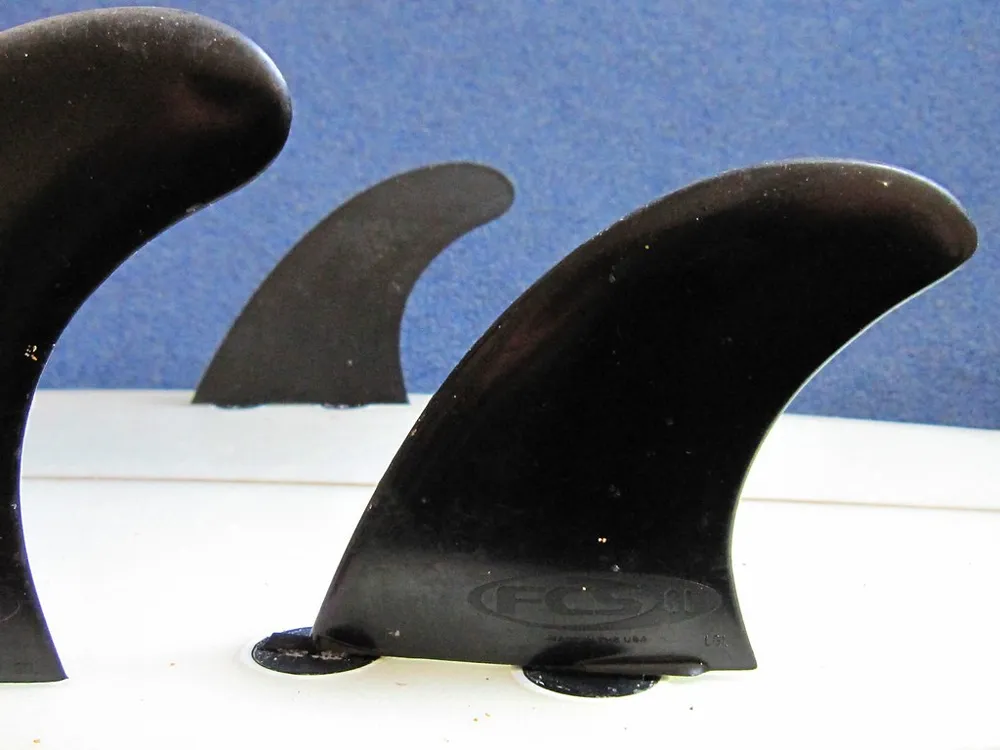
Why Fins Matter
Fins are the steering and grip of your surfboard. Change the fins and the same board can feel faster, looser or more locked-in. Choosing fins comes down to four things:
- Your board's fin system (FCS II, Futures, older FCS or a longboard box).
- The setup (single, twin, thruster, quad, 2+1 or five-fin).
- The size, mostly based on your weight.
- Template, flex and material, which fine-tune the feel.
FCS II Performer
Best all-round thruster
- Balanced speed, flow and response
- Inside Foil Technology
- FCS II system
Futures John John Florence Techflex
Best Futures thruster
- JJF signature template
- Techflex construction
- Futures single-tab
FCS II Retro Keel
Best twin fins
- Classic keel twin
- Performance glass
- FCS II system
Surfboard Fins Compared
| Fins | Setup | System | Character |
|---|---|---|---|
| FCS II Performer | Thruster | FCS II | All-round balance of speed, flow and response |
| Futures JJF Techflex | Thruster | Futures | Signature performance template |
| FCS II Mick Fanning PC | Thruster | FCS II | Drive and control in open-face waves |
| FCS II Reactor PC Carbon | Thruster | FCS II | Upright template for tight direction changes |
| FCS II Retro Keel | Twin | FCS II | Classic keel for fish |
| Futures Flow Quad | Quad | Futures | Honeycomb, balanced feel |
| SBS 9" longboard fin | Single / 2+1 center | US longboard box | Center fin for longboards and SUPs |
| Soft-top replacement fins | Thruster | Screw-in (soft-top) | Replacement for Wavestorm-style boards |
The Best Surfboard Fins
Thruster Fins
1. FCS II Performer
An everyday thruster set designed for a balance of speed, flow and response, with a well-proportioned template and FCS's Inside Foil Technology. A reliable all-round choice for shortboards and hybrids in most waves.
Good to Know
- Versatile all-round template
- Tool-less FCS II install
Watch Out For
- Only fits FCS II boxes
2. Futures John John Florence Techflex
John John Florence's signature thruster set in Futures' Techflex construction, made for Futures' single-tab boxes. A popular high-performance choice for Futures boards; choose your size by weight.
Good to Know
- Performance template
- Strong, secure Futures base
Watch Out For
- Only fits Futures boxes
3. FCS II Mick Fanning PC
Mick Fanning's signature thruster set in FCS's Performance Core construction, designed for powerful, controlled surfing in open-face, down-the-line waves. Good for surfers who want drive and hold.
Check Price on Amazon4. FCS II Reactor PC Carbon
An upright template that allows tighter, more acute direction changes, in FCS's lighter PC Carbon construction. A good fit for surfers who like quick, pivoty turns in the pocket.
Check Price on AmazonTwin and Quad Fins
5. FCS II Retro Keel
Classic keel twin fins in performance glass for FCS II, with a long base (about 4.6 inches) and depth of about 4.7 inches. Keels give drive and speed on retro fish and twin-fin boards in small to medium waves.
Check Price on Amazon6. Futures Flow Quad
A honeycomb quad set for Futures boxes with a balanced feel. Quads add speed and drive, especially in small surf and down-the-line waves.
Check Price on AmazonLongboard and Soft-Top Fins
7. SBS 9" Longboard Single Fin
A 9-inch center fin for longboards and SUPs that fits standard 10.5-inch US fin boxes. Use it as a single fin or as the center of a 2+1 setup. Measure your box before buying.
Check Price on Amazon8. Soft-Top Replacement Fins
A screw-in three-fin replacement set listed for Wavestorm 8' soft-tops. Soft-top boards use their own fin mounts, so compare your existing fin mount dimensions before ordering. Flexible fins are safer for beginners.
Check Price on AmazonFin Setups Explained
| Setup | Feel | Best For |
|---|---|---|
| Single fin | Smooth, stable, drawn-out turns | Traditional longboards, retro boards |
| 2+1 | Single-fin glide plus side-fin hold | Performance longboards, mid-lengths |
| Twin | Loose, fast, playful; can feel "skatey" | Fish and twin-fins in small, clean waves |
| Thruster | Versatile: drive, hold and control | Most shortboards, all-round surfing |
| Quad | Speed and drive with hold | Small surf and fast, down-the-line waves |
| Five-fin boxes | Flexibility | Ride the board as a thruster or quad |
Fin Systems: FCS II vs Futures vs Others
| System | How It Works | Notes |
|---|---|---|
| FCS II | Two tabs per fin, tool-less clip-in (optional screws) | Fast fin swaps; check fins are fully seated |
| Original FCS (FCS I) | Two tabs secured with grub screws | FCS II fins don't fit directly; compatibility kits exist for some boxes |
| Futures | One long single-tab base, held by a screw | Strong, secure connection |
| US / longboard box | Slide-in center fin with a screw and plate | Adjustable fin position |
| Soft-top screw-in | Fins screw directly into the board | Varies by brand |
FCS and Futures fins don't cross over: look at your board's fin boxes to see which system it uses before buying.
What Size Fins Do I Need?
Fin size is mainly about your weight: heavier surfers need more fin area for hold and drive. FCS's size chart:
| FCS Size | Rider Weight |
|---|---|
| Extra small | Under about 55 kg (120 lb) |
| Small | About 55–70 kg (120–155 lb) |
| Medium | About 65–80 kg (145–175 lb) |
| Large | About 75–90 kg (165–200 lb) |
| Extra large | Over about 85 kg (190 lb) |
Sizes overlap, and other brands, including Futures, publish different charts, so check each brand's guide. If you're between sizes, go larger for more hold in bigger waves and smaller for a looser feel in small surf.
Longboard Fins
Longboard center fins are measured by depth, commonly around 8–10 inches. Longer, deeper fins add stability and hold for noseriding; smaller fins feel looser. On a 2+1, the center fin is typically around 7.5–8 inches with side fins around 4 inches.
Fin Template, Foil and Flex
| Feature | What It Does |
|---|---|
| Base | Longer base = more drive and acceleration |
| Depth (height) | Deeper = more hold; shallower = looser |
| Area | More area = more hold; heavier surfers need more |
| Sweep (rake) | More sweep = longer, drawn-out turns; less = tighter, pivotal turns |
| Flex | Stiff = instant response; flexible = forgiving and "whippy" |
| Cant | The outward tilt of side fins; more cant = more maneuverable |
| Toe | Side fins angled toward the nose for responsiveness |
| Foil | Cross-section shape: flat, inside or 50/50 (center fins) |
Fin Materials
- Fiberglass: traditional, lively flex.
- Honeycomb core: lighter, responsive.
- Carbon: stiffest and most responsive; less forgiving for beginners.
- Performance core (molded composite): light and consistent.
- Plastic / glass-filled nylon: affordable; fine for learning.
- Soft (urethane): flexible and safest; for soft-tops and beginners.
Fins by Board Type
| Board | Typical Fins |
|---|---|
| Shortboard | Thruster (or quad on five-fin boxes) |
| Fish | Twin keels or quad |
| Mid-length | 2+1, single or twin |
| Longboard | Single fin or 2+1 |
| Soft-top | Soft screw-in thruster |
See types of surfboards for more on each shape.
Choosing Fins by Wave and Ability
| Situation | Try |
|---|---|
| Beginner on a hard board | Medium-flex, all-round thruster in your weight size |
| Small, weak waves | Twin, quad, or a thruster with more flex and sweep |
| Everyday waist- to head-high surf | All-round thruster |
| Bigger, powerful waves | Stiffer, larger thruster or quad for hold |
| Want more speed | Quad, or fins with a longer base |
| Want looser turns | More upright, smaller or more flexible fins |
A Short History of Removable Fins
Early surfboards had fins glassed permanently onto the board. Removable fin systems arrived in the 1990s, with FCS among the first, and they made it easy to swap fins, travel and repair boards. Glassed-on fins are still found on some custom and retro boards.
How to Install and Care for Fins
- FCS II: slide the rear of the fin into the box and press firmly until it clicks. Check fins regularly; they can work loose over time.
- Futures and original FCS: insert the fin and tighten the grub screw with a fin key until snug. Don't overtighten.
- Longboard box: slide in the fin and plate, set the position, then tighten the screw.
- Rinse fins and boxes with fresh water, keep spare screws and a fin key in your bag, and remove fins for travel.
Related Guides
See surf wax, surf leashes and board bags, size your board with the surfboard size chart, or visit the surfing hub.
Frequently Asked Questions
What is the best fin setup for a surfboard?
The thruster (three fins) is the most versatile all-round setup. Twins are loose and fast in small waves, quads add speed and drive, single fins suit classic longboards, and 2+1 is common on performance longboards and mid-lengths.
Are FCS and Futures fins interchangeable?
No. FCS fins use two tabs per fin and Futures fins use a single long base, so each only fits its own fin box system.
Do FCS II fins fit old FCS plugs?
Not directly. FCS II fins are designed for FCS II boxes. Some older FCS boxes can use a compatibility kit; check with FCS before buying.
What size fins do I need?
Fin size is mostly based on your weight. On FCS's chart, extra small suits riders under about 120 lb, small about 120–155 lb, medium about 145–175 lb, large about 165–200 lb and extra large about 190 lb and up. Other brands' charts differ.
Do fins make a big difference?
Yes. Fin size, shape and flex change how a board drives, holds and turns. Many surfers keep a couple of sets to match different waves.
What fins should a beginner use?
Soft, flexible fins that come with a soft-top are ideal; they're safer if they hit you. On a hard board, a medium all-round thruster set in your weight size is a good start.
Can you surf without fins?
Finless boards exist, but without fins a normal surfboard slides sideways and is very hard to control. Always ride with the fin setup the board was designed for.
What fin material is best?
Fiberglass gives a lively flex, honeycomb-core fins are lighter, carbon is stiffest and most responsive, and plastic or soft fins are affordable and safe for learning.