Best Surf Wax for Grip in Any Water (2026)
Surf wax by water temperature, eco-friendly bars, basecoats and the tools to apply and strip it, plus where to wax every type of board.
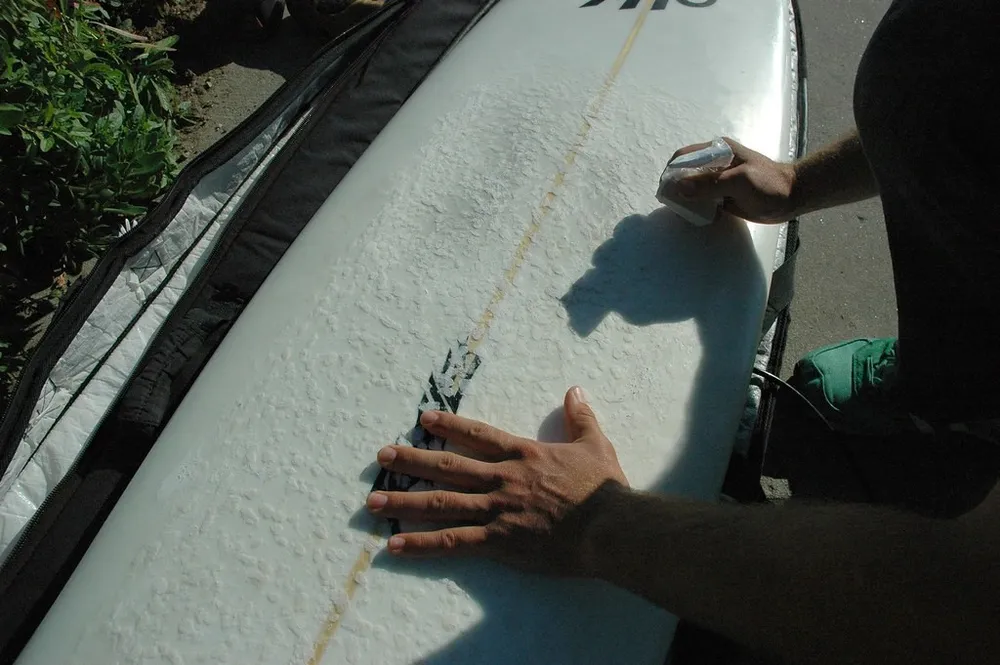
Why Surf Wax Matters
A surfboard's deck is slick fiberglass or epoxy. Surf wax creates a sticky, bumpy layer so your feet and hands don't slip when you pop up and turn. Choosing wax comes down to three things: the water temperature, whether you want a basecoat, and personal preferences like scent and eco-friendly ingredients. Soft-top boards usually have grippy decks already, though many surfers still add a little wax.
Sex Wax Quick Humps
Best all-around
- Classic coconut-scented wax
- Six temperature grades
- Sold in multi-packs
Sticky Bumps
Best for building bumps
- Cool/cold and warm/tropical bars
- Matching basecoat
- Long-lasting
Matunas Organic Surf Wax
Best eco-friendly
- Organic formula
- Cold to tropical grades
- Multi-pack options
Surf Wax Compared
| Wax | Temperature Grades | Highlights |
|---|---|---|
| Sex Wax Quick Humps | Six grades, extra cold to tropical | Classic, coconut scent, widely available |
| Sticky Bumps | Cold/cool and warm/tropical bars | Known for building bumps; matching basecoat |
| Matunas | Cold, cool, warm, tropical | Organic formula |
| Bubble Gum | Cold to tropical | Long-running brand; sold in multi-packs |
| Mrs. Palmer's | Cold to tropical | Australian brand with base and comp waxes |
The Best Surf Wax
1. Sex Wax Quick Humps
Mr. Zog's Sex Wax is one of the best-known surf waxes, and Quick Humps is its everyday bar, recognizable by its coconut scent. It comes in six temperature grades, from very soft extra-cold-water wax to extra-hard tropical wax; lower numbers are softer and stickier. Sex Wax recommends choosing by the grade when temperature ranges overlap.
Good to Know
- Grades for every water temperature
- Easy to find in surf shops
Watch Out For
- Pick the right grade; soft wax melts in warm water
2. Sticky Bumps
Sticky Bumps is a favorite for building big, grippy bumps that last. The Cool/Cold bar is listed for water around 69°F (20°C) and below, and the Warm/Tropical bar for 69°F (20°C) and above. Pair it with Sticky Bumps' own basecoat for the longest-lasting wax job.
Good to Know
- Long-lasting bumps
- Simple two-grade choice
Watch Out For
- Very hot days can still soften warm-water bars
3. Matunas Organic Surf Wax
An organic surf wax for surfers who want cleaner ingredients. Matunas lists four grades: cold (60°F/15°C and below), cool (56–68°F/14–19°C), warm (64–74°F/18–24°C) and tropical (75°F/24°C and up), plus an extra-sticky competition formula.
Good to Know
- Organic formula
- Full temperature range
Watch Out For
- Natural waxes can wear faster than conventional bars
4. Bubble Gum Surf Wax
Bubble Gum is a long-running surf wax brand with grades from cold to tropical, often sold in money-saving multi-packs. Its line includes an organic Rob Machado formula.
Check Price on Amazon5. Mrs. Palmer's Surf Wax
An Australian surf wax brand with temperature-rated topcoats, a basecoat and a competition wax. The warm-water bar is rated for about 64–74°F.
Check Price on Amazon6. Sticky Bumps Base
A hard basecoat wax to lay down first on a new or freshly stripped board. It builds the firm bumps that your softer, temperature-rated topcoat grips onto.
Check Price on Amazon7. Surf Wax Comb
A wax comb has a toothed edge for roughing up flattened wax and a straight edge for scraping off old wax. It's cheap and essential for keeping your grip fresh.
Check Price on AmazonSurf Wax Temperature Guide
Every brand uses its own temperature bands, and they overlap. These are typical ranges for water temperature:
| Grade | Typical Water Temperature | Wax Hardness |
|---|---|---|
| Cold | Below about 58–60°F (14–15°C) | Softest, stickiest |
| Cool | About 58–68°F (14–20°C) | Soft |
| Warm | About 64–74°F (18–24°C) | Medium-hard |
| Tropical | Above about 75°F (24°C) | Hardest |
Sex Wax uses six grades, from its softest extra-cold wax (for water around 58°F/14°C and below) to its hardest tropical wax (around 78°F/26°C and above). Always check the label on the bar.
- Too soft for the water: the wax melts and smears, and your feet slide.
- Too hard for the water: it doesn't grip as well.
- Traveling somewhere warmer? Strip your board and rewax with a harder basecoat and warm-water topcoat.
Basecoat vs Topcoat
| Basecoat | Topcoat | |
|---|---|---|
| Hardness | Hard | Softer, temperature-rated |
| Job | Builds a durable layer of bumps | Adds stickiness on top |
| How often | After stripping the board | Before most sessions |
The rule from Sex Wax: your basecoat must be hard enough to stay stable at the water temperature, and any topcoat works as long as it's softer than the basecoat. Using a different-colored topcoat makes it easy to see when it's worn.
How to Wax a Surfboard
- Start clean: on a new board, wipe the deck clean; on an old board, strip the old wax first.
- Keep it cool: wax in the shade so the wax and board don't get too soft.
- Apply basecoat: using the edge of the bar and light pressure, rub in straight lines along the board, then diagonal lines to make a crosshatch. Some surfers use small circles. Keep going until small bumps form.
- Apply topcoat: rub the softer, temperature-rated wax over the bumps in small circles until they feel sticky.
- Freshen before sessions: rough up flattened wax with a wax comb and add a little topcoat.
Pressing too hard or using too much wax can leave a smooth, slippery layer instead of bumps.
Where to Wax Each Type of Board
| Board | Where to Wax |
|---|---|
| Shortboard | Roughly the back three-quarters of the deck, from the tail to a little past where your front foot lands; skip the nose. Many add a tail pad for the back foot. |
| Funboard / mid-length / fish | From the tail to past the front-foot area, plus extra near the rails |
| Longboard | The whole deck, tail to nose, so you can walk the board and noseride |
| Soft-top | Usually grippy already; a light coat of the right wax can add grip |
On every board, wax the rails where your hands grab when popping up and duck diving.
How to Remove Old Wax
- Soften the wax: leave the board in the sun for a few minutes, use a hair dryer, or pour warm (not boiling) water over it. Don't overheat the board.
- Scrape it off with the straight edge of a wax comb.
- Clean the residue with a wax remover, a little coconut oil or a rag.
- Wipe the deck clean and dry before rewaxing.
Strip and rewax when the wax is dirty, flat or slippery. Built-up wax also adds weight.
Eco-Friendly Surf Wax
Traditional surf waxes often contain petroleum-based paraffin. Many brands now offer organic or plant- and beeswax-based waxes, and some use recycled or paper packaging. Natural waxes tend to wear off faster, so you may rewax more often. Check ingredients and packaging if this matters to you.
Wax vs Traction Pads
A traction pad (tail pad) is a foam pad stuck to the tail for the back foot. It lasts for years, doesn't melt and gives a kick tail to push against. Wax is cheaper, adjustable and needed for the rest of the deck. Many shortboarders use both; longboarders usually wax only.
Wax for Soft-Top Boards
Most soft-tops have a textured foam deck that grips well when wet, but a light coat of wax helps on slippery or worn decks. Some brands make soft-top-specific wax. Avoid heavy buildup, which is hard to remove from foam.
Scent and Packaging
Many waxes are scented (coconut is a classic), which is purely personal preference. If you buy a lot of wax, multi-packs cut down on cost per bar, and some brands use paper or recycled packaging instead of plastic.
Storing Wax and Waxed Boards
- Keep bars and boards out of hot cars and direct sun; wax melts and can make a mess.
- Store bars in a cool place, in their wrapper or a wax box.
- Use a board bag with a reflective outer to protect the wax and board.
Related Guides
Complete your setup with surfboard fins and a surf leash, learn how to surf or visit the surfing hub. Skimboarder? See skimboards.
Frequently Asked Questions
What surf wax should I use for my water temperature?
Pick the wax rated for the water temperature you'll surf in. Cold-water wax is softer and stickier; warm and tropical wax is harder so it doesn't melt. If you're between ratings, choose the harder wax for warmer water.
Do I need a basecoat?
A basecoat isn't essential, but it builds firm, long-lasting bumps that a softer topcoat sticks to. It makes the wax job last longer and grip better, especially on new or freshly stripped boards.
What's the difference between basecoat and topcoat?
Basecoat is a hard wax applied first to build bumps. Topcoat is a softer, temperature-rated wax applied on top for grip. The basecoat must be harder than the topcoat.
How do I wax a surfboard?
Apply basecoat with light pressure using the edge of the bar in lines or a crosshatch until small bumps form, then rub topcoat on in small circles. Wax where your feet go and near the rails where your hands grip when popping up.
Where should I put wax on my board?
On shortboards and funboards, wax roughly the back three-quarters of the deck, plus the rails where you grab. On longboards, wax the whole deck from tail to nose so you can walk the board.
How often should I rewax?
Rub on a little topcoat before most sessions. Strip and rewax when the wax gets dirty, flat or slippery; frequent surfers may do this every month or so.
How do I remove old wax?
Soften it in the sun or with a hair dryer, scrape it off with a wax comb, then clean the residue with a wax remover or a little coconut oil. Don't overheat the board.
Wax or traction pad?
Most surfers use wax on the deck. Many shortboarders add a tail pad for the back foot, which lasts longer and needs no reapplying. Longboards are usually waxed only.