Is Surfing Dangerous? What the Data Really Shows (2026)
Surfing has real risks, but most of them are predictable. Here's what actually hurts surfers, how rare shark bites are and how to stay safer in the water.
The Short Answer
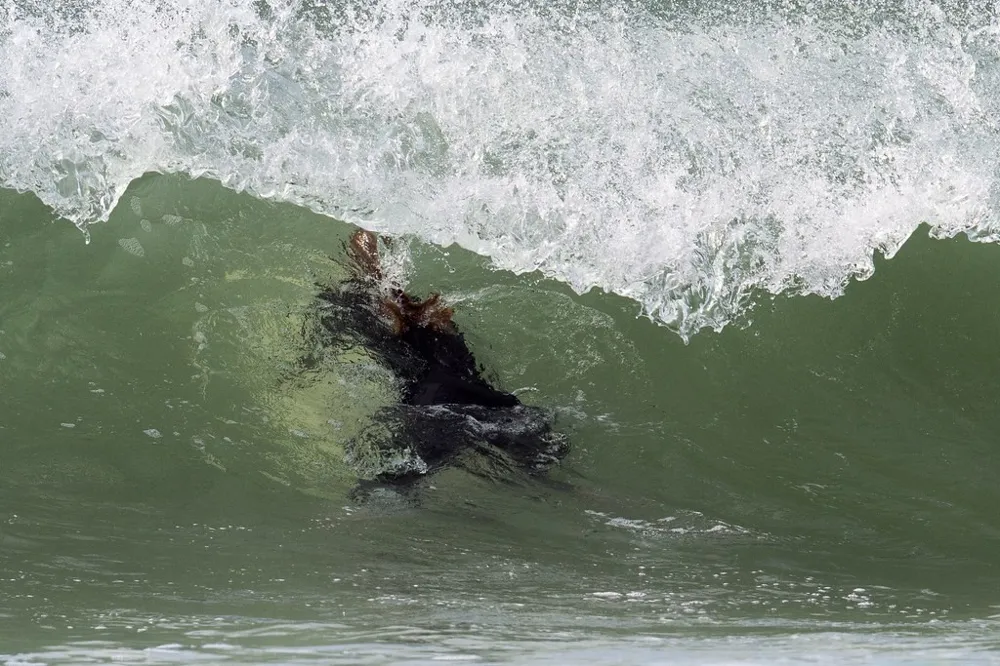
Surfing is not especially dangerous for most people, but it does carry real risks, and a few of them can be serious. Most surfing injuries are cuts and bruises, very often from the surfer's own board. The rare but serious dangers are drowning (often linked to rip currents, big waves or a knock to the head), impacts with shallow reef, rock or sandbars and, far down the list, sharks. The good news is that most of these risks are predictable. Picking the right board, beach and conditions, wearing a leash and knowing your limits do a lot of the work.
This page is general safety information, not medical advice. For injuries, see a doctor; for local conditions, ask the lifeguards. For the other side of the ledger, see the benefits of surfing.
Surfing Risks at a Glance
| Risk | How Common | How Serious | Main Ways to Reduce It |
|---|---|---|---|
| Board strikes and fin cuts | The most common source of injury | Usually minor; can mean stitches, facial or head injuries | Soft-top board, cover your head, fall away from the board |
| Reef, rock and sandbar impacts | Common at reef and shallow breaks | Cuts to serious neck and spinal injury | Know the depth and tide, fall flat, never dive headfirst |
| Rip currents | Present at most surf beaches | Leading cause of lifeguard rescues; can be fatal | Spot rips, keep your board, go parallel to shore |
| Drowning and hold-downs | Rare | The most serious risk | Surf within your ability, never surf alone, wear a leash |
| Collisions with other surfers | Higher at crowded breaks | Cuts, bruises, occasional head injuries | Etiquette, control your board, avoid crowds while learning |
| Cold water | Depends on region and season | Cold shock and hypothermia | Right wetsuit, hood, gloves and boots; get out early |
| Sun and surfer's ear | Very common with regular surfing | Long-term skin and ear damage | Sunscreen, rash guard, earplugs |
| Sharks | Very rare | Can be severe | Avoid dawn and dusk, baitfish and fishing areas |
Common Surfing Injuries
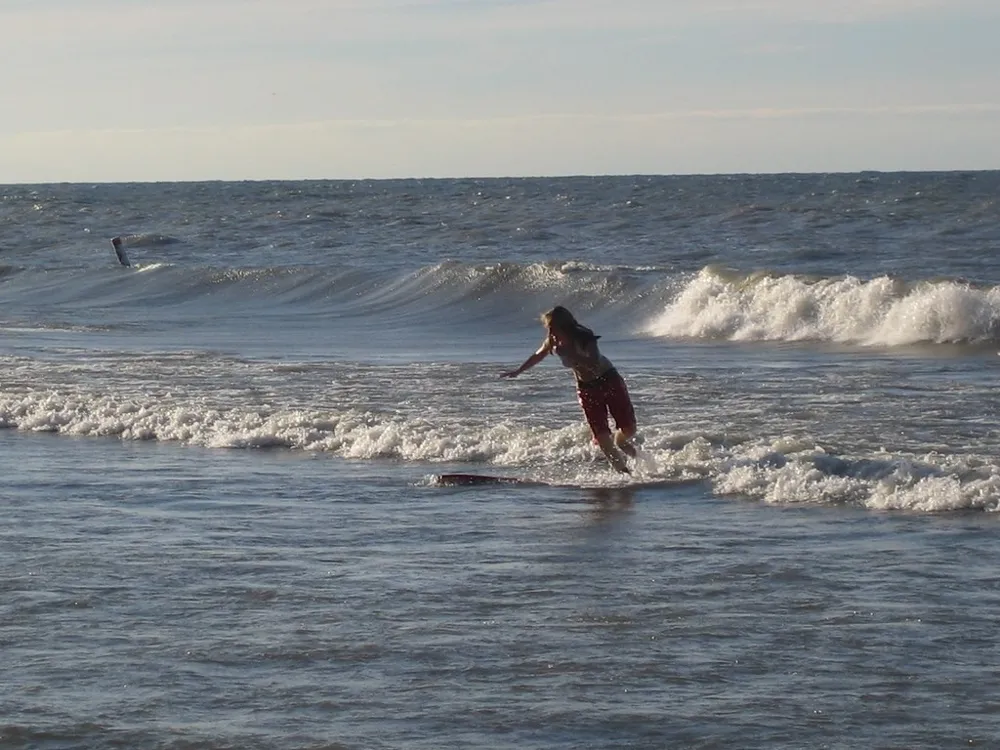
The best recent US data comes from a study published in Arthroscopy, Sports Medicine, and Rehabilitation in 2024. It analyzed surfing head and neck injuries treated in US emergency departments from 2003 to 2022 using the national NEISS injury database. Among those injuries:
- Lacerations (cuts) made up 53%, followed by internal injuries (11%), sprains and strains (9%), contusions and abrasions (9%), fractures (6%) and concussions (5%).
- The face (39%) and head (35%) were the most injured areas, followed by the neck (13%).
- Impact with a surfboard caused 53% of injuries, the ocean floor (sand, reef or rock) 10%, fins 4% and other surfers 2%.
- Overall head and neck injuries fell over the 20 years, but concussion rates did not drop, and they were highest in surfers under 20.
The same paper cites an Australian study (Furness and colleagues, 2015) that reported about 1.79 major injuries per 1,000 hours surfed. Put simply, the board you ride is the most likely thing to hurt you.
Board Strikes
When you fall, your leash can spring the board back toward you, and a wave can drive it into your head or face. Hard fiberglass and epoxy boards hit harder than foam, which is one reason beginners learn on soft-tops (see epoxy vs PU surfboards and soft-top surfboards). The 2024 study authors suggest soft-tops and protective headgear may help prevent injuries but note this hasn't been proven in targeted studies.
Fin Cuts
Fins are thin and can be sharp along the trailing edge. Fin cuts are often deep and may need stitches. Flexible or rubber-edged fins on beginner boards reduce the risk; see surfboard fins.
Sprains, Shoulders and Overuse
Twisting falls can sprain knees and ankles, and hours of paddling load the shoulders, neck and lower back. Warming up and building paddling fitness help; see our surfing workout.
Reef, Rocks and Shallow Sandbars
Many famous breaks, especially in Hawaii, Indonesia and the South Pacific, break over shallow coral reef or lava rock. Falling onto reef can cause deep cuts and abrasions, and coral cuts can become infected. Sea urchins live on many reefs too. Shallow sandbars and shorebreak are a different danger: waves dumping onto hard sand can cause serious neck and spinal injuries even when they look small.
- Check the tide; many reef breaks get dangerously shallow at low tide.
- Fall flat and shallow, like a starfish, rather than diving or going feet-first.
- Never dive headfirst off your board or into the shorebreak.
- Plan your entry and exit before you paddle out, and wear reef boots where locals do.
- Clean reef cuts thoroughly and get medical help if one looks infected.
Our Hawaii surf spots guide covers reef and shorebreak hazards island by island.
Rip Currents and Drowning
Drowning is the most serious risk in surfing, and rip currents are the biggest single hazard at most surf beaches. According to NOAA, at least 80% of lifeguard rescues are due to rip currents, more than 100 people die in rip-current drownings each year, and rips can move at up to 8 feet per second, faster than most people can swim.
Signs of a rip, per NOAA, include a choppy channel of churning water, a line of foam, seaweed or debris moving steadily out to sea, and a gap in the pattern of incoming waves. Experienced surfers sometimes use rips to paddle out, but beginners should stay well clear.
If you're caught: stay calm and keep hold of your board; it floats you. Don't fight the current. Paddle or swim parallel to the beach until you're out of it, then angle back to shore. If you can't, float and signal for help. Our rip currents guide explains how to spot and escape them in detail.
Other drowning risks for surfers include being knocked out by a board or the bottom, being held under by heavy waves, and a snapped leash leaving you to swim in. That's why surfers stress never surfing alone in unfamiliar or big conditions.
Shark Risk in Perspective
Sharks get the headlines, but the numbers are small. According to the International Shark Attack File (ISAF) at the Florida Museum of Natural History:
| ISAF 2025 Figure | Value |
|---|---|
| Confirmed unprovoked bites worldwide | 65 (five-year average for 2020–2024: 61) |
| Unprovoked fatalities worldwide | 9 (five-year average: about 8 a year) |
| Unprovoked bites in the US | 25, 1 fatal (38% of the world total) |
| Unprovoked bites in Florida | 11, none fatal |
| Share involving surfing and board sports | 32% |
| Share involving swimming and wading | 46% |
Surfers consistently have some of the highest rates of unprovoked bites, partly because they spend long hours in the water. Even so, the Florida Museum says the chances of being bitten remain extremely low and that drowning and lightning strikes are far more common. For comparison, NOAA says more than 100 people a year die in rip-current drownings, while the ISAF recorded one fatal unprovoked shark bite in the US in 2025.
The museum's own risk-reduction advice includes:
- Avoid the water at dawn and dusk.
- Stay in the water with other people nearby.
- Stay away from people fishing, and be alert when schools of baitfish come close to shore.
- Don't feed sharks, and avoid baited shark tours.
Follow local shark warnings and beach closures; purple flags at many US beaches signal dangerous marine life (see the flag table in our surf etiquette guide).
Big Waves and Hold-Downs
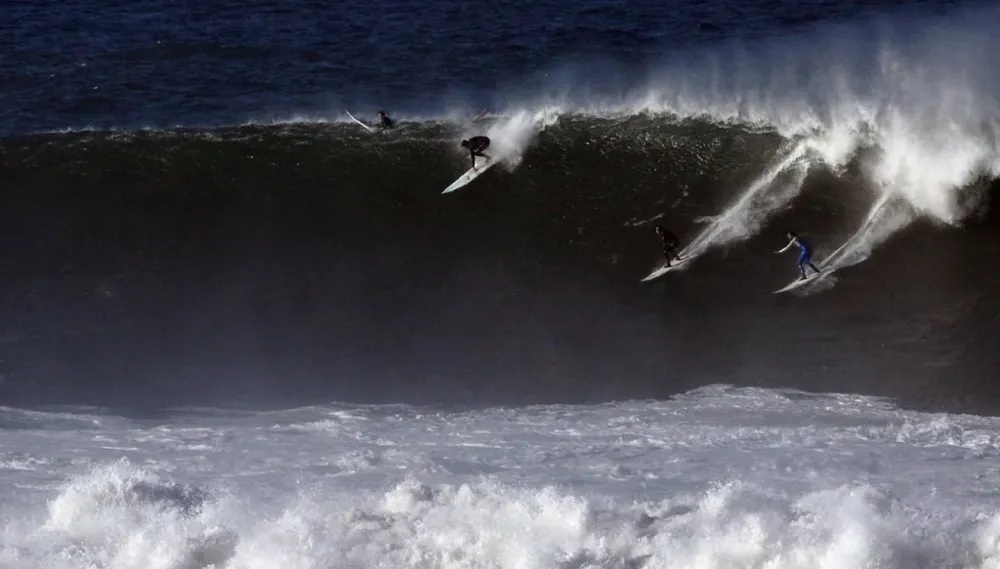
Big-wave surfing is the one corner of the sport where the danger is extreme by design. When a large wave breaks on a surfer, they can be driven deep and held under, sometimes for more than one wave in a row (a "two-wave hold-down"), while being tumbled hard enough to lose their bearings. Heavy waves also break leashes and boards and push surfers onto reef or rocks.
Big-wave surfers manage this with breath-hold training, inflatable flotation vests and jet-ski safety teams that pull surfers out of the impact zone. Some in the sport argue that this safety gear has also encouraged people to take on bigger and more dangerous waves. For recreational surfers, the lesson is simpler: if the waves are bigger than you can handle, don't paddle out. "If in doubt, don't go out" is the standard rule. Our world surf spots guide flags the breaks that are for experts only.
Crowds and Collisions
Busy lineups add another surfer's board to the mix. Collisions happen most when someone drops in on a rider already on the wave, paddles out through the path of a surfer, or lets go of their board in front of others. In the 2024 emergency room study, impacts with another surfer accounted for only 2% of head and neck injuries, but loose boards cause many more knocks than that figure suggests.
- Learn and follow surf etiquette: one surfer per wave, don't drop in, paddle wide of the peak.
- Hold on to your board, and always wear a leash.
- Learn at less crowded spots, and stay out of experienced surfers' takeoff zones.
Stingrays, Jellyfish and Other Sea Life
Most marine-life injuries surfers get are painful rather than dangerous: stingray stings when stepping on a ray in shallow, sandy water, jellyfish stings, and sea urchin spines on rocky reefs. Shuffling your feet as you wade in is common beach advice for warning rays away, and boots protect against urchins. Follow lifeguard advice on stings, and get medical help for severe pain, allergic reactions or breathing trouble.
Cold Water and Hypothermia
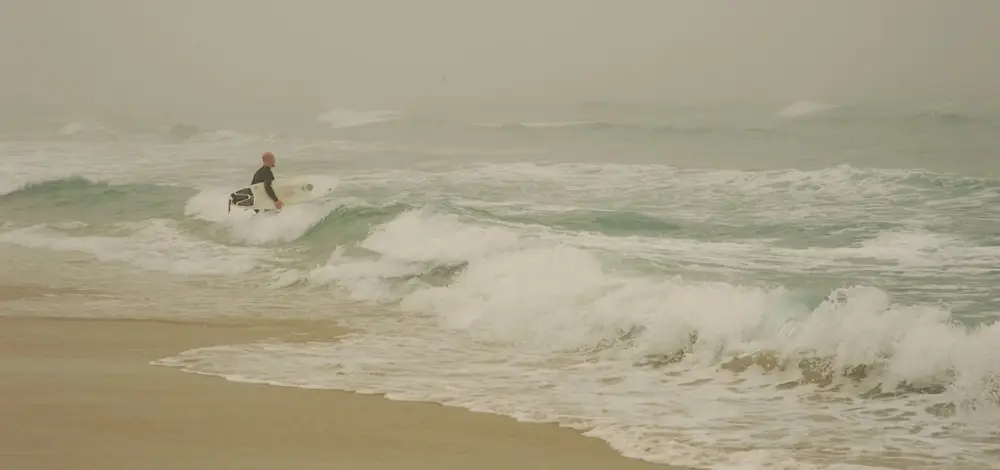
Cold water is a serious hazard in places like Northern California, the Pacific Northwest, New England and the Great Lakes, and in winter almost everywhere outside the tropics. Sudden immersion can trigger cold shock, uncontrolled gasping in the first few minutes, and longer sessions can bring loss of hand strength and, eventually, hypothermia.
- Wear a wetsuit matched to the water temperature, plus a hood, gloves and boots in cold water; see our best wetsuits and wetsuit vs drysuit guides.
- Get out early if your hands stop working well or you start shivering hard.
- Never surf alone in cold water, and tell someone your plan.
Our Great Lakes surfing guide covers cold shock, ice and hypothermia in more detail.
Sun, Surfer's Ear and Long-Term Health
Some surfing risks build up slowly over years in the water.
Sun Exposure
Surfers spend hours in strong sun, with extra glare off the water. Use a water-resistant, broad-spectrum sunscreen and reapply it, wear a rash guard or wetsuit top, and surf earlier or later in the day when you can. Reef-safe formulas are worth considering; see reef-safe sunscreen. Get any new or changing skin spot checked by a doctor.
Surfer's Ear
Surfer's ear (external auditory exostosis) is bony growth that gradually narrows the ear canal. A 2024 systematic review in the European Archives of Oto-Rhino-Laryngology, covering 19 studies and about 3,000 surfers, found reported prevalence ranging from 53% to 90%, with a mean of 67.8%. The authors link it to cold water, wind and long hours of surfing, and note symptoms from mild discomfort to hearing loss and recurring ear infections. They recommend ear protection; surfers typically use earplugs, plus a hood in cold water. Severe cases may need surgery, so see an ear, nose and throat doctor if you notice blocked ears or repeated infections.
Water Quality After Rain
Storm runoff can carry bacteria and pollution into the surf, especially near river mouths, storm drains and harbors. In Southern California, county health departments commonly issue rain advisories telling people to stay out of the ocean for at least 72 hours after significant rain. Check your local beach water-quality reports before surfing after storms, and avoid surfing with open cuts in questionable water.
How to Reduce Your Risk
- Take a lesson when you start; see our how to surf guide.
- Start on a soft-top in small whitewater; see beginner surfboards.
- Surf at lifeguarded beaches, read the flags and ask lifeguards about rips and hazards.
- Check the forecast, tide and wind, and only paddle out in conditions you can handle. See how to read a surf forecast.
- Always wear a leash and keep control of your board.
- Fall safely: fall away from your board, fall flat in shallow water, and cover your head with your arms as you surface.
- Never surf alone in unfamiliar, big or cold conditions.
- Build fitness: strong paddling and swimming are your main safety tools.
- Dress for the water: the right wetsuit, earplugs and sun protection.
- Follow etiquette to avoid collisions, and stay out of crowded peaks while learning.
Is Surfing Safe for Beginners and Kids?
Beginners face real risks, but they're usually manageable: the main ones are being hit by your own board, rip currents and getting out of your depth. Learning on a big soft-top in waist-deep whitewater at a lifeguarded beach removes most of that. Kids should be strong swimmers, supervised closely and taught by a qualified instructor; see kids' surfboards. Wave pools are another controlled place to start; see surf parks and wave pools.
When to Get Medical Help
Call emergency services for anyone who has been unconscious or nearly drowned, even if they seem fine afterward, and for any suspected neck or spinal injury (keep the person still). Get medical care for head injuries with headache, confusion, vomiting or memory problems, deep or gaping cuts, reef cuts that look infected, severe stings or signs of hypothermia. When in doubt, get checked. For more on the sport itself, visit our surfing hub.
Frequently Asked Questions
Is surfing dangerous for beginners?
Beginners face real but manageable risks, mainly being hit by their own board, getting caught in rip currents and surfing beyond their ability. Learning on a soft-top in small whitewater at a lifeguarded beach, ideally with a lesson, removes much of that risk.
What is the most common surfing injury?
Cuts are the most common. In a US study of emergency room visits for surfing head and neck injuries from 2003 to 2022, lacerations made up 53% of cases, and impact with a surfboard was the most common cause.
How likely is a shark attack while surfing?
Very unlikely. The International Shark Attack File confirmed 65 unprovoked shark bites worldwide in 2025, and surfing and board sports accounted for 32% of them, out of the many millions of people who use the ocean each year.
Can you drown while surfing?
Yes. Drowning is the most serious surfing risk, usually linked to rip currents, being held under by big waves, head injuries or losing a board. Wear a leash, never panic in a rip, and surf within your ability.
Is surfing more dangerous than other sports?
Comparisons depend on how injuries and exposure are measured. Most surfing injuries are minor cuts and bruises, while the serious risks come mainly from drowning, big waves and shallow reef.
What is surfer's ear?
Surfer's ear (external auditory exostosis) is bony growth in the ear canal linked to repeated exposure to cold water and wind. A 2024 review found it in a large share of surfers studied; earplugs and hoods are the usual prevention.