Hawaii Surf Spots: From Waikiki Rollers to Pipeline (2026)
Hawaii has waves for first-timers and for the world's best, often on the same island. The trick is matching the shore and the season to your skill. Here's how, island by island.
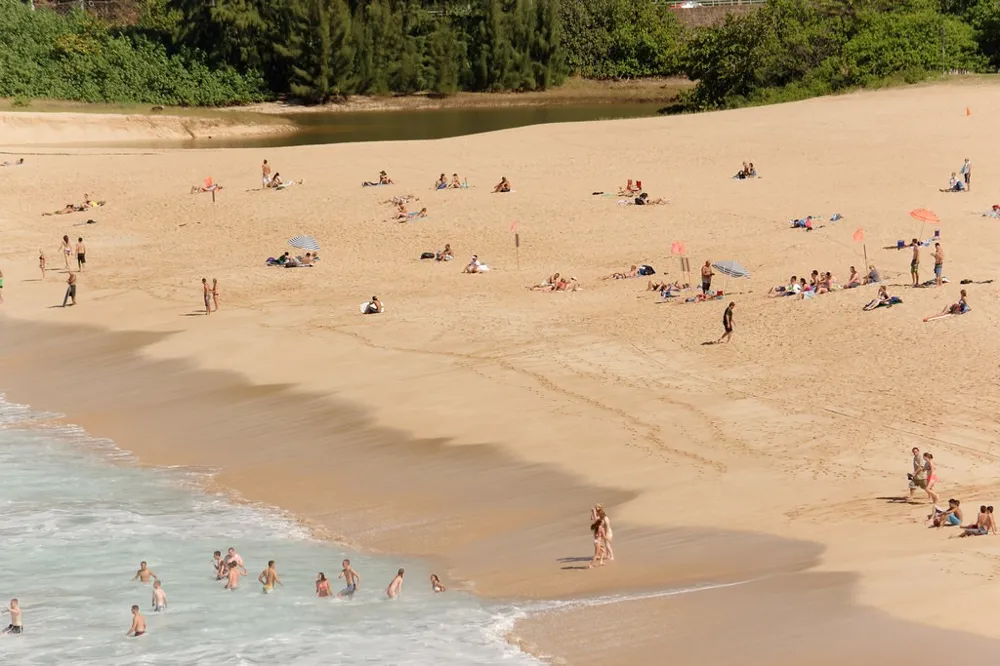
Hawaii Surf Spots at a Glance
Hawaii is often called the birthplace of modern surfing, and its four main surf islands each have breaks for every level. The key rule is simple: north-facing shores get big winter swells, and south-facing shores get smaller summer swells. Use this table to find a starting point, then read the island sections for details.
| Spot | Island and Shore | Wave | Skill Level | Best Season |
|---|---|---|---|---|
| Canoes and Queens, Waikiki | Oahu, South Shore | Gentle, rolling waves | Beginners | Summer |
| Pua'ena Point | Oahu, North Shore | Protected bay, smaller waves | Beginner to intermediate | Winter (smaller days) |
| Sunset Beach (Paumalu) | Oahu, North Shore | Big, shifting reef peaks | Advanced | Winter |
| Banzai Pipeline (Ehukai) | Oahu, North Shore | Hollow A-frame over shallow reef | Experts only | Winter |
| Waimea Bay | Oahu, North Shore | Big-wave bay | Big-wave experts | Winter (often calm in summer) |
| Makaha | Oahu, West Side | Reef break, several sections | Intermediate and up | Year-round |
| Castle's, Kailua | Oahu, East Side | Sections over sand | Beginners | Winter |
| Honolua Bay | Maui | Right-hand point | Advanced | Winter |
| Pe'ahi (Jaws) | Maui, North Shore | Giant outer-reef wave | Big-wave experts | Winter |
| Launiupoko and Ukumehame | Maui, West Side | Mellow reef waves | Beginners | Summer |
| Kahalu'u Bay | Big Island | Inner and outer reef | Beginners (inside) to intermediate | Spring and fall |
| Hanalei Bay | Kauai, North Shore | Large bay, several breaks | All levels (summer); experts (winter) | Year-round |
| Po'ipu and Kalapaki | Kauai, South and East | Gentle waves | Beginners | Summer for Po'ipu |
For how Hawaii compares with California, the East Coast and other states, see our best surf spots in the US, and for global trips, the best surf spots in the world.
Winter vs Summer: How Hawaii's Surf Seasons Work
Hawaii is a tale of two seasons. Powerful north swells hit the islands' north- and west-facing coasts from about November to February, when waves at Oahu's expert North Shore breaks can reach about 30 feet on big days. In summer, those same coasts are often small or flat, and south swells wake up south-facing shores such as Waikiki, South Maui and Po'ipu on Kauai.
- Winter (about November to February): North Shores of Oahu, Maui and Kauai at their biggest. Advanced and expert season. Beginners should head to sheltered or south-facing spots, or to protected corners like Pua'ena Point on small days.
- Summer (about May to September): South shores at their best and gentler conditions on many north shores. The best time for most beginners and intermediates to explore.
- Spring and fall: Shoulder seasons with mixed swells. Spots such as Kahalu'u Bay on the Big Island are often at their best.
- Wind: trade winds blow much of the year. On Maui the wind often picks up by mid-morning, so early sessions are usually cleaner.
Conditions change daily, so check the forecast and current warnings before you go. Our guide to reading a surf forecast explains swell period and direction, and hawaiibeachsafety.com, which the Hawaii Tourism Authority recommends, posts current ocean conditions by beach.
Oahu's North Shore
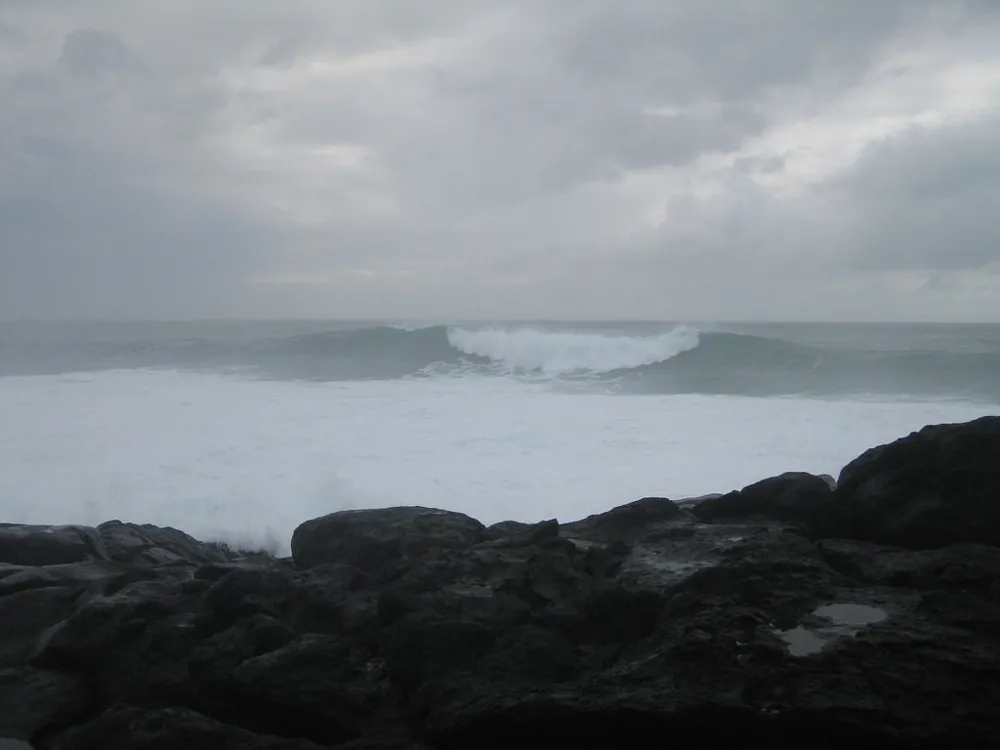
The stretch from Haleiwa to Sunset Beach is often called the Seven Mile Miracle, with dozens of named breaks (one guide counts 36). In winter it is the center of the surfing world. About 30 miles from Waikiki, it is an easy day trip, but parking fills fast when the surf is big.
Haleiwa and Pua'ena Point
The waves around Haleiwa are usually fairly gentle and suit newer surfers, though they grow more powerful in the November to February high-surf months. Haleiwa Beach Park hosts pro and amateur contests each fall and winter. Next door, Pua'ena Point is a protected bay with more sand than reef underfoot; by the time north swells reach it they have lost roughly half their size, which makes it a popular spot for beginners and intermediates in winter.
Chun's Reef, Laniakea and Leftovers
Chun's Reef breaks over reef that is deep enough to be forgiving, with long, rolling waves on small days, and it is a common pick for progressing surfers. Laniakea, also called Turtle Beach, has a long right in small to medium surf but draws crowds. Leftovers is different: a fast, hollow inside section over shallow, jagged reef for experienced surfers only.
Sunset Beach (Paumalu)
Sunset Beach is the North Shore's big, shifting proving ground. The reef can offer up to six peaks, and the paddle out and back is exhausting, so stamina matters as much as skill. It is for advanced surfers in winter. Velzyland and other breaks along the same stretch are just as serious. Search "surfing Sunset Beach Oahu" in summer and you'll find a calmer, swimmable beach; in winter, watch from the sand.
Banzai Pipeline and Backdoor (Ehukai)
Pipeline breaks over a shallow volcanic reef in front of Ehukai Beach Park, producing steep, hollow A-frame waves, with Backdoor breaking alongside it. It is the most famous and one of the most dangerous waves in surfing, and the lineup is dominated by experienced locals and pros. Anyone else should watch from the beach, which is one of the best free shows in sport on a big day. Our surf competitions guide covers the contests held here.
Waimea Bay
Waimea is where big-wave paddle surfing began, and winter waves can reach about 40 feet. It needs huge swells to break properly, and it is dangerous all year. In summer the bay is often calm and full of swimmers. Lifeguards are posted daily, but on the biggest days access has been closed altogether.
Beginner-friendly North Shore options: Pua'ena Point, Haleiwa, Chun's Reef on small days and the beach west of Turtle Bay Resort at the island's northern tip, all best outside peak winter swells.
Oahu's South Shore and Waikiki
The South Shore comes alive in summer with south swells and is the best place in Hawaii to learn. It is also where surfing was revived in the early 1900s; see our history of surfing for that story.
Waikiki: Canoes and Queens
Canoes (Kapuni) is the classic beginner wave: slow and gentle over a sandy bottom, with surf schools and board rentals right on the beach. Queens, next door, is a longboard wave. The challenge is traffic: outrigger canoes and dozens of learners share the same waves, so keep control of your board and watch out for others. Waikiki's outer breaks get crowded with skilled locals, and localism has been reported at some peaks, so newcomers should stick to the beginner zones.
Diamond Head (Le'ahi)
Below Diamond Head, the Cliffs area has several peaks over reef and sand that suit longboards and improving surfers on summer swells, while the Lighthouse peak is steeper and for advanced surfers. Mornings and late afternoons tend to be calmer.
Ala Moana Bowls, Kewalos and White Plains
Ala Moana Bowls is a steep, speedy wave over shallow reef with sea urchins, and Kewalos has fast sections plus boat traffic; both suit intermediate to advanced surfers. White Plains is a wide beach with many peaks, rated as beginner-friendly, that works best in summer but can be surfed year-round.
Oahu's West and East Sides
Makaha (West Side)
Makaha is a reef break with four sections that can work year-round and suits intermediate surfers and up. It hosted the first international surfing championships in 1953, and visitors are expected to respect the local lineup: follow lineup etiquette, wait your turn and don't arrive in a big group. The West Side also takes big winter swells, so check conditions first.
Castle's and Flat Island (East Side)
On the windward side, Castle's in Kailua is rated beginner-friendly, breaking in several sections over sand, and works mostly in winter. Flat Island (Popoi'a), about a quarter mile off Kailua, has a wave for beginners and longboarders, but the reef gets shallow at low tide.
Maui
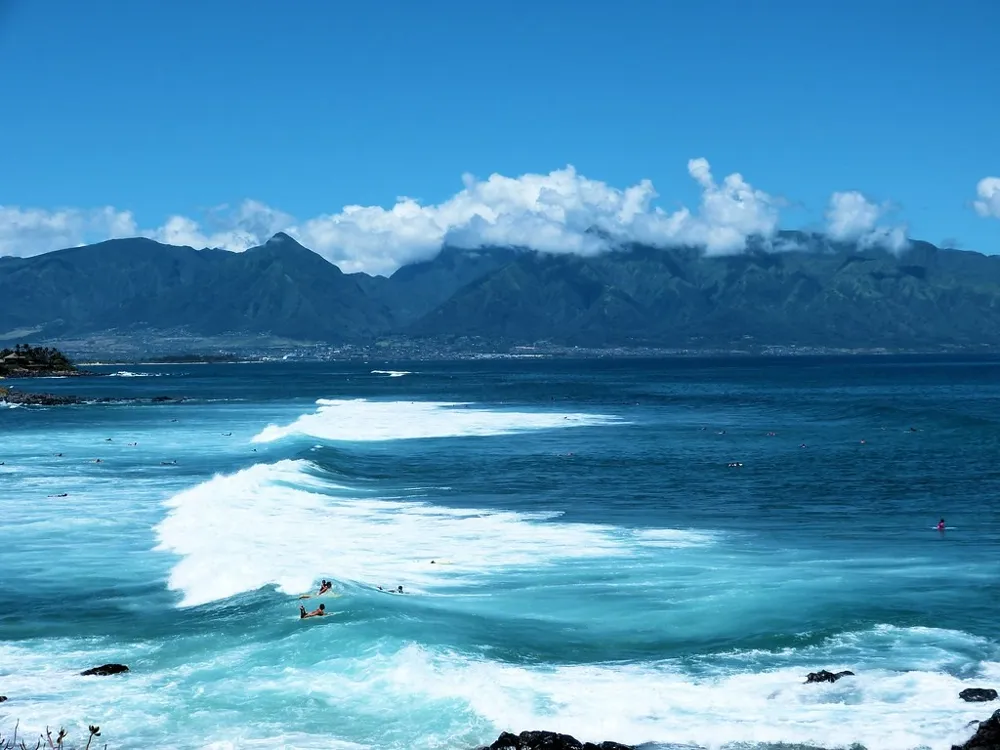
Maui has world-famous winter waves on its north and northwest coasts and gentle summer waves on its west and south sides. Winds often pick up by mid-morning, so plan to surf early.
Honolua Bay
Honolua is a right-hand point break in a bay, at its best in winter with hollow, racing walls and a chance of a barrel. Access is a scramble down a cliffside path, street parking is limited and the takeoff is powerful, so it suits advanced surfers. From about May the bay calms down and becomes a snorkeling spot.
Pe'ahi (Jaws)
Jaws forms when huge north swells move from deep water onto a shallow reef, and waves can reach about 60 feet. It is surfed by big-wave specialists, often towed in by personal watercraft. Spectators watch from the cliffs with binoculars; the dirt road usually needs a 4x4.
Ho'okipa
Ho'okipa Beach Park, at mile marker 9 on the Hana Highway, is a winter reef break with several peaks and also one of the world's best-known windsurfing spots. Strong wind and rip currents make it a place for advanced surfers; newer surfers can watch from the sand.
Beginner and Summer Spots
- Launiupoko Beach Park: a south-facing West Maui spot with mellow summer waves for longboarding and lessons, plus a protected pool for kids.
- Ukumehame Beach Park: nicknamed "Thousand Peaks" for its many gentle reef waves; the inside gets shallow at low tide.
- Ka'anapali Beach: short, consistent waves that suit beginners in summer, though it can get big in winter.
- Kihei Cove: a South Maui spot for beginners and intermediates where swells can roll for over 100 yards.
Intermediate and Advanced Summer Waves
Ma'alaea's "Freight Trains" is a fast right over shallow reef that only works on a big summer swell with the right wind, while Makena State Beach (Big Beach) has a powerful, dangerous shorebreak best left to experienced bodyboarders and bodysurfers. Kahului Harbor produces a wedging wave in winter that can suit intermediates on smaller days.
The Big Island (Hawaii Island)
Surf guides list far fewer well-known breaks on the Big Island than on Oahu or Maui, but there are good options for learners and experienced surfers alike.
- Kahalu'u Bay: the island's best-known learning spot. The central, inner reef has mellower waves for beginners, with instructors nearby, and the outer reef has a wedgy wave for intermediates and up. Spring and fall are often best.
- Pine Trees: a set of breaks for experienced surfers, with a bay area for beginners. Reaching the beach can require a 4x4.
- Honoli'i Beach Park: a consistent break popular with local, fairly advanced surfers.
- Anaeho'omalu Bay (A-Bay): a bay also popular for windsurfing.
As at many Hawaii breaks, check for reef and rock at the entry and exit points before paddling out.
Kauai
Kauai follows the same pattern: a North Shore with dangerous winter surf and gentler breaks on the south and east sides. The island's North Shore big-wave season runs from about November to February, and those breaks should not be attempted by inexperienced surfers.
Hanalei Bay
Hanalei is a wide, scenic bay with several distinct breaking areas. In summer its waves are gentle enough for newer surfers, and in winter it becomes a serious wave for experienced riders.
Po'ipu, Kiahuna and Shipwreck Beach (South Shore)
Po'ipu has gentle, beginner-friendly waves and lessons nearby. At Kiahuna Beach, beginners stay near shore while experienced surfers ride beyond the reef. Shipwreck Beach suits intermediate surfers, mainly from about May to September, with short lefts, backwash and sharp coral and rock.
Kalapaki and Kealia (East Side)
Kalapaki Beach has long, gentle waves, partly protected by a breakwall, and is good for families and beginners. Kealia is an intermediate to advanced spot that is busy with locals.
Kauai's waves often arrive in sets, so a calm-looking ocean can suddenly produce larger waves. Watch for a while before you go out.
Best Spots for Beginners and Surf Lessons
If you're learning, pick the island's smaller side for the season and take a lesson. Surf schools on all four islands take students to suitable breaks; on Kauai, for example, the state tourism site says lessons typically last one to two hours.
| Island | Beginner Spots | Notes |
|---|---|---|
| Oahu | Waikiki (Canoes, Queens), White Plains, Castle's, Pua'ena Point, Chun's Reef (small days) | Most surf schools are on Waikiki Beach |
| Maui | Launiupoko, Ukumehame, Ka'anapali, Kihei Cove | West and South Maui; surf early before the wind |
| Big Island | Kahalu'u Bay (inner reef), Pine Trees bay area | Fewer options; instructors at Kahalu'u |
| Kauai | Po'ipu, Kalapaki, Kiahuna (near shore), Hanalei (summer) | Avoid the North Shore in winter |
A soft-top longboard makes the first sessions much easier; see soft-top surfboards and beginner surfboards, and review the basics in how to surf before your lesson.
Hazards: Reef, Shorebreak, Currents and Crowds
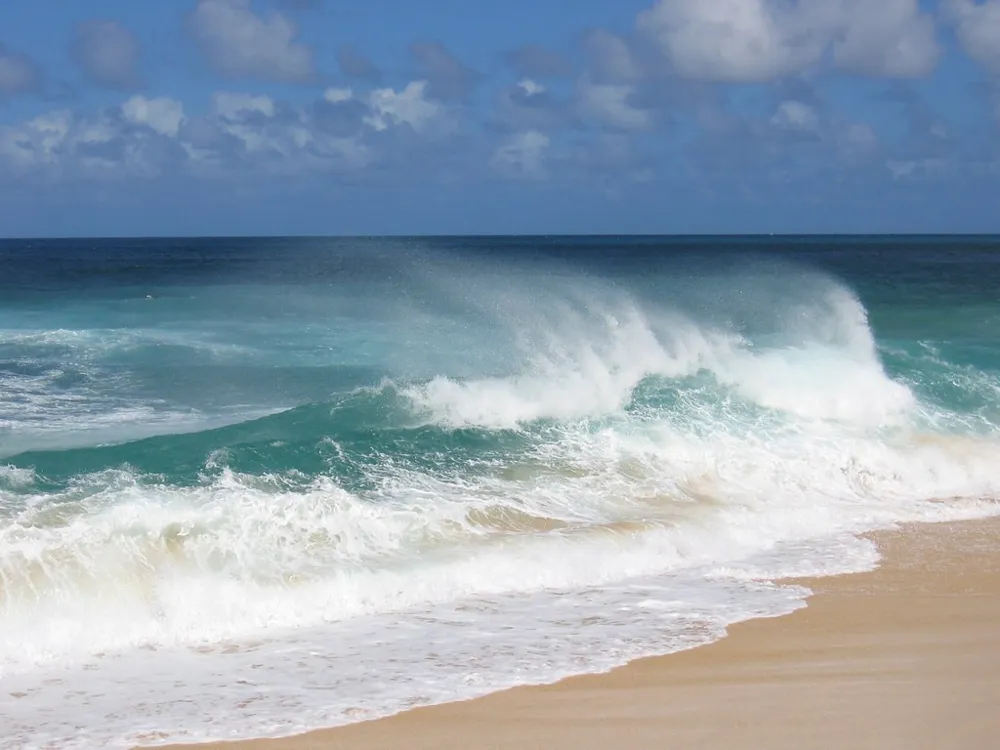
Hawaii's waves carry more power than most mainland surf, and many famous breaks sit over shallow reef. Before paddling out:
- Talk to the lifeguards. They know about rip currents, hidden rocks and shorebreak on the day. Surf at guarded beaches when you can.
- Reef and lava rock: falling on shallow reef can cause deep cuts and serious injuries, especially at low tide. Watch for sea urchins too. Plan your entry and exit, and see a medical professional about reef cuts that look infected.
- Shorebreak: waves dumping on a shallow sandbar can cause neck and spinal injuries even when small. Makena's Big Beach on Maui is a well-known example.
- Rip currents: don't fight the current; float, swim at an angle toward shore once it releases you, and signal for help. Our rip currents guide explains more.
- Sets and rogue waves: never turn your back on the ocean, and stay off wet rocks; spectators on big days get caught every year when they ignore signs and tape.
- Crowds: collisions are a real risk at Waikiki and other busy breaks. Always hold on to your board and use a leash.
The Hawaii Tourism Authority's own rule of thumb: if in doubt, don't go out. For a wider look at the risks, see is surfing dangerous?
Localism and Lineup Etiquette in Hawaii
Surfing is part of Hawaiian culture, not just a sport, and many lineups are close-knit communities. Some North Shore and West Side breaks are dominated by local surfers who have ridden them for decades, so it's wise to sit and watch for a while before joining in. A few practical rules go a long way:
- Surf breaks that match your skill. Expert spots such as Pipeline are not a place to "try."
- Follow priority: the surfer closest to the peak has the wave. Never drop in.
- Don't arrive in a big group, don't hog waves and be patient.
- Say hello, show respect to locals and lifeguards, and take your trash with you.
- Give way to outrigger canoes and surf school groups at Waikiki.
Our full surf etiquette guide covers priority, snaking, paddling out and what to do when you make a mistake.
Watching Pipe Masters, the Eddie and Winter Contests
Winter on Oahu's North Shore is contest season, and most events are free to watch from public beaches. As of November 2026, the key dates are:
| Event | Location | 2026/27 Dates or Window |
|---|---|---|
| Lexus Pipe Masters (WSL Championship Tour) | Ehukai Beach Park (Pipeline) | December 8–20, 2026 |
| Eddie Aikau Big Wave Invitational | Waimea Bay | Holding period December 6, 2026 to March 4, 2027 |
The Pipe Masters was first held in 1971, and in 2026 it is the title-deciding finale of the pro season. The Eddie honors Eddie Aikau, the Hawaiian big-wave surfer and Waimea Bay lifeguard who was lost at sea in 1978. It runs only when open-ocean swells reach about 20 feet, which is why it has been held just 11 times, most recently in 2024. Contests run only on the best few days within each window, and Honolulu's permit calendar lists more pro and amateur events at Haleiwa, Sunset and Pipeline through spring 2027, so check the official event sites for daily calls. Arrive early on big days, because parking near Sunset Beach and Pipeline fills fast. For formats and judging, see our surf competitions guide.
Planning Your Hawaii Surf Trip
- Pick your island by level: Oahu for variety and lessons, Maui for a mix of beginner beaches and famous winter waves, Kauai for a quieter trip and the Big Island for fewer crowds.
- Time your visit: come in winter to watch the North Shore or surf it if you're advanced; come in summer for the south shores and easier learning.
- Boards: rentals are easy to find at Waikiki and in Maui surf shops, and lessons are offered on all four islands. If you fly with your own board, use a padded surfboard bag and check your airline's rules.
- Gear: warm water means most surfers skip a wetsuit. Bring a rash guard, reef-safe sunscreen and tropical surf wax.
- Access: some spots need a cliff scramble, a long walk or a 4x4. Respect private property and parking rules.
- Not surfing today? Calm days are great for snorkeling in Hawaii or bodyboarding small shorebreak at guarded beaches.
Related Guides
Explore more surfing guides, compare US surf spots and surf spots around the world, learn about Olympic surfing, or find a wave closer to home at surf parks and wave pools.
Frequently Asked Questions
Where is the best place to surf in Hawaii for beginners?
Waikiki on Oahu, especially Canoes and Queens, is the classic place to learn, with gentle waves and many surf schools. Other good options include Launiupoko and Ukumehame on Maui, Kahalu'u Bay's inner reef on the Big Island, and Po'ipu, Kalapaki and summer Hanalei Bay on Kauai.
When is the best time to surf in Hawaii?
It depends on the shore. North-facing coasts get their biggest swells in winter, roughly November to February, while south-facing coasts such as Waikiki get their waves mainly in summer. Beginners usually do best on whichever side is smaller.
Can beginners surf the North Shore of Oahu?
Sometimes. Spots such as Pua'ena Point, Haleiwa and Chun's Reef can be gentle in summer or on small days, but winter swells make much of the North Shore expert-only. Check with lifeguards before paddling out.
What is the most famous surf spot in Hawaii?
The Banzai Pipeline at Ehukai Beach on Oahu's North Shore is the most famous, known for hollow waves over shallow reef. It is for experts only and hosts the Pipe Masters.
Which Hawaiian island is best for surfing?
Oahu has the most variety and the most famous breaks, from Waikiki to the North Shore. Maui adds Honolua Bay and Pe'ahi (Jaws), Kauai has Hanalei Bay and quieter breaks, and the Big Island has fewer well-known breaks, led by Kahalu'u Bay.
Do you need a wetsuit to surf in Hawaii?
Usually not, because the water is warm year-round. Many surfers wear a rash guard or board shorts and use reef-safe sunscreen; a thin top can help on windy winter days.
When does the Eddie happen?
Only when waves are big enough. The 2026/27 holding period at Waimea Bay runs from December 6, 2026 to March 4, 2027, and the contest has run just 11 times, most recently in 2024.