Where to Snorkel in Hawaii, Island by Island (2026)
Hawaii has reef snorkeling on every major island, from sandy beginner coves to boat-only craters. The trick is matching the spot to the season, the surf and the rules.
Why Hawaii Is One of the Best Places to Snorkel
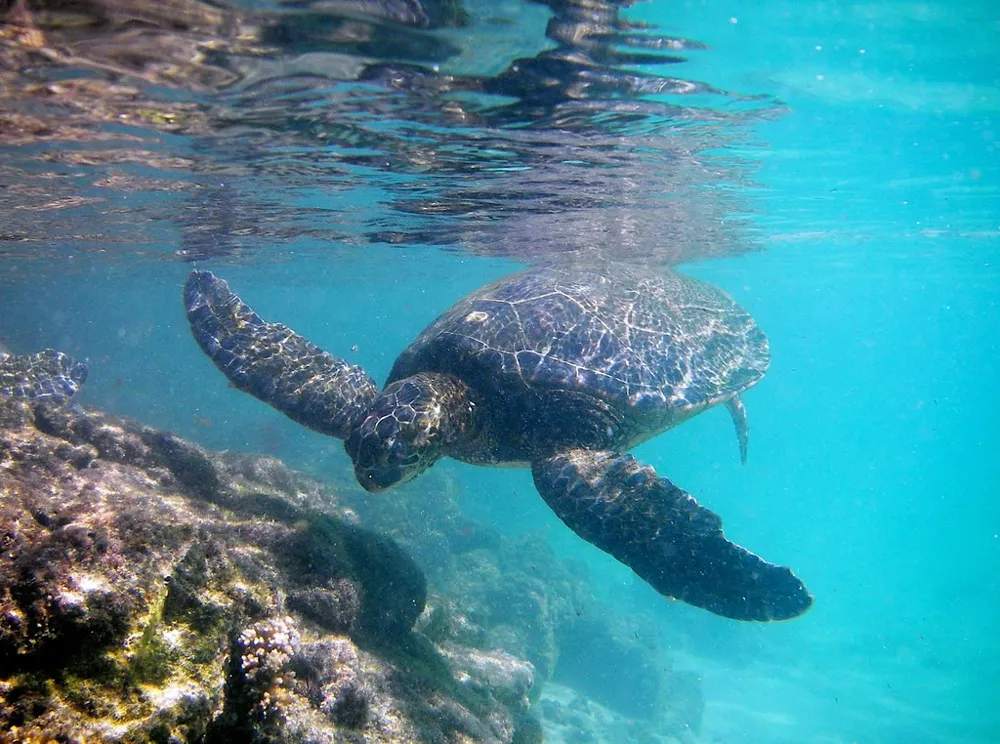
Hawaii puts warm, clear water and living reefs within a short swim of the beach on every major island. You can float over coral with green sea turtles (honu) at a sandy cove in the morning and take a boat to a sunken volcanic crater in the afternoon. That's why our list of the world's best snorkeling spots includes Hanauma Bay, but Oahu's famous preserve is only the start.
This guide goes island by island through Oahu, Maui, the Big Island and Kauai. It covers the spots most worth your time, when each shore is safe, how you get in the water and which places need a reservation or permit. Rules, hours and closures change often, especially after storms, so every rule below is labeled with when we checked it. Confirm on the official site before you go. New to snorkeling? Read how to snorkel first.
Hawaii's Best Snorkel Spots Compared
| Spot | Island | Access | Level | Best Season | Reservation or Permit |
|---|---|---|---|---|---|
| Hanauma Bay | Oahu | Shore, sand | Beginner | Year-round | Yes (city reservations) |
| Shark's Cove and Three Tables | Oahu | Shore, lava rock | Intermediate | Summer only | No |
| Molokini Crater | Maui | Boat only | All levels on tours | Year-round, calm days | Tour operators need state permits |
| Honolua Bay | Maui | Shore, rocky | Intermediate | Summer | No |
| Kapalua Bay | Maui | Shore, sand | Beginner | Most of the year | No |
| Black Rock, Ka'anapali | Maui | Shore, sand | Beginner | Most of the year | No |
| Turtle Town (Maluaka/Makena) | Maui | Boat or shore | Intermediate | Calm mornings | No |
| 'Ahihi-Kina'u Reserve | Maui | Shore, lava rock | Intermediate | Calm days | No |
| Kealakekua Bay | Big Island | Kayak, boat or long hike | Intermediate | Year-round | Permitted vessels or tours |
| Two Step (Honaunau Bay) | Big Island | Shore, lava ledge | Intermediate | Year-round | No |
| Kahalu'u Beach Park | Big Island | Shore, easy | Beginner | Calm days, often summer | No |
| Tunnels (Makua) Beach | Kauai | Shore, sand | Intermediate | Summer only | No (parking is limited) |
| Ke'e Beach | Kauai | Shore, sand | Beginner on calm days | Summer | Yes for non-residents (Ha'ena State Park) |
| Po'ipu Beach Park | Kauai | Shore, sand | Beginner | Year-round | No |
"Best season" is a general guide. Any spot can be dangerous on a high-surf or windy day, and any north-shore spot can be unsafe in winter.
Oahu Snorkeling Spots
Oahu is the easiest island to snorkel on a short trip because the best-known spots are within a drive of Honolulu and Waikiki. The South and East shores are the year-round side; the North Shore is a summer-only snorkel coast.
Hanauma Bay Nature Preserve
Hanauma Bay sits inside a volcanic crater on Oahu, east of Honolulu, with a shallow reef starting just off the sand. It's a protected Marine Life Conservation District and a city nature preserve, and it's one of the easiest places in Hawaii for a first-timer to see reef fish and turtles in calm water. Lifeguards are on duty. Because it's so popular, the City and County of Honolulu limits visitor numbers. See the reservation details in the rules section below, and expect crowds even with the cap.
Shark's Cove and Three Tables (Pupukea)
On the North Shore, Shark's Cove (Kapo'o) and nearby Three Tables at Pupukea Beach are part of a Marine Life Conservation District with lava-rock pools and reef. Taking sand, rocks or sea life is against the law here. They're summer-only spots: from roughly May to September the water is often calm, but winter swells turn this coast into big-wave territory (see our Hawaii surf spots guide for how those seasons work). Wear water shoes for the rocky entry.
Waikiki and Ala Moana
Parts of Waikiki, such as the area near the Waikiki Aquarium, and Ala Moana Beach offer easy, less famous snorkeling without a reservation. Boat tours also run from Waikiki and the West Side marinas. One extra hazard on the South Shore: box jellyfish tend to come inshore about 8 to 10 days after each full moon, so check the Waikiki Aquarium's box jellyfish calendar before you swim.
Maui Snorkeling Spots
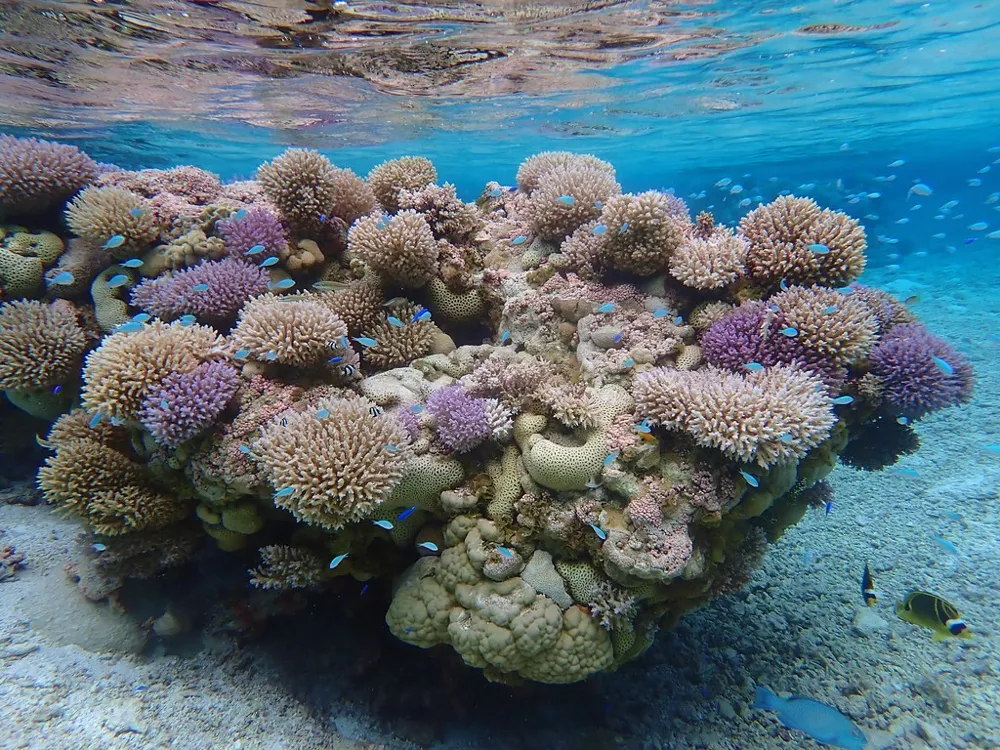
Maui is many snorkelers' favorite island because its west and south coasts are sheltered for much of the year and it has the state's most famous boat dive site, Molokini. Mornings are best; trade winds usually pick up in the afternoon.
Molokini Crater
Molokini is a small volcanic crater about three miles off Maui's southwestern coast. It's a Marine Life Conservation District, and the only practical way to snorkel it is on a boat tour. State rules ban taking marine life, feeding fish and taking or altering coral, sand or rock inside the district. Commercial operators need a state permit to put swimmers in the water, and boats may not anchor where the state has set up day-use moorings. Visibility is often excellent, and morning tours tend to get the calmest, clearest water.
Honolua Bay and Kapalua Bay
Honolua Bay, north of Kapalua on West Maui, is a Marine Life Conservation District with a rocky entry. It's a summer spot: in winter, the same bay becomes a well-known surf break. Kapalua Bay, just south, is the gentler option, with a sandy entry that suits beginners and families. Neither has a lifeguard.
Black Rock (Ka'anapali)
Black Rock, on Ka'anapali Beach, is a lava headland with a sandy beach entry. It's an easy, casual pick if you've rented your own gear, and a lifeguard is nearby, though not at the entry itself. As anywhere, ask about currents before you swim out.
Turtle Town and 'Ahihi-Kina'u
"Turtle Town" is the nickname for the reef area around Maluaka Beach and Makena Landing in South Maui, known for frequent honu sightings. Many boat tours stop here, and you can also swim out from shore on calm mornings. Farther south, the 'Ahihi-Kina'u Natural Area Reserve protects a rugged lava coastline with diverse marine life. Entries are over rock, parking is limited and conditions change quickly, so it suits confident snorkelers on calm days.
Big Island Snorkeling Spots
The Big Island's Kona (west) side is sheltered from the trade winds and has some of the clearest, calmest water in Hawaii. Most of the best snorkeling is between Kailua-Kona and Honaunau, plus the resort beaches of the Kohala Coast.
Kealakekua Bay
Kealakekua Bay, about 12 miles south of Kailua-Kona, is a Marine Life Conservation District and a State Historical Park. The best reef lies off Ka'awaloa, near the Captain Cook Monument, on the far side of the bay. As of November 2026, Hawaii State Parks lists two ways to get there: hike the steep Ka'awaloa Trail from the uplands (no restrooms, pack out your trash), or join a guided kayak tour with a permitted vendor. Private and rental kayaks can cross the bay only if the vessel has a valid state transit permit, and launching from the Napo'opo'o wharf is prohibited. Boat tours from Kona also visit. Spinner dolphins often rest in the bay; see the dolphin rules below.
Two Step (Honaunau Bay)
Two Step is named for its entry: you climb down a lava-rock shelf straight into deeper water next to the reef. It's a favorite for honu and reef fish, and the reef drops off quickly. It sits just outside Pu'uhonua o Honaunau National Historical Park at the Honaunau Bay boat ramp, and the water access is managed by the County of Hawai'i. According to the National Park Service, snorkeling is not allowed in the park's Keone'ele Cove, which is a culturally important site. The park also asks snorkelers to park outside the park gate, since its small lot fills by midday, and to watch for boat traffic at the ramp.
Kahalu'u Beach Park
Kahalu'u, on the Kona coast, is a protected cove with one of the easiest entries on the island, a lifeguard, restrooms and parking, plus tide pools that kids enjoy. It's a top pick for beginners on calm days, but high surf can make it rough.
Beach 69 (Waialea Bay)
Beach 69 on the Kohala Coast is a quieter, shady beach with calm water, a rocky shoreline and good snorkeling, but no lifeguard or facilities. It's part of the Hapuna Beach State Recreation Area. In October 2026 Hawaii State Parks listed the Waialea section as closed because of fallen trees; check the park notices for its current status.
Manta Ray Night Snorkel
The Kona and Kohala coasts are known for night snorkel tours with manta rays. Bright lights attract plankton, and the mantas come in to feed on it below the snorkelers, who float at the surface with flotation provided by the tour. It's a guided boat activity. Choose an operator that keeps groups small and approaches quietly, skip it if night water makes you nervous, and don't touch the mantas.
Kauai Snorkeling Spots
Kauai's snorkeling depends heavily on the season. The North Shore has some of Hawaii's prettiest reefs, but winter surf (roughly November through March) often makes it too dangerous to swim. The South Shore around Po'ipu is the year-round option.
Tunnels (Makua) Beach
Tunnels, near Ha'ena on the North Shore, is known for a large offshore reef with diverse marine life and good visibility. It's a summer-only spot, roughly May to September, and it rewards confident swimmers who stay inside the reef. Parking is limited, so arrive early.
Ke'e Beach (Ha'ena State Park)
Ke'e Beach sits at the end of the road, where the Kalalau Trail begins. On calm summer days its reef-protected water is good for beginners. It's inside Ha'ena State Park, which requires advance reservations for non-residents (see the rules section).
'Anini Beach
'Anini, on the North Shore, has a long fringing reef that protects a shallow lagoon, which makes it one of the calmer entries on Kauai in summer. Stay inside the reef, and skip it when winter surf is up.
Po'ipu Beach Park and Lydgate
Po'ipu Beach Park on the South Shore has a lifeguard and a sandy entry, making it Kauai's most reliable beginner spot, including in winter. On the East Side, the north end of Lydgate Beach Park has a man-made rock barrier that shelters a swimming area from surf and currents, a good choice for children. For a boat trip, Na Pali Coast snorkel tours usually run in the calmer summer months.
Which Hawaiian Island Is Best for Snorkeling?
| Island | Strengths | Watch Out For |
|---|---|---|
| Maui | Molokini, many sheltered beaches on the west and south shores, frequent turtles | Afternoon wind; Honolua is summer-only |
| Big Island | Calm, clear Kona coast; Kealakekua, Two Step, manta night snorkels | Rocky lava entries; Kealakekua access is limited |
| Oahu | Hanauma Bay and easy logistics from Honolulu | Hanauma reservations; North Shore is summer-only; box jellyfish timing |
| Kauai | Beautiful North Shore reefs, Na Pali boat tours | Winter surf closes much of the North Shore; Ha'ena reservations |
If snorkeling is the main goal of your trip, Maui and the Big Island give you the most options in the most kinds of weather. Oahu is the best choice if you want one famous beginner spot plus city convenience. Kauai is wonderful in summer, but in winter plan around Po'ipu and the South Shore. Some Maui boat tours also visit Lana'i.
When to Snorkel in Hawaii: Conditions by Season
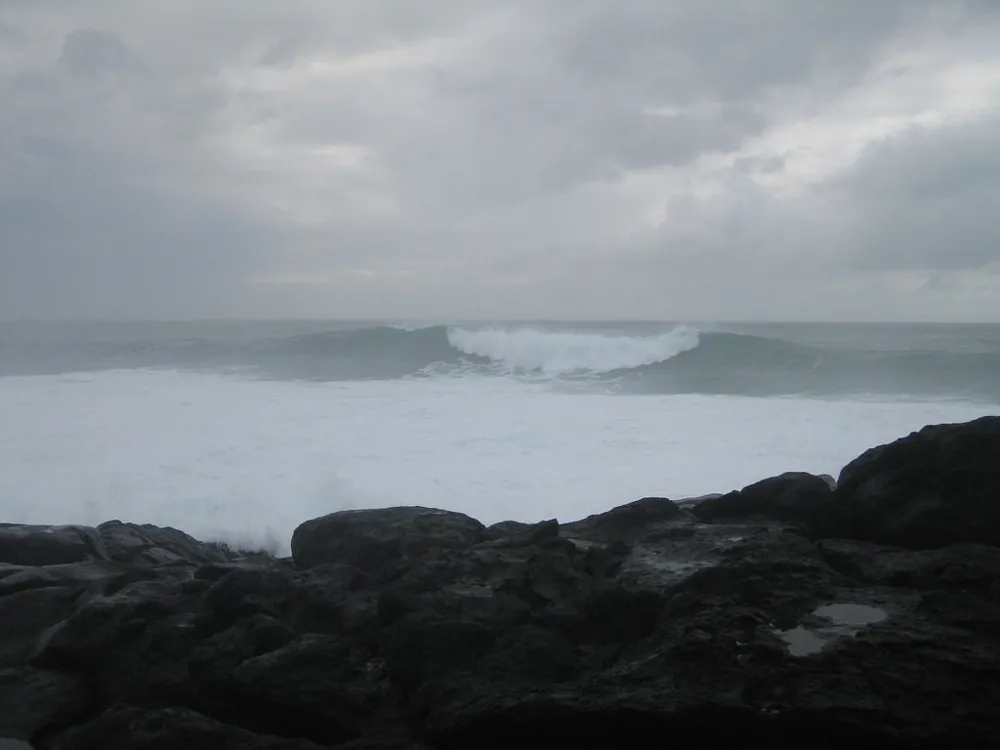
Hawaii's ocean has two main seasons, and they matter more for snorkelers than air temperature does. It's the same pattern that drives the surf: big north swells in winter, smaller south swells in summer.
| Season | North-Facing Shores | South- and West-Facing Shores |
|---|---|---|
| Winter (about November to March) | Often big surf and strong currents; avoid snorkeling (Shark's Cove, Honolua, Tunnels, Ke'e, 'Anini) | Usually the best choice (Hanauma, Kona coast, South Maui, Po'ipu) |
| Summer (about May to September) | Often calm and clear; prime time for North Shore spots | Still good, but south swells can bring surf on some days |
| Spring and fall | Mixed; check daily | Mixed; check daily |
- Go in the morning. Trade winds usually build through the day, so mornings are calmer with better visibility. Hawaii's ocean safety program also recommends mornings and advises avoiding dawn, dusk and murky water.
- Check conditions every day. Hawaiibeachsafety.com posts current ocean conditions by beach, and lifeguards are the best source on the spot.
If you get cold on long swims or boat trips, a rash guard or thin wetsuit top helps; see our wetsuit guide.
Entry Types: Sand, Lava Rock and Boat
How you get in the water decides which spots suit you. Before you swim out, pick your exit and a backup, as our snorkeling safety tips explain.
| Entry Type | Examples | Tips |
|---|---|---|
| Sandy beach | Hanauma Bay, Kapalua Bay, Po'ipu, Ke'e, Black Rock | Easiest for beginners. Put fins on in knee-deep water and shuffle or walk backward. |
| Lava rock or ledge | Two Step, Shark's Cove, 'Ahihi-Kina'u, Honolua | Wear water shoes or booties, time your entry between waves and sit down to put fins on. Rocks can be slippery and sharp. |
| Boat | Molokini, Turtle Town tours, Kealakekua tours, Na Pali, manta night snorkel | Crew briefs you and provides flotation. Use the ladder and listen for the return signal. |
| Kayak | Kealakekua Bay (permitted vessels only) | Go with a permitted tour or confirm your rental has a valid state permit. |
Reservations, Permits and Park Rules (as of November 2026)
These are the rules we checked on official city, county, state and National Park Service pages in November 2026. They change without much notice, so check each site before you go.
Hanauma Bay (City and County of Honolulu)
- Open Wednesday to Sunday, with entry from 6:45 a.m. to 1:30 p.m. The beach is cleared at 3:30 p.m., and everyone must leave by 4 p.m.
- Closed every Monday and Tuesday, plus Christmas Day and New Year's Day.
- Admission-only reservations open two days before your visit and stay open until they sell out or until midnight the night before. Admission with transportation can be booked up to a month ahead.
- Walk-in tickets are limited and handed out first come, first served when the gate opens at 6:45 a.m. Everyone in the group must be present.
- Every visitor watches the educational video on every visit, and reservations require a photo ID that matches the booking. Reservations are non-transferable and non-refundable.
Check the official Hanauma Bay page for the current schedule and booking links. The preserve sometimes closes temporarily for repairs.
Ha'ena State Park and Ke'e Beach (Hawaii State Parks)
- Non-residents need advance entry reservations for everyone in the vehicle, plus a parking reservation or a shuttle booking. Reservations open up to 30 days ahead.
- Hawaii residents with a Hawaii driver's license or ID are exempt from the reservation system.
- The park reopened on October 15, 2026, after storm closures. See the Ha'ena State Park page.
Kealakekua Bay State Historical Park
- Open daily, 7 a.m. to 8 p.m.
- Reach Ka'awaloa by the Ka'awaloa Trail or a permitted kayak tour. Any kayak or boat crossing the bay needs a valid state permit. Renters don't need their own permit, but should confirm the kayak has one.
- Launching from the Napo'opo'o wharf is prohibited. See the Kealakekua Bay park page.
Marine Life Conservation Districts
Hanauma Bay, Pupukea (Shark's Cove), Molokini, Honolua-Mokule'ia and Kealakekua are all state Marine Life Conservation Districts. Rules differ by district, but in general you can't take or harm marine life, take sand, coral or rock, or feed fish. Molokini's specific rules are on the DLNR Division of Aquatic Resources page.
Storm Closures in 2026
Hawaii State Parks closed many parks after Hurricane Lowell in early September 2026 and Tropical Storm Nolo in late September. Most have reopened, but as of mid-November 2026 some parks and facilities were still closed or limited. Check the state park notices before any trip.
This is general visitor information, not legal advice.
Hawaii's Reef-Safe Sunscreen Laws
Hawaii restricts sunscreen ingredients at both the state and county level to protect its reefs. Here's how the rules stack up, last checked November 2026:
| Law | Where | What It Does |
|---|---|---|
| Act 104 (2018), now HRS 342D-21 | Statewide | Since January 1, 2021, bans selling, offering for sale or distributing sunscreen that contains oxybenzone or octinoxate, unless prescribed by a licensed healthcare provider |
| Maui County Bill 135 | Maui, Moloka'i, Lana'i | Bans the sale, distribution and use of non-mineral sunscreens; took effect October 1, 2022 |
| Hawaii County law | Big Island | Bans the sale and distribution of non-mineral sunscreens |
What this means for you:
- Bring mineral sunscreen. Products whose only active ingredients are zinc oxide and/or titanium dioxide meet every rule above. On Maui, using a non-mineral sunscreen is itself against county law.
- "Reef safe" isn't a legal standard. Hawaii's law names specific ingredients, so read the active ingredients list, not the marketing. The National Park Service's Pu'uhonua o Honaunau page also suggests avoiding avobenzone, homosalate, octisalate, octocrylene and nanoparticles.
- Cover up instead. A long-sleeve rash guard, leggings and a hat mean less sunscreen in the water. Our rash guard guide and reef-safe sunscreen picks can help.
Marine Life Rules and Viewing Distances
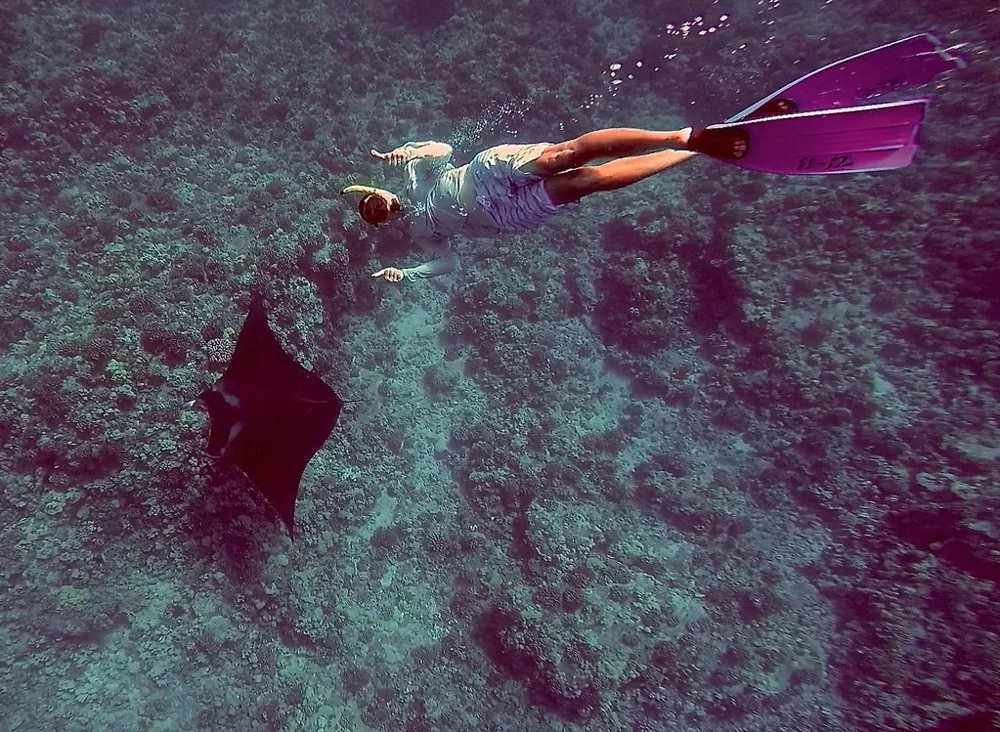
Hawaii's sea turtles, monk seals, dolphins and whales are protected under state and federal law. The distances below match what we give in our snorkeling safety tips:
| Animal | Distance | Source |
|---|---|---|
| Green sea turtles (honu) | At least 10 feet (recommended) | NOAA Fisheries |
| Hawaiian monk seals | At least 50 feet (recommended) | NOAA Fisheries |
| Spinner dolphins | No swimming with them or staying within 50 yards (federal rule) | NOAA Fisheries |
| Humpback whales | No approaching within 100 yards (federal rule) | NOAA Fisheries |
- Never touch, chase, ride or feed turtles, fish or any other animal. Feeding fish is banned in Marine Life Conservation Districts.
- Don't stand on coral. Float flat, and if you need to back away from the reef, swim parallel to it rather than pushing off.
- Give turtles a clear path to the surface to breathe, and leave resting turtles on the beach alone.
- Spinner dolphins often visit bays such as Kealakekua. Enjoy them from a distance; don't swim out to them.
Snorkel Safety in Hawaii
Hawaii's ocean safety program says more visitors drown while snorkeling than during any other activity, so treat Hawaii's ocean with respect even on postcard-calm days. The essentials:
- Snorkel with a buddy and choose lifeguarded beaches when you can.
- Ask the lifeguard about currents and the safest area before you go in.
- Use flotation. A snorkel vest lets you rest without panicking.
- Know your health. Heart and lung conditions have been linked to many snorkeling deaths in Hawaii. Ask your doctor before your trip if they apply to you, and take an easy first day after a long flight.
- Stop if anything feels wrong: shortness of breath, coughing, dizziness or unusual tiredness. Lift your mask, float and signal your buddy.
- Watch for stinging animals, such as box jellyfish on Oahu's South Shore after full moons and Portuguese man-of-war.
Our full snorkeling safety guide covers currents, exits and Hawaii's snorkeling research in depth. This isn't medical advice; see a doctor if you have health concerns.
Snorkel Gear: Bring Your Own or Rent?
Boat tours usually include masks, snorkels and fins, and rental shops near popular beaches rent gear by the day or week. Bringing your own makes sense if you plan several shore snorkels, wear glasses or want a mask you know fits.
- Mask: fit matters more than anything else. See our snorkel masks and, for glasses wearers, prescription snorkel masks.
- Full-face masks: Hawaii's ocean safety program advises renting only from licensed vendors, getting a proper fit and practicing removing the mask. Read our full-face snorkel mask guide before you use one.
- Fins: short travel fins pack easily; see snorkel fins or a complete snorkel set.
- Water shoes or fin booties for lava-rock entries like Two Step and Shark's Cove.
- A dry bag for keys and phone; see dry bags.
- An underwater camera if you want turtle photos; see underwater cameras.
Shore Snorkeling vs Boat Tours
Shore snorkeling is flexible and free at most beaches, and it's how you'll see spots like Two Step, Kahalu'u, Kapalua and Po'ipu. Boat tours are the only way to reach Molokini, the outer reefs of Turtle Town, the Na Pali Coast and the manta night snorkel, and a tour is the easiest way into Kealakekua Bay. Tours also add a crew watching from the boat, flotation and a briefing, which helps if you're new or nervous.
When choosing a tour, look for operators that give a safety and reef briefing, provide flotation, keep groups small and use moorings instead of anchoring on reefs. For more trip ideas, browse our best snorkeling in the U.S., Florida and Caribbean guides, or start at the snorkeling and diving hub.
Frequently Asked Questions
Which Hawaiian island has the best snorkeling?
Maui and the Big Island are the usual favorites. Maui has Molokini and a long, sheltered west and south coast, and the Big Island's Kona side has calm water and spots like Kealakekua Bay and Two Step. Oahu has Hanauma Bay, and Kauai's best snorkeling is mostly a summer thing on the North Shore.
Do you need a reservation to snorkel at Hanauma Bay?
Yes, for most visitors. As of November 2026, the City and County of Honolulu takes admission-only reservations two days ahead, sells packages with transportation up to a month ahead and issues a limited number of walk-in tickets each open morning. It's closed Mondays and Tuesdays.
What is the best time of year to snorkel in Hawaii?
South- and west-facing shores can be snorkeled most of the year. North shores are usually best from about May to September, because big winter swells make them dangerous in the colder months. On any day, mornings tend to be calmer than afternoons.
Can you snorkel at Kealakekua Bay without a tour?
You can hike the steep Ka'awaloa Trail to the Captain Cook Monument area, or cross the bay in a kayak or boat that has a valid state permit. Launching from the Napo'opo'o wharf is prohibited, so most visitors join a permitted kayak or boat tour.
Is sunscreen banned in Hawaii?
Hawaii bans the sale and distribution of sunscreens containing oxybenzone or octinoxate without a prescription. Maui County goes further and bans the sale, distribution and use of non-mineral sunscreens, so mineral sunscreen with zinc oxide or titanium dioxide is the safe choice everywhere.
How close can you get to sea turtles in Hawaii?
NOAA Fisheries recommends staying at least 10 feet from sea turtles and at least 50 feet from Hawaiian monk seals. Never touch, chase or feed them.
Is snorkeling in Hawaii safe for beginners?
It can be, at protected spots on calm days with a lifeguard nearby. Hawaii's ocean safety program says snorkelers should be experienced ocean swimmers, so beginners should start at sheltered sandy beaches, wear flotation and never snorkel alone.