Snorkeling Safety Tips Every Snorkeler Should Know (2026)
Snorkeling looks easy, but the ocean doesn't care how calm the brochure looked. These are the habits that keep snorkelers out of trouble.
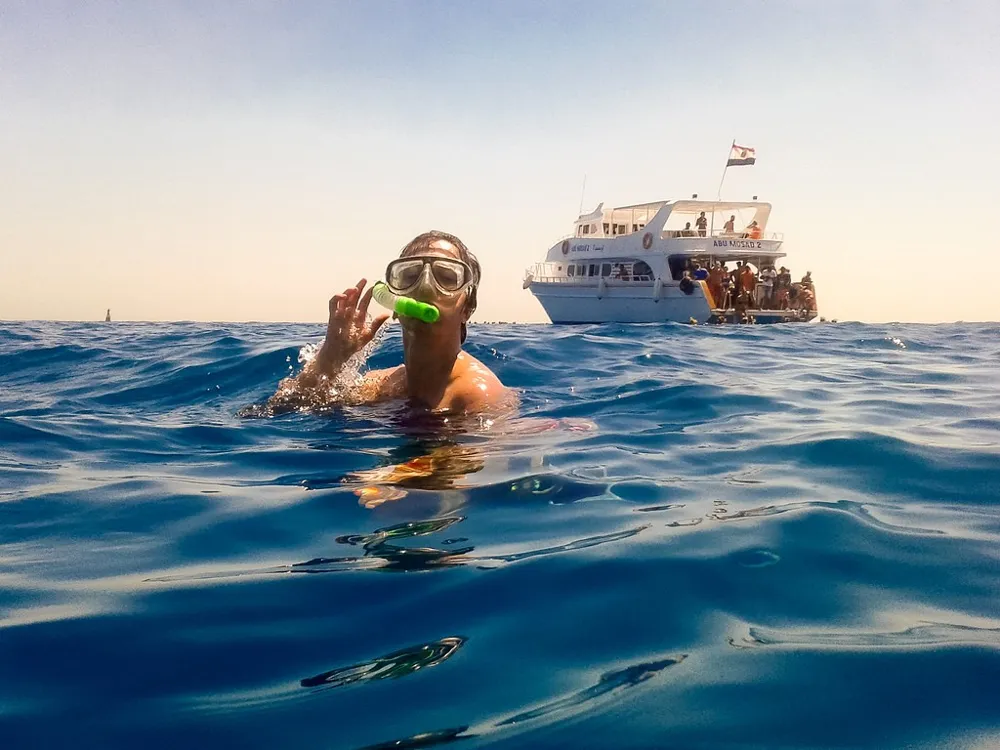
Is Snorkeling Dangerous? The Short Answer
For most people, most of the time, snorkeling is a relaxed way to see a reef. But it isn't risk-free. Hawaii's state ocean safety program says more Hawaii visitors drown while snorkeling than during any other activity. The problems are rarely sharks or exotic sea life. They're ordinary things: currents and waves, getting tired far from shore, snorkeling alone, boats that can't see you, and heart or lung problems that show up in the water.
The good news is that most of those risks can be managed. This guide goes deeper than the short safety list in our how to snorkel guide. It's general safety information, not medical advice; if you have a health condition, talk to your doctor before you go.
Snorkeling Safety Rules at a Glance
| Rule | Why It Matters |
|---|---|
| Snorkel with a buddy | Someone can help you or get help fast |
| Know your swimming limits | Fins and vests don't replace water skills |
| Check conditions and ask a lifeguard | Surf, wind and currents change daily |
| Plan your exit before you get in | Getting out is often harder than getting in |
| Wear or carry flotation | Lets you rest without panicking |
| Be visible to boats | Bright colors, a float and a dive flag help boaters see you |
| Know your health risks | Heart and lung problems are linked to many snorkeling deaths |
| Touch nothing | Protects you and the reef, and many animals are legally protected |
Know Your Limits: Swimming Ability and Fitness
Snorkel gear makes swimming feel easy, which is part of the danger. Hawaii's ocean safety site says snorkelers should be experienced ocean swimmers who know how to handle high surf, strong currents and shallow breaking waves. A pool swimmer who has never dealt with waves is not the same thing.
- Test yourself first. You should be able to float, tread water and swim back to shore without fins, in case you lose one.
- Stay close to shore until you know how the site behaves, and turn back while you still have plenty of energy.
- Conserve energy. Float flat and kick slowly; hard kicking against a current tires you out fast.
- Skip alcohol before snorkeling. It slows your judgment and reactions in the water.
- Be honest about fatigue and nerves. Hawaii's ocean safety program lists fatigue, anxiety, ocean inexperience and poor swimming ability as drowning risk factors.
If you can't swim well, learn first, or join a guided tour in calm water wearing a proper life jacket.
Never Snorkel Alone: The Buddy Rule
Every safety source puts this first: snorkel with a buddy who can help you or get help in an emergency. Face-down in the water, it's easy to drift apart without noticing, so keep the buddy system active.
- Stay within easy reach, close enough to grab each other.
- Check on each other every minute or two; lift your head and look.
- Agree on simple hand signals before you get in: OK, problem, go back, look.
- If you dive down, one goes while the other watches from the surface.
- Tell someone on shore where you're going and when you'll be back.
Use Flotation You Can Trust
A flotation aid lets you rest at the surface, so a small problem (a leaky mask, a cramp, water in your snorkel) doesn't become a big one. Hawaii's ocean safety program recommends a snorkel-appropriate flotation device to help conserve energy.
- Snorkel vests are inflated by mouth so you can adjust buoyancy. Most are not approved life jackets; see our best snorkel vests guide for how they differ.
- Approved life jackets are the better choice for weaker swimmers and kids. See life jackets and PFDs.
- Bright floats or boards give you something to hold and make you easier to spot.
- Wetsuits add some buoyancy as well as warmth; see wetsuits.
Partly inflate a snorkel vest before you get in, and fasten every strap so it can't ride up over your face.
Check Conditions Before You Go In
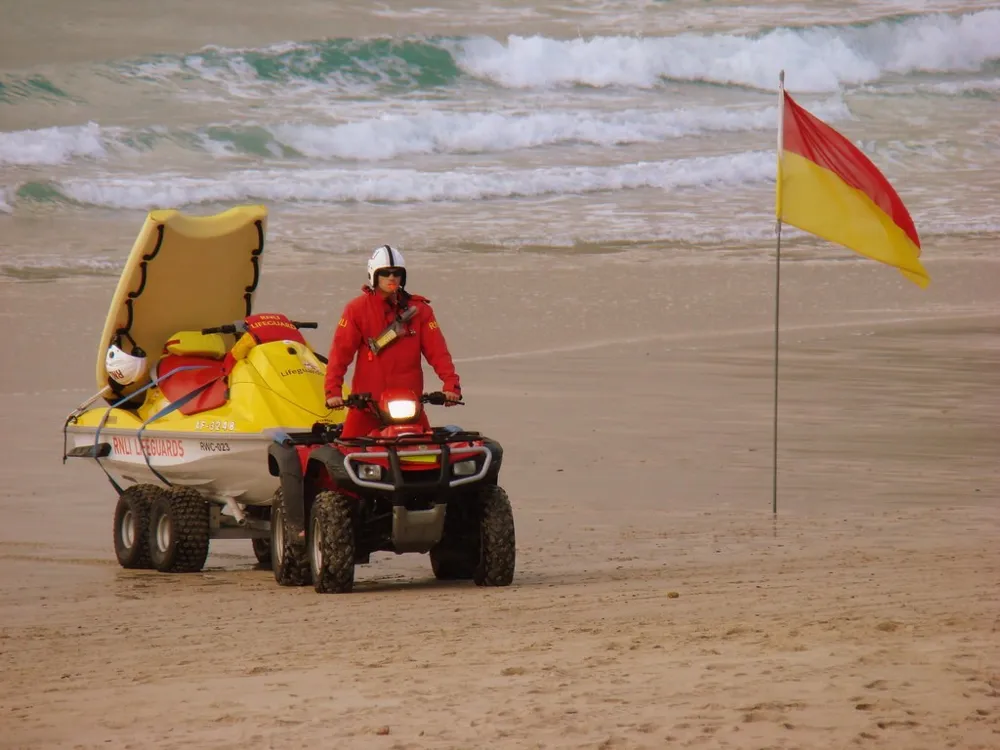
Before you enter, watch the water and, wherever possible, ask a lifeguard. Hawaii's guidance is simple: don't snorkel in high surf, high winds, heavy shorebreak or strong currents.
- Watch the waves for several minutes; bigger sets can arrive after a quiet spell.
- Check the forecast and posted warnings, including surf, wind and any marine advisories.
- Go early. Mornings are often calmer, with better visibility, at many sites. Hawaii's safety site recommends mornings and advises avoiding dawn, dusk and murky water.
- Avoid shallow reef and rocky areas where you can't stand or tread water safely, and where a wave can push you onto rocks.
- Choose lifeguarded beaches when you can. NOAA cites U.S. Lifesaving Association figures putting the chance of drowning at a beach protected by USLA-affiliated lifeguards at about 1 in 18 million.
- If in doubt, don't go out.
Currents, Rip Currents and Your Exit Plan
Currents are one of the biggest snorkeling hazards, because you can drift a long way while you're watching fish. According to NOAA, rip currents are channels of water flowing away from shore at surf beaches. They account for more than 80% of rescues by surf-beach lifeguards. Average speeds are about 1 to 2 feet per second, but they've been measured as fast as 8 feet per second.
Signs of a rip, per NOAA, include a narrow gap of darker, seemingly calmer water between breaking waves, a churning channel, a change in water color, and foam, seaweed or debris moving out to sea. They often form at gaps in sandbars and near jetties and piers.
If You're Caught in a Current
- Stay calm. Rip currents pull you away from shore, not under.
- Don't fight it. Swim parallel to the shore until you're out of the current, then angle back in.
- Float if you're tired. Inflate your vest, roll onto your back and breathe.
- Signal for help. Wave an arm and shout if you can't get back.
If someone else is caught, NOAA advises getting a lifeguard or calling 911 rather than swimming out without a flotation device. Our rip currents guide covers spotting and escaping rips in more detail.
Plan Your Exit Before You Get In
Hawaii's safety site warns that entering and exiting the water need care, because waves can disorient you or push water into your snorkel. Before you swim out, pick where you'll get out (ideally a sandy spot, not rocks), a backup exit in case the current carries you, and a landmark on shore to keep track of your position. Lift your head often to check where you are. Swim against any gentle current on the way out, so it helps carry you back.
Boats, Dive Flags and Being Seen
From a moving boat, a snorkeler is a small dark shape in the water, especially in chop or glare.
- Stay out of boat channels, harbor entrances and areas with heavy boat traffic.
- Be bright. Wear a brightly colored rash guard, vest or swim cap, and tow a float if you're snorkeling away from a guarded beach.
- Use a divers-down flag where boats are about. It's a red flag with a white diagonal stripe, flown from a boat or a float, telling boaters that people are in the water.
- Surface carefully. Look up and around before you come up from a dive, and listen for engines.
- On tour boats, stay well away from the stern and propellers, and follow the crew's entry and exit rules.
Florida's rules (an example): Florida law treats anyone in the water with a mask and snorkel as a diver. Under Florida Statutes 327.331, divers should make reasonable efforts to stay within 300 feet of their flag in open water and within 100 feet in rivers, inlets and navigation channels. Boats must make a reasonable effort to keep the same distances away, and if they come closer, slow to the minimum speed needed to steer. The flag on a float must be at least 12 by 12 inches. Other states and countries have their own rules, so check local boating laws before you go (last checked November 2026). This is not legal advice.
Health Conditions and Hawaii's Snorkeling Research
Hawaii has studied snorkeling deaths closely, and the findings are worth knowing, with the caveat that the research is still limited.
- The scale: Honolulu Civil Beat reported in May 2026 that, according to the Hawaii Department of Health, snorkeling tourists made up a quarter of all ocean drownings in the state from 2015 to 2024.
- Pulmonary edema: A state-backed snorkel safety study released in 2022 pointed to rapid-onset pulmonary edema (fluid building up in the lungs from the body's own fluids, not inhaled seawater) as a factor in many snorkeling deaths. A review of medical examiner records for 2017 and 2019 cases reportedly found it likely or very likely in 29 of 32 deaths. Researchers note that autopsies can't always tell the two kinds of fluid apart.
- Snorkel design and exertion: A 2017 Health Department-led study of 50 snorkel types reportedly found that high breathing resistance can lower pressure in the lungs and may contribute to fluid buildup, and that exertion increases the risk.
- Heart conditions and increased exertion were identified as risk factors.
- Air travel: Hawaii's ocean safety site lists pressure changes from flying as a possible factor that may affect lung function for several days. An early state analysis of fatal cases did not find a statistically significant link, so this is still an open question.
Hawaii's ocean safety program also lists asthma, diabetes, heart disease and a recent flu or infection as conditions that can raise drowning risk. If you have any of these, or are older and haven't snorkeled in a while, ask your doctor before your trip.
Warning signs in the water: Hawaii's guidance says dizziness, disorientation or a headache may be a sign of carbon dioxide buildup from your gear. Shortness of breath, coughing, chest discomfort or unusual tiredness are also reasons to stop. Remove the mask, stay calm, float, signal your buddy and get out. Don't push on to "finish the swim."
Marine Life: Look, Don't Touch
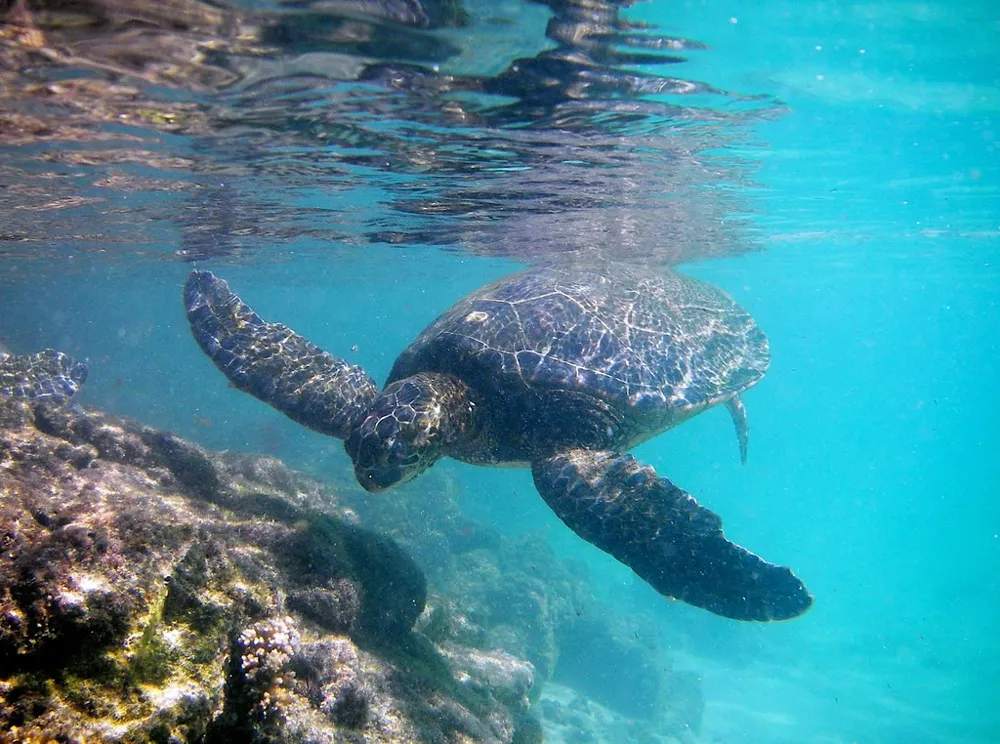
The simplest marine life rule is also the safest: touch nothing. Hawaii's ocean safety site says not to touch or feed marine life and not to stand on coral. Coral can cut and scrape you, and the animals that sting, bite or carry spines (urchins, fire coral, jellyfish, some fish) are far more of a hazard than sharks.
- Don't stand on or kick coral. Keep your fins up and away from the reef.
- Don't feed fish. It changes their behavior and can draw in bigger animals.
- Don't chase or crowd animals, and don't put your hands in holes or crevices.
- Keep your distance. In Hawaii, NOAA Fisheries recommends staying at least 10 feet from sea turtles and at least 50 feet from Hawaiian monk seals. Federal law prohibits swimming with or staying within 50 yards of spinner dolphins there, and approaching humpback whales within 100 yards. These animals are protected under state and federal law.
- Follow posted warnings about jellyfish, and ask a lifeguard about stings. Get medical help for severe pain, an allergic reaction or trouble breathing.
Protecting the reef is part of snorkeling safely. See the reef tips in our how to snorkel guide.
Full-Face Masks and Gear Checks
Gear problems can cause panic. Hawaii's safety site recommends using anti-fog, checking that your mask doesn't leak, making sure your fins fit snugly and clearing your snorkel tube before you set off.
Full-face masks have drawn particular scrutiny. After several snorkeling deaths in Hawaii in 2018 involved full-face masks, officials looked into possible issues such as carbon dioxide buildup and difficulty removing the mask. As of November 2026, Hawaii's ocean safety site says there isn't enough evidence to show the masks directly increase drowning risk. It still advises renting only from licensed vendors, getting a proper fit, breathing slowly and practicing removing the mask before you rely on it. The same page flags a March 2026 U.S. Consumer Product Safety Commission warning about OUSPT-brand full-face masks. Read more in our full-face snorkel mask guide.
- Use a mask that fits your face; see snorkel masks and, if you wear glasses, prescription snorkel masks.
- Choose a snorkel that breathes easily; a narrow or cheap tube can make breathing harder. See snorkel sets and dry vs semi-dry snorkels.
Diving Down Safely
- Never hyperventilate (rapid, deep breathing) before a dive. It can make you black out underwater without warning; read about shallow water blackout.
- One up, one down. Your buddy watches from the surface while you dive.
- Equalize early and gently as you go down, and stop if your ears hurt. Our ear equalizing guide explains how.
- Look up as you surface for boats and other swimmers, and clear your snorkel before you breathe in.
- Don't dive in a full-face mask. Most are made for surface snorkeling only.
If deeper breath-hold diving appeals to you, take a course; see how to freedive and our guide to holding your breath longer safely.
Sun, Heat and Cold
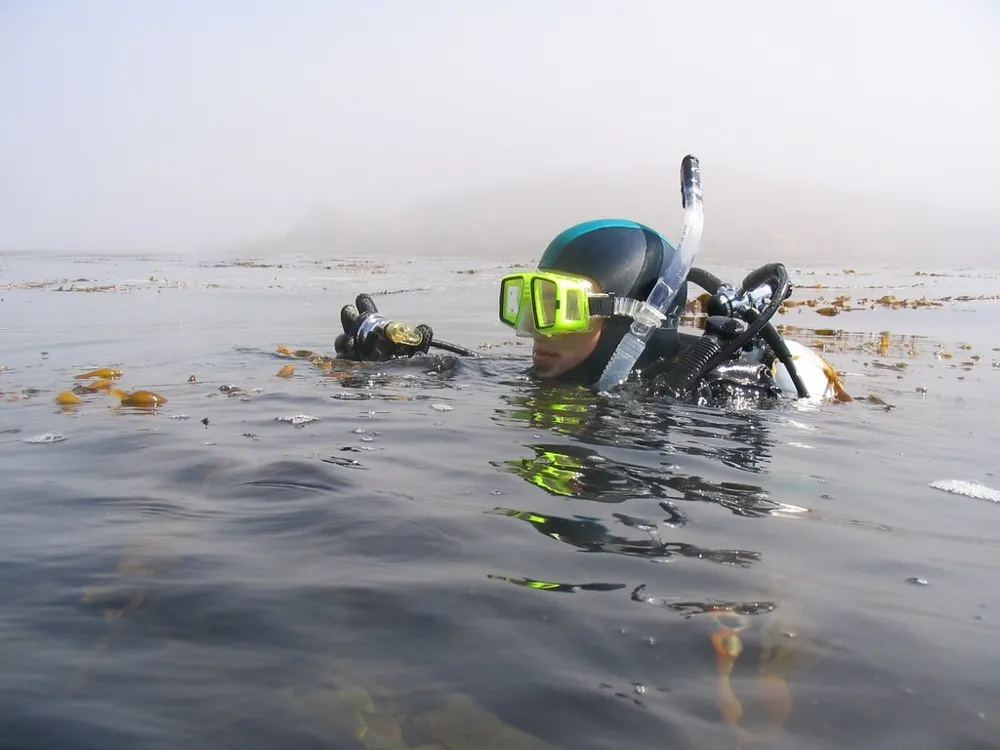
Floating face-down exposes your back and legs to the sun, and cool water hides how badly you're burning.
- Cover up with a rash guard or thin wetsuit; it protects against sun, stings and scrapes, and bright colors help boats see you.
- Use reef-safe sunscreen on exposed skin, and check local rules, since some destinations restrict certain sunscreen ingredients. See reef-safe sunscreen.
- Drink water before and after; dehydration and heat add to fatigue.
Cold is the other side of it. Even tropical water is cooler than your body, and long sessions can chill you. In cold water, sudden immersion can cause cold shock, and longer swims can lead to hypothermia. Get out if you start shivering, your hands stop working well or you feel confused or clumsy. Wear a wetsuit or, for very cold water, consider a drysuit; our wetsuit vs drysuit guide explains the difference, and is surfing dangerous covers cold shock in more depth.
Snorkeling Safety for Kids
Kids tire, chill and panic faster than adults, and they can't judge conditions.
- Start in a pool or calm, shallow water where they can stand.
- Use a properly fitted life jacket for children who aren't strong swimmers. Many parents choose a U.S. Coast Guard-approved child life jacket sized by weight rather than relying on a snorkel vest alone.
- Stay within arm's reach, with an adult watching who isn't distracted by a phone or camera.
- Use gear that fits. A kids' mask that seals on a small face prevents most leaks and panic; see kids' snorkel sets.
- Keep sessions short and get out at the first sign of cold, tiredness or fear.
- Pick guarded, sheltered spots and avoid currents, waves and boat traffic entirely.
What to Do in an Emergency
- If you're in trouble: stop, float on your back, inflate your vest, take off a full-face mask if it's hard to breathe, and wave and shout for help.
- If your buddy is in trouble: call for a lifeguard or have someone call 911 (or the local emergency number). Only go to help if you can do it safely with something that floats.
- Once they're out of the water: check breathing, start CPR if they're not breathing normally and you're trained, and get emergency help even if they seem to recover.
- After any scare: someone who inhaled water or had trouble breathing should see a medical professional.
Ready for a trip? Our best places to snorkel and Hawaii snorkeling guides help you pick calm, beginner-friendly spots, and snorkeling vs scuba diving compares the two. Browse every guide in our snorkeling and diving hub.
Frequently Asked Questions
Is snorkeling dangerous?
For most healthy people in calm water with a buddy, snorkeling is a low-key activity, but it does cause drownings every year. The main risks are currents, waves, fatigue, boats and underlying health conditions, especially heart and lung problems.
Can you snorkel if you can't swim?
Some tours take non-swimmers in calm water with a life jacket and a guide, but you should be comfortable in water first. Hawaii's state ocean safety site says snorkelers should be experienced ocean swimmers, and a snorkel vest is not a substitute for swimming ability.
Why do so many people die snorkeling in Hawaii?
Researchers are still working on it. Hawaii's Department of Health has studied the deaths, and a state-backed study pointed to rapid-onset pulmonary edema as a likely factor in many cases, along with heart conditions, exertion and inexperience in ocean conditions.
Should I wait to snorkel after a long flight?
Hawaii's ocean safety site lists pressure changes from air travel as a possible risk factor that may affect lung function for several days, though early state analysis did not find a statistically significant link. Many visitors choose an easy first day and ask a doctor if they have heart or lung conditions.
Is it safe to snorkel alone?
No. Every major safety source says to snorkel with a buddy who can help or get help.
What does a red flag with a white diagonal stripe mean?
It's the divers-down flag. It means divers or snorkelers are in the water nearby, and boats should keep well clear and slow down. In Florida, boats must try to stay at least 300 feet away in open water.
What is the best age for kids to start snorkeling?
There's no single age. Kids are ready when they're comfortable in water and can breathe through a snorkel calmly, usually starting in a pool or shallow water with an adult within arm's reach and a properly fitted life jacket.