The Best Surf Spots in the World, Region by Region (2026)
Legendary reefs, points and beach breaks on six continents, with the wave type, skill level and best season for each, plus easier waves nearby and a month-by-month trip planner.
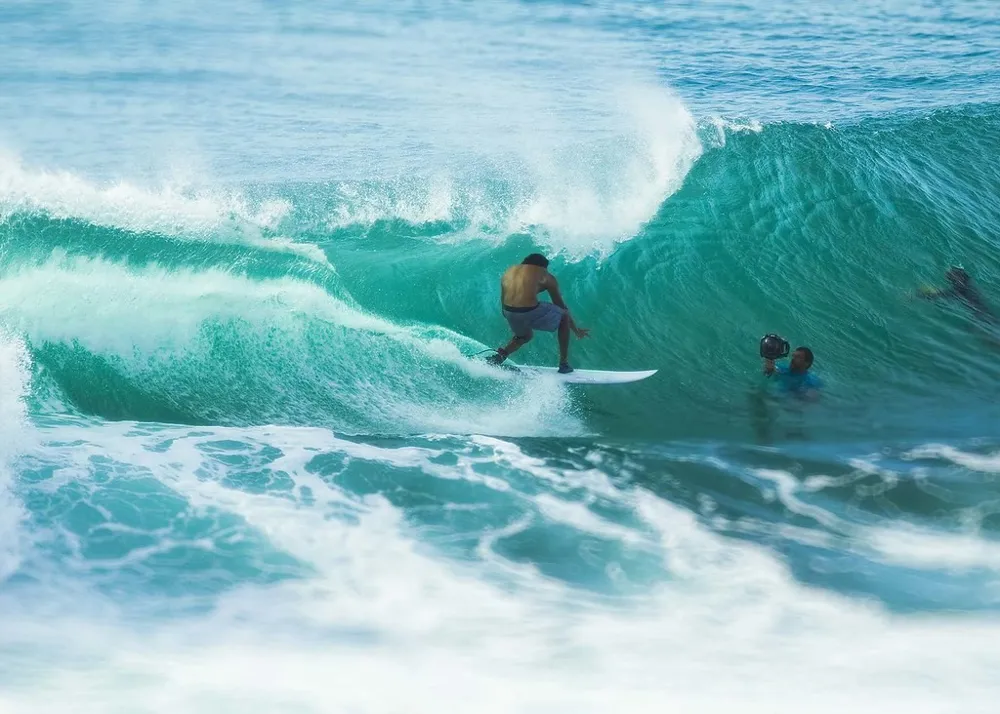
Where the World's Best Waves Break
A great surf spot needs three things to line up: open-ocean swell, a sea floor shaped to make that swell peel instead of closing out, and wind that grooms the wave rather than ruining it. The breaks below have that combination often enough to have become famous, and most of them have hosted pro contests for decades. They are grouped by region, with the wave type, the level you need and the best season for each, and every region ends with easier waves nearby for newer surfers.
Surf is never guaranteed. Seasons describe the usual pattern, not a promise, and sandbars, swell direction and wind change year to year. Check a live surf forecast and talk to local surf shops or lifeguards before you paddle out. For American breaks such as Mavericks, Trestles and the East Coast, see our separate guide to the best surf spots in the US.
Best Surf Spots in the World at a Glance
| Spot | Country | Wave | Level | Best Season (Approx.) |
|---|---|---|---|---|
| Banzai Pipeline | Hawaii, USA | Hollow, mostly left, over shallow reef | Experts | Nov–Feb |
| Teahupo'o | Tahiti, French Polynesia | Heavy left over shallow reef | Experts | Apr–Oct |
| Cloudbreak | Fiji | Long left reef, boat access | Experienced | Apr–Oct |
| Uluwatu | Bali, Indonesia | Left reef with several sections | Intermediate+ | Apr–Oct |
| Padang Padang | Bali, Indonesia | Short, hollow left barrel | Experts | Apr–Oct |
| G-Land | Java, Indonesia | Long, powerful left reef | Advanced | Apr–Oct |
| Mentawai Islands | Sumatra, Indonesia | Dozens of reef breaks | Intermediate–expert | Apr–Oct |
| Cloud 9 | Siargao, Philippines | Hollow right reef | Advanced | Aug–Oct |
| Chiba and Miyazaki | Japan | Beach, point and river mouths | All levels | Aug–Oct (typhoon swells) |
| Bells Beach | Victoria, Australia | Right reef | Intermediate+ | Mar–Oct |
| Snapper Rocks / Superbank | Queensland, Australia | Long sand-bottom right point | Intermediate+; crowded | Cyclone-season swells |
| Raglan (Manu Bay) | New Zealand | Long left points | Intermediate+ | Year-round |
| Praia do Norte, Nazaré | Portugal | Giant canyon-fed beach waves | Big-wave teams only | Nov–Mar |
| Supertubos, Peniche | Portugal | Hollow beach-break barrels | Advanced | Sept–Nov |
| Ericeira | Portugal | Reefs, points and beaches | All levels (reefs intermediate+) | Varies |
| Hossegor (La Gravière) | France | Heavy beach break | Experts | Sept–Oct |
| Mundaka | Spain | River-mouth left over sand | Advanced | Oct–Nov |
| Thurso East | Scotland, UK | Cold right reef | Advanced | Oct–Mar |
| Jeffreys Bay | South Africa | Long right point | Intermediate–expert | Jun–Aug |
| Skeleton Bay | Namibia | Very long left sand point | Experts | May–Sept |
| Anchor Point, Taghazout | Morocco | Right point | Experienced | Nov–Apr |
| Puerto Escondido (Zicatela) | Mexico | Heavy beach break | Experts | May–Sept |
| Chicama | Peru | Very long left point | Intermediate+ | Apr–Oct |
| Saquarema (Itaúna) | Brazil | Beach break A-frames | Intermediate+ | Southern winter swells |
| Fernando de Noronha | Brazil | Island reef and beach breaks | Intermediate+ | Dec–Mar |
| Popoyo | Nicaragua | Reef with a beginner bay | All levels | Dec–Apr |
| Tamarindo | Costa Rica | Beach and river-mouth breaks | Beginners+ | Jun–Sept |
Skill levels and seasons are typical guides drawn from tourism boards, surf guides and contest windows. Conditions vary, so always check a current forecast.
Wave Types and Skill Levels Explained
The type of break tells you more about whether a spot suits you than its fame does.
- Beach breaks break over sandbars. They shift with storms and tides and are the usual place to learn, though some, like Supertubos, Hossegor and Puerto Escondido, are among the heaviest waves anywhere.
- Reef breaks break over coral or rock. They are consistent and often hollow, but falling onto shallow reef can cause serious cuts and injuries. Most famous tropical waves, from Pipeline to Teahupo'o and Uluwatu, are reef breaks.
- Point breaks wrap around a headland and peel along it, often for long rides. Jeffreys Bay, Raglan, Chicama and Anchor Point are classic points.
- River-mouth breaks form on sandbars built by a river, as at Mundaka. They can be excellent but depend on the sand staying in place.
"Left" and "right" describe the direction the wave peels as seen by a surfer riding it. Regular-footed surfers face the wave on rights and goofy-footed surfers face it on lefts. For a refresher on lineup rules, which matter most at crowded world-class spots, read our guide to surf etiquette.
Indonesia, the Philippines and Japan
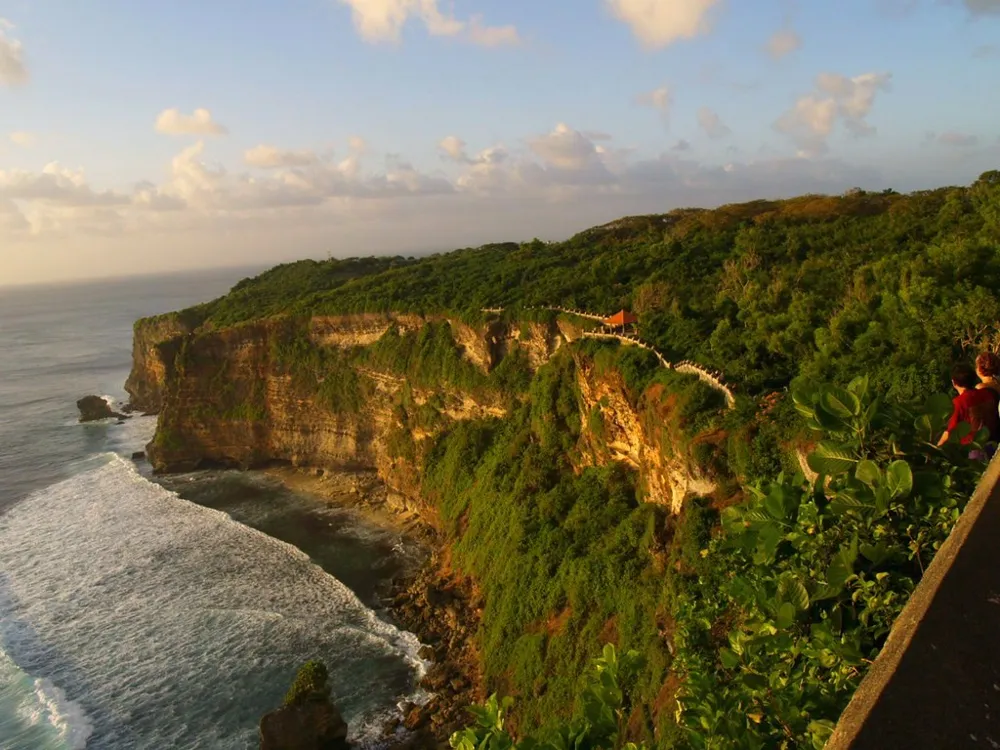
Indonesia's thousands of islands face the Indian Ocean's steady southern swells, and the dry season, roughly April to October, brings offshore trade winds to many of its best-known reefs.
Uluwatu and Padang Padang, Bali
Uluwatu is a left-hand reef with several distinct sections below the cliffs of the Bukit Peninsula, including the Bombie, Temples, Outside Corner, the Peak and Racetracks. Surfers reach it through a cave entrance at the base of the cliff. It is not a beginner wave: sections such as Racetracks break over a shallow, jagged shelf, and crowds are constant. Nearby Padang Padang is a short, hollow left barrel for experts, best known for its crowds on good days. The dry season is the most reliable time to go.
G-Land, Java
G-Land, also called Plengkung, is a long, powerful left breaking along Grajagan Bay inside Alas Purwo National Park in East Java. Sections such as Money Trees and the heavier Speedies offer long barrels, and low tide on big days is dangerous. It works best from about mid-April to mid-October, and most visitors stay at jungle surf camps reached by boat from Bali or by a long road trip.
Mentawai Islands, Sumatra
Off the west coast of Sumatra, the Mentawais have dozens of reef breaks, from famous waves such as Macaronis and Lance's Right to softer spots for improving surfers. The dry season from about April to October is peak time; the wetter months can bring fewer crowds. The islands are remote, so most surfers visit on a boat charter or stay at a land-based surf camp.
Cloud 9, Siargao, Philippines
Cloud 9 near General Luna on Siargao Island is a hollow right that breaks in front of a boardwalk and viewing tower. Waves usually build from July, with August to October the main season and October often the best month. Onshore winds and rain usually take over from about November until around Easter, and a long-running international contest is held here each September.
Japan
Japan has a much larger surf scene than many travelers expect. Chiba, east of Tokyo, has breaks such as Ichinomiya, Onjuku and Wadaura, and Tsurigasaki Beach (also called Shidashita) hosted surfing's Olympic debut at Tokyo 2020; see Olympic surfing. Further south, Miyazaki's Nichinan Coast on Kyushu and the island of Shikoku are known for points and river mouths. Typhoon season, roughly August to October, brings the most powerful swells, and Okinawa can be surfed year-round. Beaches have lifeguards mainly in summer, so take extra care the rest of the year.
Easier waves nearby: Kuta, Legian and Canggu in Bali have softer beach breaks and many surf schools, and the Padang Padang right is a rare gentle wave on the Bukit. The Mentawais and Siargao have smaller, mellower reefs that surf camps use for lessons on small days.
Hawaii, Tahiti and Fiji
Banzai Pipeline, Oahu
Pipeline breaks over a shallow reef on Oahu's North Shore, producing the most photographed barrels in surfing from about November to February. It hosts the Pipe Masters and is for experts only. For Hawaii's other spots, including Waimea Bay, Waikiki and Jaws, see our US surf spots guide.
Teahupo'o, Tahiti
Teahupo'o is a massive left that breaks a few hundred meters offshore on the Tahiti Iti peninsula, over reef so shallow that it is reserved for the most experienced surfers. It was the surfing venue for the Paris 2024 Olympics. The southern swell runs year-round but is strongest from about April to September or October. Local boat taxis take visitors out to watch from the channel.
Cloudbreak, Fiji
Cloudbreak in the Mamanuca Islands is a long, peeling left reef. You can't paddle to it from shore; you need a surf boat, which island resorts such as Tavarua and Namotu include, or a charter from the mainland or other islands. Fiji's winter, roughly April to October, brings the most consistent southwest swells. It is a powerful, consistent wave and not for beginners.
Easier waves nearby: on Tahiti, gentler spots such as Pointe Vénus, Papeno'o bay and the Taharu'u river mouth suit newer surfers, and between November and early April the south-coast spots are usually calmer for less experienced surfers. Waikiki on Oahu is the classic place to learn in Hawaii.
Australia and New Zealand
Bells Beach, Victoria
Bells Beach near Torquay is a right-hand reef that picks up long-period Southern Ocean swell. The best season runs from about March to October; summer tends to be smaller and windier. It hosts the long-running Rip Curl Pro, held over Easter. The water is cool, about 12–19°C (54–66°F), so a wetsuit is needed, and the beach has no lifeguard patrol.
Snapper Rocks and the Superbank, Gold Coast
The Superbank is a sand-bottom right point break about 2 km long that links Snapper Rocks, Rainbow Bay, Greenmount and Kirra. It formed after the Tweed River sand bypass system began pumping sand north in 1995. When cyclone swells connect the sections, a ride can in rare conditions run from Snapper toward Kirra, but crowds are famous: hundreds of surfers can be spread along it on a good day. Because the sand shifts, the wave's quality changes from year to year.
Raglan, New Zealand
Raglan, on the North Island's west coast, has a long left-hand point break running across three bays: Indicators, Whale Bay and Manu Bay, the wave featured in the 1966 film The Endless Summer. On big swells the sections can link into rides of well over a kilometer. Manu Bay and Indicators suit intermediates and experts; Whale Bay is the mellowest point. Expect cool water that calls for a wetsuit, crowds on the best swells and a boulder bottom, so booties help.
Easier waves nearby: the Gold Coast, Byron Bay and Noosa are popular for lessons, and Ngarunui Beach in Raglan has sand-bottomed waves and a long-running surf school.
Europe
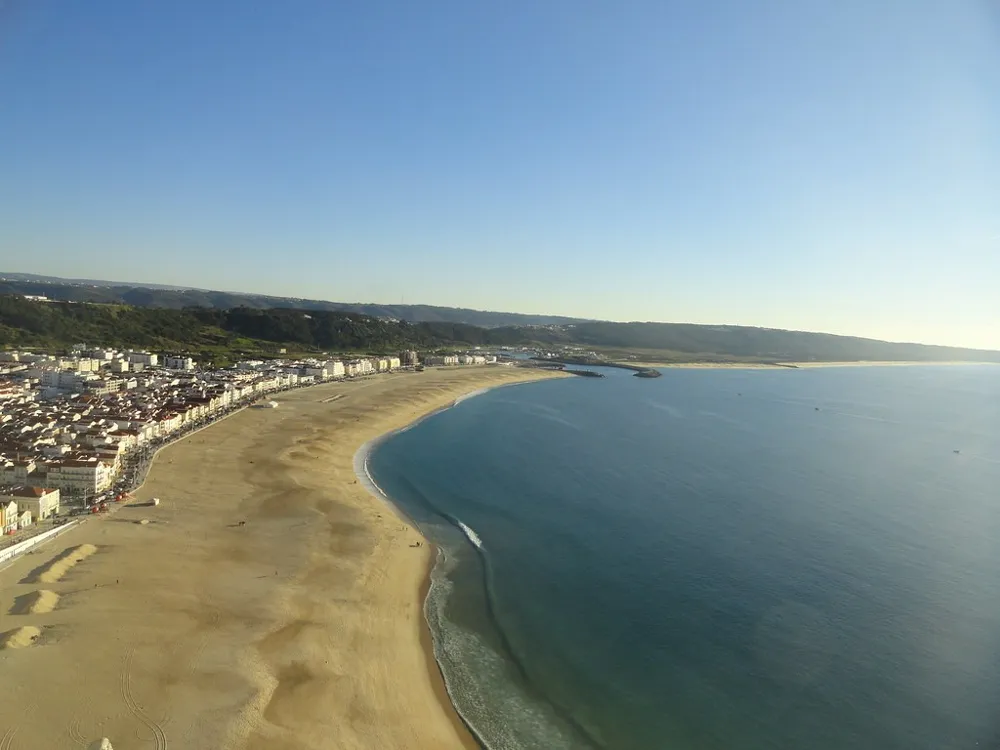
Praia do Norte, Nazaré, Portugal
The underwater Nazaré Canyon funnels Atlantic swell into giant waves at Praia do Norte, where the largest waves on record have been surfed, including a ride Guinness World Records measured at 26.21 m (86 ft) in October 2020. Big days are for tow-in teams with jet skis and safety crews only; most visitors watch from the headland above the beach. The WSL big-wave event window runs from November to March.
Supertubos, Peniche, Portugal
Supertubos is a beach break famous for fast, hollow barrels that break close to the sand. It is mostly a left with a shorter right, best from about September to November, and usually crowded on good days. It hosts the MEO Rip Curl Pro Portugal; see surf competitions. On the north side of the Peniche peninsula, the long beach toward Baleal is much friendlier for learners.
Ericeira, Portugal
Ericeira, north of Lisbon, became Europe's first World Surfing Reserve in 2011, recognizing a stretch of coast with quality reefs and points such as Ribeira d'Ilhas. The best-known reefs and points suit confident surfers, while nearby beaches have surf schools for newer riders.
Hossegor, France
Hossegor's beach breaks on the Landes coast are powered by a deep underwater canyon. La Gravière is a heavy, unforgiving shorebreak with real barrels on bigger days, and it is for experts only. Autumn, especially September and October, is the classic season, with warmer water and fewer crowds than July and August. Biarritz Airport is less than 20 km away.
Mundaka, Spain
Mundaka in the Basque Country is a long, hollow left that breaks like a point over a sandbank formed at the mouth of a river estuary within the Urdaibai Biosphere Reserve. It needs a solid northwest swell, works best around low to mid tide and is at its best in about October and November. Because the sand shifts, it can be inconsistent for long stretches.
Thurso East, Scotland
Thurso East, at the mouth of the River Thurso in Caithness, is a long, fast right over flagstone reef with barrel sections. It works best from about October to March, when northwest groundswells are most common, and the water is cold, so a thick wetsuit, boots, gloves and hood are usually needed. See our guide to wetsuits vs drysuits for cold-water gear.
Easier waves nearby: Baleal and Praia Norte near Peniche, La Sud in Hossegor and summer beaches such as Moliets, and Dunnet Bay near Thurso are better places to learn. Biarritz's Côte des Basques is another classic learning beach.
Africa
Jeffreys Bay, South Africa
Jeffreys Bay, about an hour's drive from Gqeberha (Port Elizabeth) in the Eastern Cape, is a right-hand point with several sections, including Boneyards, Supertubes, Impossibles and the Point. On big days a single ride can run for up to about a kilometer. June to August is the main season, with good waves often from April or May to September, and crowds peak around the July pro contest. The area has dolphins, whales and occasionally sharks, and the contest uses spotters on the water. The Point is the friendliest section for a first visit.
Skeleton Bay, Namibia
Skeleton Bay, about 45 minutes' drive from Walvis Bay, is a long, draining left that breaks along a desert sand point and can offer barrels about 2 km long. It needs a large, long-period southern swell, typically between about May and September, and often works only a day or two at a time. Hazards include a strong current running down the point, cold, murky water near a seal colony, fog and shifting sand. A 4x4 is needed to reach it, and it is for experts only.
Anchor Point, Taghazout, Morocco
Anchor Point is a right-hand point near the village of Taghazout, north of Agadir. It usually starts working around November, peaks in January and tails off toward May. The take-off is tight and crowded, and the wave is fast and steep, so it suits experienced surfers. Agadir's airport is about an hour's drive away.
Easier waves nearby: Muizenberg near Cape Town is a well-known beginner beach in South Africa, and Tamraght and other beaches south of Taghazout host many surf camps for learners.
Mexico, Central America and South America
Puerto Escondido, Mexico
Playa Zicatela in Oaxaca, often called the Mexican Pipeline, is a heavy, fast beach break that can hold swells well over 10 feet, best from about May to September. It is for experts only and dangerous on big days. La Punta at the south end is a smaller, more manageable point for intermediates, and Playa Carrizalillo's sheltered bay suits beginners.
Chicama, Peru
Chicama, at Puerto Malabrigo north of Trujillo, is usually described as the world's longest left. On the best days its sections connect into rides of several kilometers, and the longest single section runs for hundreds of meters. Southern-winter swells make April to October the best season. A 3/2 wetsuit is the norm for most of the year. Nearby Huanchaco is a World Surfing Reserve.
Brazil
Brazil has one of the world's biggest surf cultures. Saquarema, about 100 km east of Rio de Janeiro, hosts the Championship Tour's Rio Pro at Itaúna, a shifting beach break that can produce quality A-frames on a Southern Ocean groundswell; the 2026 event was scheduled for June. The remote island of Fernando de Noronha, roughly 350 km offshore, has reef and beach breaks such as Cacimba do Padre, with the best surf from about December to March. Florianópolis in Santa Catarina has many surf beaches, with Joaquina known for stronger waves, and Guarda do Embaú in the same state is a World Surfing Reserve.
Nicaragua, Costa Rica and El Salvador
Popoyo in Nicaragua has an outer reef for experts, a main reef for confident surfers and a sheltered bay for beginners, with December to April the usual peak. Tamarindo in Costa Rica has several beginner-friendly breaks within walking distance, with the best waves from about June to September. El Salvador has become a popular surf destination and hosts the WSL Longboard Tour final, and part of its coast was dedicated as the Oriente Salvaje World Surfing Reserve in 2024.
Easier waves nearby: Carrizalillo in Puerto Escondido, Tamarindo, the beginner bay at Popoyo and the many surf schools on Brazil's beaches are good starting points.
Best Surf Spots for Beginners Around the World
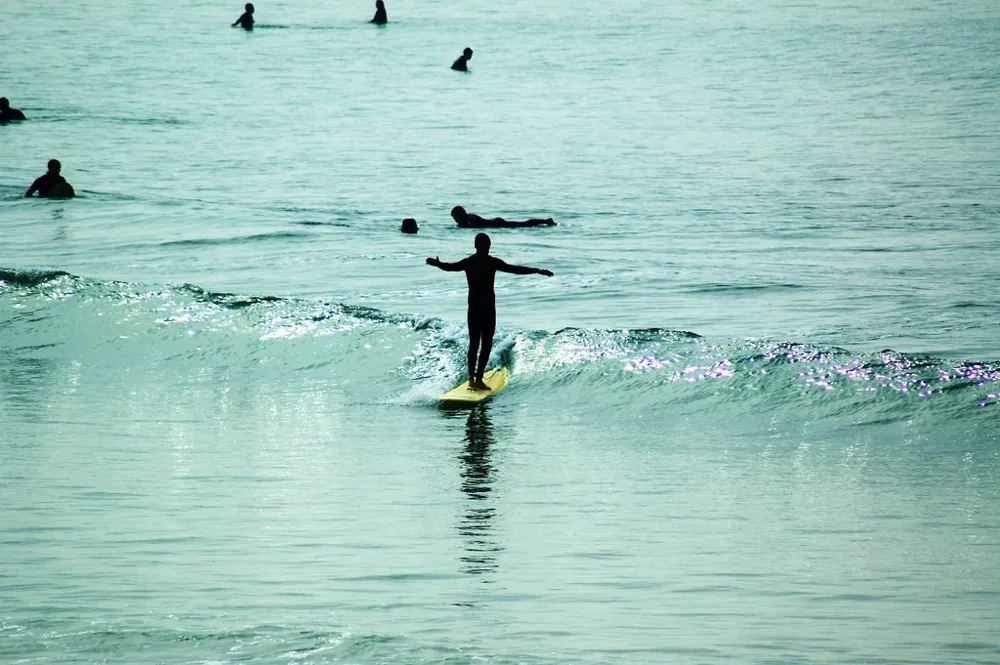
Learning spots share a few traits: sandy bottoms, slow and forgiving waves, lifeguards and plenty of surf schools. Good options include:
| Beginner Spot | Country | Why It Works |
|---|---|---|
| Kuta, Legian and Canggu | Bali, Indonesia | Soft beach breaks, many schools |
| Waikiki | Hawaii, USA | Slow, rolling waves |
| Tamarindo | Costa Rica | Warm water, several easy breaks |
| Baleal and Praia Norte, Peniche | Portugal | Long sandy beach with multiple peaks |
| Côte des Basques, Biarritz | France | Classic learning beach |
| Gold Coast, Byron Bay and Noosa | Australia | Many schools and gentle sections |
| Ngarunui Beach, Raglan | New Zealand | Sandy bottom and surf school |
| Muizenberg | South Africa | Gentle waves near Cape Town |
| Tamraght | Morocco | Surf camps and easy waves |
| Playa Carrizalillo | Mexico | Sheltered bay with mellow waves |
Take a lesson on your first days, rent a soft-top and stay on the inside away from the main peak. Start with our guides on how to surf and beginner surfboards. If you'd rather practice somewhere predictable first, surf parks and wave pools offer repeatable waves.
When to Go: Best Surf Seasons by Month
As a rule, each coast gets its biggest waves in its local winter, when storms are strongest, while summer is often smaller and better for learning. This table shows roughly when each region is usually at its best.
| Months | Usually in Season |
|---|---|
| December–February | Hawaii's North Shore, Morocco, Fernando de Noronha, Nicaragua, Thurso East, Nazaré big-wave season |
| March–May | Bells Beach, start of the Indonesian and Fijian season, Morocco's points tapering, Nicaragua |
| June–August | Indonesia, Fiji, Tahiti's south coast, Jeffreys Bay, Skeleton Bay, Chicama, Puerto Escondido, Saquarema, Costa Rica |
| September–November | Supertubos, Hossegor, Mundaka, Cloud 9, Japan's typhoon swells, the tail of the Indonesian season, Nazaré from November |
Shoulder seasons often mean smaller crowds with decent waves. A spot's peak season is also when contests run and lineups are busiest.
Planning a Surf Trip Abroad
- Boards on planes: airlines treat surfboards as sports equipment, and size limits, fees and booking rules vary widely, so check your airline's policy before you book. Pack boards in a padded travel board bag with the fins removed. Renting is often easier at beginner-friendly destinations.
- Surf camps and boat charters: camps bundle lodging, guiding and lessons, and they are the usual way to reach remote spots like G-Land or the Mentawais. Charters move to wherever the swell is best.
- Travel insurance: check that your policy covers surfing and medical evacuation from remote islands, since some policies exclude adventure sports.
- Reef safety: reef booties protect your feet at shallow spots, and a helmet is worth considering at heavy reef breaks. Clean reef cuts quickly, since they get infected easily in tropical water. A reliable leash matters more on reefs.
- Water temperature: pack boardshorts and a rash guard for the tropics and a full wetsuit for Europe, southern Australia, New Zealand, Peru and Namibia.
- Health and entry: check official travel health advice and entry rules for your destination well before you go, especially for remote parts of Indonesia and Africa.
- Local etiquette and localism: at famous breaks, wait your turn, don't drop in and give way to locals who surf there every day. Crowded, competitive lineups are common at many spots on this list.
- Know your limits: watch a new spot for a while before paddling out, and choose the easier waves nearby if the main break is beyond your level.
Related Guides
Explore our surfing hub, the history of surfing, the greatest surfers of all time and how surf competitions work. For more water travel ideas, see the best places to snorkel in the world and the best scuba diving destinations.
Frequently Asked Questions
What is the best surf spot in the world?
There is no single answer. Pipeline in Hawaii, Teahupo'o in Tahiti, Jeffreys Bay in South Africa and Uluwatu in Bali appear on almost every list, but the best spot for you depends on your skill level and the time of year.
Where is the best place in the world to learn to surf?
Places with soft, sandy-bottomed waves and plenty of surf schools work best, such as Kuta and Canggu in Bali, Tamarindo in Costa Rica, Baleal near Peniche in Portugal, Ngarunui Beach in Raglan and Waikiki in Hawaii.
Where are the biggest waves in the world?
Praia do Norte in Nazaré, Portugal, is where the largest waves on record have been surfed, helped by an underwater canyon. Jaws on Maui, Mavericks in California and Teahupo'o in Tahiti are other famous big-wave spots.
What is the longest wave in the world?
Chicama in northern Peru is usually called the world's longest left, with rides reported at several kilometres on the best days. Skeleton Bay in Namibia, the Gold Coast Superbank and Raglan in New Zealand also produce very long rides.
When is the best time for a surf trip?
It depends on the hemisphere and coast. Indonesia, Fiji and Tahiti's south coast are best from about April to October, while Hawaii's North Shore, Morocco and much of Europe's Atlantic coast are best from autumn into winter.
Do I need a wetsuit for a world surf trip?
In tropical spots like Bali, Fiji and Tahiti, boardshorts or a rash guard are usually enough. Portugal, France, Scotland, Victoria in Australia, Peru and Namibia call for a full wetsuit for most or all of the year.
Can beginners surf at famous spots like Pipeline or Uluwatu?
No. Most famous breaks are fast, shallow reef waves for experienced surfers only. Nearly every surf region has gentler beach breaks nearby where beginners can take lessons.