Best Surf Spots in the US for Every Level (2026)
Legendary breaks and beginner-friendly beaches across Hawaii, California, the Pacific Northwest, the East Coast and even the Great Lakes.
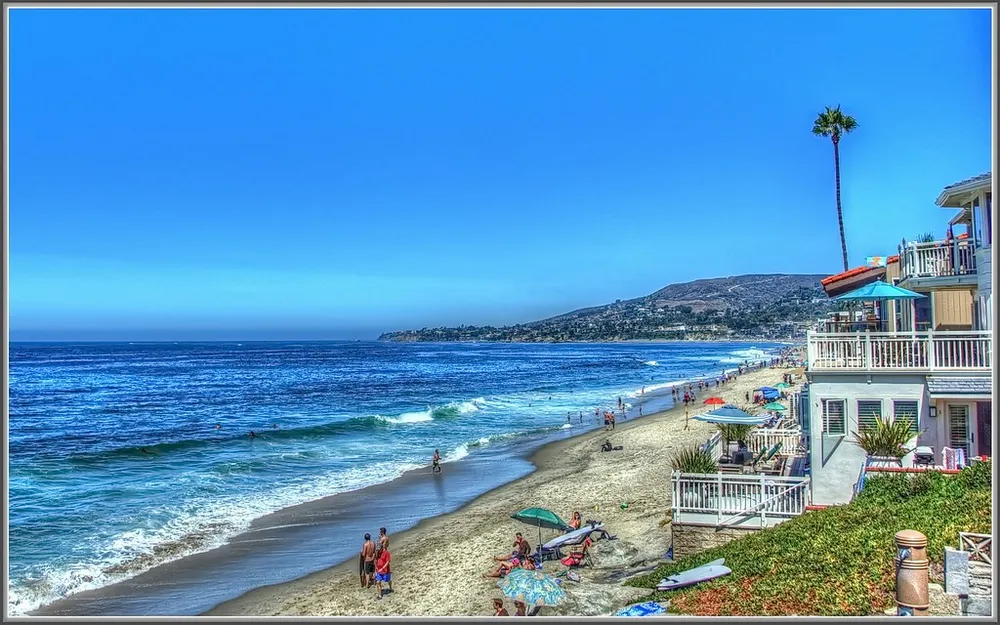
Best US Surf Spots at a Glance
| Spot | State | Wave | Skill Level | Best Season |
|---|---|---|---|---|
| Banzai Pipeline | Hawaii (Oahu) | Hollow waves over shallow reef | Experts only | Winter |
| Waimea Bay | Hawaii (Oahu) | Big-wave bay | Experts | Winter (about Nov–Feb) |
| Waikiki | Hawaii (Oahu) | Slow, gentle waves | Beginners | Summer to fall |
| Pe'ahi (Jaws) | Hawaii (Maui) | Giant reef wave | Big-wave experts | Winter |
| Ho'okipa | Hawaii (Maui) | Barreling right | Experienced | Varies |
| Hanalei Bay | Hawaii (Kauai) | Bay | Summer beginners; winter experts | Year-round |
| Mavericks | California | Giant reef wave | Big-wave experts | About Nov–Mar |
| Steamer Lane / Pleasure Point | California (Santa Cruz) | Point and reef | Intermediate+ | Fall–winter; year-round |
| Cowell's | California (Santa Cruz) | Slow, gentle | Beginners | Spring–summer |
| Rincon | California | Long right point | Intermediate–advanced | Winter |
| Malibu (Surfrider) | California | Long right point | Intermediate; crowded | Summer south swells; bigger fall–winter |
| Huntington Beach | California | Beach and pier | All levels | Winter best |
| Trestles | California | Cobblestone point and reef | All levels (Middles for beginners) | Summer to early fall |
| San Diego County | California | Beach, point, reef | All levels | Late summer–fall peak |
| Cape Kiwanda | Oregon | Beach break | Beginner–intermediate | About Oct–Mar |
| Westport | Washington | Beach near jetty | Intermediate | About Oct–Apr |
| Outer Banks | North Carolina | Beach and pier breaks | All levels | Fall (about Sept–Dec) |
| Wrightsville Beach | North Carolina | Beach break | Beginner–advanced | Fall |
| Cocoa Beach | Florida | Small, consistent | Beginner–intermediate | About Nov–Mar |
| New Smyrna Beach | Florida | Inlet | Intermediate–expert | Fall–winter |
| Folly Beach | South Carolina | Pier and beach | All levels | Hurricane season |
| Virginia Beach | Virginia | Jetty and pier | Newer surfers | About Aug–Nov |
| Montauk | New York | Sandbars, reefs, points | Beginners in summer | Fall–early winter |
| Sheboygan | Wisconsin (Lake Michigan) | Wind-driven lake waves | Cold-water intermediates | Late summer–spring |
Conditions change with swell, tide, wind and season. Skill levels and seasons are typical; always check the local surf report and lifeguards.
Hawaii
Banzai Pipeline, Oahu
The world's most famous wave: powerful, hollow barrels breaking over a shallow reef on Oahu's North Shore in winter. It's for experts only, but watching from the beach on a big day is unforgettable.
Waimea Bay, Oahu
The birthplace of big-wave paddle surfing, roughly November to February. It hosts the Eddie Aikau big-wave event only when waves are big enough. In summer, the bay is often calm.
Waikiki, Oahu
Where modern surfing was revived, with slow, rolling waves that are ideal for learning. Surf schools and board rentals line the beach.
Pe'ahi (Jaws), Maui
A giant reef wave that can reach around 60 feet in winter, famous for tow-in and paddle big-wave surfing. Not for anyone but big-wave experts.
Ho'okipa and Ka'anapali, Maui
Ho'okipa has a barreling right for experienced surfers; Ka'anapali is big in winter but gentle and beginner-friendly in summer.
Hanalei Bay, Kauai
A scenic bay with gentle summer waves for newer surfers and bigger winter waves for experienced riders.
Hawaii tip: the North Shores of the islands get big winter swells; south shores get summer swells. Beginners should surf the summer side.
California
Mavericks, Half Moon Bay
A cold, heavy big-wave reef break that can reach around 60 feet, mainly from November to March. Experts only.
Santa Cruz: Steamer Lane, Pleasure Point and Cowell's
Santa Cruz is a historic surf town and a center of wetsuit and leash innovation. Steamer Lane and Pleasure Point offer long, rolling point and reef waves for intermediate surfers and up, while Cowell's has slow, gentle waves for beginners.
Rincon
Rincon's long right point break shines on winter swells; it's best for intermediate to advanced surfers.
Malibu Surfrider Beach
A legendary long right point break and the heart of 1950s and 1960s surf culture. Summer south swells bring classic waves, and crowds.
Huntington Beach
"Surf City USA," with waves on both sides of the pier for all levels and a deep contest history. Winter often brings the best conditions.
Trestles, San Clemente
A series of breaks (Uppers, Lowers, Middles and more) on a cobblestone point. Lower Trestles is a high-performance wave and the LA 2028 Olympic surfing venue; Middles is friendlier for newer surfers. Summer to early fall is prime. See Olympic surfing.
San Diego County
A huge variety of beach, point and reef breaks. Spots like Pacific Beach and Ocean Beach suit beginners, while places like Black's Beach are for experienced surfers. Late summer and fall are often best.
Ocean Beach, San Francisco
Powerful, cold beach-break waves, best from about October to March. Strong currents make it suitable for experienced surfers only.
Pacific Northwest
Cape Kiwanda, Oregon
An exposed beach break near a sandstone headland, good for beginners and intermediates in the right conditions; prime season runs roughly October to March. Thick wetsuits, boots and hoods are essential.
Nelscott Reef, Oregon
A big-wave reef near Lincoln City that can produce waves of around 40 feet. Experts only.
Westport, Washington
Washington's best-known surf town, with waves near the jetty from about October to April.
East Coast and Gulf
Outer Banks, North Carolina
Exposed barrier islands (including Duck, Kitty Hawk and Nags Head) that catch hurricane swells in fall and nor'easters in winter, with breaks from mellow to powerful.
Wrightsville Beach, North Carolina
A friendly surf town with beach breaks for all levels; fall is best.
Florida: Cocoa Beach and New Smyrna Beach
Cocoa Beach has small, consistent waves ideal for learning. New Smyrna Beach's inlet is more powerful and consistent, better for intermediate and advanced surfers. Fall and winter usually bring the best swell.
Folly Beach, South Carolina
Charleston's surf beach, with waves around the pier and the Washout area, best during hurricane season.
Virginia Beach, Virginia
Jetty and pier breaks good for newer surfers, with the best swells from about August to November.
Montauk, New York
Sandbars, reefs and points at the tip of Long Island. Summer brings gentle waves for beginners; late fall and early winter bring the best swells, and cold water.
Rhode Island and Maine
New England surf includes reef breaks in Rhode Island for skilled surfers during hurricane season and beginner-friendly beaches in southern Maine. Expect very cold water most of the year.
Great Lakes
Yes, you can surf in the Midwest. Strong winds create surfable waves on the Great Lakes, and Sheboygan, Wisconsin, on Lake Michigan is known as the "Malibu of the Midwest." The season runs from late summer through spring, so you'll need a thick wetsuit, boots, gloves and a hood.
Best Spots for Beginners
- Waikiki, Oahu
- Cowell's, Santa Cruz
- Pacific Beach and other San Diego beach breaks
- Huntington Beach (away from the pier crowds)
- Cocoa Beach, Florida
- Montauk and Virginia Beach in summer
See how to surf and beginner surfboards.
Surf Trip Tips
- Match the season: winter for Hawaii's North Shores and big-wave spots, fall for much of the East Coast, summer for gentle waves in many places.
- Wetsuits: warm water in Hawaii; full wetsuits in California and the Northeast; thick wetsuits, boots and hoods in the Pacific Northwest and Great Lakes. See wetsuits.
- Respect locals and etiquette, especially at crowded breaks. See surf etiquette.
- Safety: surf near lifeguards, watch for rip currents, and never paddle out at big-wave or reef spots beyond your ability.
- Traveling with a board: use a padded travel bag; see surfboard bags.
Related Guides
Explore the surfing hub, the history of surfing and the greatest surfers of all time.
Frequently Asked Questions
Where is the best surfing in the US?
Hawaii, especially Oahu's North Shore in winter, is famous for world-class waves. California has the most variety and consistency, and the East Coast has good waves in fall and winter swells.
What is the best place to learn to surf in the US?
Gentle, consistent spots such as Waikiki on Oahu, Cowell's in Santa Cruz, parts of San Diego like Pacific Beach, Cocoa Beach in Florida and summer beaches in Montauk are popular with beginners.
Where are the biggest waves in the US?
Big-wave spots include Pe'ahi (Jaws) on Maui, Waimea Bay and Pipeline on Oahu, Mavericks in Northern California and Nelscott Reef in Oregon, mainly in winter.
When is the best time to surf the East Coast?
Fall is often best, when hurricane and tropical storm swells arrive, with winter nor'easters also bringing waves. Summer is usually smaller and gentler.
Can you surf in the Great Lakes?
Yes. Places like Sheboygan, Wisconsin, on Lake Michigan get surfable waves from strong winds, mostly from late summer through spring, and require serious cold-water gear.
Is Pipeline for beginners?
No. Pipeline breaks over a shallow reef with powerful, hollow waves and is only for very experienced surfers. Beginners can watch from the beach.
Do I need a wetsuit to surf in the US?
Usually, except in Hawaii and warm summer water in the Southeast. California, the Pacific Northwest and the Northeast often need full wetsuits, plus boots and hoods in winter.
Which state has the best surfing?
Hawaii and California are the most celebrated, but North Carolina's Outer Banks, Florida, New York and Oregon all have excellent spots for the right conditions.