The Best Surfboards for Kids Learning to Surf (2026)
Small, soft, floaty boards help kids stand up sooner and get hurt less. Here are the best kids' surfboards, how to size one by weight, and the gear and safety basics parents need.
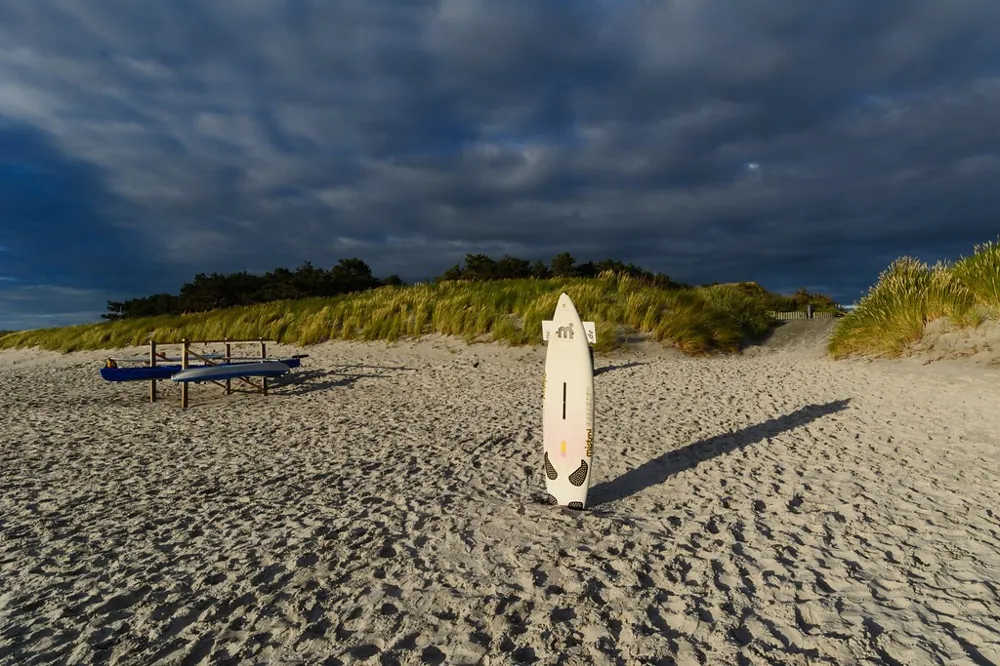
What Makes a Good Surfboard for Kids?
The best kids' surfboard is soft, floaty and small enough to carry. A foam soft top protects your child, and everyone around them, when they fall. Enough volume (buoyancy, measured in liters) lets them paddle into waves and stand up. A board they can carry down the beach alone means they'll keep wanting to go.
Kids' boards come in three broad sizes. Grom boards under about 5'6" suit young or light children. Boards of about 6 feet suit most kids of about 7 to 12. Boards of 7 feet and up suit teens and heavier kids. Our picks cover all three.
South Bay Board Co. Guppy 6'
Best for most kids
- 6' x 21" x 3" soft top
- Wide, stable outline for small riders
- Round-edge fins and leash included
Rock-It Chub 4'10"
Best for small groms
- 58" x 19.5" x 2.5", about 35 L
- Short and light to carry
- Twin fins, dual wooden stringers
Wavestorm 7ft Classic
Best for teens
- 7' x 22" x 3", listed 70 L
- Triple stringers
- Room to grow into
Kids' Surfboards Compared
| Board | Length | Listed Size or Volume | Listed Rider Weight | In the Box | Best Suited To |
|---|---|---|---|---|---|
| South Bay Guppy 6' | 6' | 6' x 21" x 3" | Check listing | Fins, leash | Most kids about 7–12 |
| Rock-It Chub | 4'10" | 58" x 19.5" x 2.5", about 35 L | Check listing | Twin fins | Small, light groms |
| Wavestorm 7ft Classic | 7' | 7' x 22" x 3", 70 L | Not stated | Fins, leash | Teens and heavier kids |
| Rock-It Alberto | 5'6" | Kids' soft top | Up to 175 lb | Check listing | Kids 6–12 |
| Boardworks Froth! 5' | 5' (range to 9') | About 30 L at 5' | Not stated | Futures fins | Small kids; also boat wakes |
| Wavestorm 5'6" Swallowtail | 5'6" | 66" x 21" x 2.75", about 42 L | Not stated | Fins, leash | Light kids who can already stand |
| Liquid Shredder FSE 6' | 6' | EPS core, PP slick bottom | Kids up to 90 lb (listing) | Thruster fins | Lighter kids on a tight budget |
Specs come from each maker's or retailer's listing. Listings change, so check the current size, volume and rider weight before you buy.
The Best Surfboards for Kids
1. South Bay Board Co. Guppy 6'
The Guppy is a soft-top board made for young beginners. Its listing gives it a rounded nose, a wide chest area for stability and a slick plastic bottom, at 6' x 21" x 3". Weight ratings differ between listings and reviews, so check the current listing for the rider limit. It comes with round-edge fins, which are kinder to shins than sharp plastic fins, and a leash. The 6-foot size fits a wide band of school-age kids. South Bay also sells 5' and 8' versions for smaller kids and teens.
Good to Know
- Safety-focused fins and soft deck
- Leash included
- 5', 6' and 8' sizes
Watch Out For
- Volume isn't listed; compare dimensions instead
- Heavier teens will want the 8' or a 7' board
2. Rock-It Chub 4'10"
The Chub is a short, wide twin fin at 58" x 19.5" x 2.5" and about 35 liters. It has an EPS foam core, two wooden stringers and a textured soft top that grips without wax. A small child can carry it alone, and 35 liters is roughly right for a beginner of about 35 kg (77 lb) using the volume rule below. Rock-It also markets it for river waves and boat wakes, so it stays useful as a child improves. Some listings show a 150 lb weight limit and twin fins included, while some retailers sell it without fins, so check what's in the box.
Good to Know
- Easy for small kids to carry
- Wax-free textured deck
- Fun in small waves as skills grow
Watch Out For
- Too little float for heavier or older beginners
- No leash listed; add one
3. Wavestorm 7ft Classic
For teens and heavier kids, a 7-foot soft top gives far more float. The Wavestorm 7ft is listed at 7' x 22" x 3", 70 liters and about 10.2 lb, with three stringers, a soft deck and a slick bottom. Fins and a leash come with it. Teens often outgrow grom boards quickly, so a 7-footer is one they can keep using as a small-wave board after they move on to something shorter.
Good to Know
- Lots of float for teen beginners
- Fins and leash included
- Widely sold and easy to resell
Watch Out For
- Too long and heavy for small kids to carry
4. Rock-It Alberto 5'6"
A soft-foam kids' board listed for children 6 to 12. It's built strong enough for teens or adults up to 175 lb, so a parent can push a child into waves or borrow it. At 5'6" it sits between grom boards and 6-foot learners. It's a good choice for a slight child who finds a 6-footer awkward to carry.
Good to Know
- Kid-sized length with a high weight rating
- Soft foam throughout
Watch Out For
- Volume isn't listed
5. Boardworks Froth! 5'
The Froth! is a soft top with an EPS core and a thruster setup using standard Futures fins. Retail listings show sizes from 5' (about 30 L) up to 9'. The 5-foot board suits small, light kids. It's also sold as a wakesurf board, so it's a good pick for families who spend time on boats as well as at the beach.
Good to Know
- Wide size range, so siblings can share a model
- Standard fins are easy to replace
Watch Out For
- Choose the exact size in the listing; volume varies a lot
6. Wavestorm 5'6" Swallowtail
A small foam fish with a swallowtail, at 66" x 21" x 2.75" and about 42 liters. It has a triple-stringer core, an HDPE bottom and three bolt-through fins, and a leash is included. Its float suits a light child who already stands up on whitewater and wants a board that turns more easily. It's a step up rather than a first board.
Good to Know
- Playful shape for progressing kids
- Fins and leash included
Watch Out For
- Less stable than a longer learner board
7. Liquid Shredder FSE 6'
A budget soft board with an EPE foam deck over an EPS core, a polypropylene slick bottom, two wooden stringers and removable thruster fins. A US retailer listing describes it as designed for beginners and kids up to 90 lb. A leash isn't listed, so plan to buy one. It's widely stocked by big-box stores, so check those when buying.
Good to Know
- Light and simple
- Thruster fins included
Watch Out For
- Lower listed weight range than the boards above
- Leash not included
Is Your Child Ready? Lessons and Surf Camps
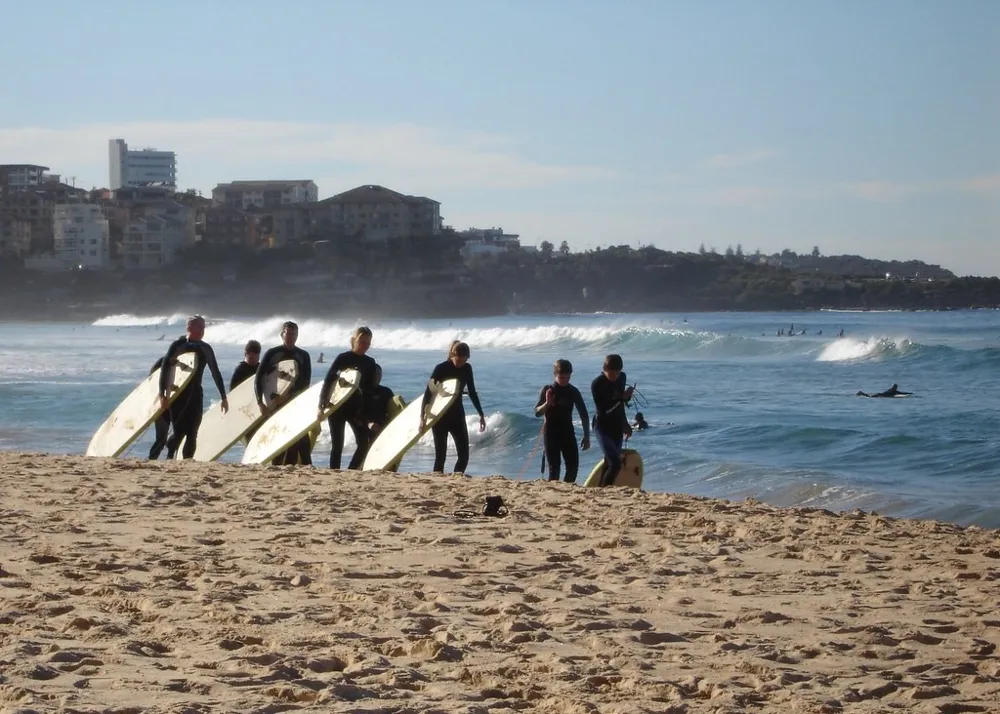
There's no minimum age for surfing, but there is a minimum comfort level. Before a child surfs without a hand on the board, they should be able to swim confidently, put their face in the water and stay calm when a wave knocks them over. Very young kids often start by riding tandem with a parent or instructor, or by catching whitewater on a bodyboard.
A lesson or surf camp is the fastest and safest start. Instructors pick gentle waves, push kids into them and teach the pop-up, safety and lineup etiquette in a way parents often can't. What to expect:
- Age limits vary by school. Booking platform CheckYeti notes that private lessons can start as young as about 2 with some providers, and group classes for kids usually start around age 4. Check each school's rules.
- Swim checks are common. San Diego's Surf Diva, for example, requires campers to swim a short pool length and bring their own waterproof sunscreen.
- Boards and wetsuits are usually provided or rentable, which lets you see what size suits your child before you buy.
- Camps run over several days, so kids get repetition and friends to surf with. Many families book a camp first and buy a board afterward.
Teaching your child yourself? Follow the basics in how to surf. Start in waist-deep whitewater, push them into waves from behind and keep sessions short and fun.
Kids' Surfboard Size Chart
Size a kids' board by weight first, then ability. Age is only a rough guide, because two 9-year-olds can differ by 30 lb or more. This chart follows a surf retailer's kids' sizing guide, the same one used in our surfboard size chart:
| Age (Rough Guide) | Approx. Weight | Board Length |
|---|---|---|
| 4–6 | Under 29 kg (64 lb) | 4'0"–5'8" |
| 7–10 | 30–40 kg (66–88 lb) | 5'8"–6'2" |
| 11–13 | 40–50 kg (88–110 lb) | 6'2"–7'0" |
| 14+ | 50–59 kg (110–130 lb) | 7'0"–8'0" |
| 14+ | Over 59 kg (130 lb) | 9'0"+ |
Retailer chart; brands' own charts differ a little. Use it as a starting range.
Check volume too. For beginners, a common rule of thumb is about 1 liter of volume per kilogram of body weight. A 30 kg (66 lb) child would start on a board of about 30 liters or a little more. As kids improve, they can ride less volume. Many kids' boards don't list volume, so compare length, width and thickness against boards that do.
- Between sizes? Go bigger for a nervous or brand-new surfer. Go smaller if the child already stands up and the bigger board is hard to carry.
- Buying to grow into? One size up is fine. A board that's much too big is heavy to carry, blows around in wind and is hard for a child to turn.
- Carry test: your child should be able to carry the board under one arm or on their head down the beach without help.
Soft Top or Hard Surfboard for Kids?
Start almost every child on a soft top. A foam deck and rails are far less likely to cause cuts, bruises or head knocks than fiberglass or epoxy. A soft top also floats more than a hard board of the same length, and it shrugs off being dropped in the parking lot. Most surf schools teach on them for these reasons.
| Soft Top | Hard Board (Fiberglass or Epoxy) | |
|---|---|---|
| Safety in a fall | Much more forgiving | Hard rails and sharp fins can injure |
| Float and stability | High | Lower for the same length |
| Durability | Handles knocks; dislikes heat | Dings easily, needs repairs |
| Performance | Best in small, gentle waves | Turns and holds a line better |
| Best for | Learning and small-wave fun | Kids already turning on green waves |
For more foam board options, including adult sizes for parents, see our best soft top surfboards. Grown-up learners should start with the best surfboards for beginners.
Wetsuits and Rash Guards for Kids
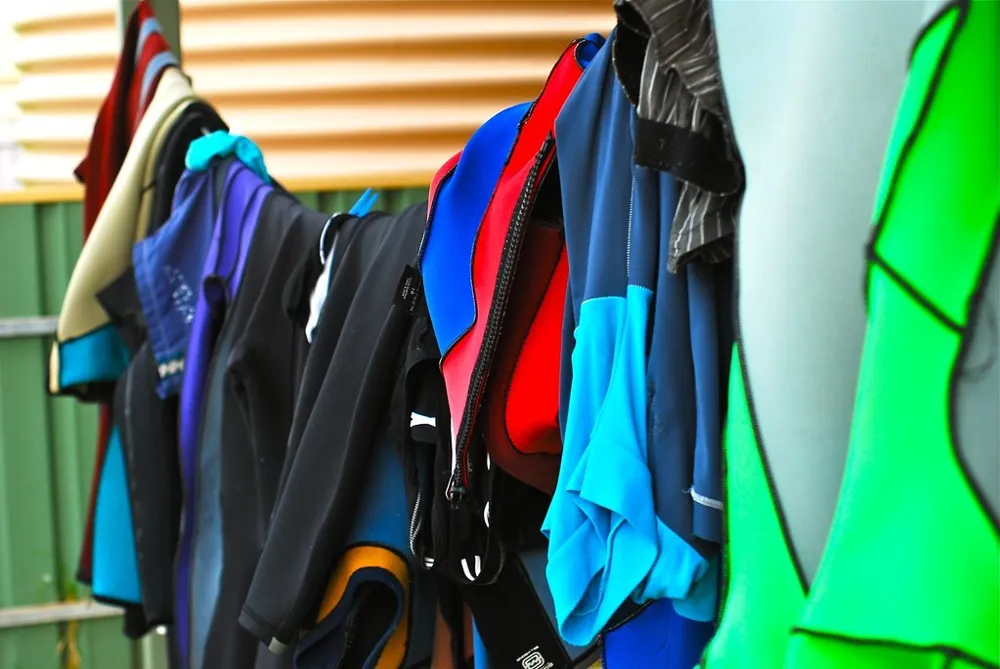
Kids get cold faster than adults, and a cold child stops having fun. Match the suit to the water temperature, using the same ranges as our wetsuit guide:
- Warm water (about 72°F / 22°C and up): a rash guard with a swimsuit or boardshorts, or a youth shorty.
- Mild water (about 65–72°F / 18–22°C): a spring suit or a youth 3/2 full suit.
- Cooler water: a youth 3/2 or 4/3 full suit, and booties if the water is cold.
A wetsuit should fit snugly with no baggy folds at the back or knees. Avoid buying several sizes too big, because water will flush through and the child will get cold. A long-sleeve rash guard also protects against sunburn and rubbing from the board's deck. See the planned rash guards guide for more choices.
O'Neill Reactor-2 3/2 Youth Wetsuit
O'Neill's back-zip Reactor-2 full suit in youth sizes, a common choice for young surfers and swimmers in mild water.
Check Price on AmazonO'Neill Basic Skins Rash Guard
A basic stretch rash guard for sun and rash protection on its own or under a wetsuit. Check the listing for youth sizes and sleeve length.
Check Price on AmazonLeash, Fins and Wax for Kids
- Leash: always use one. It keeps the board from washing in and hitting other people, and it keeps the board close as a float. Choose a leash about the same length as the board or slightly longer: around 5 feet for groms' boards and 6 feet for most kids' boards from about 5'6" to 6'6". A 7-foot board takes a 7-foot leash. Fit the cuff to the back ankle (the right ankle for regular-footed riders). Compare options in our surf leash guide.
- Fins: soft or round-edged fins are safer for kids. Many kids' soft tops include flexible fins; if yours came with hard plastic fins, check them for sharp edges. More in our surfboard fins guide.
- Wax: many soft tops have a textured deck that grips without wax. A thin coat where the feet land still helps on smoother decks. Use the right temperature wax from our surf wax guide.
- Sun gear: broad-spectrum sunscreen, a rash guard and, for little ones on the beach, a hat and shade. See the planned reef-safe sunscreen guide.
When to Move to a Hard Surfboard
Most kids stay on a soft top until they can do all of these comfortably:
- Paddle out through small waves without help.
- Catch unbroken green waves on their own, not only whitewater.
- Stand up, angle along the wave and make basic turns.
- Control the board in a crowd and follow etiquette.
At that point, a grom-specific hard board lets them turn harder and progress. These are scaled-down shortboards and fish shapes with extra width and volume, such as models one Australian retailer's guide recommends from Channel Islands, Sharpeye and Chilli. Choose one with more volume than a pro-style board, buy it from a surf shop that can size it to your child's weight, and expect some dings. Keep the soft top for small days and friends. Our surfboard types guide explains the shapes.
Surf Safety for Kids
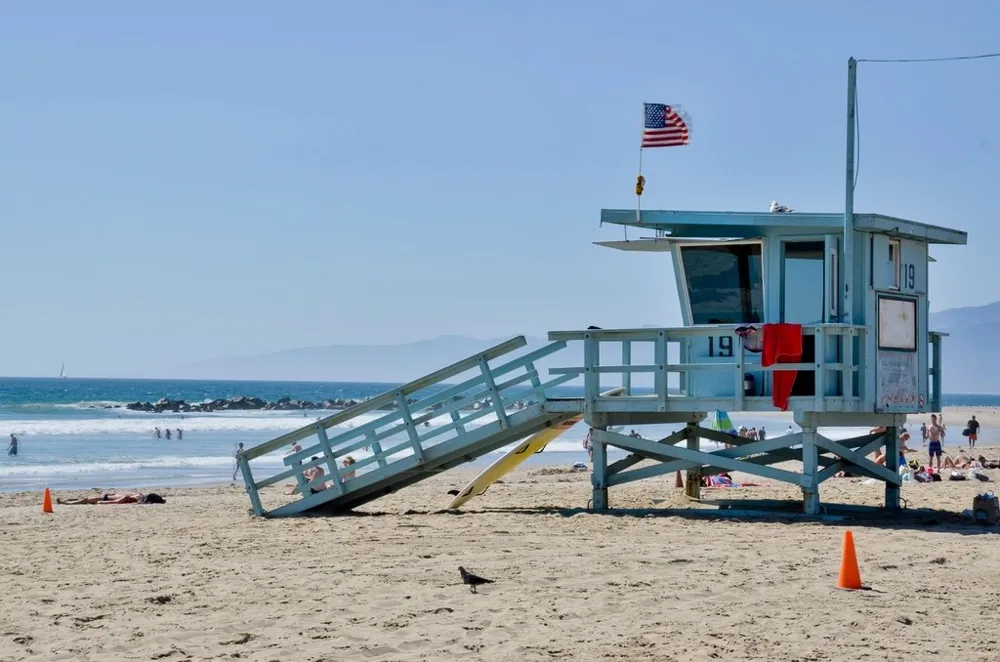
Choose a lifeguarded beach. Surf at a sandy beach break with small, gentle waves, inside the area marked for surfing, near a staffed lifeguard tower. According to the US Lifesaving Association (USLA), the chance of a fatal drowning at a beach protected by USLA-affiliated lifeguards is about 1 in 18 million. Ask the lifeguards about conditions when you arrive, and learn the beach's flags in our surf etiquette guide.
Teach rip currents before the first session. USLA figures cited by coastal lifeguard agencies attribute about 80% of ocean lifeguard rescues to rip currents. NOAA's advice:
- Stay calm. Rip currents pull you away from shore, not under the water.
- Don't fight it head-on. Swim or paddle parallel to the beach, or toward breaking waves, then angle back in. Float if you need to rest. On a surfboard, stay on the board; it floats.
- Yell and wave for help if you can't get back.
- Helping someone else: get a lifeguard or call 911, and throw them something that floats. NOAA warns that would-be rescuers who go in without flotation are often among the drowning victims.
Our planned rip currents guide covers how to spot one.
Other rules for kids:
- An adult watches from the water or the water's edge, never from the car or phone.
- Never surf alone, and stay inshore of other surfers until the child can steer the board.
- Hold the board by the nose or rails when walking it out, and keep it to the side, never between the child and an oncoming wave.
- After a fall, come up with hands over the head in case the board is nearby.
- Keep sessions short, and get out when lips turn blue or shivering starts.
Sun safety: the American Academy of Pediatrics (via HealthyChildren.org) recommends a broad-spectrum sunscreen of at least SPF 15 (up to SPF 50). Reapply it every 2 hours and after swimming. It also advises limiting sun exposure between 10 a.m. and 4 p.m. and choosing covering clothing; a long-sleeve rash guard does that in the water. Keep babies under 6 months out of direct sun. This is general information, not medical advice. Ask your pediatrician about your child's needs.
Care, Storage and Buying Used
- Rinse with fresh water after each session and let the board dry out of the sun.
- Keep it out of heat. Hot cars and direct sun can make a soft top's skin bubble or peel. Store it indoors or in a shaded rack, and use a board bag for travel.
- Check fins and the leash regularly for cracks, frays and loose screws.
- Buying used makes sense because kids outgrow boards quickly. Look for soft tops without deep gouges, peeling skin or a soft, waterlogged feel, and check that the fins and fin boxes are all there. Sell or pass the board on when your child moves up.
- Try before you buy. Renting or borrowing a board for a session or two shows which size your child can handle.
Related Guides
New to all of this? Start at the surfing hub, then read how to surf and check the surfboard size chart. For younger kids, try the bodyboard size chart and how to bodyboard. Want to surf away from the ocean? See surf parks and wave pools. Other kids' gear: kids' skateboards, kids' kayaks and kids' paddle boards.
Frequently Asked Questions
What size surfboard should my child get?
Size by weight and ability more than age. Small kids often start around 4 to 5 feet, kids of about 7 to 10 around 5'8" to 6'2", and teens 7 feet or more. A beginner board with roughly as many liters of volume as the child weighs in kilograms is a common starting point.
What age can kids start surfing?
There's no set age. Some surf schools run private lessons for very young children and group classes from about age 4, but each school sets its own minimum. A child should be comfortable in the water and able to swim before surfing on their own.
Should my kid learn on a soft top or a hard surfboard?
A soft top. Foam boards float well, feel stable and are far less likely to hurt a child, or anyone nearby, in a fall. Move to a hard board once your child catches unbroken waves and turns with control.
How long should a kid's surf leash be?
About the same length as the board or slightly longer. A 6-foot leash suits most boards from about 5'6" to 6'6"; very short groms' boards can use a 5-foot leash.
Does my child need a wetsuit to surf?
It depends on water temperature. In warm water a rash guard and swimsuit are enough; in cooler water a youth spring suit or full wetsuit keeps kids warm, and cold kids stop having fun fast.
Can a bodyboard be a better first board for young kids?
Often, yes. Very young or nervous kids can learn wave timing on a bodyboard in the shallows, then move to a small soft-top surfboard when they want to stand up.
Can adults ride kids' surfboards?
Some kids' boards list weight limits that cover light adults, but most adults need far more volume to learn. Check the listed rider weight and volume before sharing a board.