Scuba Diving Certification Levels, From First Card to Pro (2026)
How the recreational, technical and professional levels stack up at PADI, SSI and NAUI, what each card lets you do, and how long each step usually takes.
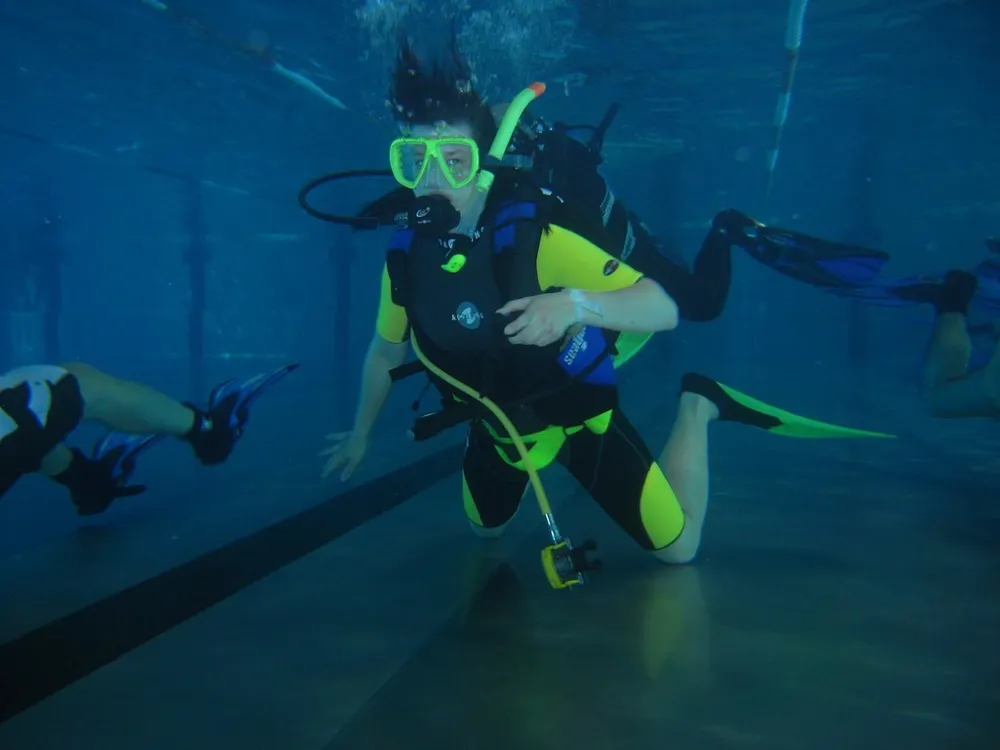
How Scuba Certification Levels Work
Scuba training is built as a ladder. Your first card, usually Open Water Diver, lets you dive with a buddy without a professional. Each level above it adds depth, skills or responsibility: Advanced Open Water builds experience, Rescue Diver teaches you to prevent and manage emergencies, and a master-level rating recognizes broad training and logged dives. Above the recreational ladder are the professional levels (Divemaster and Instructor) and a separate technical track for diving beyond recreational limits.
The three agencies most divers meet first are PADI, SSI and NAUI. Their course names and requirements differ in the details, but the shape of the ladder is the same. This guide sets them side by side using each agency's own published course pages and standards, checked November 2026. Requirements change, so confirm the current version with your dive center before you book.
If you don't have a card yet, start with how to get scuba certified, which walks through the Open Water course itself. For the acronyms you'll see on course lists, see our scuba diving terms glossary.
The Levels at a Glance: PADI vs SSI vs NAUI
| Level | PADI | SSI | NAUI |
|---|---|---|---|
| Supervised entry card | Scuba Diver: age 10+, 12 m (40 ft) with a PADI Professional | Scuba Diver: 12 m (40 ft) with a dive professional | Scuba Diver (Supervised Diver): 12 m (40 ft), two open water dives |
| First full certification | Open Water Diver: age 15 (Junior from 10), 18 m (60 ft) | Open Water Diver: age 10, 18 m (60 ft), four open water sessions | Open Water Scuba Diver: age 15 (Junior 10–14), training dives to 18 m (60 ft), at least four open water dives |
| Second level | Advanced Open Water: age 15 (Junior from 12), 30 m (100 ft), five adventure dives | Advanced Open Water Diver: age 12, 30 m (100 ft), five training dives | Advanced Open Water Scuba Diver: age 15 (Junior 10–14), six dives |
| Rescue | Rescue Diver: age 12, plus first aid and CPR within 24 months | Stress & Rescue: age 12, three open water sessions | Rescue Scuba Diver: age 15 (Junior 10–14), plus CPR, first aid and emergency oxygen |
| Master level | Master Scuba Diver: age 12, Rescue, five specialties, 50 dives | Master Diver: Stress & Rescue, Deep Diving, three more specialties, 50 dives | Master Scuba Diver: age 15, Advanced and Rescue, eight-dive course |
| First professional level | Divemaster: age 18 | Dive Guide, then Divemaster | Assistant Instructor or Divemaster |
| Instructor | IDC + Instructor Examination, age 18 | ITC + Instructor Evaluation, age 18 | Instructor Training Course, age 18 |
Sources: PADI course pages and the PADI blog's course overview, SSI's course and recognition pages, and NAUI's course pages and 2026 Standards and Procedures, checked November 2026. Depths are the agencies' published limits; your own limit also depends on your training and recent experience.
Entry Levels: Try Dives, Scuba Diver and Open Water
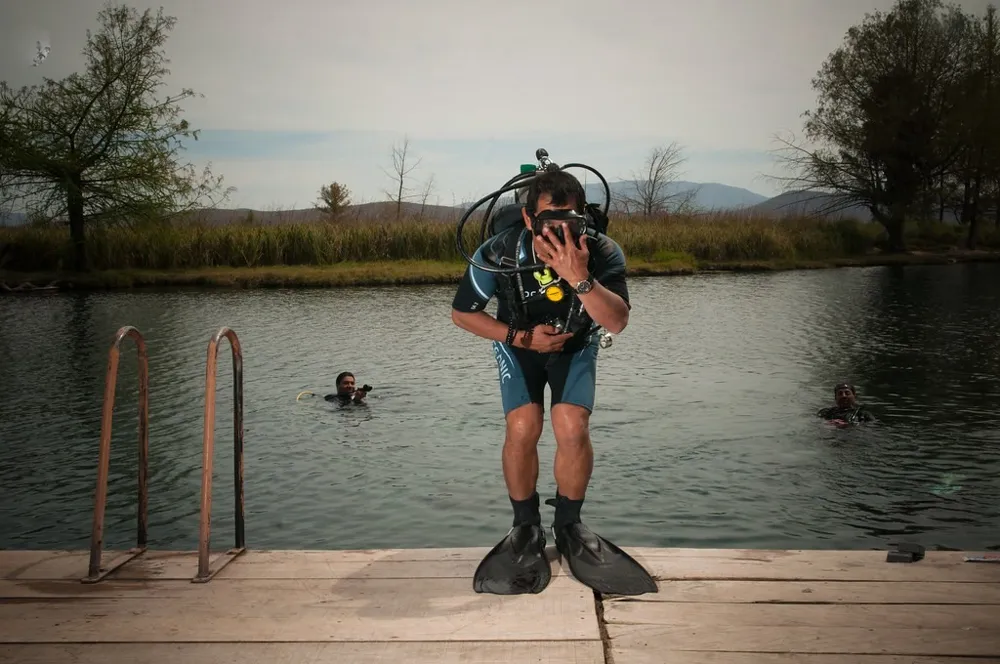
Try dives are not certifications. PADI's Discover Scuba Diving, SSI's Try Scuba and NAUI's introductory programs let you breathe underwater under an instructor's direct control. They are a taste, not a card you can use to rent gear or join a dive boat on your own.
Scuba Diver is a partial certification. PADI describes its Scuba Diver course as a subset of Open Water: you must be at least 10, and you can dive to 12 meters (40 feet) under the direct supervision of a PADI Professional. SSI offers a Scuba Diver level with the same 12-meter supervised limit, and NAUI's Scuba Diver (its "Supervised Diver" course) has a 12-meter limit and two open water dives. It suits people short on time, and it can usually be upgraded to Open Water later.
Open Water is the card most people mean by "certified." It qualifies you to plan and make dives with a buddy, without a professional, to 18 meters (60 feet). The agencies differ on age:
- PADI: Junior Open Water from age 10, adult Open Water from 15. Juniors aged 10–11 are limited to 12 meters (40 feet) with a PADI Professional or certified parent or guardian; 12- to 14-year-olds can go to 18 meters with a certified adult.
- SSI: minimum age 10, a maximum training depth of 18 meters, and no prior certification; you complete a water fitness evaluation (a swim and a survival float) before open water training.
- NAUI: adults from 15 by the water phase, with junior certification for ages 10–14. The course includes at least four open water dives, none deeper than 18 meters.
The PADI swim test, medical questionnaire and course steps are covered in how to get scuba certified, so we won't repeat them here.
Advanced Open Water: The Second Card
Advanced Open Water is less "advanced" than it sounds. It is a structured set of supervised dives that introduces deeper diving, navigation and other skills soon after your first card, and there's no big final exam.
- PADI Advanced Open Water Diver: five adventure dives. Deep and Underwater Navigation are required, and you choose the other three. Adults can then dive to 30 meters (100 feet); Junior Advanced Open Water Divers (ages 12–14) are limited to 21 meters (70 feet). PADI also has a shorter Adventure Diver step, which meets the Rescue prerequisite if it includes the navigation dive.
- SSI Advanced Open Water Diver: minimum age 12 and Open Water as the prerequisite. It has five open water training dives, each the first dive of a specialty program: Deep Diving and Navigation are required, and you pick three more, such as Perfect Buoyancy or wreck diving. The maximum training depth is 30 meters (100 feet), and 12- to 14-year-olds are limited to 21 meters on the deep dive. This course replaced SSI's former Advanced Adventurer program.
- NAUI Advanced Open Water Scuba Diver: six open water dives, with navigation, night or limited visibility, and deep (beyond 18 meters) required and three electives. NAUI's standards cap course dives at 40 meters (130 feet), so ask your instructor how deep the course dives will actually go.
Because each of these dives is the first dive of a specialty, ask whether it can be credited if you take that full specialty later. For what each depth step means for narcosis, gas and no-decompression time, see how deep can you scuba dive.
Rescue Diver: Looking After Other Divers
Rescue training shifts the focus from your own dive to the people around you: spotting stress early, self-rescue, helping a tired or panicked diver, searching for a missing diver and managing an emergency at the surface and on shore.
- PADI Rescue Diver: minimum age 12 (Junior Rescue Diver for ages 12–14). You need Adventure Diver with the Underwater Navigation dive, or Advanced Open Water, plus CPR and first aid training within the past 24 months, which PADI delivers through Emergency First Response (EFR).
- SSI Stress & Rescue: minimum age 12, a suggested 10–15 hours and three open water sessions.
- NAUI Rescue Scuba Diver: Open Water or equivalent as the prerequisite. If the course doesn't include it, you need current CPR and first aid plus emergency oxygen training for diving injuries. NAUI's course page lists 15 as the adult minimum with junior certification for ages 10–14.
Rescue is also the gateway to the master and professional levels. If you want the medical side, our guides to decompression sickness and whether scuba diving is dangerous explain the accident patterns this training is meant to prevent. They are general information, not medical advice.
Specialty Courses: Where Most of the Choice Is
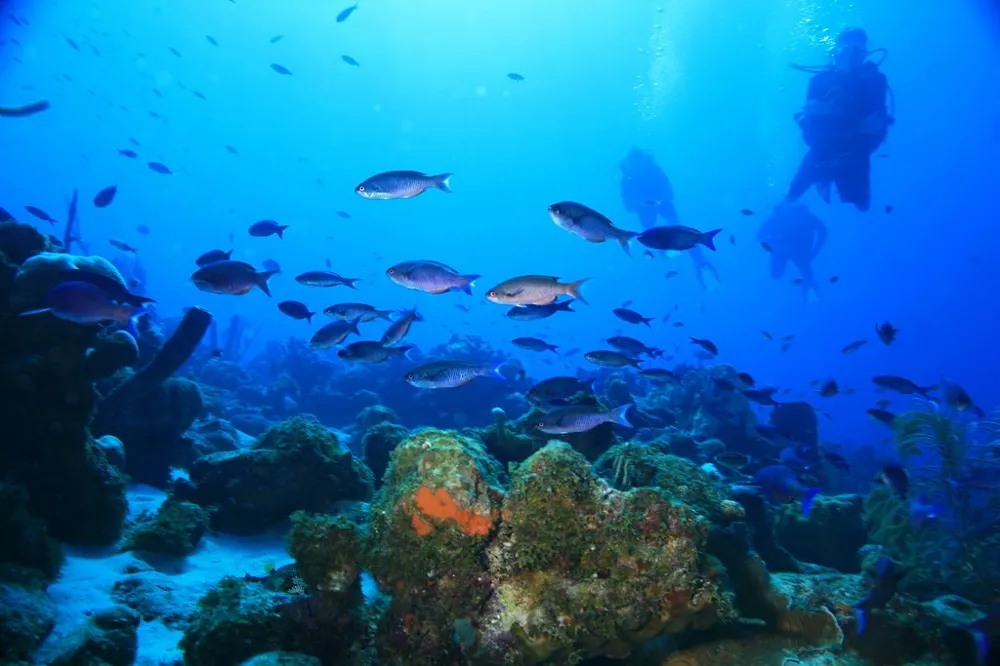
Specialties are focused courses that sit alongside the main ladder rather than above it. PADI says it offers more than 25, and some require Advanced Open Water first. SSI lets you start specialty training right after Open Water or combine it with Open Water. The most popular choices cover:
| Specialty Group | Examples | Why Divers Take It |
|---|---|---|
| Gas and depth | Enriched Air (Nitrox), Deep Diver / Deep Diving | Longer no-stop time at moderate depths; training to the 40 m (130 ft) recreational limit |
| Skills | Peak Performance Buoyancy / Perfect Buoyancy, Underwater Navigator, Search and Recovery | Better control and confidence on every dive |
| Environments | Wreck, Night, Drift, Ice, Altitude, Cavern | Extra hazards that need specific procedures |
| Equipment | Dry Suit, Sidemount, Rebreather, Diver Propulsion Vehicle | Gear that changes how you dive |
| Interests | Digital Underwater Photographer, marine ecology courses | Photography, fish ID and conservation |
Course names above are PADI's and SSI's. NAUI runs similar specialties under its own names, including a Deep Diver course for 18 to 40 meters without decompression stops. Our guide to the types of scuba diving lists the matching course, prerequisites and main risk for each style, and cave diving covers the separate cavern-to-cave pathway.
Master Scuba Diver and SSI Recognition Ratings
The top of the recreational ladder works differently at each agency:
- PADI Master Scuba Diver is a rating, not a course. You must be at least 12, hold Open Water, Advanced Open Water and Rescue Diver, complete five specialty courses and log at least 50 dives.
- SSI Master Diver is one of several free "recognition" cards that SSI issues automatically once you meet the requirements: Deep Diving, Diver Stress & Rescue, three more specialty programs and 50 logged dives. On the way you can earn Specialty Diver (two specialties and 12 logged dives) and Advanced Specialty Diver (four specialties and 24 logged dives).
- NAUI Master Scuba Diver is an actual course. It requires NAUI Advanced Open Water and Rescue Scuba Diver (or equivalents), a minimum age of 15 and eight open water dives, with course dives capped at 40 meters. NAUI describes it as a progression toward its leadership roles.
SSI also issues experience-based cards at dive-count milestones, starting with Century Diver at 100 dives and running through Elite (250), Gold (500), Platinum (750) and Diamond (1,000) to Platinum Pro at 5,000. SSI says these apply whether you certified with SSI or another agency. A logbook or a dive computer log is what proves those numbers.
Professional Levels: Divemaster to Instructor
Divemaster is the first professional rung at most agencies. PADI requires a minimum age of 18, Open Water, Advanced Open Water and Rescue (or equivalents), first aid and CPR training within 24 months, 40 logged dives to start and 60 to certify. A divemaster can guide certified divers and assist instructors but cannot teach scuba courses alone. SSI has a Dive Guide level before Divemaster, and NAUI's leadership courses include Assistant Instructor and Divemaster.
| Step | PADI | SSI | NAUI |
|---|---|---|---|
| Instructor course | Instructor Development Course (IDC) | Instructor Training Course (ITC) | Instructor Training Course (ITC) |
| Exam | Instructor Examination (IE) | Instructor Evaluation (IE) | Check current NAUI standards |
| Minimum age | 18 | 18 | 18 by the water phase |
| Logged dives to start | 60 | 60 dives, at least 40 hours | 60 dives, at least 30 hours bottom time |
| Above instructor | Specialty Instructor, Master Instructor, Course Director | Specialty Instructor through Instructor Trainer | Trainer levels; check NAUI's leadership pages |
The full prerequisites, timelines, renewal rules and job options are in our guide on how to become a scuba instructor.
Technical Diving Levels
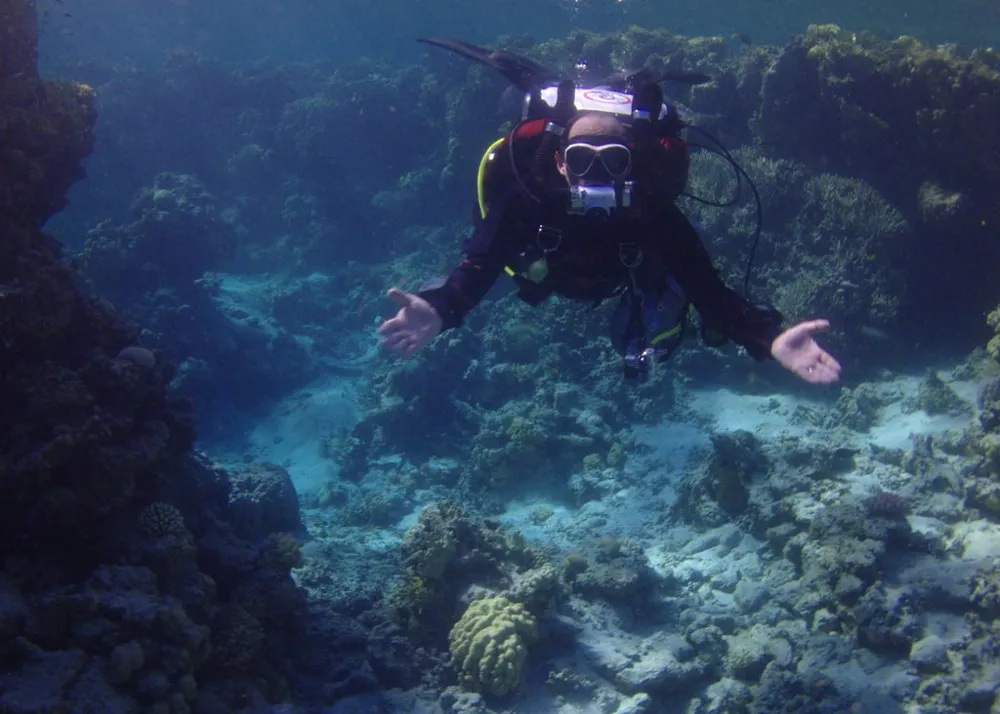
Technical diving is a separate ladder for dives beyond the recreational limits: deeper than 40 meters, with required decompression stops, gas switches or an overhead such as a cave. PADI's TecRec courses start with Discover Tec and Tec 40, then step up in depth:
| PADI Tech Course | Maximum Depth |
|---|---|
| Tec 45 | 45 m (145 ft) |
| Tec 50 | 50 m (165 ft), with up to two gases |
| Tec Trimix 65 | 65 m (210 ft) on trimix |
| Tec Trimix Diver | 90 m (300 ft) |
| Tec 60 CCR / Tec 100 CCR | 60 m (200 ft) / 100 m (330 ft) on a rebreather |
SSI calls its technical pathway Extended Range, NAUI runs its own Technical courses, and TDI, IANTD and GUE are agencies dedicated to technical, cave and rebreather training. Expect prerequisites such as nitrox, deep training and a substantial log of dives, and check each course's current requirements. The physics behind those depth steps is covered in how deep can you scuba dive.
Freediving has its own ladder too. PADI's Freediver course starts at age 12, Advanced Freediver at 15 and Master Freediver at 18. See how to freedive and scuba diving vs freediving.
Do Agencies Recognize Each Other's Cards?
For the levels most divers hold, yes. Entry-level standards are shared through international minimums:
| ISO 24801 Level | What It Means | Typical Agency Card |
|---|---|---|
| Level 1: Supervised Diver | Dives under the direct supervision of a dive professional; most agencies recommend 10–12 m at most | PADI, SSI or NAUI Scuba Diver |
| Level 2: Autonomous Diver | Dives independently with a buddy; most agencies recommend 18–20 m at most | Open Water Diver |
| Level 3: Dive Leader | Plans, organizes and leads dives for other recreational divers | Divemaster or equivalent |
Source: the ISO 24801 summary on Wikipedia's recreational scuba certification levels page. The same page notes that every recognized recreational agency issues at least one card that meets the Autonomous Diver level, which has worldwide acceptance, while the Supervised Diver level is not universally accepted. In the US, Recreational Scuba Training Council (RSTC) standards map to the ISO levels, and the World Recreational Scuba Training Council (WRSTC) brings regional councils such as these together.
In practice, that means:
- Your Open Water card works almost everywhere. A PADI, SSI or NAUI Open Water card is what dive shops worldwide expect to see.
- You can switch agencies between courses. PADI, SSI and NAUI course pages accept prerequisite cards "or equivalent," so an SSI Open Water Diver can usually join a PADI Advanced course, and vice versa.
- Partial cards travel less well. A supervised Scuba Diver card may not be accepted everywhere, and some operators won't take you diving on it.
- Professionals switch by crossover. Instructors can usually move to another agency through a crossover program rather than starting over.
- Other agencies count too. CMAS star ratings, BSAC grades, SDI, RAID and others are widely recognized, though the level names don't line up one-to-one (BSAC Sports Diver and CMAS two-star are often compared with Rescue Diver).
PADI vs SSI vs NAUI: Which Should You Choose?
| Point | PADI | SSI | NAUI |
|---|---|---|---|
| Founded | 1966 | 1970 | 1959 |
| Structure | Works through member dive centers and resorts | Runs its programs through dive centers and resorts | Non-profit association of instructors |
| Master level | Rating: 5 specialties + 50 dives | Free recognition: 3 specialties + Deep + Stress & Rescue + 50 dives | 8-dive course |
| Learning materials | eLearning or manuals | Digital materials; the MySSI app holds eCards and your dive log | NAUI's online theory system plus instructor-led sessions |
Founding years and structure are as reported by divein.com's agency comparison. The honest answer is that for your first few courses, the choice of instructor and dive center matters more than the agency. All three follow shared minimum standards, so look for small class sizes, enough in-water time, well-kept rental gear and an instructor you trust. Pick the agency your local shop teaches, and switch later if you travel somewhere that uses another one. If you're choosing where to dive after certifying, our best scuba diving destinations for beginners lists calm, shallow options.
How Long Each Level Takes
Times vary with the dive center, the weather and how fast you log dives, so treat these as rough guides, not promises:
| Level | Typical Time | Source Note |
|---|---|---|
| Open Water | About 2–5 days, or several weekends | PADI says as little as 2–4 days; SSI suggests 16–32 hours |
| Advanced Open Water | As little as 2 days | Five dives; SSI suggests 10–15 hours |
| Rescue Diver | About 4–7 days (PADI), 10–15 hours (SSI) | Plus first aid and CPR if you don't have it |
| Master level | Months to years | Set mostly by reaching 50 logged dives |
| Divemaster | About 2 weeks to 6 months | PADI's range; internships run longer |
| Instructor course | About 10–14 days (PADI OWSI) | After at least 6 months certified and 60 logged dives |
Recreational cards generally don't expire. If you've been out of the water for a while, a refresher such as PADI ReActivate or SSI Scuba Skills Update is a sensible first step, and many operators ask for one. Our scuba diving tips for beginners cover the buoyancy and air habits to work on between courses.
Which Level Do You Actually Need?
- A one-off vacation dive: a try dive is enough; no card needed.
- Diving on trips with a guide: Open Water covers most reef dives within 18 meters (60 feet). Scuba Diver works only if you'll always dive with a professional.
- Deeper sites, wrecks and walls: Advanced Open Water (30 meters) and then a Deep Diver specialty for the 40-meter recreational limit. Some sites, such as Belize's Great Blue Hole, call for Advanced Open Water or Deep Diver training first, according to PADI; see our best scuba diving destinations.
- Cold water, night or specific styles: the matching specialty, such as Dry Suit, Night or Wreck.
- Diving more independently and safely: Rescue Diver, then a master-level rating as your log grows.
- Working in diving: Divemaster, then the instructor course.
- Beyond 40 meters, caves or rebreathers: a technical agency or tech pathway, built on solid recreational experience.
Whatever level you're at, the gear list stays similar; see the scuba diving equipment list. For more guides, visit our snorkeling and diving hub.
Frequently Asked Questions
What are the levels of scuba certification?
The usual recreational ladder is Open Water, Advanced Open Water, Rescue Diver and a master-level rating (PADI Master Scuba Diver, SSI Master Diver or NAUI Master Scuba Diver). Specialties sit alongside it, and Divemaster and Instructor are the professional levels above it.
What is the highest level of scuba certification?
For recreational divers, it is the master level: PADI Master Scuba Diver, SSI Master Diver or NAUI Master Scuba Diver. Above that are professional ratings such as Divemaster, Instructor and Course Director, plus separate technical diving levels.
Is PADI better than SSI or NAUI?
Not in any simple way. All three train to shared minimum standards for entry-level divers, and the quality of the instructor and dive center usually matters more than the logo on the card.
Can I switch from SSI or NAUI to PADI for my next course?
Usually, yes. Agency course pages accept an Open Water certification "or equivalent" from another recognized agency as the prerequisite for advanced training, so many divers mix agencies. Confirm with the dive center before booking.
How deep can you go with each scuba certification?
With PADI, Scuba Diver is limited to 12 meters (40 feet), Open Water to 18 meters (60 feet), Advanced Open Water to 30 meters (100 feet) and Deep Diver to the 40-meter (130-foot) recreational limit. SSI uses the same 12, 18 and 30 meter steps.
How many dives do you need for Master Scuba Diver?
PADI and SSI both require 50 logged dives for their master-level rating, plus Rescue training and specialties. NAUI's Master Scuba Diver is a course with eight open water dives that requires Advanced and Rescue certification first.
Does a scuba certification expire?
Recreational certification cards generally don't expire, but skills fade. If you haven't dived for a while, a refresher or skills update course is a good idea, and some operators ask for one.