The Best Ski Resorts for Beginners and First-Timers (2026)
A good first ski trip comes down to gentle terrain, a separate place to learn and a strong ski school. Here are 12 US resorts that make learning easier, with the terrain mix each one publishes, as of November 2026.
What Makes a Ski Resort Good for Beginners?
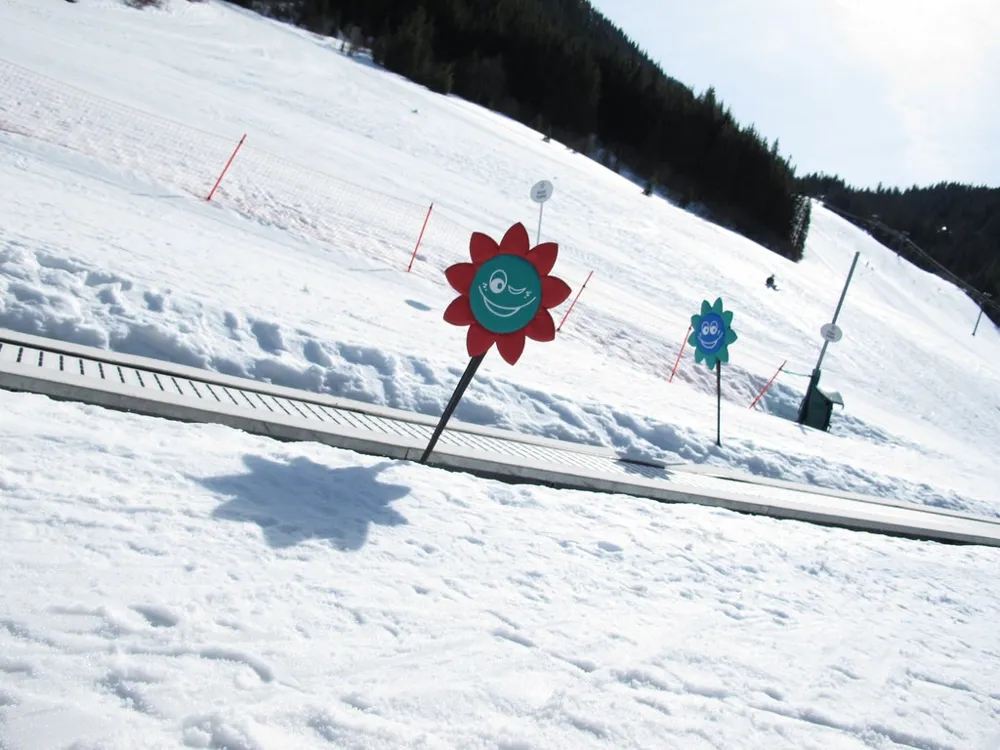
Big-name resorts are built to impress strong skiers, but a first-timer only needs a small part of any mountain. What makes the difference is how that part is set up. The best places to learn have a learning area that's separate from fast traffic, usually served by magic carpets or a slow chairlift; enough green runs that you're not stuck on one slope all week; a ski school with first-timer lessons; and an easy path from the parking lot or lodging to the snow.
We picked resorts that publish those details and compared them on the numbers each resort lists itself, mainly the share of beginner terrain. This guide is aimed at adult first-timers and improving beginners. If you're planning around young kids, child care and kids-ski-free deals, see our best family ski resorts guide instead.
Best Ski Resorts for Beginners at a Glance
Terrain mix is the resort's own published split. A dash means the resort doesn't publish one on the pages we checked. Figures are as of November 2026.
| Resort | State | Beginner / Int. / Adv. (Official) | Beginner Feature | 2026/27 Pass |
|---|---|---|---|---|
| Buttermilk (Aspen Snowmass) | Colorado | 35% / 39% / 26%, 0% expert | A whole mountain aimed at learning | Ikon, Mountain Collective |
| Dollar Mountain (Sun Valley) | Idaho | — | Separate learning mountain, 296 acres | Ikon, Mountain Collective |
| Okemo | Vermont | 33% / 37% / 30% | First Timer lessons and guide | Epic |
| Beaver Creek | Colorado | 28% / 38% / 34% | McCoy Park learning terrain | Epic |
| Copper Mountain | Colorado | — | Terrain naturally divided by ability | Ikon |
| Keystone | Colorado | 12% / 39% / 49% | Long groomed greens on Dercum Mountain, night skiing | Epic |
| Loveland | Colorado | 13% / 41% / 46% | Loveland Valley, a separate beginner area | Independent |
| Breckenridge | Colorado | 11% / 31% / 24%, 34% expert | Quicksilver SuperChair on Peak 9 | Epic |
| Northstar | California | 13% / 60% / 27% | A big intermediate share for the next step | Epic |
| Deer Valley | Utah | — | Grooming, skiers only | Ikon (reservations) |
| Smugglers' Notch | Vermont | — | Night school for beginners | Check the resort |
| Seven Springs | Pennsylvania | — | Small, close to Pittsburgh, night skiing | Check Epic |
Pass lineups change every season, so check the Epic and Ikon pass pages before you buy. Prices aren't listed here because they change by date and channel.
The 12 Best Beginner Ski Resorts in the US
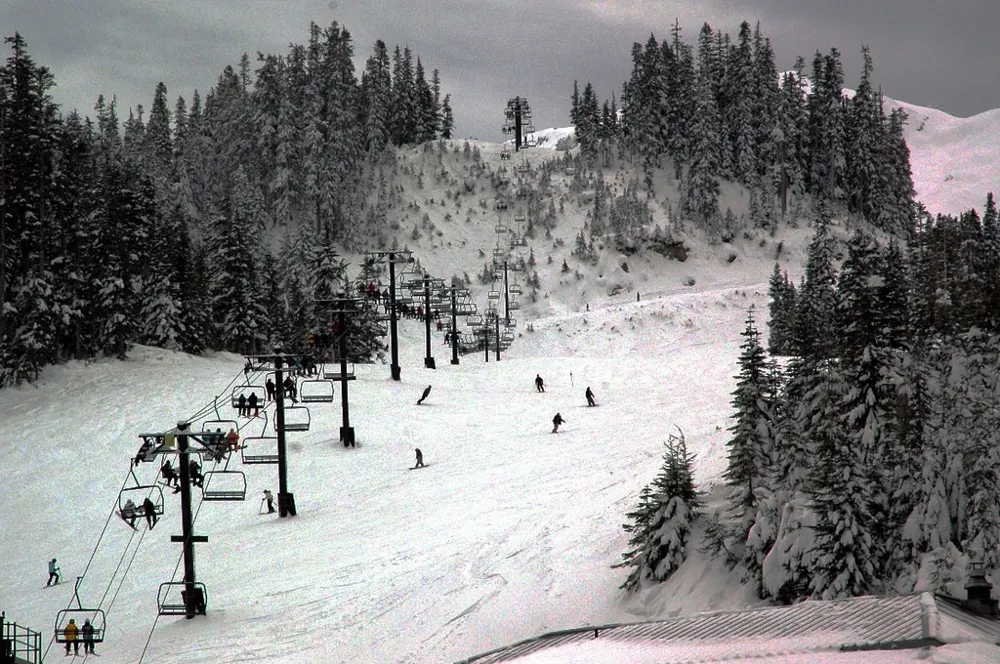
These are in a rough order of how much each resort is built around learning, not a strict ranking. All of them also have harder terrain, so they work for mixed groups too.
1. Buttermilk, Colorado
Buttermilk is the gentlest of Aspen Snowmass's four mountains, and it has the highest published beginner share on this list. Aspen Snowmass's 2025/26 stats list 470 acres, 2,030 feet of vertical, 44 trails and 8 lifts, with 35% beginner, 39% intermediate and 26% advanced terrain and no expert terrain at all. That means you can learn without expert skiers flying past. It's also home of the X Games. One ticket covers the other three mountains, so stronger friends can ski Snowmass (3,342 acres and a 4,440-foot vertical, but only 5% beginner terrain) while you learn. Buttermilk's 2026/27 opening was set for December 12, 2026. See the best ski resorts in Colorado.
2. Sun Valley's Dollar Mountain, Idaho
Sun Valley has a whole separate learning mountain. Dollar Mountain has 296 skiable acres, five lifts and about 628 feet of vertical, plus Sunny's Adventure Park, with beginner-friendly features, which returns for its second season. When you're ready, Bald Mountain has the bigger terrain. Sun Valley's Dollar Mountain page says the mountain sat out 2025/26 and reopens for 2026/27, so check its status before you book. Sun Valley opens November 26, 2026, and is on the Ikon Pass and the Mountain Collective.
3. Okemo, Vermont
Okemo has the highest published beginner share among the Eastern resorts here. Its mountain page lists 667 acres, 123 trails and 20 lifts, with 33% beginner, 37% intermediate and 30% advanced terrain, and a summit of 3,344 feet with a base of 1,144 feet. Okemo sells First Timer lessons and publishes a First Time Guide. It's in southern Vermont, among the closest big resorts to New York and Boston, and it's on the Epic Pass. Warm weather delayed its opening in mid-November 2026, so check conditions before you go.
4. Beaver Creek, Colorado
Beaver Creek is known for polish and service, and it backs that up with more beginner terrain than most big Colorado resorts. Its mountain page lists 2,082 acres, 167 trails and 24 lifts, with 28% beginner, 38% intermediate and 34% advanced terrain. Beaver Creek describes McCoy Park as learning-friendly terrain, so beginners have a dedicated place to build skills. Beaver Creek opens November 25, 2026, and is on the Epic Pass. Fly into Eagle County or Denver.
5. Copper Mountain, Colorado
Copper's selling point for beginners is its layout. The terrain is naturally divided by ability, so groups of mixed levels can split up and meet again easily, and newer skiers aren't sharing runs with experts. It has 2,538 skiable acres, 24 lifts and 157 marked trails, and it's about 75–80 miles from Denver at I-70 Exit 195, with a Summit Express shuttle from Denver International Airport. Copper opened November 6, 2026, and is on the Ikon Pass. See ski resorts near Denver for drive times.
6. Keystone, Colorado
Keystone's official split is only 12% beginner, 39% intermediate and 49% advanced across 3,149 acres, 140 trails and 21 lifts, but the beginner terrain it has is well placed. Dercum Mountain has long, groomed beginner slopes, there are learning areas at the top of the mountain, and green trails run above treeline in Bergman Bowl. Schoolmarm, its longest run, is 3.5 miles. Keystone also runs night skiing, which gives beginners extra mileage. Its base is at 9,280 feet, so plan an easy first day. It opened October 30, 2026, and is on the Epic Pass.
7. Loveland, Colorado
Loveland is the closest big ski area to Denver on this list, at 53 miles from the city at I-70 Exit 216, on the Denver side of the Eisenhower Tunnel. Its overall split is 13% beginner, 41% intermediate and 46% advanced, but beginners don't learn on the main mountain: Loveland Valley is a separate beginner area with magic carpets, away from faster traffic. Loveland has 1,800 lift-served acres and sells its own tickets rather than joining Epic or Ikon. Its base sits around 10,800 feet, one of Colorado's highest.
8. Breckenridge, Colorado
Breckenridge is a big, high resort with a strong expert side: its mountain page lists 2,908 acres, 187 trails and 35 lifts, with 11% beginner, 31% intermediate, 24% advanced and 34% expert terrain. Beginners should head for Peak 9, where the Quicksilver SuperChair serves beginner and intermediate slopes and is described as ideal for learning skiers. The historic town and free Summit Stage bus make it an easy base for a first trip with non-skiers. The base is at 9,600 feet. Breckenridge opened November 6, 2026, and is on the Epic Pass.
9. Northstar, California
Northstar, on the north side of Lake Tahoe, lists only 13% beginner terrain, but 60% intermediate, the highest intermediate share on this list. That makes it a good choice for a second or third trip, once you're linking turns and want long blue runs to build confidence. It has 3,170 skiable acres, 100 trails, 20 lifts and an average of 350 inches of snow, with a base at 6,330 feet, lower than the Colorado resorts. It's on the Epic Pass. See California ski resorts and our Lake Tahoe ski resorts guide.
10. Deer Valley, Utah
Deer Valley is known for grooming and service, which beginners notice: smooth, well-groomed runs are easier to learn on than bumps. It's skiers-only, so snowboarders will need to ride elsewhere. Its expansion brings it to 4,500 skiable acres for 2026/27, and it's in Park City, within easy reach of the Salt Lake City airport. Deer Valley opens December 5, 2026, and is on the Ikon Pass, with reservations required for Ikon visitors. More in Utah's best ski resorts and skiing in Park City.
11. Smugglers' Notch, Vermont
Smugglers' Notch, known as Smuggs, runs a night school for beginners, which suits adults who want to learn in the evening, and it has the Smugglers' Notch Adaptive Program for skiers of all abilities. Its three mountains include Morse, where the resort has described the Morse Highlands lift as serving five trails, four of them beginner and one intermediate. Smuggs is in northern Vermont; check its own site for tickets, pass access and lesson packages.
12. Seven Springs, Pennsylvania
Not every first trip needs a flight. Seven Springs, in western Pennsylvania, has about 285 acres, about 40 trails, 750 feet of vertical, seven terrain parks and night skiing. That's small next to the Western resorts, but it's a short drive for many Mid-Atlantic skiers and a low-pressure place to learn before a bigger trip. Vail Resorts bought it in a deal announced at the end of 2021, so check the Epic Pass for current access. See the best East Coast ski resorts for more options.
How to Read Beginner Terrain Percentages
A resort's terrain split is a useful first filter, but it doesn't tell the whole story. Keep these points in mind:
- Percentages are by trail or by acre, and resorts don't always say which. A small share of a huge mountain can still be a lot of green runs.
- Ratings are relative. North American resorts rate each trail only against their other trails, so a green at an expert-leaning mountain can feel harder than a green at Buttermilk or Okemo.
- Where the greens are matters. Keystone's 12% includes summit learning areas and long cruisers from the top, while a resort with more beginner terrain might keep it all at the base.
- A separate learning area beats a big number. Loveland Valley and Dollar Mountain keep new skiers away from fast traffic, which matters more than an extra few percent.
- Look at the intermediate share too. Once you can turn and stop, you'll want easy blue runs. Northstar's 60% intermediate is a good example.
Our guide to ski trail ratings explains the symbols in more detail.
Beginner Skiing Outside the US
If your first trip is abroad, the trail colors work differently. In most of Europe, blue means easy, red is intermediate and black is advanced. Green beginner runs are used only in some countries, including France, Spain, Poland and the UK, and orange marks runs harder than black in Austria, Switzerland and a few other areas. European grading is also less tied to slope angle than North America's. Japan generally uses green, red and black, usually without shapes, and its ratings don't line up neatly with European or North American ones.
The practical advice is the same everywhere: start on the resort's learning area and its easiest marked runs, then ask the ski school or lift staff which runs to try next. If you want to try skiing before any trip, an indoor ski slope is a good place for a first lesson.
How to Choose a Resort for Your First Ski Trip
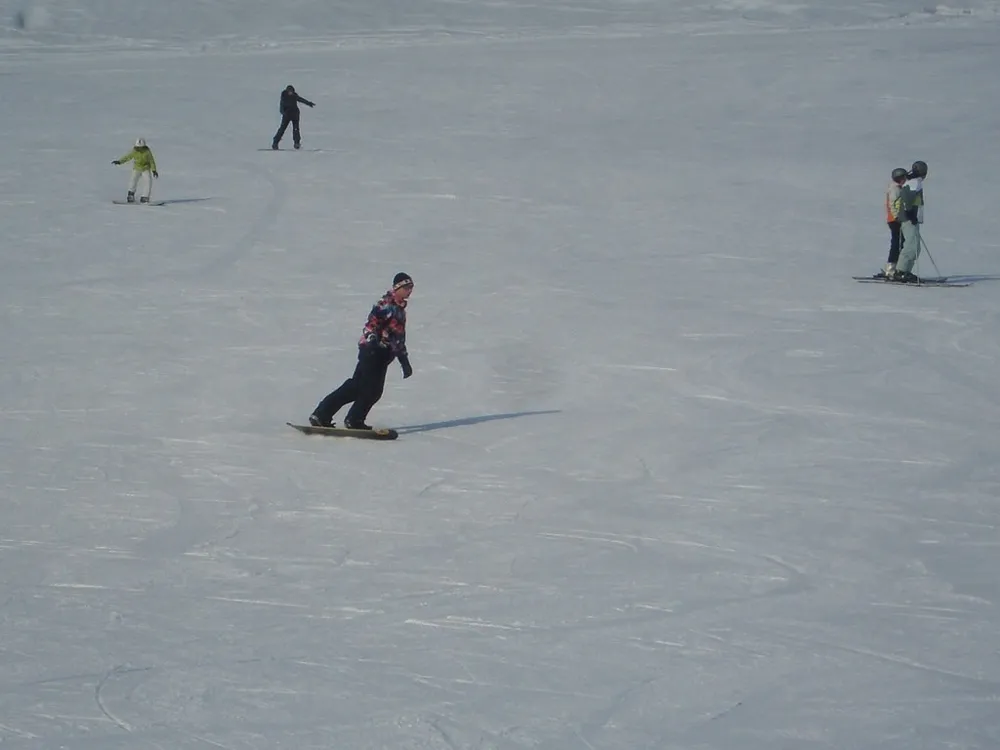
- A separate learning area: look for magic carpets and a dedicated beginner zone, ideally with its own lift and its own learning-area ticket.
- First-timer packages: many resorts combine a lesson, rentals and a learning-area ticket, which is often good value. Beginner-area tickets cover only the learning lifts, which is all you need on day one.
- Green runs beyond the base: by day two or three you'll want longer greens. Check the trail map for green runs from mid-mountain or the summit.
- Altitude: many Colorado bases sit above 9,000 feet. The CDC notes that about 25% of visitors who sleep above 8,000 feet in Colorado develop acute mountain sickness, so take it easy on day one. Eastern and Californian resorts are much lower. See the highest ski resorts.
- Getting there: a short drive or transfer saves energy for skiing. Loveland, Copper and Keystone are within about an hour and a half of Denver without traffic, and Deer Valley is close to Salt Lake City.
- Crowds: learning areas are busiest over holidays and weekends. Midweek and non-holiday weeks give you more room.
- Something for rest days: a town or village, like Breckenridge's, helps when your legs need a break.
For the full order of booking, from dates to lodging, see how to plan a ski trip.
Ski Lessons for Adult Beginners
For a first-timer, a lesson is the best use of the first day. An instructor covers how to put on skis, how to stop and turn, and how to ride the magic carpet and chairlift, and then points you to the right runs.
- Group or private: group lessons are the best value; private lessons suit nervous skiers or anyone who wants faster progress.
- Book early: lessons often sell out over Christmas and New Year's, Martin Luther King Jr. weekend, Presidents' Day week and March spring breaks.
- Take more than one: a second lesson on day two or three helps the basics stick before you head out on your own.
- Arrive early: allow at least an hour on lesson mornings if you still need rentals.
- Skis or snowboard? Both are fine to learn on a first trip. Skiing vs snowboarding compares them, and snowboarders should skip skiers-only Deer Valley.
Before Your First Ski Day
- Learn the basics: read how to ski and how to turn and stop on skis, or how to snowboard if you're riding.
- Rent first: rental gear is fine for a first trip. If you decide to buy, see the best skis for beginners or the best beginner snowboards.
- Dress in layers: a waterproof jacket and pants, a base layer that wicks sweat, warm gloves or mittens and ski socks. See what to wear skiing and the ski trip packing list.
- Wear a helmet and goggles: many resorts rent helmets. See the best ski and snowboard helmets.
- Get your legs ready: a few weeks of ski-focused exercise makes the first days more comfortable.
Related Guides
Compare the best ski resorts in the US, Colorado, Utah and Vermont, see when ski season starts, or plan around kids with the best family ski resorts.
Frequently Asked Questions
What is the best ski resort for beginners in the US?
There's no single winner, but Buttermilk in Aspen Snowmass and Sun Valley's Dollar Mountain stand out because they are whole mountains aimed at learning. Buttermilk lists 35% of its terrain as beginner and none as expert.
What percentage of beginner terrain should a resort have?
There's no official standard. Many big Western resorts list 10% to 15% beginner terrain, while learning-focused mountains such as Buttermilk (35%) and Okemo (33%) list much more. A dedicated learning area and green runs served by their own lift matter as much as the percentage.
Do green runs mean the same thing at every resort?
No. In North America each resort rates its trails only against its other trails, so a green at a steep mountain can feel harder than a green at a gentle one. Europe and Japan use different color systems again.
Should adult beginners take a ski lesson?
Yes, for most people. A lesson covers stopping, turning and riding the lifts, and many resorts sell first-timer packages that combine a lesson, rentals and a lift ticket for the learning area. Book early for holiday weeks.
Is the East Coast good for learning to ski?
Yes. Eastern resorts are smaller and lower, so there's no altitude to deal with, and many are within a few hours' drive of big cities. Okemo lists a third of its terrain as beginner, and Smugglers' Notch runs a night school for beginners.
When is the best time for a first ski trip?
Weeks outside the Christmas holidays, Martin Luther King Jr. weekend, Presidents' Day week and March spring breaks tend to be quieter, which means less crowded learning areas and easier lesson bookings. Midweek is usually calmer than weekends.