When Does Ski Season Start and End? A Region-by-Region Guide (2026)
In the Northern Hemisphere, most ski resorts open between late November and mid-December and close between late March and April. A few high resorts open in October and stay open into June, and in the Southern Hemisphere the season runs from about June to October. Here are the typical windows by region, as of November 2026.
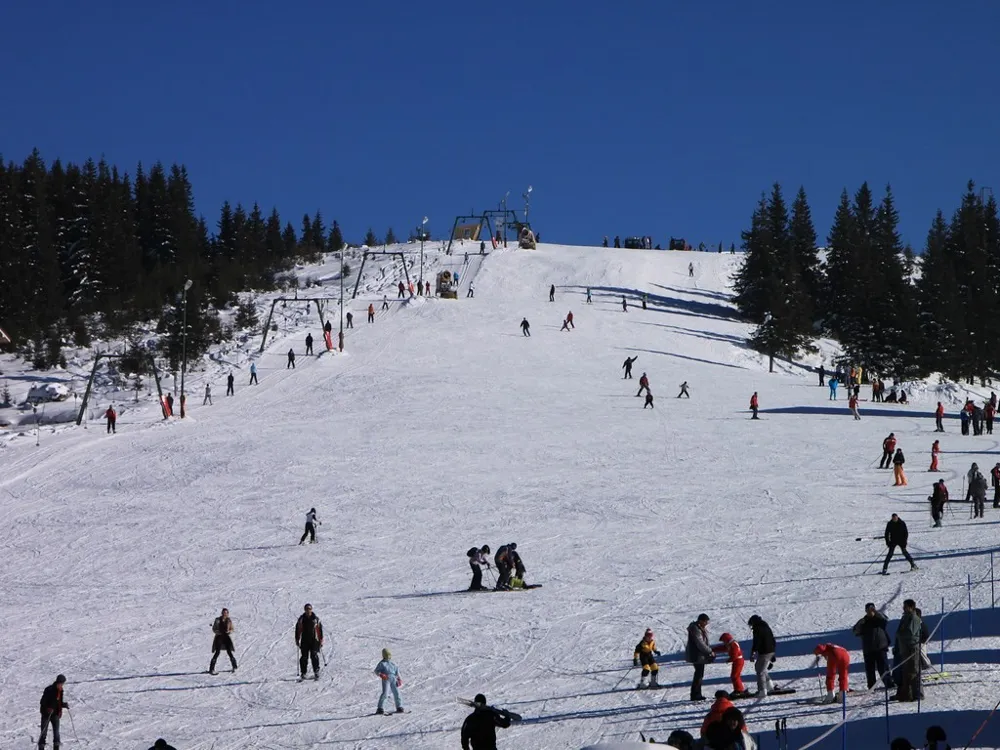
Ski Season at a Glance
Ski season follows winter, so it depends on which hemisphere you're in, how high the resort sits and how much snow it can make. The table shows typical windows, not promised dates. Every resort sets its own opening and closing days, and weather moves them every year.
| Region | Typical Season | Usual Peak Conditions |
|---|---|---|
| Colorado and the Rockies | Late October (a few early openers) to April; some into May or June | January to March |
| Utah | Mid-November to early December, into April or May | January to March |
| California's Sierra Nevada | November to April; Mammoth often into May or June | January to March |
| Pacific Northwest and Western Canada | Late November or December to April; Timberline into summer | January to March |
| Northeast (Vermont, New Hampshire, New York) | Mid-November to April; Killington often into May | Late January to early March |
| Midwest | December to March, depending on cold and snowmaking | January and February |
| The Alps | Early to mid-December to mid-April; glaciers much longer | January to March |
| Japan | Usually December to early April at the main resorts | January and February |
| Scandinavia | Some resorts open in October on stored snow; the far north runs into May or June | February to April |
| Andes (Chile and Argentina) | June to late September or early October | July to September |
| New Zealand and Australia | Early June to early October | Mid-July to early September |
Typical windows compiled from resort announcements and ski media, as of November 2026. Always confirm dates on the resort's own website before you book.
When Does Ski Season Start?
In the Northern Hemisphere, most resorts aim to open somewhere between Thanksgiving week and mid-December. Two things decide which ones open first: elevation (cold air at night lets snow guns run) and snowmaking capacity. That's why a handful of high Colorado resorts usually race to open in October, weeks before most of the West.
2026/27 Openings So Far (as of November 2026)
| Resort | 2026/27 Opening |
|---|---|
| Arapahoe Basin, Colorado | Opened October 28, 2026 |
| Keystone, Colorado | Opened October 30, 2026 |
| Breckenridge, Colorado | Opened November 6, 2026 |
| Vail, Colorado | Opened November 13, 2026 |
| Killington, Vermont | Opened November 17, 2026 |
| Arizona Snowbowl | Opened November 19, 2026 |
| Alta, Utah | Reported moved from November 20 to November 25, 2026 |
| Snowbird, Utah | Planned for November 27, 2026 |
| Deer Valley, Utah | Planned for December 5, 2026 |
| Park City Mountain, Utah | Postponed from November 20; no new date confirmed as of November 23, 2026 |
The 2026/27 start shows how much weather matters. Warm spells in mid-November pushed back opening days at several Vermont resorts, including Stowe, Okemo, Mount Snow and Sugarbush, and Park City Mountain postponed its planned November 20 opening. For more resort-by-resort dates, see our guides to Colorado, Utah, Vermont and Park City.
Opening day rarely means the whole mountain. Early-season terrain is usually a few groomed runs on man-made snow served by one or two lifts, and the rest opens as natural snow builds up.
When Does Ski Season End?
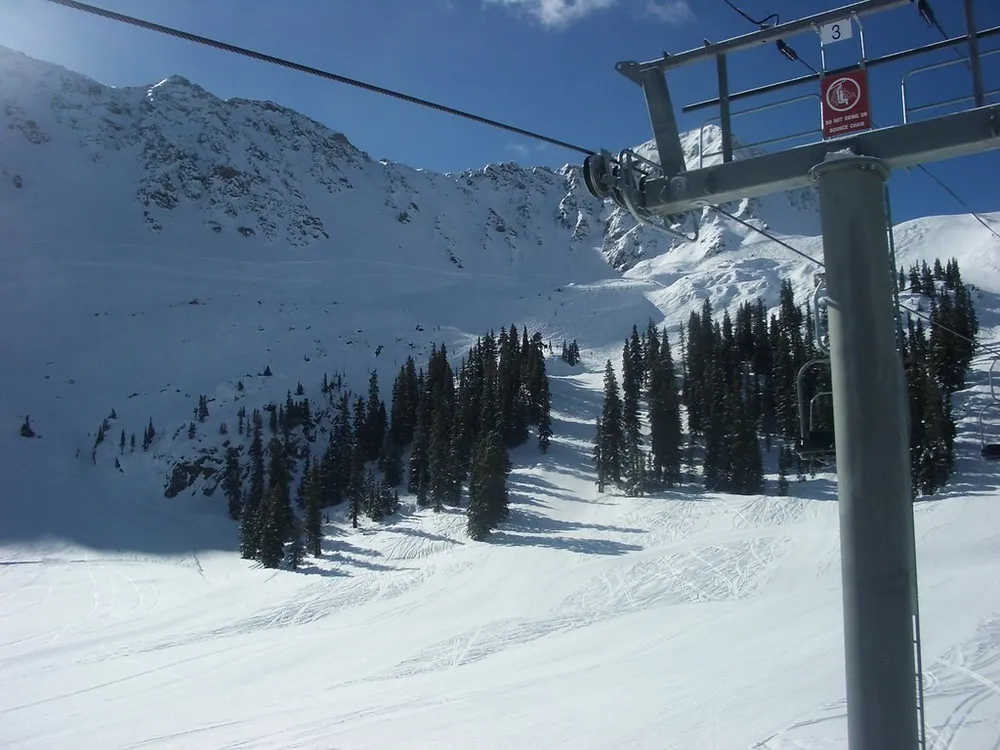
Most Northern Hemisphere resorts close between late March and mid-April, often around Easter. Many still have plenty of snow when they close. Spring-break crowds are gone and skier numbers drop, so staying open no longer pays.
A smaller group regularly skis into May or later:
- Arapahoe Basin, Colorado: its high base lets it often run into June.
- Mammoth Mountain, California: typically early November into May, and into June or later in big snow years. In one record winter it reportedly ran a nine-month season, from November to August.
- Killington, Vermont: usually the first eastern resort to open and often runs into late May.
- Snowbird, Utah: often has one of Utah's longest seasons.
- Timberline, Oregon: switches to summer skiing on the Palmer Snowfield (see below).
Closing dates are usually announced in late winter and can move up after a thin snow year or be pushed back after a big one.
Ski Season in North America by Region
Colorado and the Northern Rockies
Colorado has some of the earliest openings in North America, thanks to high base elevations and big snowmaking systems. Most resorts open in November and run to about mid-April, while A-Basin often lasts into June. January and February bring the coldest, driest snow, and March is often one of the snowiest months. Wyoming, Montana and Idaho resorts usually open from late November to early December and close in early to mid-April. Planning a trip from the Front Range? See our guide to ski resorts near Denver.
Utah
Most Utah resorts open from mid-November to early December and often stay open into April or May. The Cottonwood Canyon resorts (Alta, Snowbird, Brighton and Solitude) get the deepest snow and the longest seasons. Park City's season typically runs from late November into mid-April, depending on snow.
California and the Sierra Nevada
Sierra resorts usually open in November and close in April, but big winters can carry high resorts much further. Mammoth regularly skis into May. Sierra storms can be huge but come in cycles, so snow can be feast or famine early in the season. Our California and Lake Tahoe guides list this season's dates.
Pacific Northwest and Western Canada
Washington and Oregon resorts usually open from late November into December, once the heavy, wet coastal snowpack builds, and most close in April. Timberline on Mount Hood is the exception: it runs lift-served summer skiing on the Palmer Snowfield from June through August, which its own site calls the only lift-accessed summer snow experience of its kind in North America. In British Columbia, Whistler Blackcomb typically stays open until at least late April.
The Northeast
Eastern resorts depend heavily on snowmaking. Killington usually opens first, often in mid-November, and most other resorts in Vermont, New Hampshire and New York aim for late November to mid-December. The most reliable conditions are usually from late January through early March. See our East Coast ski resorts guide for the wider region.
The Midwest and Southeast
Smaller hills in Michigan, Wisconsin, Minnesota and the southern Appalachians usually run from about December to March. They depend on cold nights for snowmaking, so a warm spell can close runs or delay opening day. Check each area's snow report before driving.
The Southwest
Arizona Snowbowl usually opens in mid to late November and can run into May; it opened November 19, 2026. New Mexico resorts mostly open from late November through December, and Red River was set to open November 25, 2026. See our Arizona and New Mexico guides.
Ski Season in Europe and Japan
The Alps
Most resorts in France, Switzerland, Austria and Italy open in early to mid-December and close in mid to late April. Many Alpine villages sit lower than Rocky Mountain bases, so lower resorts can open later and close earlier, while high resorts open sooner. Austria's Sölden, for example, is known for early-season skiing on its glaciers in October. Snow at mid-altitude resorts is usually most reliable in January and February.
Scandinavia
Scandinavia has some of the longest seasons in Europe, because the far north stays cold. Finland's Ruka typically opens in early October, largely on snow stored from the previous winter, with only a few lifts at first. Sweden's Riksgränsen, above the Arctic Circle, is known for spring skiing under the midnight sun into late May, and Norway's ski-touring season runs from about February to early May.
Japan
Japan's main resorts, including Hokkaido's Niseko area, usually open in December and run into early April or later. The famous dry "Japow" is most reliable in January and February, when cold Siberian air brings frequent snowfall. Niseko gets more than 15 meters of snow a season, so March can still be very good.
Scotland and Other Lower Ranges
Scotland's resorts can in theory run from December to April, but their natural snow is unreliable, and some winters see very little. Smaller ranges in Europe and elsewhere follow the same pattern: check the snow report, not just the calendar.
Southern Hemisphere Ski Season
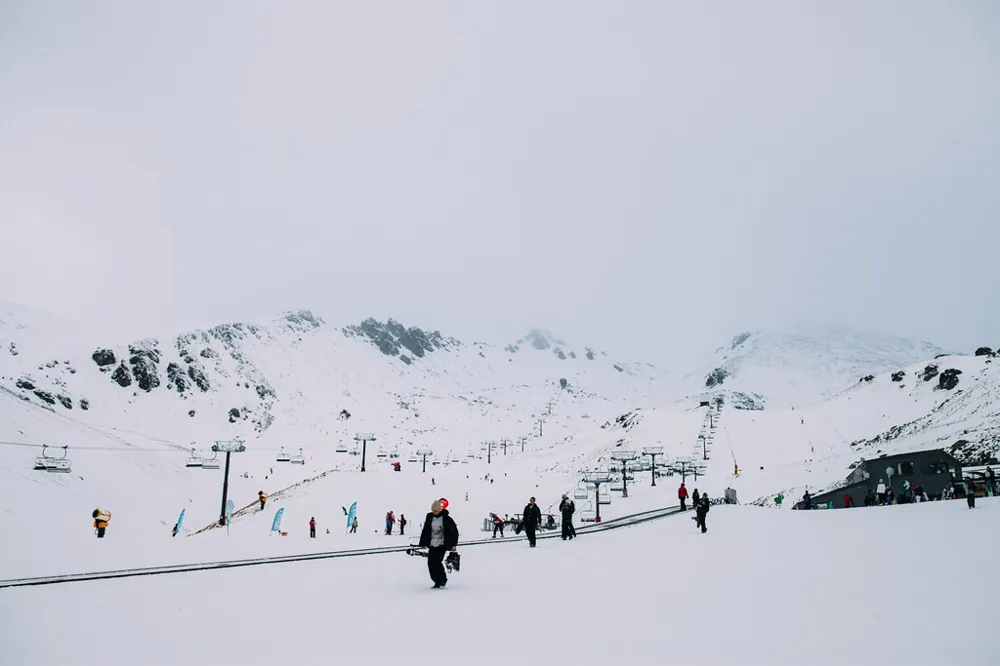
South of the equator, winter runs from June to September, so ski season is the reverse of North America's. Snow usually starts falling in May, and most resorts open in June.
The Andes: Chile and Argentina
Andean resorts typically run from June to late September or early October. Chile's Portillo usually operates from June to early October, and Argentina's Las Leñas from about June into September or October. Storms tend to come in the first half of the season, and August and September often bring bluer skies and fewer people. Some Andes resorts sit very high, so allow time to adjust to the altitude (see our highest ski resorts guide).
New Zealand
New Zealand's season usually runs from mid-June to early October, with Queenstown and Wanaka resorts such as Cardrona typically opening in mid-June. The North Island's Whakapapa and Tūroa on Mount Ruapehu make up the country's largest ski area and are often skiable into October.
Australia
Australian resorts in New South Wales and Victoria usually open on the King's Birthday long weekend in early June; in 2026 Perisher, Thredbo, Falls Creek, Mount Hotham and Mount Buller all planned June 6 openings. Opening weekends often rely on snowmaking, and the best natural snow tends to arrive from mid-July to early September. Most resorts close in late September or early October.
Glacier and Summer Skiing: Where to Ski Year-Round
If you want to ski when your local hill is closed, you have three options: a glacier, the Southern Hemisphere or an indoor ski slope.
| Place | Typical Summer or Off-Season Skiing |
|---|---|
| Zermatt, Switzerland (Theodul Glacier) | Skiing all year; up to 21 km of summer pistes at up to about 3,883 m, which the operator calls Europe's highest summer ski area |
| Hintertux Glacier, Austria | Austria's longest season, which its operator lists as late September to late July |
| Saas-Fee, Switzerland (Allalin Glacier) | Summer and fall skiing, typically from mid-July |
| Tignes, France | Glacier summer area typically open into July, snow permitting |
| Timberline, Oregon | Palmer Snowfield, June through August |
Summer glacier skiing is different from winter skiing. Lifts usually run only in the morning, because the snow turns soft and slushy by midday. Terrain is limited, and much of it is often reserved for race teams and freestyle camps. Some sources describe Hintertux as open 365 days a year, but its own site now lists a late-September to late-July season, so check before you go. Glaciers are shrinking, and summer operations can close early in a warm year.
Holiday Crowds and the Busiest Weeks
The calendar affects your trip almost as much as the snow. In North America, these periods are usually the busiest and most expensive:
- Thanksgiving weekend: often the first big weekend, crowded onto limited early-season terrain.
- Christmas to New Year's: usually the busiest stretch of the season, with peak lodging prices.
- Martin Luther King Jr. weekend in January and Presidents' Day week in February.
- Spring break: most weeks of March are busy as school and college breaks overlap.
In Europe, the Christmas holidays and the February school holidays fill the Alps, and holiday dates differ by country and region. In Australia and New Zealand, the July school holidays are usually the busiest weeks. Midweek days in early December, January (outside the holiday weekend) and April are usually the quietest. Our ski trip planning guide covers how far ahead to book for each period.
Early Season vs Peak Season vs Spring Skiing
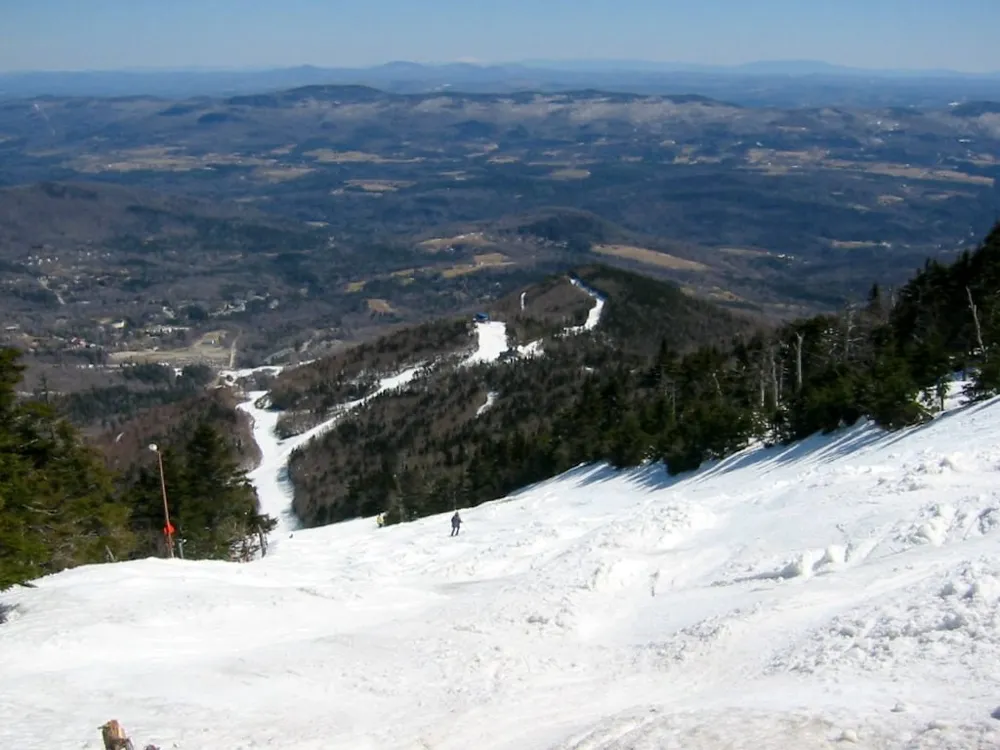
| Phase | Typical Timing (Northern Hemisphere) | Snow and Terrain | Good to Know |
|---|---|---|---|
| Early season | Late October to mid-December | Limited runs, mostly groomed man-made snow; thin cover off-piste | Cheaper lodging and quieter weekdays; watch for rocks and stumps |
| Peak season | Late December to early March | Most terrain open, coldest temperatures, best chance of powder | Holiday weeks are crowded and pricey; dress for real cold |
| Spring skiing | March to closing | Firm mornings, soft "corn" snow by late morning, slush late in the day | Longer, sunnier days and often lower prices after spring break |
Early season suits skiers who want to shake off rust on groomers. Peak season gives you the most terrain and the best odds of fresh snow. Spring skiing is relaxed and sunny: start late enough for the snow to soften, and stop before it turns heavy. Bring sunscreen and goggles with a low-light lens for flat afternoon light (see what to wear skiing for layering through the season).
Best Month to Ski, by Goal
| If You Want... | Go In | Why |
|---|---|---|
| The best odds of powder | January to February (Japan, Rockies, Utah); March in Colorado | Coldest temperatures and frequent storms |
| The most open terrain | February to early March | The base is deepest and most lifts are running |
| Smaller crowds | Early to mid-January (after the holidays) or April, midweek | Between the big holiday weeks and spring break |
| Lower prices | Early December or April | Many resorts offer early-season or spring deals |
| Learning to ski | Late January to March | Full beginner terrain, warmer days than midwinter, softer snow |
| Spring sunshine and après | March to April | Long days, soft snow and outdoor events |
| Summer skiing | June to August | Glaciers, Timberline or the Southern Hemisphere |
New to the sport? Pair a midweek January to March trip with our how to ski guide and a lesson booked in advance.
What Decides Opening and Closing Dates
- Elevation: higher bases stay colder, so they can make and keep snow longer.
- Snowmaking: snow guns need cold, dry air, so a warm November can delay openings even at resorts with big systems.
- Latitude and climate: northern Scandinavia and Hokkaido stay cold longer, while lower resorts in the Alps, Scotland and the eastern US are more variable.
- Natural snowfall: resorts without snowmaking, such as some small Southwest areas, open only after enough natural snow.
- Business decisions: resorts often close in April with snow still on the ground because visitor numbers drop after spring break.
How to Check Opening Dates and Conditions
Opening and closing dates change every season, so treat any date as a target until the resort confirms it. Check the resort's own website or app for confirmed dates and lift status; projected dates on snow-report sites are estimates. Look at how many lifts and runs are open, not just whether the resort is "open". If you buy a multi-resort pass, check its blackout dates and reservation rules for the season. For the year's best-known resorts, compare the best US ski resorts and the largest ski resorts.
Related Guides
- How to plan a ski trip
- Best ski resorts in the US
- Highest ski resorts
- Indoor ski slopes
- Ski trip packing list
- Skiing guides
Frequently Asked Questions
When does ski season start?
In the Northern Hemisphere, most resorts open from late November to mid-December. High resorts with strong snowmaking, such as Arapahoe Basin and Keystone in Colorado, can open in October. Southern Hemisphere resorts usually open in June.
When does ski season end?
Most Northern Hemisphere resorts close from late March to mid-April. High or snowy resorts such as Arapahoe Basin, Mammoth and Killington often run into May, and some reach June in big snow years.
What is the best month to go skiing?
For the most reliable snow and the most open terrain, January and February are usually the safest bets in the Northern Hemisphere. March brings longer, warmer days and often heavy snow in the Rockies, and Southern Hemisphere conditions are usually best from mid-July to early September.
Is November too early to ski?
You can ski in November at early-opening resorts, but terrain is usually limited to a few runs on man-made snow. If you want most of a mountain open, plan for mid-December or later.
Can you ski in the summer?
Yes. Some glaciers in the Alps, such as Zermatt's Theodul Glacier, and Timberline on Oregon's Mount Hood offer lift-served summer skiing, usually in the morning only. You can also ski in the Southern Hemisphere from June to October or at indoor slopes year-round.
When is ski season in Australia and New Zealand?
Roughly early June to early October. Australian resorts usually open on the King's Birthday long weekend in early June (June 6 to 8 in 2026), and the best natural snow tends to come from mid-July to early September.
Is April a good time to ski?
April can be excellent for sunny spring skiing, soft snow and smaller crowds, but many resorts close in early to mid-April. Choose a high or snowy resort that publishes a late closing date.