Montana's Best Ski Resorts, From Big Sky to Small Hills (2026)
Montana pairs one of the biggest resorts in North America with a string of uncrowded, locally run ski hills. Here's how they compare for the 2026/27 season.
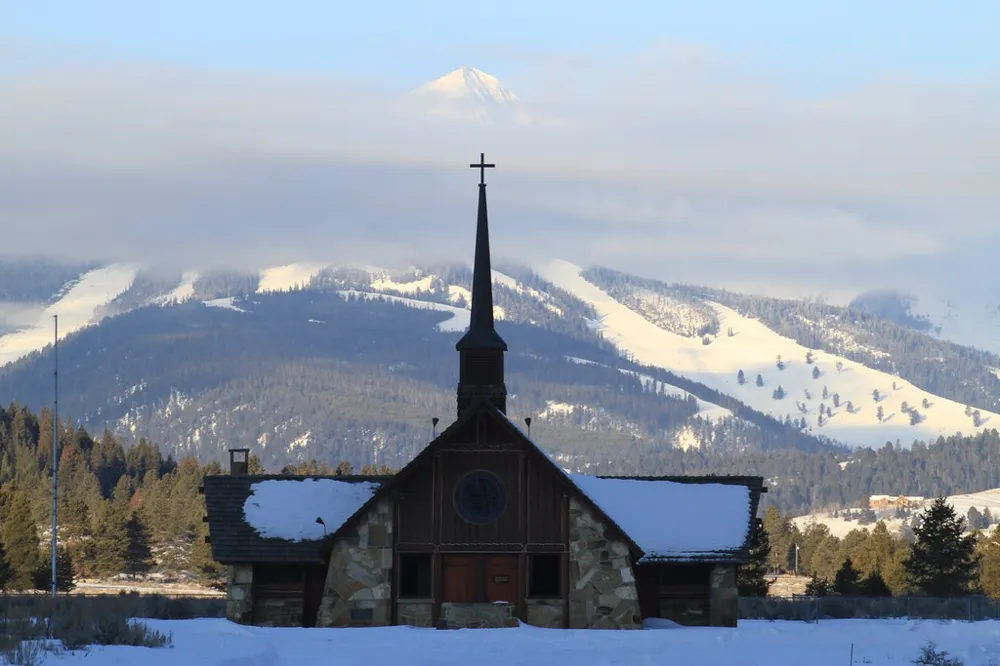
Montana Ski Resorts at a Glance
Montana has more than a dozen public ski areas plus the private, members-only Yellowstone Club. Most are in the mountainous western part of the state, from Whitefish near Glacier National Park to Red Lodge near Yellowstone. Big Sky is the one destination resort on a national scale; almost everything else is a local or regional hill, many of them small, family-run or community-owned, with short lift lines and a laid-back feel.
| Resort | Acres | Vertical | Avg Snow | Trails | 2026/27 Pass | Nearest Town |
|---|---|---|---|---|---|---|
| Big Sky | 5,850 | 4,350 ft | 400" | 320 named runs | Ikon, Mountain Collective | Big Sky (Bozeman about 50 mi) |
| Whitefish | About 3,000 | 2,353 ft | Nearly 300" | 110 | — | Whitefish |
| Discovery | About 2,000–2,200 | About 1,680 ft | About 215" (reported) | 67 | — | Philipsburg |
| Bridger Bowl | About 2,000 | 2,600 ft | About 350" (reported) | 75 | — | Bozeman (16 mi) |
| Red Lodge Mountain | 1,635 | 2,400 ft | 250" | 70 | Indy | Red Lodge |
| Great Divide | 1,600+ | — | About 180" (reported) | — | — | — |
| Lost Trail Powder Mountain | About 1,000 | 1,801 ft | — | — | Indy | Sula |
| Blacktail Mountain | About 1,000 | — | — | — | Indy | — |
| Montana Snowbowl | About 950 (lift-served) | About 2,200–2,600 ft | About 300" (reported) | 39 | Indy | Missoula (12 mi) |
| Maverick Mountain | 255 | 2,020 ft | — | 24 | — | — |
Big Sky, Whitefish and Red Lodge figures come from the resorts' own stat pages; the others come from Wikipedia and OnTheSnow, which don't always agree, so we give ranges and round where they differ. A dash means we couldn't confirm the figure or the pass. Pass access is for 2026/27 as of November 2026; check day limits, reservations and blackout dates with the pass.
Big Sky and the Bozeman Area
Big Sky Resort
Big Sky is Montana's headline resort and one of the largest in North America: 5,850 skiable acres, 4,350 feet of vertical from the 11,166-foot summit of Lone Peak, about 400 inches of snow a year and 320 named runs. It's the second-largest ski resort in the US by area, after Park City (see the largest ski resorts). Big Sky topped Condé Nast Traveler's 2026 US readers' list and SKI Magazine's 2026 Western reader survey.
The terrain really is split down the middle. Big Sky lists 21% beginner, 15% intermediate and 14% advanced-intermediate, then 31% advanced, 11% expert and 8% extreme. Its 40 lifts, including two gondolas and a tram, can move about 42,000 skiers an hour, which helps explain why lift lines are famously short for a resort this size. Recent upgrades include the Lone Peak Tram (2023), whose 75-person cabins climb 2,142 feet to the summit in about four minutes; the Madison 8 chair (2024); and the 10-person Explorer Gondola (winter 2025). The longest run is about 6 miles, and the resort has six terrain parks.
Big Sky opened in December 1973 and has been owned by Boyne Resorts since 1976. It absorbed the neighboring Moonlight Basin in 2013, which is how it grew to its current size. It has two base areas, Mountain Village (7,500 feet) and Madison (7,400 feet), and is about 50 miles from Bozeman.
Bridger Bowl
About 16 miles northeast of Bozeman in the Bridger Range, Bridger Bowl is a locally owned nonprofit ski area with about 2,000 acres, 75 trails and 2,600 feet of vertical on east-facing slopes. It's best known for steep, expert terrain. Its Ridge terrain requires an avalanche beacon and shovel, and the Schlasman's lift, added for the 2008–09 season, serves about 311 acres of expert-only terrain where a transceiver is required. Montana State University has hosted the NCAA Skiing Championships at Bridger eight times. A Bozeman tradition: since 1988, a flashing blue light on top of the Baxter Hotel downtown signals 2 inches of new snow on the hill.
Yellowstone Club
Next to Big Sky, the Yellowstone Club is a private, members-only ski community with about 2,900 acres of terrain and more than 100 runs. It doesn't sell lift tickets to the public.
Northwest Montana: Whitefish and the Flathead
Whitefish Mountain Resort
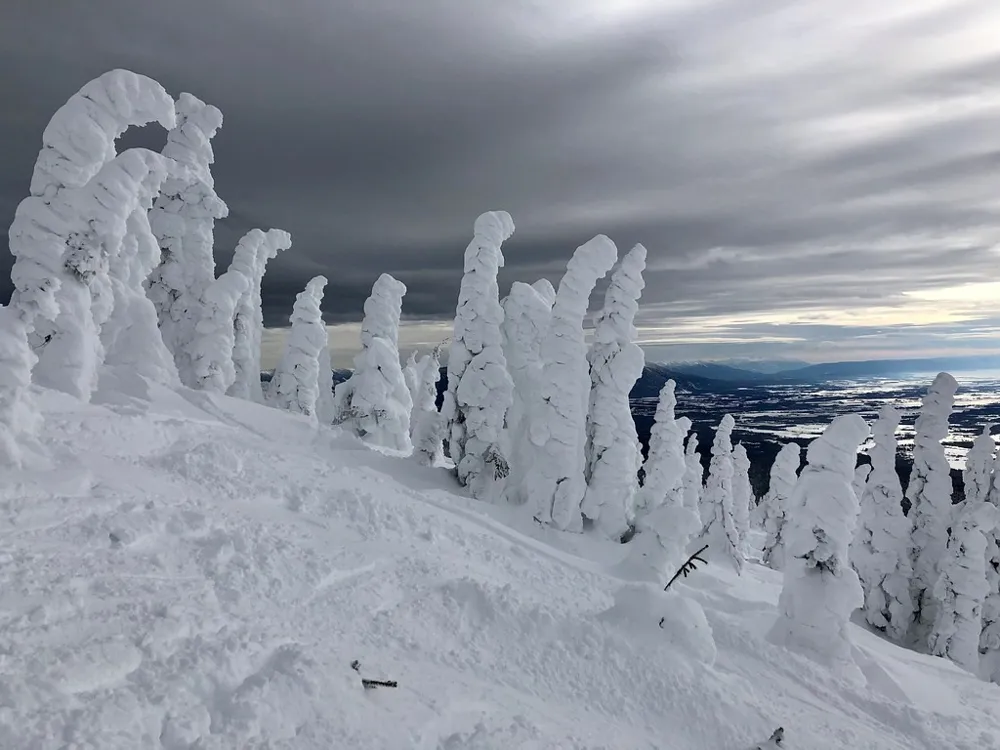
Whitefish skis about 3,000 acres on Big Mountain, with 110 named trails, 2,353 feet of vertical from the 6,817-foot summit, 14 lifts and four terrain parks. It averages nearly 300 inches of snow, and its signature sight is the "snow ghosts," trees plastered so thickly with rime and snow that they look like frozen figures. The longest run, Hell Fire, is an intermediate trail of about 2.5 miles through Hellroaring Basin. The resort opened as Big Mountain on December 14, 1947, and took the name Whitefish Mountain Resort in 2007. Night skiing on the lower lifts runs on weekend nights in season; check the schedule.
The draw is as much the setting as the skiing. The resort sits on the edge of the Flathead National Forest west of Glacier National Park, above the town of Whitefish, a friendly ski town with a walkable downtown. A free shuttle runs between the town and the mountain, and the town has an Amtrak stop (see Getting There).
Blacktail Mountain
Opened in 1998, Blacktail has about 1,000 acres on National Forest land and four lifts, with most of its terrain rated intermediate or expert. It's a smaller, quieter alternative in the Flathead area and is on the Indy Pass.
Western Montana: Missoula to the Idaho Line
Montana Snowbowl
Just 12 miles northwest of Missoula, Snowbowl has about 950 lift-served acres, 39 trails and one of the bigger verticals in the state; Wikipedia lists 2,600 feet, while other sources give about 2,200. The Grizzly chair alone climbs about 2,000 feet from the base. The longest run is about 3 miles. Snowbowl opened in December 1962, and its lifts are mostly old double chairs, part of its no-frills charm. It hosts an annual Gelande ski-jumping championship each February and is on the Indy Pass. A shuttle runs from downtown Missoula.
Discovery Ski Area
Discovery sits near Georgetown Lake off Montana Highway 1, with Philipsburg the nearest town. Its four faces on Rumsey and Jubilee mountains cover about 2,000 to 2,200 acres and 67 trails, running from gentle groomed beginner runs on the front to expert bowl skiing on the back. It's often recommended for families and beginners.
Lost Trail Powder Mountain
Near Sula, Lost Trail has about 1,000 acres and 1,801 feet of vertical, with about 60% intermediate terrain. Its Ridgeline Yurts, about half a mile out of bounds and reached from Chair 4, offer rustic overnight stays. Hot springs are about 15 minutes away. Lost Trail is on the Indy Pass.
Lookout Pass
Just off I-90, Lookout Pass is within about 1.5 hours of Missoula, Coeur d'Alene and Spokane, and you can ski in two states and two time zones. It's home to what's billed as the longest-running free ski school in the US, with no-cost lessons and lift tickets for kids aged 6 to 17 on select Saturdays. We'll cover it in more detail in our Idaho ski resorts guide.
South-Central Montana: Red Lodge Mountain
Red Lodge Mountain, about 70 miles south of the Billings airport and about 7 miles from the old-school Western town of Red Lodge, has 1,635 skiable acres, 70 runs and 2,400 feet of vertical from the 9,416-foot summit of Grizzly Peak. It averages about 250 inches of snow. The marked runs are 19% beginner, 25% intermediate, 36% advanced and 20% expert, served by six chairlifts and two surface lifts, and the longest run, Lazy M, is about 1.5 miles. Snowmaking covers about 28% of trails, and the resort says its system has the second-largest capacity in Montana. The season usually starts around Thanksgiving. Red Lodge town has good restaurants, a brewpub and cross-country skiing nearby. Red Lodge Mountain is on the Indy Pass.
Other Montana Ski Areas
- Great Divide: more than 1,600 acres and about 180 inches of snow a year, reported.
- Maverick Mountain: about 255 acres, 24 trails and 2,020 feet of vertical, with one chairlift and a rope tow.
- Teton Pass: about 400 acres of skiable terrain.
- Showdown, Turner Mountain and Bear Paw Ski Bowl: smaller ski areas. Small hills may not run every day, so check their own sites for current days of operation.
For guided powder beyond the lifts, Montana also has cat skiing operations.
Best Montana Resorts for...
| You Want... | Try |
|---|---|
| The most terrain and vertical | Big Sky |
| Extreme and expert terrain | Big Sky (Lone Peak), Bridger Bowl (the Ridge, Schlasman's) |
| A real ski town | Whitefish, Red Lodge, Bozeman for Bridger Bowl |
| Families and beginners | Discovery (front side), Red Lodge, Whitefish, Big Sky's beginner areas |
| Terrain parks | Big Sky (six parks), Whitefish (four) |
| Arriving by train | Whitefish |
| A day trip from a college town | Bridger Bowl (Bozeman), Montana Snowbowl (Missoula) |
| Small crowds and a local feel | Discovery, Lost Trail, Maverick, Blacktail |
| Free lessons for kids | Lookout Pass (select Saturdays) |
Montana Ski Passes for 2026/27
- Ikon Pass: Big Sky. Check your pass type for the number of days and any blackout dates.
- Mountain Collective: Big Sky.
- Indy Pass: Red Lodge Mountain, Montana Snowbowl, Blacktail Mountain and Lost Trail Powder Mountain, as of November 2026. Indy adds resorts every year, so check its site for the full Montana list and blackout dates.
- Everything else: for Whitefish, Bridger Bowl, Discovery and the other areas, check each resort's own site for season passes, lift tickets and any partner-resort deals. If you'll ski one Montana mountain a lot, its own pass is often the simplest choice.
For how the big multi-resort passes compare, see Epic vs Ikon.
When to Go
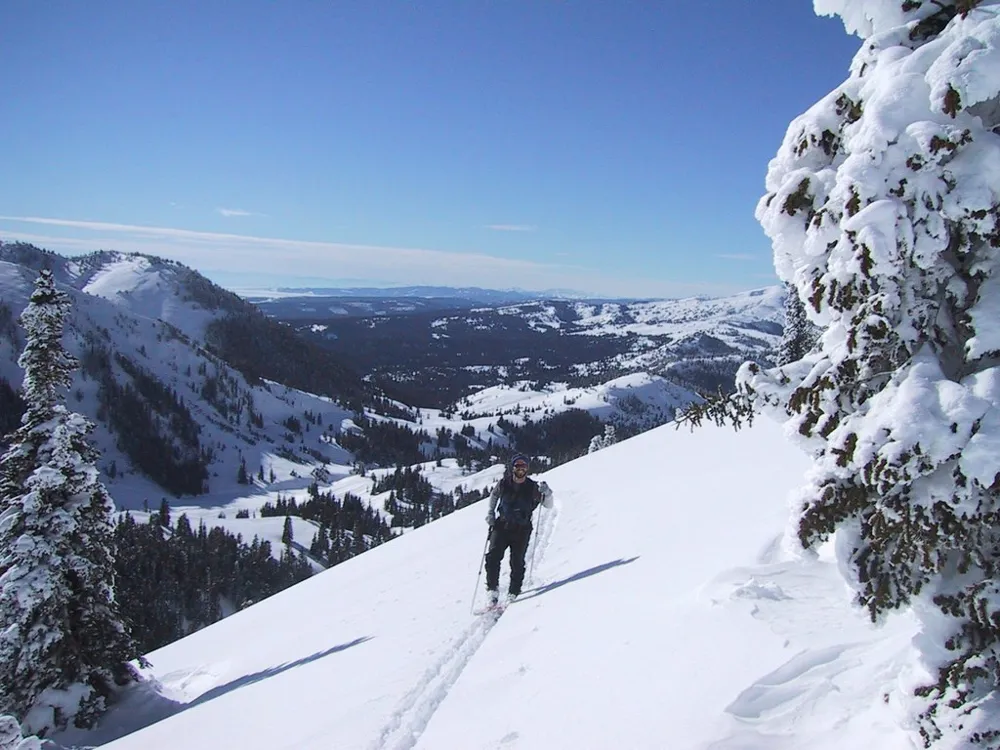
Most Montana resorts open from late November to early December and close in early to mid-April. For 2026/27, Big Sky was scheduled to open November 25, 2026, and Red Lodge usually opens around Thanksgiving thanks to its snowmaking. Openings depend on snow, so check each resort before you travel; our guide to when ski season is covers dates across the US.
- December: early-season cover can be thin at the smaller areas that rely on natural snow, and the holiday weeks are the busiest of the season, even in Montana.
- January and February: the coldest months and usually the best snow quality. Expect some very cold days, especially at the higher resorts.
- March: deeper bases, longer days and milder temperatures, often the sweet spot for a trip to Big Sky or Whitefish. Spring break weeks are busier.
- April: most resorts close by mid-April, so check closing dates before booking late-season trips.
Getting There
- Big Sky: fly into Bozeman Yellowstone International (BZN), about 50 miles north of Big Sky, which has direct winter flights from cities across the US. Shuttle buses connect Big Sky's main lodging areas and run to Bozeman.
- Bridger Bowl: also BZN, then a 16-mile drive from Bozeman. Free shuttle buses run from Montana State University in town.
- Whitefish: Glacier Park International Airport (FCA), near Kalispell, is about 20 to 26 miles away depending on the source. Amtrak's daily Empire Builder stops in Whitefish, and the overnight train from Seattle or Portland arrives in time for a full day of skiing. If you stay on the mountain, the free S.N.O.W. bus runs to downtown Whitefish.
- Montana Snowbowl and Discovery: Missoula's airport has direct flights to more than a dozen destinations, and a daily shuttle runs from downtown Missoula to Snowbowl. Discovery is a longer drive, off Montana Highway 1 near Philipsburg.
- Red Lodge Mountain: fly into Billings, about 70 miles north.
Montana's distances are big and winter roads can be snowy or icy, so allow extra time, carry winter supplies and check road conditions before you drive. A car rack or padded ski bag makes rental cars and flights easier.
Where to Stay
- Big Sky: lodging and dining in the resort's base areas, plus condos and rentals around Big Sky. Bozeman is an option on a budget, but it's about 50 miles each way.
- Bozeman: the base for Bridger Bowl, a college town with plenty of restaurants and breweries, and a jumping-off point for Big Sky.
- Whitefish: stay on the mountain to ski in and out, or in town for dining and nightlife with the free bus up the hill. Kalispell and Columbia Falls are nearby too.
- Missoula: a lively university city 12 miles from Snowbowl and a base for Discovery and Lost Trail day trips.
- Red Lodge: a historic Western town a short drive from the mountain, with lodges, inns and restaurants.
- Philipsburg and Georgetown Lake: small-town lodging closest to Discovery.
Weather and What to Wear
Montana winters can be very cold, especially in January, and wind on exposed ridges like Lone Peak and the Bridger Ridge makes it feel colder. Stormy days bring flat light, which can make it hard to read the snow. Dress in layers with a warm midlayer and a windproof shell, cover your face on lifts, and pack warm mittens and ski socks. Goggles with a low-light lens help on gray days; see ski and snowboard goggles and what to wear skiing. If you plan to ski Bridger's Ridge or go beyond the boundary, carry avalanche gear and know how to use it; see backcountry skiing for beginners.
Related Guides
Compare Wyoming, Idaho, Utah and Colorado resorts, see the best US ski resorts, family ski resorts and the highest ski resorts, plan with how to plan a ski trip and our ski trip packing list, and gear up with skis and ski jackets.
Frequently Asked Questions
What is the best ski resort in Montana?
Big Sky is the biggest and best known, and it topped both Condé Nast Traveler's 2026 US readers' list and SKI Magazine's 2026 Western reader survey. Whitefish is the pick for a ski town near Glacier National Park, Bridger Bowl for steep, affordable local skiing near Bozeman, and Red Lodge for a small-town feel near Yellowstone.
What is the biggest ski resort in Montana?
Big Sky, with 5,850 skiable acres and 4,350 feet of vertical. It's the second-largest ski resort in the US by area, behind Park City in Utah.
Is Big Sky on the Ikon Pass?
Yes. For 2026/27 Big Sky is on the Ikon Pass and the Mountain Collective. Check the pass pages for the number of days and any blackout dates on your pass type.
Which Montana ski areas are on the Indy Pass?
For 2026/27, Indy Pass resorts in Montana include Red Lodge Mountain, Montana Snowbowl, Blacktail Mountain and Lost Trail Powder Mountain. The list can change, so check the Indy Pass site before you plan around it.
Where do you fly into for Montana skiing?
Bozeman Yellowstone International (BZN) for Big Sky and Bridger Bowl, Glacier Park International near Kalispell for Whitefish, Missoula for Snowbowl and Discovery, and Billings for Red Lodge Mountain.
When does ski season start in Montana?
Most Montana resorts open from late November to early December and close in early to mid-April. Big Sky was scheduled to open November 25, 2026, and Red Lodge usually opens around Thanksgiving.
Can you take the train to a Montana ski resort?
Yes. Amtrak's Empire Builder stops in Whitefish, and the overnight train from Seattle or Portland arrives in time for a day of skiing. A free bus links downtown Whitefish with the resort.
Do you need avalanche gear at Bridger Bowl?
For the expert Ridge terrain, yes: Bridger Bowl requires an avalanche beacon and shovel, and a transceiver is required for the terrain served by the Schlasman's lift. Check the resort's current rules before you go.