Are Hoverboards Safe Now? What Changed Since 2016 (2026)
Hoverboards earned a reputation for catching fire, and falls still send kids to the ER. Here's what went wrong, what UL 2272 changed, where federal rules stand and how to charge, ride and buy more safely.
The Short Answer
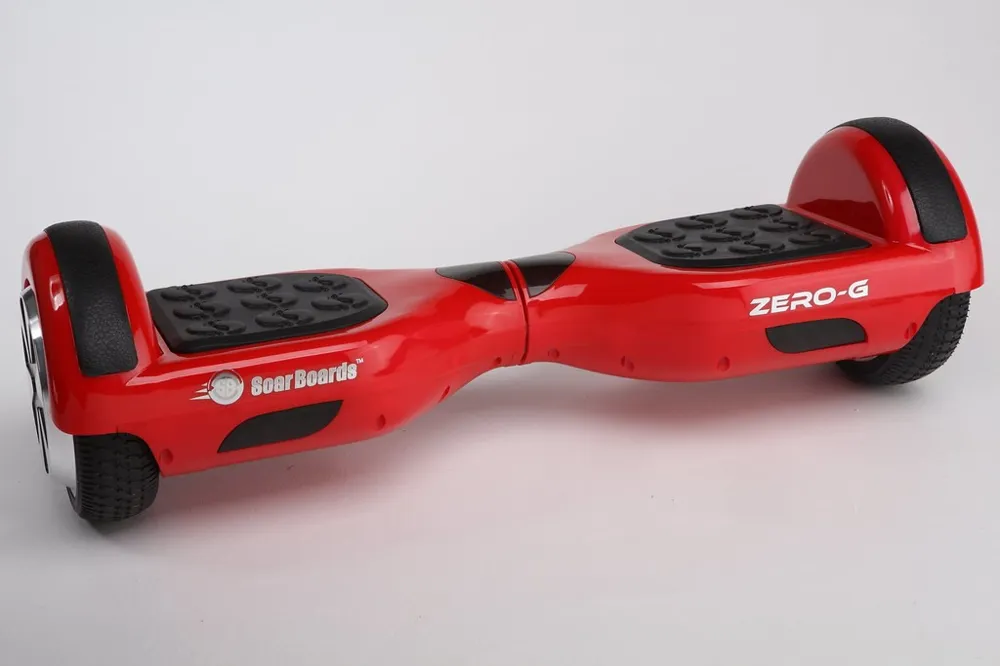
Hoverboards are much safer than they were in 2015, when cheap, uncertified boards caught fire in homes across the US. Today the two main risks are battery fires, which are now rare on certified boards that are charged correctly, and falls, which cause most injuries. A board certified to UL 2272, the right charger, a helmet and wrist guards, and a rider who matches the board's age and weight rating take care of most of the risk.
The risk isn't zero. The U.S. Consumer Product Safety Commission (CPSC) says that even UL 2272 compliance cannot guarantee a hoverboard won't overheat or catch fire, and it has proposed tougher federal battery rules that, as of November 2026, are not yet final.
| Risk | How Common | What Cuts It Most |
|---|---|---|
| Falls and fractures | The most common cause of injury | Helmet, wrist guards, learning mode, smooth ground |
| Battery fire or overheating | Rare on certified boards, but serious | UL 2272 board, original charger, never charging unattended |
| Traffic collisions | Depends on where you ride | Staying off roads and busy sidewalks |
| Recalled or counterfeit boards | Still in circulation secondhand | Checking CPSC.gov and buying from reputable sellers |
Why Hoverboards Caught Fire
Hoverboards run on large lithium-ion battery packs, usually 36 volts (see how hoverboards work). When self-balancing boards boomed in 2015, many were built with low-quality cells, chargers and wiring, and there was no safety standard for the board as a whole. Packs could overheat, smoke, catch fire or explode, during charging, while riding and even while sitting unused.
The CPSC began warning the public about hoverboard dangers in September 2015. Its own letter to the industry later counted 283 fire or overheating incidents in 44 states between December 1, 2015 and February 2, 2018, with 15 burn injuries, seven smoke inhalation injuries and more than $9 million in property damage, including six homes destroyed. The CPSC said those incidents overwhelmingly involved boards that did not meet UL 2272.
Key Dates in Hoverboard Safety
| Date | What Happened |
|---|---|
| September 2015 | The CPSC starts warning the public about hoverboard fires and falls |
| January 29, 2016 | The CPSC says boards bought before this date are not UL 2272 compliant |
| February 18, 2016 | The CPSC sends a letter to hoverboard manufacturers, importers and retailers about safety requirements |
| July 6, 2016 | The CPSC announces a recall of about 501,000 boards from 10 firms after at least 99 battery incidents |
| November 21, 2016 | The revised UL 2272 standard is dated |
| March 2017 | A fire officials blamed on a charging, non-UL 2272 hoverboard kills two children in Harrisburg, Pennsylvania |
| February 22, 2018 | A new CPSC letter tells the industry boards should comply with UL 2272 and that noncompliant boards may be detained, seized or recalled |
| 2021 | Razor recalls GLW battery packs sold with about 237,300 Hovertrax 2.0 boards and offers free replacement packs |
| March 30, 2023 | About 53,000 42-volt Jetson Rogue boards are recalled for a battery fire risk |
| June 24, 2026 | The CPSC proposes a mandatory lithium-ion battery standard for micromobility products, including hoverboards |
Recalls haven't stopped entirely. The 2023 Jetson Rogue recall followed an April 2022 house fire in Hellertown, Pennsylvania, in which two sisters died; the local fire marshal identified a Rogue board as the fire's point of origin, though the CPSC notes the cause remains undetermined. The recalled boards carried a UL certification label, which is why the CPSC stresses that certification lowers the risk rather than removing it.
Hoverboard Injuries: What the Data Shows
Fires get the headlines, but falls cause most hoverboard injuries. A study published in Pediatrics in 2018 estimated that 26,854 children and teens under 18 were treated in US emergency departments for hoverboard injuries in 2015 and 2016, the boards' first two years on sale. CBS News reported these findings from the study:
- Fractures made up about 40% of injuries, followed by bruises and strains or sprains.
- The wrist was the most commonly injured body part, followed by the forearm and the head.
- Most injuries happened at home, and falls were by far the most common cause.
- Only three burns were recorded, and none came from a battery malfunction.
- About 3% of patients were admitted to the hospital.
For comparison, the same study counted 121,398 skateboard injuries in children over the same two years, so hoverboards are far from the only wheeled toy that sends kids to the ER. See is skateboarding dangerous for that side of the picture. Newer national injury estimates specific to hoverboards were not available from the sources checked for this page.
The pattern points to the fixes: wrist guards and a helmet, a slow learning mode, and riding away from hazards like kitchens, stairs and traffic.
What UL 2272 Certification Means
UL 2272 is the safety standard for the electrical systems of personal e-mobility devices, including hoverboards. It tests the battery, charger and electrical drive train together as a system to reduce fire and electrical shock risks. It does not rate how well a board rides, how fast it goes or how well it protects you in a fall.
What the CPSC says to know about it:
- Look for the mark on the box and the board. Compliant boards should carry a certification mark for self-balancing scooters or personal e-mobility on both the packaging and the product.
- Any accredited lab counts. UL isn't the only option; any third-party certification body accredited for UL 2272 is acceptable.
- It covers the whole board, not parts. A seller claiming a "UL-compliant battery" or charger doesn't mean the hoverboard itself is certified. This matters for replacement batteries, which should carry their own UL 2271 certification.
- It isn't a guarantee. The CPSC says even UL 2272 compliance cannot guarantee a board won't overheat or catch fire.
Where Federal Battery Rules Stand (November 2026)
UL 2272 has been a voluntary standard backed by CPSC enforcement letters. That may change. On June 24, 2026, the CPSC published a proposed rule that would make lithium-ion battery safety standards mandatory for micromobility products. Self-balancing scooters, including hoverboards, are explicitly in scope, along with e-bikes, e-scooters, electric skateboards and electric unicycles.
- Standard: hoverboards would have to meet UL 2272 (the 2024 edition) with added requirements; replaceable battery packs would reference UL 2271.
- New tests: the proposal adds a reverse polarity test, tamper-resistant battery enclosures for packs, a check that the battery management system blocks charging when cells are too hot, and stronger warning labels about thermal runaway, homemade batteries and unsafe charging.
- Third-party testing: required, since some micromobility products are children's products.
- Why: the CPSC cited 227 incidents from 2019 to 2023 across micromobility products, involving 39 deaths and 181 injuries; fires accounted for all 39 deaths.
Status: written comments closed on August 24, 2026, and the Commission held a hearing for oral comments on October 21, 2026. As of November 2026 the rule had not been finalized, and any final rule would set its own effective date. Check CPSC.gov for the current status.
How to Charge and Store a Hoverboard Safely
Charging is a high-risk moment: of the 227 micromobility battery incidents behind the CPSC's proposed rule, 120 happened during charging. These habits, drawn from CPSC guidance, cover most of the fire risk. Our hoverboard charging guide has charge times, charger lights and replacement charger specs.
- Use only the charger that came with the board, or the maker's exact replacement. Avoid universal chargers.
- Let the board cool after a ride before charging; the CPSC has advised waiting about an hour.
- Charge where you can watch it. Never charge unattended, overnight or while you're out.
- Charge on a hard surface in an open, dry area, away from beds, couches and anything flammable, and away from exits.
- Unplug once it's full.
- Keep working smoke alarms where you charge and a fire extinguisher on every level of the home.
- Store it indoors, cool and dry, away from heat and anything that burns.
Warning Signs to Stop Using a Board
Stop riding and charging if the board or battery gets unusually hot, smells burnt, swells, leaks, sparks, smokes or won't hold a charge. If it smokes or catches fire, get everyone out and call 911. Report overheating, smoke or fire to the CPSC at SaferProducts.gov. For faults that aren't fire warnings, such as beeping or one side not working, see hoverboard troubleshooting.
Safety Gear and Where to Ride
The CPSC recommends a helmet, elbow pads, knee pads and wrist guards for hoverboard riders. Since wrist fractures top the injury list, wrist guards earn their place alongside the helmet. A certified bike or skate helmet works; see certified skate helmets, wrist guards and knee pads.
- Ride on smooth, flat, dry ground. Cracks, gravel, curbs and wet pavement are common causes of falls. Bigger-wheeled off-road boards handle rough ground better.
- Stay away from traffic and crowded sidewalks, and keep young riders off streets entirely.
- Not in the kitchen. Riding indoors near stairs, furniture and hot stoves is how some home injuries happen.
- Start in learning mode. Most boards are listed at about 6 to 10 mph; beginners should stay in the slowest mode until they can start, turn and stop smoothly. See how fast hoverboards go.
- Put the phone and earbuds away. Distraction raises the chance of a fall.
- Learn to mount and dismount one foot at a time. Our how to ride a hoverboard guide walks through the first rides.
Rules on where you can ride hoverboards vary by state and city; some places restrict them on roads or sidewalks or set minimum ages and helmet rules. Check local rules before riding in public (last checked November 2026). This is general safety information, not legal advice.
Are Hoverboards Safe for Kids?
There's no single safe age. The practical guide is the manufacturer's age, weight and height rating, plus supervision and gear. Ratings vary a lot: Hover-1 lists its My First Hoverboard (5 mph, 80 lb maximum) for ages 5 and up, many boards are listed for about 8 and up, and Jetson lists its faster Plasma X (10 mph) for ages 12 and up.
Medical groups are more cautious. The American Academy of Pediatrics advises against children under 16 operating unlicensed motorized wheeled vehicles, and the CPSC advises parents to supervise all children using these devices. If your child does ride:
- Choose a UL 2272-certified board rated for their age and within the weight limits, including the minimum rider weight.
- Keep it in a beginner or training mode; brand guidance commonly treats about 6 mph as a sensible starting speed for children.
- Insist on a helmet and wrist guards every ride, with knee and elbow pads while learning.
- Have an adult handle charging, using the original charger and never overnight.
- Keep young riders off streets, hills and wet ground.
Our best hoverboards for kids guide compares kid-sized boards with listed certification and speeds.
Safe Hoverboard Buying Checklist
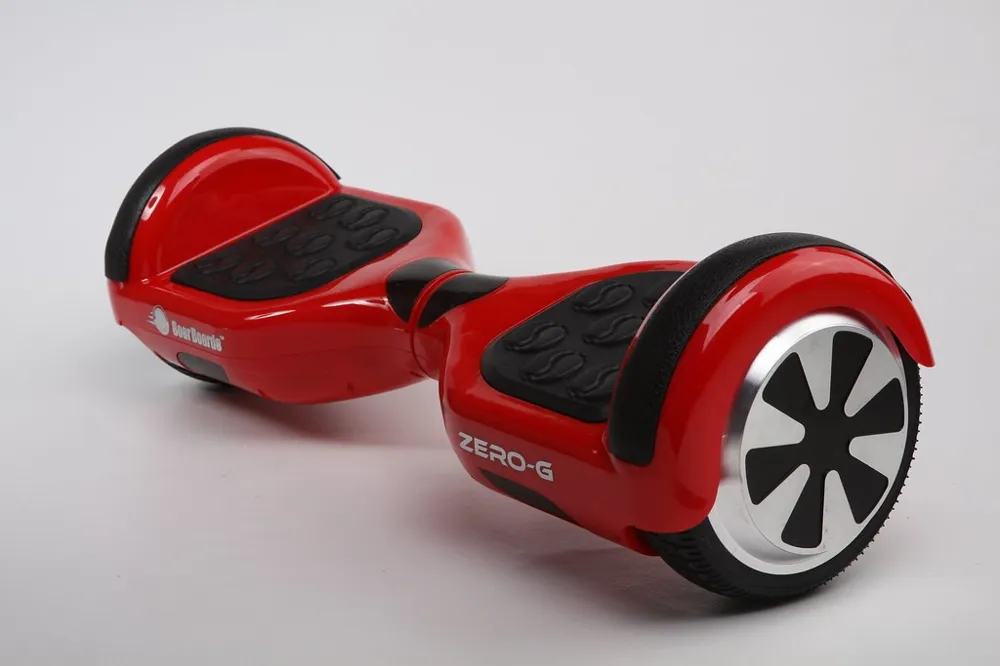
Most of a hoverboard's fire risk is decided before it comes home. The CPSC's buying advice, plus the basics of fit, comes down to this:
| Check | What to Look For |
|---|---|
| UL 2272 mark | On the box and the board, from an accredited lab. Ask the seller for documentation if unsure. |
| Seller | An established brand or authorized retailer. The CPSC warns against kiosks, secondhand sellers and online sellers that can't prove UL 2272 compliance. |
| Price | An unusually low price can signal a board that isn't compliant. |
| Recall status | Search the brand and model on CPSC.gov, especially for a used or older board. |
| Charger | Included, from the same maker, matched to the board. |
| Rider fit | The rider's age, weight and height inside the listed ratings. |
| Speed modes | A beginner or training mode for new riders and kids. |
| Wheels | About 6.5 inches for smooth pavement; 8.5 inches or larger for rough ground. |
| Warranty and support | A maker you can contact for parts, batteries and recalls. |
A used board deserves extra caution: you can't easily know how it was charged, stored or dropped, and boards bought before January 29, 2016 are not UL 2272 compliant. For certified options, see the best hoverboards; if you're still deciding on the type of ride, compare a hoverboard vs an electric scooter.
What to Do If Your Board Is Recalled or Damaged
- Check recalls. Search your brand and model on CPSC.gov. If it's recalled, stop using it right away and follow the remedy, which may be a refund or replacement battery. Don't sell or donate a recalled board.
- After a hard hit, look for a cracked shell or exposed wiring, and stop using the board if it then gets hot, smells or behaves oddly.
- Worn-out battery? Use the maker's approved pack or a repair shop; never fit an uncertified or different-voltage battery. See hoverboard battery replacement.
- Disposal: never put a hoverboard or its battery in household trash or curbside recycling. Take it to a battery drop-off or household hazardous waste site.
- Flying: several major US airlines banned hoverboards after the 2015 fires because of their lithium-ion batteries. Check your airline's current rules before you travel.
Related Guides
Learn how hoverboards work, read the hoverboard charging guide, check how fast hoverboards go, or compare the best hoverboards and best hoverboards for kids.
Frequently Asked Questions
Are hoverboards still a fire hazard?
The risk is much lower with a UL 2272-certified board charged correctly, but it isn't zero. The CPSC says even UL 2272 compliance cannot guarantee a hoverboard won't overheat or catch fire, so use the original charger and never charge unattended.
Are hoverboards safe for kids?
They can be ridden reasonably safely with a certified board, the right age and weight rating, a helmet and wrist guards, and adult supervision. Falls are the main cause of injury, and wrist fractures are the most common serious one.
What age is safe for a hoverboard?
Follow the board's age, weight and height rating, which ranges from about 5 for some small kids' boards to 12 and up for faster models. The American Academy of Pediatrics advises against children under 16 operating unlicensed motorized wheeled vehicles.
How do I know if my hoverboard is UL 2272 certified?
Look for a certification mark for self-balancing scooters or personal e-mobility on both the box and the board itself. A listing that claims only a UL-compliant battery or charger doesn't mean the whole board is certified.
Were all hoverboards recalled?
No. In July 2016 the CPSC announced a recall of about 501,000 boards from 10 firms, and other brand recalls followed in later years. Search your brand and model on CPSC.gov to check yours.
Can you take a hoverboard on a plane?
Usually not. Several major US airlines banned hoverboards after the 2015 fires because of their large lithium-ion batteries. Check your airline's current policy before you travel.
What should I do if my hoverboard smokes or swells?
Stop using and charging it. If it smokes or catches fire, get everyone out and call 911, then report the incident to the CPSC at SaferProducts.gov.