Is Skateboarding Dangerous? The Honest Answer (2026)
Skateboarding has real risks, mostly falls. Here's what injuries are common, what raises the risk and how to skate more safely.
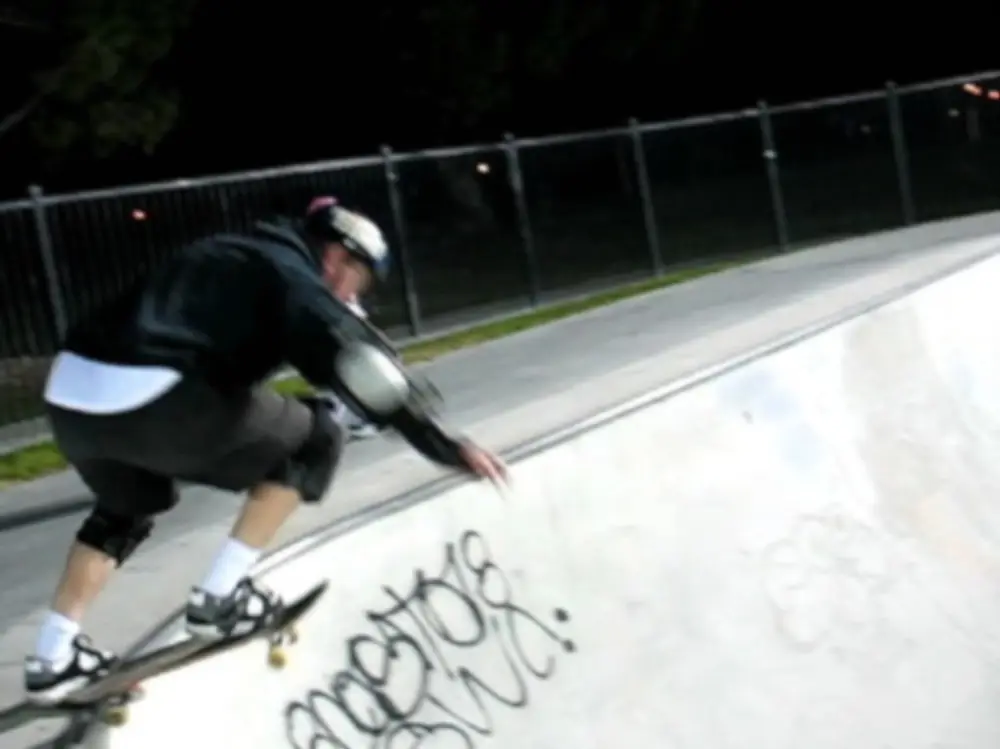
The Honest Answer
Skateboarding has real risks, mostly from falls. The most common injuries are scrapes, bruises, sprains and broken bones, especially in the wrist and arm. Head injuries are less common but the most serious. The good news: much of the risk is manageable with protective gear, safe places to skate and smart progression.
By the Numbers
A study published in Injury Epidemiology in 2016, led by researchers at Nationwide Children's Hospital, estimated that about 65,000 children and teens were treated in US emergency rooms for skateboarding injuries each year from 1990 to 2008, roughly 176 a day. Among those injuries:
- About a third were fractures or dislocations.
- About a quarter were sprains and strains.
- About 45% involved the arms and hands, and about 32% the legs and feet.
- Younger children had more face, head and neck injuries than older kids.
The researchers' advice: always wear protective gear including a helmet, and supervise younger children.
Common Skateboarding Injuries
| Injury | Typical Cause | Prevention |
|---|---|---|
| Scrapes and road rash | Sliding on pavement | Pads, long sleeves, learning to fall |
| Wrist sprains and fractures | Catching yourself with your hands | Wrist guards, rolling falls |
| Ankle sprains | Bad landings | Supportive shoes, progressing gradually |
| Head injuries | Falling backward or high-speed falls | Certified helmet |
| Bruises | Board impacts, falls | Pads |
What Increases the Risk
- Traffic: skating in streets near cars.
- Rough surfaces: rocks and cracks stop wheels suddenly.
- Hills: speed builds quickly without stopping skills.
- No protective gear.
- Trying tricks too early or when tired.
- Low light and wet ground.
How to Skate Safer
- Wear a helmet; see do you need a helmet.
- Use wrist guards and pads, especially when learning.
- Learn to stop; see how to stop.
- Learn to fall; see how to fall.
- Skate smooth, traffic-free places, ideally skateparks.
- Progress gradually and warm up.
- Check your board for loose parts and cracks.
Triple Eight Saver Series Pads
Knee pads, elbow pads and wrist guards in one set.
Check Price on AmazonTriple Eight Certified Sweatsaver
A dual-certified (CPSC and ASTM F1492) skate helmet.
Check Price on AmazonKids and Skateboarding Safety
- Young children are still developing balance and coordination, so supervise them closely, especially under about 10.
- Make a helmet, wrist guards and knee and elbow pads non-negotiable.
- Keep young kids on smooth, flat ground away from traffic.
- See how to teach a kid to skateboard.
When to See a Doctor
Get medical help for any head injury with headache, confusion, vomiting or loss of consciousness, for a limb you can't move or put weight on, or for deep cuts. When in doubt, get checked.
The Benefits Are Real Too
Skating builds balance, fitness, confidence and community. See the benefits of skateboarding and is skateboarding hard. If you're hurt, see treating road rash and get medical care for serious injuries.
Frequently Asked Questions
Is skateboarding dangerous?
Like most action sports, it has risks. Most injuries are scrapes, sprains and fractures from falls, especially of the wrist and arm. Head injuries are less common but the most serious.
What are the most common skateboarding injuries?
Scrapes and bruises, sprains, and fractures of the wrist, arm and ankle.
How can I skate more safely?
Wear a helmet and wrist guards, skate smooth surfaces away from traffic, learn to stop and fall, and progress gradually.
Is skateboarding safe for kids?
With supervision, proper gear and safe places to ride, many kids skate safely. Follow age guidance and keep young kids away from traffic.
Is skateboarding more dangerous than other sports?
Comparisons depend on how injuries and participation are measured. Skating's risks are manageable with protective gear and good habits.