Replacing a Hoverboard Battery Safely, Step by Step (2026)
A worn-out battery can often be replaced, but hoverboard batteries are a fire risk when the wrong pack goes in. Here's how to tell if yours is failing, which replacement options are safest and how to recycle the old one.
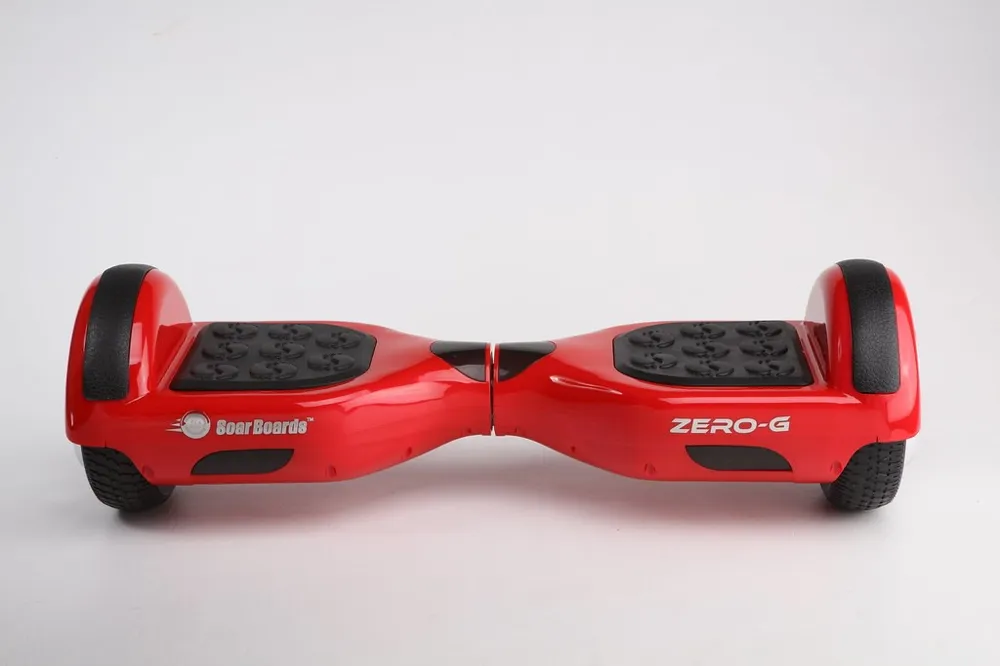
Safety First: Read This Before You Start
Hoverboards run on lithium-ion battery packs, and the battery is the part most likely to cause a fire. In July 2016 the U.S. Consumer Product Safety Commission (CPSC) announced the recall of about 501,000 hoverboards from 10 firms after at least 99 reports of battery packs overheating, sparking, smoking, catching fire or exploding. Replacing a battery is possible, but it has to be done carefully. Follow these rules:
- Stop using a damaged battery. If the board is swollen, leaking, very hot, smoking or smells burnt, don't ride or charge it. If there is smoke or fire, get everyone out and call 911.
- Check for a recall first. Search your board's brand and model on CPSC.gov. Some recalls include a free replacement battery: in 2021 Razor recalled GLW battery packs sold with about 237,300 Hovertrax 2.0 hoverboards and offered owners a free replacement pack.
- Use the warranty. If the board is under warranty, contact the manufacturer before you open it. Opening the shell may void the warranty.
- Use only an approved, certified pack. Never fit a cheap, uncertified battery, a pack with a different voltage, or a used or rebuilt pack.
- Never open the battery pack itself or bypass its battery management system (BMS). Swapping a battery means unplugging one sealed pack and plugging in another, not repairing cells.
This guide is general information, not professional repair advice. If you're not comfortable working on electronics, let the manufacturer or a repair shop do the job.
Signs Your Hoverboard Battery Is Failing
Lithium-ion batteries wear out gradually. These are the common signs that a pack is nearing the end of its life:
| Sign | What It Suggests | What to Do |
|---|---|---|
| Ride time is much shorter than when new | Lost capacity from age and charge cycles | Plan a replacement |
| Shuts off under load, such as on a slope | The pack can't deliver enough current | Stop riding until it's checked |
| Won't reach a full charge, or the level drops fast | Worn cells, or a charger or port fault | Test with a known-good charger first |
| Won't power on after a full charge | Dead battery, or another fault such as the control board | Rule out other causes (below) |
| Swelling, cracked case, leaks, burnt smell, heat | A damaged battery and a fire risk | Stop using the board right away |
Many packs are rated for a few hundred full charge cycles before range drops noticeably. Riding and charging habits, heat and long storage at the wrong charge all speed up wear.
Is It Really the Battery? Rule Out Other Causes
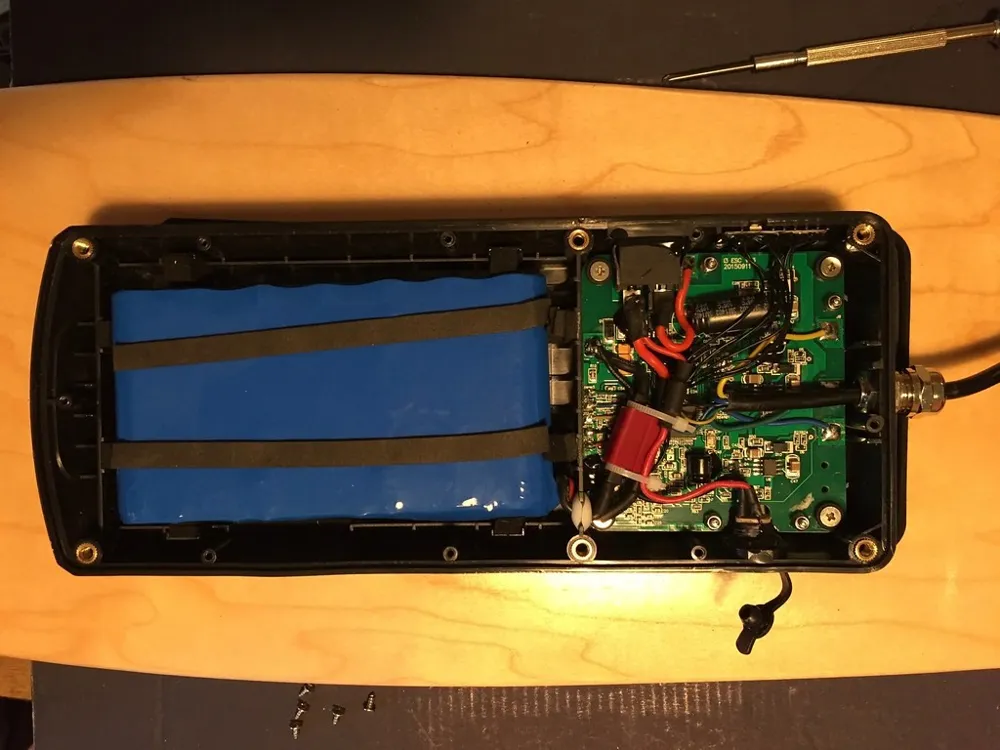
A hoverboard that won't turn on or keeps cutting out doesn't always need a new battery. Before you buy one, work through the simple checks:
- Test the charger. On many hoverboard chargers the light shows green when plugged into the wall and turns red while charging the board. If the light never comes on, the charger may be faulty. If it stays green when connected to a flat board, the battery or the charging path may be the problem. Our hoverboard charging guide explains charger lights and the right replacement charger.
- Inspect the charging port for dirt, debris or bent pins.
- Recalibrate the board. iFixit's SwagTron T1 battery guide advises recalibrating first and replacing the battery only if the problem continues.
- Check the symptoms. Beeping, flashing lights, one side not working or vibration often point to calibration, sensors or loose connections rather than the battery. Our hoverboard troubleshooting guide walks through each fault.
If a board still won't hold a charge or power on with a charger you know works, the battery is the likely cause.
Your Replacement Options
There are three ways to get a new battery into a hoverboard. In order of safety:
| Option | Best For | Good to Know |
|---|---|---|
| Manufacturer or warranty service | Boards under warranty or recall | The safest route; some owners report having to ship the whole board |
| Repair shop | Out-of-warranty boards, or if you'd rather not open it | Ask which battery they fit and whether it's certified to UL 2271 |
| Do it yourself with a manufacturer-approved pack | Confident DIYers with an out-of-warranty board | Only with the exact pack for your model, from the maker or an authorized dealer |
Finding a pack can be the hardest part. Some owners report that batteries for older or discontinued models are hard to find. If no approved battery exists for your board, replacing the whole hoverboard with a current UL 2272-certified model may be the safer choice. Our best hoverboards and kids' hoverboards guides list certified boards.
How to Choose a Safe Replacement Battery
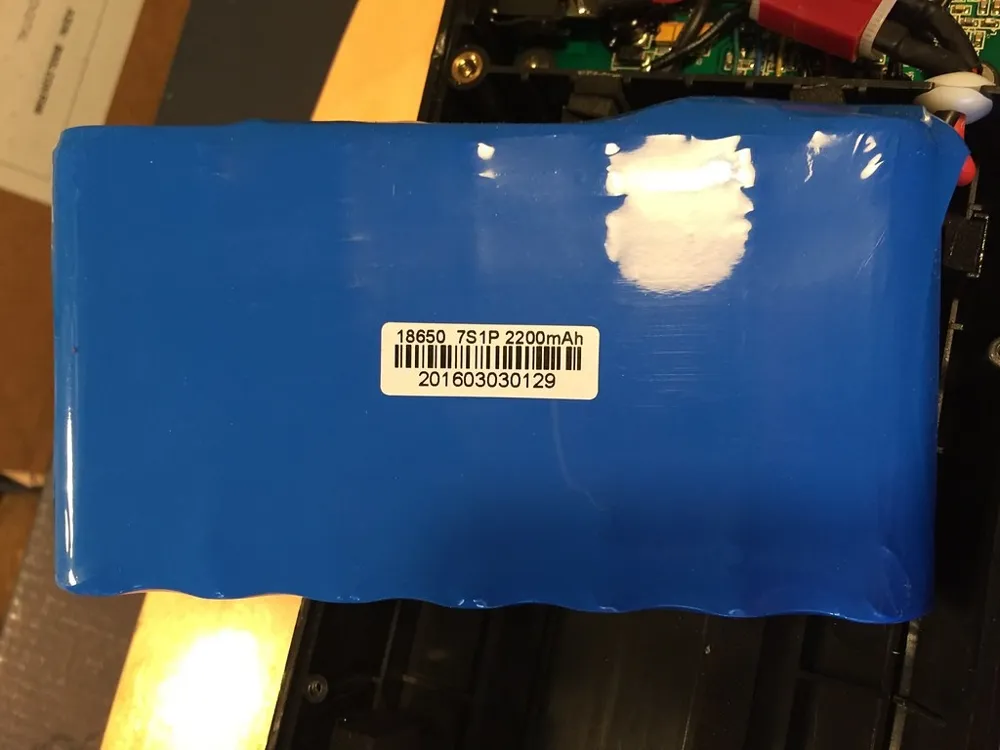
The right battery matches your old one exactly, and comes with real certification. Check every point below before you buy:
- Voltage: many hoverboards use a 36-volt pack, usually 10 lithium-ion cells in series, charged by a 42-volt charger. Some boards use lower-voltage packs, such as 25.2 volts. Read the label on your old pack and the output rating on your original charger. Never fit a pack with a different voltage, which can damage the board or start a fire.
- Capacity: listed in amp-hours (Ah) or milliamp-hours (mAh). The label "10S2P" means 10 cells in series, in two parallel groups; a "10S1P" pack has half the capacity of a 10S2P pack at the same voltage. A higher-capacity pack adds ride time only if it is approved for your model and fits.
- Connector and wiring: the plug must match your board's connector exactly. Don't cut, splice or adapt wires.
- Size: the pack must fit the battery compartment without being forced or pinched by the shell.
- Built-in BMS and hard case: the pack should have its own battery management system, which protects against overcharging, over-discharging, short circuits and overheating.
- Certification: look for a pack certified to UL 2271, the safety standard for light electric vehicle batteries. UL 2272 is the standard for the complete hoverboard.
Be wary of claims. The CPSC warns that many sellers claim to have UL-compliant battery packs, chargers or other parts, and points out that UL 2272 covers the entire hoverboard, not individual parts. A board's UL 2272 certification was earned with its original battery. Buy from the manufacturer or an authorized dealer, avoid prices that look too good to be true, and never buy a used battery.
What a Hoverboard Battery Swap Involves
Every board is built differently, so follow the manufacturer's instructions or a model-specific repair guide such as iFixit's. iFixit rates its Hover-1 H1 battery replacement as moderate difficulty, taking about 30 minutes with a Phillips #2 screwdriver. The general process looks like this:
- Prepare. Power the board off, unplug the charger and let it sit if it was recently ridden or charged. Work on a clean, dry, non-flammable surface with good light, and wear safety glasses.
- Remove the bottom shell. Flip the board and remove the screws. Some screws are hidden under stickers, including warranty stickers. Keep screws sorted, since lengths can differ.
- Lift the shell carefully. Wires still connect it to the board, so don't pull cables out of their connectors.
- Photograph the wiring before you unplug anything.
- Unplug the battery by gripping the connector body, not the wires.
- Remove the battery's screws, bracket or cage and lift the pack out gently by its body, not its harness.
- Fit the new pack in the same position and orientation, secure it, and reconnect it exactly as in your photo.
- Reassemble without pinching wires, and don't overtighten the screws.
Stop and get help if the old pack is swollen or stuck, if any wire is damaged or melted, or if the new connector doesn't match. Don't force it.
After the Swap: First Charge and Test
Charge the new battery fully before the first ride, using the charger made for your board. Stay nearby while it charges, and keep it away from anything flammable. The CPSC advises using only chargers supplied with the hoverboard and never charging one unattended, especially overnight.
Then recalibrate the board and test it at low speed on flat, open ground. Watch for warning signs during the first few charges: unusual heat around the battery, a burnt smell, unexpected shut-offs, or lights and beeps you didn't see before. If anything seems wrong, stop using the board and contact the battery's seller or the manufacturer. You can report a hoverboard that overheats, smokes or catches fire to the CPSC at SaferProducts.gov.
How to Recycle the Old Battery
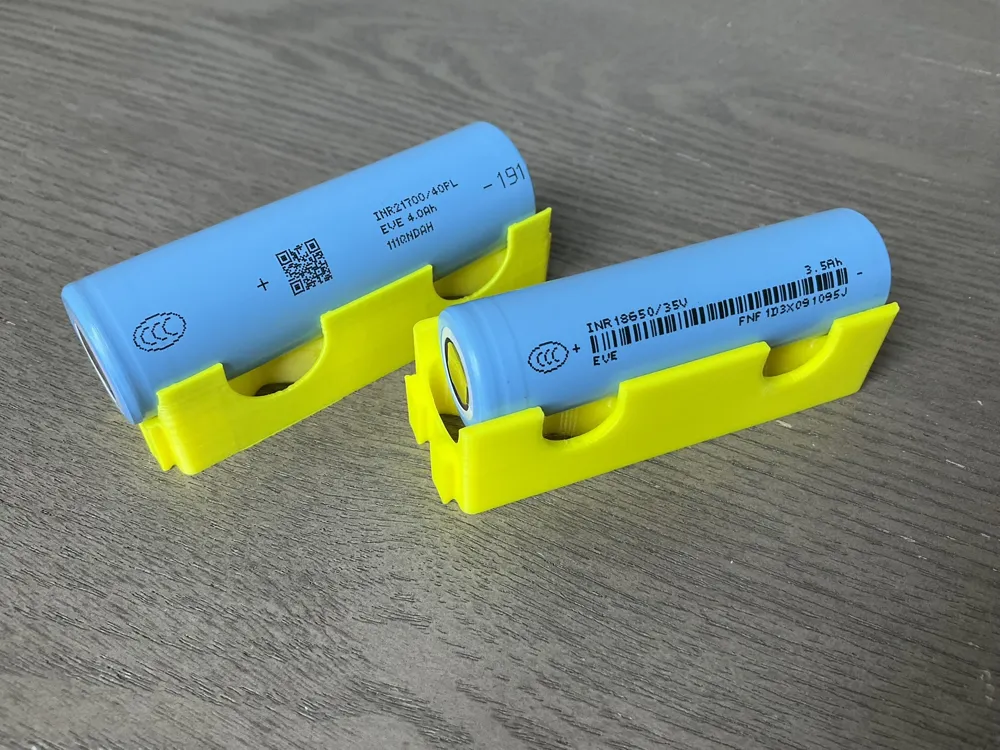
Even a dead lithium-ion battery can hold enough energy to start a fire. The U.S. Environmental Protection Agency (EPA) says lithium-ion batteries and devices that contain them should never go in household garbage or curbside recycling bins. Instead:
- Tape the terminals or connector with non-conductive tape, such as electrical tape.
- Put the battery in its own plastic bag.
- Take it to a drop-off point: a battery recycling site, a retailer with a battery take-back program, or your local household hazardous waste collection. Call2Recycle, now called The Battery Network, has a ZIP-code locator for drop-off sites; call ahead, since not every site accepts larger e-mobility batteries.
If the old battery is swollen, leaking or damaged, don't bag it up with other batteries or store it indoors. The EPA advises contacting the battery or device manufacturer for handling instructions, and your local household hazardous waste program can tell you how to drop it off. Retiring a whole hoverboard? Leave the battery inside and take the entire board to an electronics recycler or hazardous waste site that accepts it, rather than taking it apart yourself.
Making a New Battery Last
- Charge with the original or a manufacturer-approved charger only, and unplug once it's full.
- Don't run the battery completely flat if you can avoid it.
- Store the board indoors in a cool, dry place, away from heat and anything flammable. For long breaks, follow your manual's advice on charge level and top it up every month or so.
- Let a hot board cool down after a ride before charging.
- Avoid hard drops and curb impacts, and have the board checked if it takes a hard hit and then behaves oddly.
- Stay within the board's weight limit (see hoverboard weight limits).
Related Guides
Learn how hoverboards work, fix common faults with our hoverboard troubleshooting guide, read the hoverboard charging guide, brush up on how to ride a hoverboard, or see whether hoverboards are safe.
Frequently Asked Questions
Can you replace the battery in a hoverboard?
Often, yes. The battery usually sits under the bottom shell and unplugs from the board. The safest route is a replacement pack approved by the manufacturer, fitted by the manufacturer or a repair shop, especially while the board is under warranty.
What battery does my hoverboard need?
Many hoverboards use a 36-volt lithium-ion pack charged by a 42-volt charger, but some use lower-voltage packs, such as 25.2 volts. Check the label on your old battery, the charger's output rating and your manual, and match the voltage, connector and size exactly.
Is it safe to buy a cheap replacement hoverboard battery online?
It's risky. The CPSC warns that many sellers claim their battery packs are UL-compliant and that UL 2272 covers the entire hoverboard, not individual parts. Buy from the manufacturer or an authorized dealer, and look for a pack certified to UL 2271.
How do I know if my hoverboard battery is bad?
Common signs are much shorter ride times, shutting off under load, not reaching a full charge, or not powering on with a working charger. A swollen, leaking, hot or burnt-smelling battery is dangerous: stop using the board.
How long do hoverboard batteries last?
Many lithium-ion packs are rated for a few hundred full charge cycles before range drops noticeably. How you charge and store the board makes a big difference.
Can I throw an old hoverboard battery in the trash?
No. The EPA says lithium-ion batteries should not go in household garbage or recycling bins. Tape the terminals, bag the battery and take it to a battery drop-off or a household hazardous waste site.
Will a higher-capacity battery make my hoverboard faster?
No. Speed is set by the board's motors, controller and voltage. A higher-capacity pack at the same voltage can add ride time if it fits and is approved for your model, but never fit a higher-voltage pack.