The Best Snorkeling in the US: Reefs, Kelp and Shipwrecks (2026)
You don't need a passport for great snorkeling. Here's where to go in Hawaii, Florida, California, the U.S. Virgin Islands, Puerto Rico and beyond, with access, seasons and the rules to know.
The Best Snorkeling in the US at a Glance
The United States has warm coral reefs in Hawaii, Florida, the U.S. Virgin Islands and Puerto Rico, cold-water kelp forests in California and even snorkelable shipwrecks in the Great Lakes. This page is the overview: each region gets a short entry and a link to our deeper guide where we have one.
| Spot | Region | Access | Level | Best Season |
|---|---|---|---|---|
| Hanauma Bay | Oahu, Hawaii | Shore, sand | Beginner | Year-round (reservation needed) |
| Molokini Crater | Maui, Hawaii | Boat only | All levels on tours | Year-round, calm days |
| Kealakekua Bay and Two Step | Big Island, Hawaii | Kayak, boat or lava-ledge shore entry | Intermediate | Year-round |
| John Pennekamp and Key Largo reefs | Florida Keys | Boat tours, some shore | Beginner to intermediate | Year-round; spring is a favorite |
| Dry Tortugas National Park | Florida Keys | Ferry, seaplane or private boat | Beginner to intermediate | Calm-weather months |
| Crystal River and Florida's springs | Central Florida | Shore or guided boat | Beginner | Winter for manatees |
| La Jolla Cove | San Diego, California | Shore | Beginner on calm days | Late summer and fall |
| Catalina Island | Southern California | Ferry, then shore | Beginner | Late summer and fall |
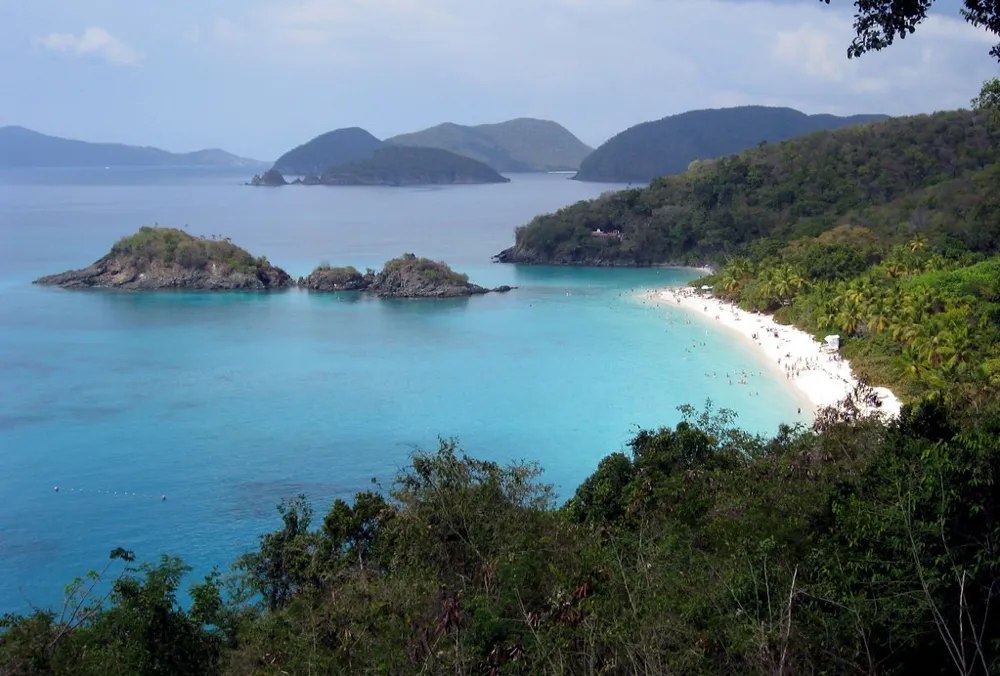
| Trunk Bay | St. John, USVI | Shore, sand | Beginner | Year-round, calm days |
| Buck Island Reef | St. Croix, USVI | Boat only | Beginner with crew briefing | Year-round, calm days |
| Culebra | Puerto Rico | Ferry or flight, then shore | Beginner to intermediate | Year-round, calm days |
| Thunder Bay shipwrecks | Lake Huron, Michigan | Kayak, paddleboard or boat | Intermediate (cold water) | Summer |
"Best season" is a general guide. Any spot can be unsafe on a windy or high-surf day, so check conditions every morning.
Hawaii: Reef Snorkeling on Every Island
Hawaii is the deepest US snorkel destination, with sandy beginner coves, lava-rock entries and boat-only craters. Our Hawaii snorkeling guide covers each island spot by spot; here are the headliners:
- Hanauma Bay, Oahu: a sheltered bay that suits beginners. As of November 2026, the City and County of Honolulu requires reservations for most visitors, every visitor watches an educational video, and the preserve is closed on Mondays and Tuesdays.
- Molokini Crater, Maui: a partly sunken crater reached only by boat tour. Maui's west and south coasts add shore spots such as Kapalua Bay and Black Rock.
- Kona coast, Big Island: Kealakekua Bay (by permitted kayak, boat tour or a long hike), Two Step and Kahalu'u Beach Park, plus the famous manta ray night snorkel.
- Kauai: Tunnels and Ke'e Beach are mostly summer spots. Non-residents need advance reservations for Ha'ena State Park, which includes Ke'e.
The season rule: north-facing shores often get big surf from about November to March, so snorkel south and west shores in winter and save the North Shores for summer.
California: Kelp, Garibaldi and Cold Water
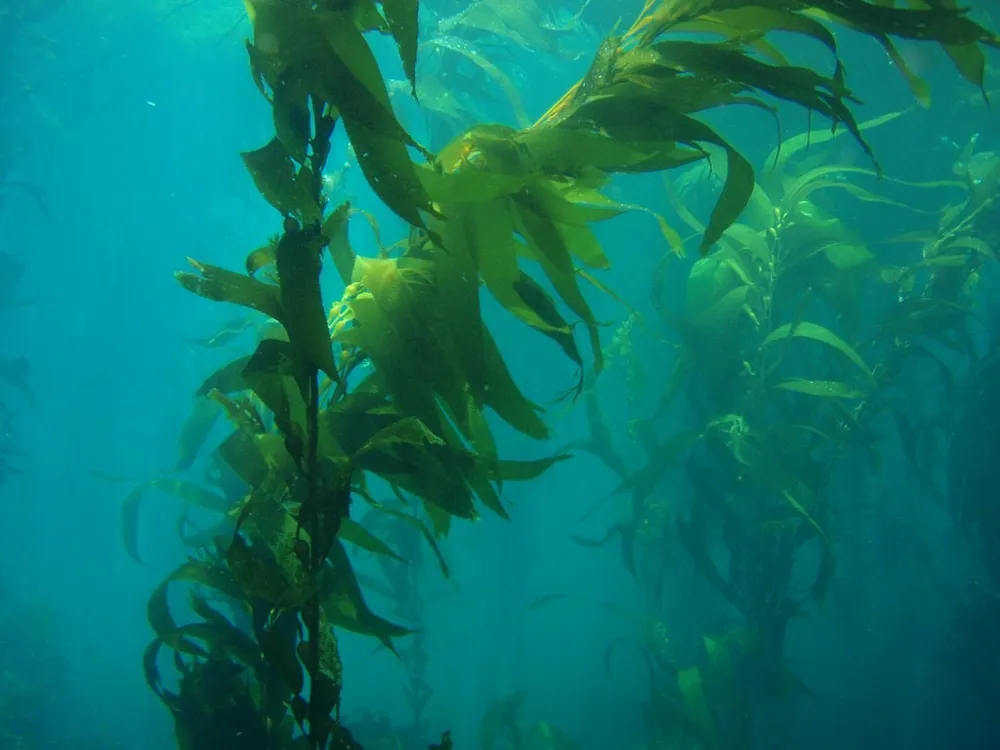
California snorkeling is cold-water snorkeling. Expect a thick wetsuit, hood and boots, plus kelp, bright orange garibaldi and curious sea lions instead of coral. Pick calm, clear days. The best-known spots:
- La Jolla Cove and La Jolla Shores, San Diego: the state's best-known snorkel area, a no-take protected area with garibaldi, sea lions and kelp close to shore on calm days.
- Catalina Island: about 22 miles off the Los Angeles coast, with ferries to Avalon. Lover's Cove and Casino Point are calm and clear; CDFW notes they are the only two marine protected areas in the state where feeding fish for viewing is permitted.
- Laguna Beach: Shaw's Cove and Crescent Bay have reef and tide-pool life near shore.
- Channel Islands and Monterey: boat trips reach the Channel Islands' kelp forests, and Monterey's Breakwater and Lovers Point are sheltered on calm days. At Point Lobos, snorkelers can use Whalers Cove with a reservation and a buddy.
Our California scuba diving guide has a full snorkel section, wetsuit thickness by season and the marine protected area rules.
Florida Keys: North America's Only Coral Barrier Reef
The Keys sit beside what NOAA calls North America's only coral barrier reef, protected by the Florida Keys National Marine Sanctuary. The outer reef is miles offshore, so most reef snorkeling is by boat tour. Our Florida Keys snorkeling guide goes reef by reef.
- Key Largo: John Pennekamp Coral Reef State Park runs reef trips, and nearby sites include Molasses Reef and the Christ of the Abyss statue at Key Largo Dry Rocks.
- Middle and Lower Keys: Sombrero Reef off Marathon and Looe Key are classic spur-and-groove reefs. Bahia Honda State Park has shallow shore snorkeling.
- Key West: easy beach snorkeling at Fort Zachary Taylor and boat trips to Sand Key.
- Dry Tortugas National Park: almost 70 miles west of Key West and reachable only by boat or seaplane. You snorkel outside Fort Jefferson's moat wall, around the old coaling pier pilings and off Loggerhead Key.
Dive flag rule: Florida law requires snorkelers to display a divers-down flag or buoy outside swimming-only areas. On a tour, the boat's flag covers you.
More of Florida: Wrecks, Springs, Manatees and the Gulf
Florida's snorkeling doesn't stop at the Keys. Our statewide best snorkeling in Florida list has more detail.
- Biscayne National Park: a mostly underwater park south of Miami with a Maritime Heritage Trail of shipwrecks. The schooner Mandalay lies in shallow water that snorkelers can reach on calm days.
- Blue Heron Bridge, Palm Beach County: a shore site at Phil Foster Park known for small, unusual critters. Go around high tide, when the water is clearest and the current gentlest.
- Crystal River: manatees gather in the warm springs in winter, and guided tours let you snorkel near them. Observation must be passive: no touching, chasing or feeding.
- Inland springs: clear, cool spring water, including the cave-like Devil's Den near Williston, which Time Out reports needs advance booking for snorkel sessions.
- Panhandle snorkel reefs: South Walton has four artificial snorkel reefs, reported at 700 to 1,000 feet offshore in 6 to 12 feet of water, best reached by kayak or paddleboard. Just west, Alabama's Gulf Shores has the shallow Whiskey Wreck about 150 yards off the beach.
U.S. Virgin Islands: Trunk Bay, Buck Island and St. John's Bays
The USVI give you Caribbean reefs on U.S. soil, and two of the best sites are run by the National Park Service. Our Caribbean snorkeling guide compares them with the wider region.
- Trunk Bay, St. John: Virgin Islands National Park describes an underwater snorkel trail of about 300 feet along the west side of Trunk Bay Cay, with plaques about marine life. It suits beginners, and the beach has showers, food and snorkel rentals. It's the only St. John beach with an amenity fee. The water gets rougher toward the cay's northern tip.
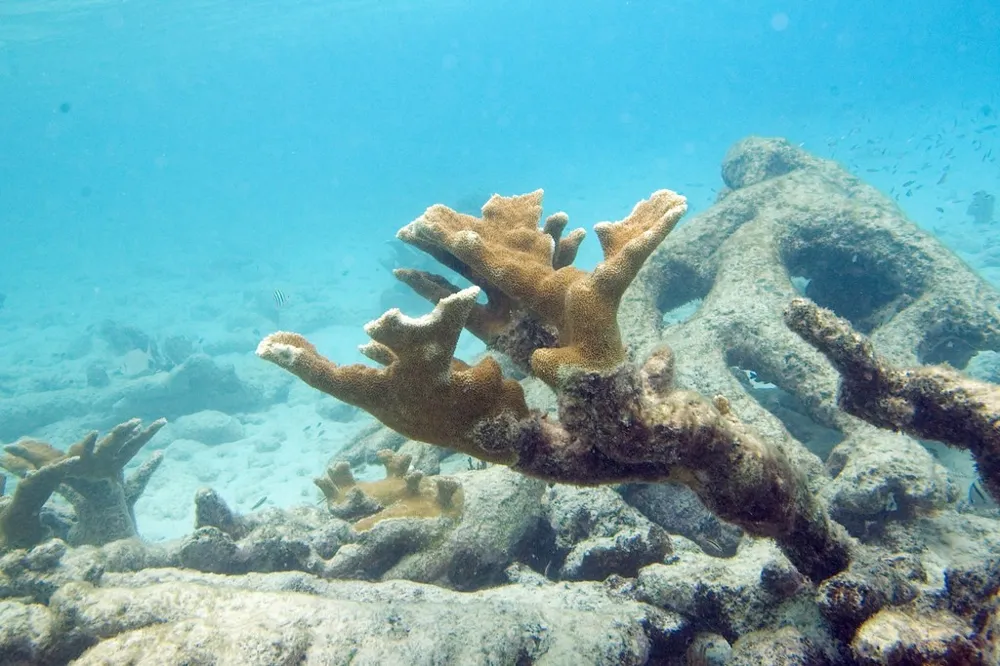
- More St. John bays: the park also points snorkelers to Maho Bay (green sea turtles in the seagrass), calm Francis Bay for beginners, Hawksnest Bay's elkhorn coral and Waterlemon Cay, where a strong current runs on the cay's north side, so stay on the south.
- Buck Island Reef National Monument, St. Croix: reached by daily boat trips. The NPS says beginners can snorkel the coral grottoes after a short briefing from the boat crew, depths in the grottoes reach about 12 feet, and the underwater trail is closed from sunset to sunrise. Fishing and collecting are prohibited throughout the monument.
- Also worth a look: Cane Bay on St. Croix's north shore, where you can swim out to the edge of a deep wall, and Coki Beach on St. Thomas, a calm, beginner-friendly beach that gets crowded.
Sunscreen: the USVI ban on sunscreens containing oxybenzone, octinoxate and octocrylene took effect in March 2020. The park also asks visitors to use reef-safe sunscreen, while noting that "reef safe" labels are not regulated.
Puerto Rico: Culebra and Its Reserves
Puerto Rico's standout snorkeling is on Culebra, an island off the east coast that you reach by ferry from Ceiba or by small plane from San Juan. According to Discover Puerto Rico:
- Flamenco Beach: head to the far right or left ends of the beach for the easiest reef access.
- Tamarindo and Carlos Rosario: neighboring beaches that are part of the Luis Peña Nature Reserve.
- Melones Beach: known for sea turtles and about 1.2 km from the ferry terminal.
- Culebrita: an uninhabited islet reached by water taxi, good for turtles and rays.
Bring your own gear, since it isn't provided, and expect a visitor fee built into the ferry ticket. The Culebra National Wildlife Refuge, designated in 1909, covers more than 20% of the island and its outlying cays and protects endangered sea turtles. Some snorkel tour operators that serve Culebra are based in Fajardo on the main island.
The Great Lakes and Other Surprise Spots
Thunder Bay National Marine Sanctuary, Michigan
NOAA's Thunder Bay sanctuary off Alpena in Lake Huron protects historic shipwrecks, and the sanctuary says many are shallow enough to snorkel, with no scuba certification needed. Kayaks, canoes and paddleboards reach wrecks, lighthouses and islands, and glass-bottom boat tours let non-swimmers see wrecks too. Seasonal mooring buoys are set at many wreck sites from May to September, and sanctuary rules require boats to use them when present. Lake Huron is cold, so wear a wetsuit and leave every wreck as you found it. For wreck diving with scuba, see our types of scuba diving guide.
Cold-Water Coasts
Time Out also points to Little Beach in Ogunquit, Maine, for urchins, crabs and the odd lobster, and to the shallow, calmer water of Pamlico Sound at Cape Hatteras National Seashore in North Carolina, which you share with windsurfers and kiteboarders. Maine's water is famously cold, so bring a wetsuit.
Alaska
Islands.com highlights a guided cold-water snorkel tour at Mountain Point near Ketchikan that includes gear and transport and can be booked by cruise passengers. Going alone isn't recommended.
Shore or Boat: How to Plan a US Snorkel Trip
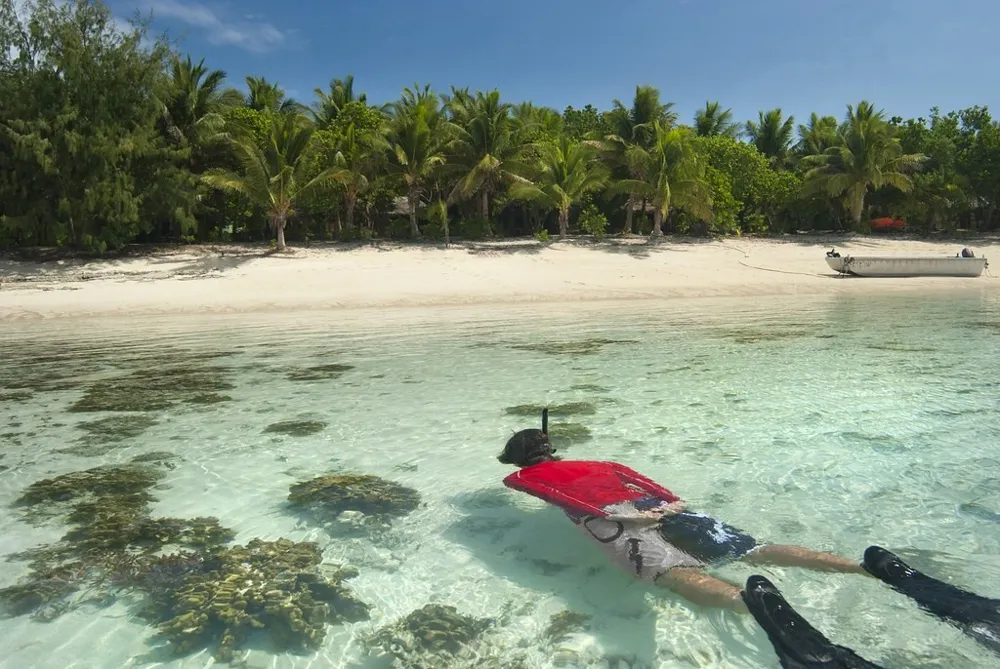
Most US snorkel spots fall into one of two types, and it shapes your whole trip:
| Shore Snorkeling | Boat Snorkeling | |
|---|---|---|
| Examples | Hanauma Bay, Two Step, La Jolla Cove, Trunk Bay, Blue Heron Bridge, Culebra beaches | Molokini, Key Largo and Looe Key reefs, Buck Island, Channel Islands |
| Planning | Arrive early for parking or reservations; check surf and tide | Book ahead; trips may change sites or cancel in wind |
| Gear | Bring or rent; water shoes help on rocky or lava entries | Usually supplied; bring your own mask for a better fit |
| Help Nearby | Lifeguards at some beaches only | Crew briefing and supervision |
- Book permits early. Hanauma Bay, Ha'ena State Park, Point Lobos and Devil's Den all need reservations, and some sell out.
- Build in a spare day. Wind and swell cancel boat trips and close shore spots, especially in the Keys and on Hawaii's north shores.
- Go early. In Hawaii, trade winds usually build through the day, so mornings are calmer with better visibility.
Our how to snorkel guide covers shore entries and exits in more detail.
Best Time to Snorkel in the US, Region by Region
| Region | Best Time | Watch Out For |
|---|---|---|
| Hawaii | South and west shores most of the year; north shores about May to September | Big north swells about November to March |
| Florida Keys | Year-round; spring is a favorite | Hurricane season, June 1 to November 30; wind |
| Florida springs (manatees) | Winter | Passive observation only; follow posted rules |
| Southern California | Late summer and fall, when water is warmest | Cold water much of the year; surge |
| USVI and Puerto Rico | Year-round on calm days | Atlantic hurricane season; north swells |
| Great Lakes | Summer (moorings May to September) | Cold water and changeable weather |
Rules to Know: Reef-Safe Sunscreen and Marine Protected Areas
Snorkel rules in the US are set by states, territories, counties and park agencies, so they vary by spot. Here is the short version, last checked November 2026:
| Where | Sunscreen Rule | Other Key Rules |
|---|---|---|
| Hawaii (statewide) | Act 104 bans selling or distributing sunscreen with oxybenzone or octinoxate (since January 1, 2021) | Reservations at Hanauma Bay and Ha'ena; no fish feeding in Marine Life Conservation Districts |
| Maui County and Hawaii County | Maui bans the sale, distribution and use of non-mineral sunscreens; Hawaii County bans their sale and distribution | Keep wildlife distances (turtles, monk seals, spinner dolphins) |
| U.S. Virgin Islands | Ban on oxybenzone, octinoxate and octocrylene (since March 2020) | No fishing or collecting at Buck Island Reef National Monument |
| Florida and the Keys | No local bans: state law (SB 172, 2020) stops cities such as Key West from banning sunscreens | Divers-down flag; no touching coral or taking marine life in sanctuary preservation areas |
| California | Check local rules; mineral sunscreen is the simple choice | No take in no-take marine protected areas such as La Jolla Cove and Catalina's Casino Point |
- "Reef safe" isn't a regulated term. Read the active ingredients. Mineral sunscreens with only zinc oxide and/or titanium dioxide meet the Hawaii and USVI rules; see our reef-safe sunscreen guide.
- Cover up instead. A long-sleeve rash guard cuts how much sunscreen you need; see rash guards.
- Everywhere: don't stand on or touch coral, don't feed or chase wildlife, and leave shells, coral and artifacts where they are.
Rules change. This is general information, not legal advice; check the official park, state or territory website before you go.
Snorkel Safety and Gear Basics
- Never snorkel alone, and tell someone on shore your plan.
- Wear a snorkel vest if you're a weak swimmer or on long swims; see our snorkel vest picks.
- Read the water. Ask lifeguards, check daily surf reports and skip spots with breaking waves, strong current or murky water.
- Get a mask that fits. A well-fitting set beats rental gear on long trips; compare snorkel sets.
- Dress for the water. Tropical spots need sun protection; California, Maine and the Great Lakes need a wetsuit.
Our full snorkeling safety tips cover currents, marine life and buddy rules.
More Snorkeling Guides
- Best snorkeling in Hawaii
- Florida Keys snorkeling
- Best snorkeling in Florida
- Scuba diving and snorkeling in California
- Best snorkeling in the Caribbean
- Best places to snorkel in the world
- All snorkeling and diving guides
Frequently Asked Questions
Where is the best snorkeling in the United States?
Hawaii and the Florida Keys are the usual top picks. Hawaii has reef snorkeling on every major island, and the Keys sit beside North America's only coral barrier reef. The U.S. Virgin Islands, Puerto Rico's Culebra and Southern California's kelp coves are strong alternatives.
Is Hawaii or Florida better for snorkeling?
Hawaii has more shore snorkeling, with reefs close to the beach on every major island. In the Florida Keys the best reefs are miles offshore, so most snorkeling is by boat, but Florida adds wrecks, clear springs and winter manatees.
What is the best US snorkel spot for beginners?
Hanauma Bay on Oahu, Trunk Bay's underwater trail on St. John and the shallow beaches of Florida's state parks are all beginner-friendly on calm days. Hanauma Bay needs a reservation for most visitors.
Do I need reef-safe sunscreen to snorkel in the US?
In Hawaii and the U.S. Virgin Islands, yes, in practice: both restrict certain sunscreen ingredients. Florida law stops cities like Key West from banning sunscreens, but NOAA still recommends cutting chemical sunscreen use on reefs. Mineral sunscreen and a rash guard work everywhere.
Can you snorkel in the Great Lakes?
Yes. NOAA's Thunder Bay National Marine Sanctuary in Lake Huron says many of its shipwrecks are shallow enough to snorkel. The water is cold, so plan on a wetsuit.
When is the best time to snorkel in the US?
Summer for the Great Lakes, Hawaii's north shores and California's warmest water; spring for the Florida Keys before hurricane season; and winter for Florida's manatee springs. Hawaii's south and west shores and the Caribbean territories can be snorkeled most of the year.