Surfing at Night: Sharks, Moonlight and Staying Safe (2026)
Night surfing means empty lineups and glassy water, but you lose your eyes, your lifeguards and your margin for error. Here's what the science says about sharks after dark, how to use the moon, and where lit sessions happen.
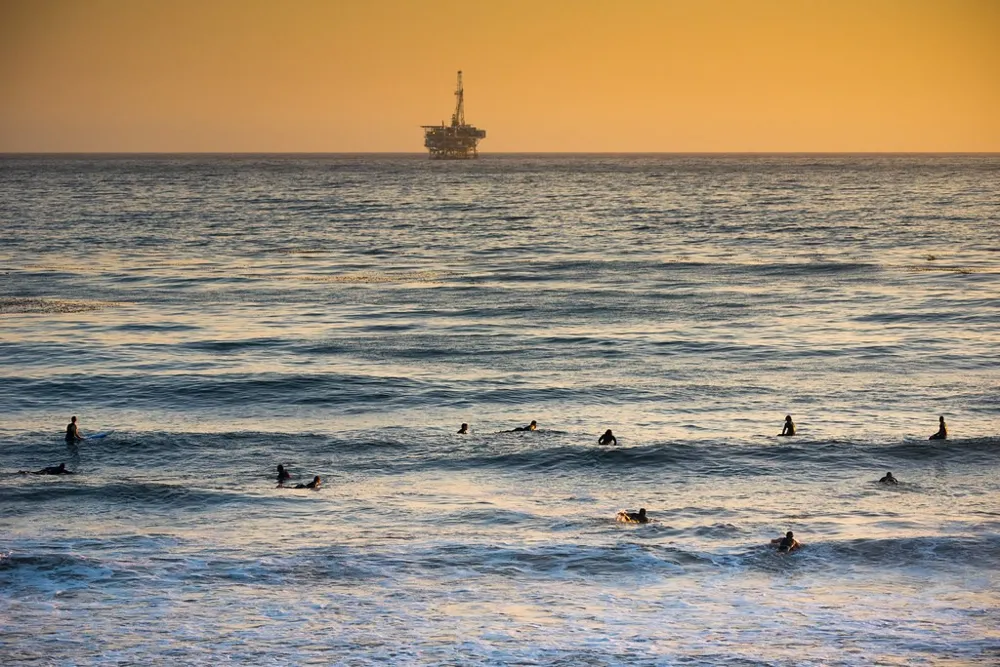
Can You Surf at Night?
Yes, people do surf at night, and some love it. Lineups are empty, the wind often drops after sunset, and the experience feels completely different. But night surfing is riskier than daytime surfing. You can't see sets, rocks or rip currents properly, lifeguards are usually gone, and if something goes wrong it is much harder for anyone to find you.
Most experienced night surfers stick to a few rules: surf a spot they know well by day, go with a buddy, ride small and predictable waves, and wait for strong light, either a bright moon on a clear night or artificial light from a pier, a lit beach or a wave pool. This guide covers those basics, what the research says about sharks after dark, and how the moon and tides change things. It is general safety information, not professional advice; for local hazards, talk to lifeguards or local surfers during the day.
Night Surfing at a Glance
| Question | Short Answer |
|---|---|
| Is it allowed? | Depends on the beach; some close at night or post set hours |
| Is it safe? | Riskier than daytime; best left to experienced surfers at familiar spots |
| Best light | Full or nearly full moon, clear sky, or a lit pier, beach or wave pool |
| Biggest hazards | Unseen waves, rocks and rips, no lifeguards, slower rescues, cold |
| Sharks | Experts advise avoiding darkness and twilight; bites remain rare |
| Who should skip it | Beginners, solo surfers, anyone at an unfamiliar or crowded break |
| Must-haves | A buddy, a leash, a plan someone on shore knows about, and small waves |
Why Surfers Paddle Out After Dark
The main draw is simple: fewer people. Busy breaks that are packed all day can be close to empty after sunset. Surf writers also point to glassy conditions, because coastal winds often ease in the evening, and to the sheer novelty. Without clear sight, surfers lean on sound and feel, and waves can seem to arrive faster than usual.
There's a practical side too. For people who work long days, especially in winter when it's dark early, an evening session under a bright moon or by a lit pier may be the only chance to surf. And a few events turn the dark into a show: Red Bull Night Riders, a contest run under lights beside the Jacksonville Beach Pier in Florida, has been held in several years, according to Red Bull and local and surf media coverage.
The most common version of "night surfing" is actually the last light of dusk, sometimes called twilight surfing. Staying out as the light fades lets your eyes adjust gradually, but it is also the window shark researchers advise avoiding (see below).
Is Night Surfing Safe?
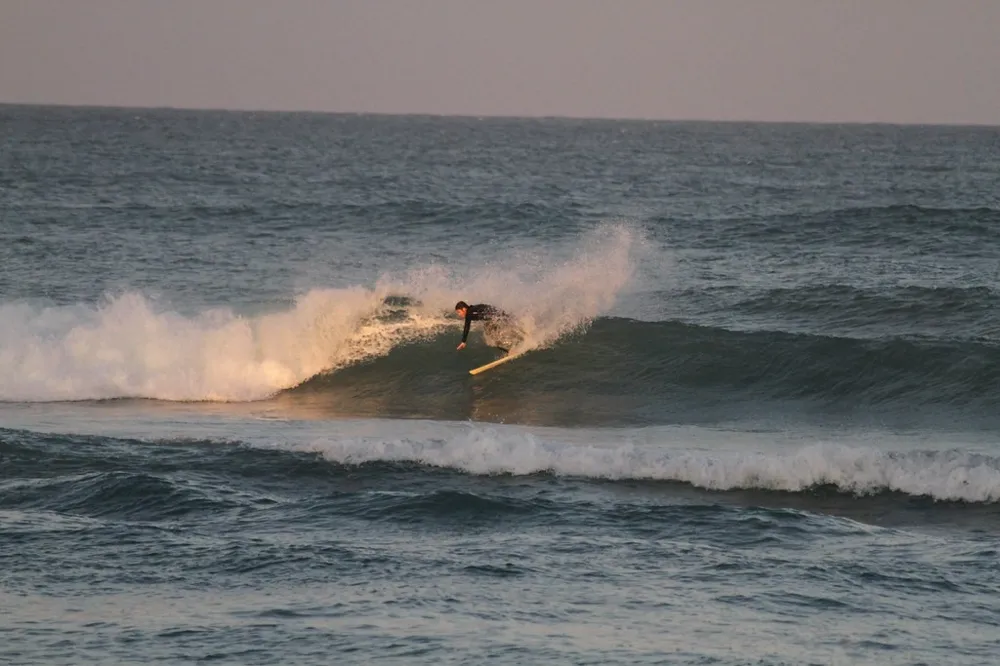
Surfing has real risks even in daylight, as our is surfing dangerous guide explains. Darkness makes several of them worse:
- You can't read the ocean. Sets, closeouts and wave size are hard to judge, and you may only see a wave when it's a few feet away.
- Hidden hazards. Rocks, reef, sandbars, pilings, kelp and floating debris are hard or impossible to spot.
- Rip currents are invisible. The usual signs, such as a dark gap in the waves or a line of foam heading out, depend on daylight. Read our rip currents guide and know how to escape one before you go.
- No lifeguards. Guarded beaches are the safest places to be in the water, but towers are normally empty after dark, so you are on your own.
- Harder rescues. A surfer who is knocked out, separated from their board or swept out is hard to see from shore or from the water.
- Collisions. Other surfers and loose boards are hard to see, so keep your distance and talk to each other.
- Cold and fatigue. Air temperatures drop after sunset, and you tire faster when you're straining to see.
The honest answer: night surfing is reasonable for experienced surfers in small, familiar, well-lit conditions with a buddy. It's a poor idea for beginners, for solo sessions, for heavy surf and for spots you don't know.
Sharks, Twilight and Darkness: What the Science Says
Shark bites are rare, and fear shouldn't be the main reason to avoid the water. The International Shark Attack File (ISAF) at the Florida Museum of Natural History records only a few dozen unprovoked bites worldwide in a typical year; our is surfing dangerous page has the latest figures. That said, time of day is one of the few things you can control.
- Darkness and twilight: the Florida Museum's risk-reduction advice says to avoid being in the water during darkness or twilight hours, when sharks are most active and have a competitive sensory advantage. This is the same "avoid dawn and dusk" advice surfers often hear.
- The moon: researchers from LSU and the University of Florida studied ISAF records from 1960 to 2015 and found more bites than average during fuller moon phases and fewer during darker ones (published in Frontiers in Marine Science). Because most bites happen in daylight, they don't think sharks simply see better under the moon, and they say it is too early to show lunar light is a cause. Treat it as an interesting pattern, not a rule.
- Bleeding: the museum advises not entering the water with an open wound, because sharks have an acute sense of smell. If you cut yourself on a fin or reef, get out.
- Groups: the museum also says to stay in groups, since sharks are more likely to bite a solitary person. That lines up with the number one night-surfing rule anyway: never go alone.
- Shiny objects: it discourages shiny jewelry, because reflected light can resemble fish scales.
Some surf writers also suggest that bright clothing or board lights might draw curious sea life after dark. That isn't established science, but it's one more reason to keep lights modest. Follow any local shark advisories or beach closures, and skip spots with baitfish, fishing or seals nearby.
Moon Phase, Tides and Weather
Light is everything at night, so plan around the moon and the forecast.
Moon Phase and Position
Night surfers generally aim for a full or nearly full moon on a clear night, plus the few nights around it. Position matters as much as phase. A surf writer for The Inertia described a bright supermoon session where the moon sat low over the land behind the beach and the ocean looked like a black void, with waves visible only a few feet away; a later session with the moon higher, shining on the water, made waves far easier to read. Waves are easiest to see when moonlight reflects off the water in front of you.
Spring Tides
Full and new moons bring spring tides. According to NOAA, the sun and moon line up at those times, so high tides are higher and low tides lower than average. About a week later, at the quarter moons, neap tides bring a smaller range. A big full-moon tide can change a break quickly, drain a reef or sandbar or push waves up against rocks or a seawall, so check the tide chart for the exact hours you plan to surf.
Clouds, Fog and Wind
Cloud cover can turn a full moon into near-total darkness, and fog makes waves impossible to see. Check the marine forecast for cloud, fog, wind, swell and water temperature, and choose a small, clean, predictable swell. Our how to read a surf forecast guide explains swell, wind and tide charts.
Where to Surf at Night: Lit Beaches, Piers and Wave Pools
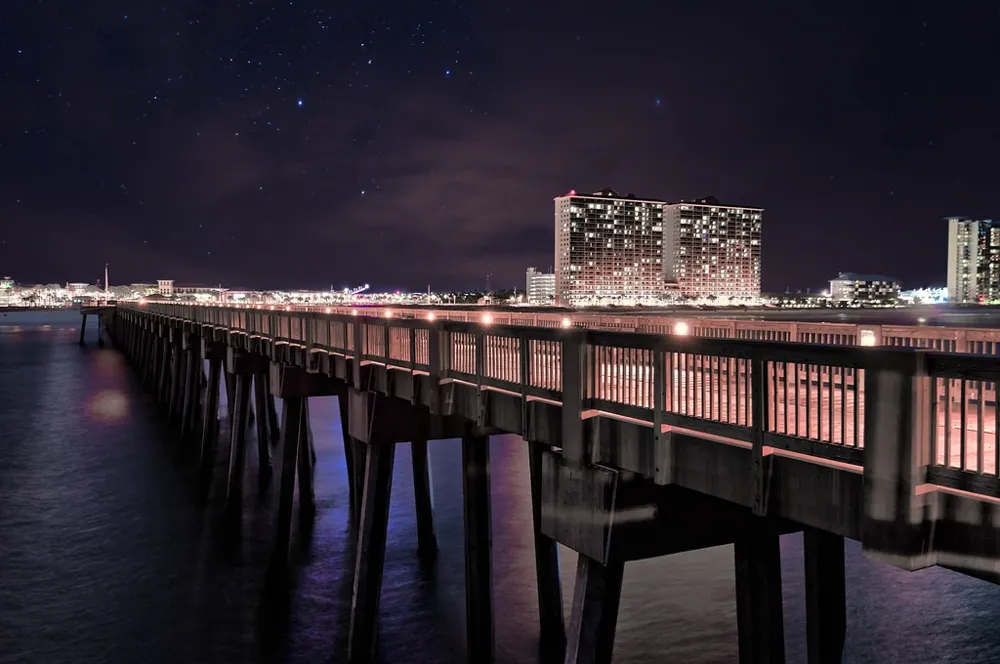
Artificial light makes night surfing far more practical than relying on the moon alone.
Lit Beaches and Piers
Piers are often well lit, and surfers use the glow on the water to see sets when the moon is dim. Beachfront buildings, boardwalks and street lights can help too. Be careful, though: pilings are hazards, rip currents often form beside piers and jetties, and some beaches restrict surfing close to a pier. Check the local rules and stay well clear of the structure.
Wave Pools and Surf Parks
Wave pools are the most controlled way to try night surfing: lit water, known waves, no rips and staff on site. Wave-pool maker Wavegarden staged a lit night session with pro surfers at its test facility in the Basque Country in 2018, and Wave Pool Mag reported that operators liked the idea because lights let parks stay open longer. Some parks, including Alaïa Bay in Switzerland, have since run late-evening sessions, often as one-off events rather than a fixed schedule. Offerings change often, so check each park's own calendar (as of November 2026). Our surf parks and wave pools guide lists where you can surf a pool in the US.
Choosing an Ocean Spot
- A beach you've surfed many times by day, so you know the bottom, the peaks and the channels.
- An easy paddle-out and an easy exit, with few rocks or obstacles.
- Gentle, predictable waves, ideally a sandy beach break or a forgiving point.
- Known rip currents you can avoid, and a clear path to help if you need it.
Night Surfing Gear: Lights, Leash and Wetsuit
| Gear | Why It Helps | Tips |
|---|---|---|
| Leash | A lost board is hard to find at night and leaves you swimming in the dark | Check the cord and swivel before every session; see our surfboard leash guide |
| Waterproof board light | Lets your buddy and people on shore see where you are | Some surf parks suggest LEDs on the board's nose; keep it modest |
| Body or helmet light | Makes you easier to spot, especially if you lose your board | Very bright lights can wreck your night vision; some surfers prefer red light |
| Reflective tape or panels | Catches a beam from shore or from another light | Add it to your board's deck or tail and your wetsuit |
| Warmer wetsuit | Evening air is colder and fatigue sets in sooner | Some surf schools suggest 1 to 2 mm thicker than your daytime suit; see best wetsuits |
| Whistle | Carries farther than your voice if you need help | Clip it to your wetsuit |
| Phone and light on shore | For emergencies and getting back to the car | Leave it with your shore contact or in a dry bag |
Lights are mostly about being seen, not about lighting the waves. A small light rarely reaches far enough to show an approaching set, and staring into a bright beam slows your eyes' adjustment to the dark. Look for gear rated waterproof (not just water-resistant), and charge everything before you leave. Divers deal with the same issues; our dive lights guide explains waterproof ratings and backup lights.
Surfing Bioluminescent Waves
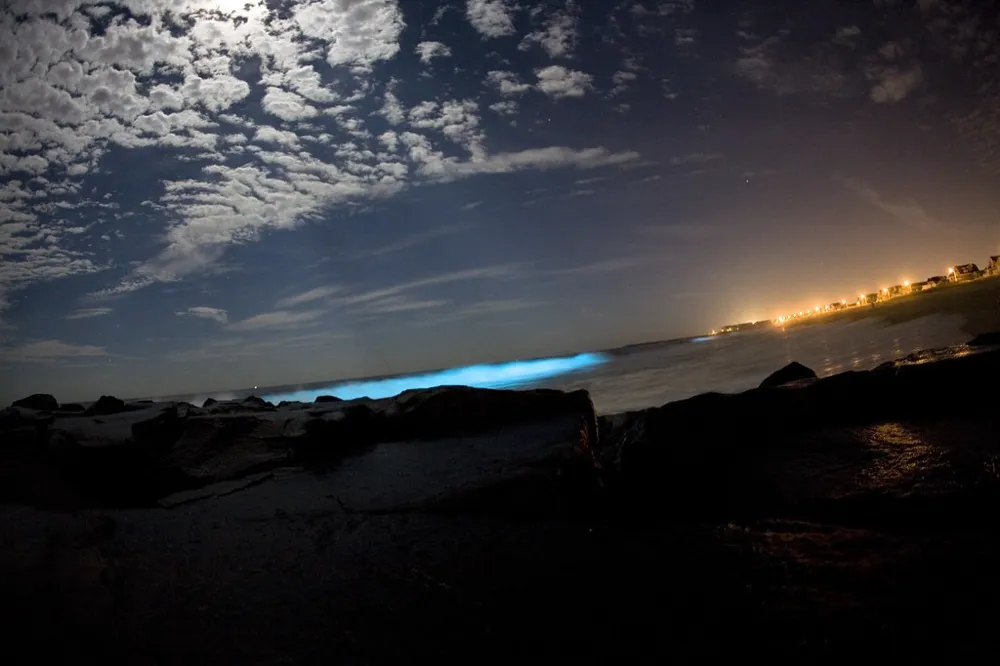
On some nights, breaking waves glow electric blue. In Southern California the usual cause is a red tide of the plankton Lingulodinium polyedra. According to Scripps Institution of Oceanography, these cells turn the water reddish-brown by day and give off a neon-blue glow at night when waves stir them up, which scientists think helps them avoid predators. Surfers have been filmed riding glowing waves during these events.
- They're unpredictable. Scripps said in 2020 that scientists couldn't yet forecast when red tides would occur or how long they would last. Past blooms have lasted days, weeks or more than a month. The 2020 bloom stretched from Baja California to Los Angeles.
- Water quality. For that 2020 Southern California bloom, Scripps said there was no public health warning tied to the red tide, but the water held more organic matter and microbial activity, and some people are sensitive to the air near a bloom. Other algae blooms in other places can be harmful, so check local health and beach water-quality advisories before going in.
- Darkness required. Scripps says the glow is best seen from a dark beach at least two hours after sunset, which means all the usual night-surfing risks apply.
If you hear about a glow, treat it like any night session: a familiar spot, small waves and a buddy.
How to Read Waves in the Dark
With limited sight, night surfers use other cues:
- Watch from shore first. Spend time on the beach watching where sets break and how long the lulls last. Use the same landmarks you'd use by day.
- Listen. The sound of waves breaking farther out tells you a set is coming before you can see it.
- Feel the water. You'll often feel your board lift and the water draw back toward an incoming wave.
- Use reflections. Moonlight or pier light catching a wave face shows its shape and size.
- Sit a little wider. Stay slightly inside or to the side of the main peak, take smaller waves, and don't try to fit in more sets than you can see.
Expect to catch fewer waves than usual, and pick familiar maneuvers over new ones. If you're still building basics, our how to surf guide is the place to start.
Beach Rules, Hours and Lifeguards
There's no single law on night surfing. Rules come from cities, counties, states, park agencies and private landowners, and they vary widely. Some beaches, parks and parking lots close at night or post opening hours; others stay open, sometimes with restrictions on parking, fires or access points. Wave pools set their own session rules.
- Read the posted signs at the access point and check the city, county or park website before you go.
- Remember that lifeguard towers are generally unstaffed after dark, and a missing warning flag doesn't mean the water is safe.
- Respect neighbors and wildlife: keep noise and lights down, and don't use high-powered beams aimed at homes or nesting areas.
- Follow normal surf etiquette, and call out to other surfers so they know where you are.
Local rules can change, so check current conditions and regulations each time (last checked November 2026). This isn't legal advice.
Night Surfing Safety Checklist
- Experienced surfers only, at a spot you know well in daylight.
- Never surf alone. Agree on calls and stay within earshot of your buddy.
- Tell someone on shore where you're surfing and when you'll be back.
- Check the moon, tide, cloud, fog, wind and swell, and choose small, clean waves.
- Know the rip currents at your spot and how to escape one.
- Wear a leash and carry a whistle; add a modest light or reflective tape so you can be seen.
- Dress warmer than you would in the day.
- Get out if you're bleeding, and avoid areas with fishing, baitfish or shark warnings.
- Set a time limit and leave while you still have energy.
- If in doubt, don't go out. Skipping a session costs nothing.
Ride on land instead? Our skateboarding at night guide covers lights and safety for after-dark skating. For more on the sport, visit the surfing hub.
Frequently Asked Questions
Is it safe to surf at night?
It's riskier than surfing in daylight. You can't see waves, rocks or rips well, lifeguards are usually off duty, and a rescue is much harder. Experienced surfers who know the spot, go with a buddy, pick small waves and use bright moonlight or artificial light reduce the risk, but they don't remove it.
Are sharks more active at night?
The Florida Museum's shark experts advise avoiding the water during darkness or twilight, when sharks are most active and have a sensory advantage. A study of International Shark Attack File records from 1960 to 2015 also found more bites during fuller moon phases, though the authors say this does not prove the moon is a cause.
Is a full moon good for night surfing?
It's the most popular time, because a full or nearly full moon on a clear night lights the water best. The moon's position matters too: when it is low behind you or hidden by clouds or fog, waves can be almost invisible. Full and new moons also bring spring tides, with higher highs and lower lows.
Can you surf in a wave pool at night?
Some surf parks run lit evening or late-night sessions, often as special events rather than a regular schedule. Check each park's own calendar for current dates and rules.
Can you surf bioluminescent waves?
People do surf glowing waves during some red tides, such as the Southern California blooms of the plankton Lingulodinium polyedra. The glow is unpredictable, and blooms change water quality, so check local health advisories before going in.
Is night surfing legal?
There's no single rule. Some beaches, parks and parking lots close at night or post set hours, while others allow access. Check the posted signs and the city, county or park rules for the exact beach.