Flying After Scuba Diving: Safe Wait Times Explained (2026)
Flying too soon after a dive raises your risk of decompression sickness. Here's how long DAN and the CDC say to wait, why it matters and how to plan the last days of a dive trip.
How Long Should You Wait to Fly After Scuba Diving?
The short answer: at least 12 hours after a single no-decompression dive, and at least 18 hours after multiple dives in a day or multiple days of diving. Those are the minimum preflight surface intervals from the Divers Alert Network (DAN), and the CDC repeats them in its travel health guidance. After dives that needed decompression stops, wait substantially longer.
These are minimums, not targets. DAN says the recommendations "should reduce the DCS risk associated with flying after diving but do not guarantee avoidance of DCS," and longer waits lower the risk further.
This guide is general information, not medical advice. If you have any symptoms after diving, don't fly. Call emergency services first for a serious case (911 in the US), then the Divers Alert Network (DAN) Emergency Hotline at +1-919-684-9111, available 24 hours a day.
DAN Flying After Diving Guidelines
DAN's guidelines came from a 2002 workshop that reviewed years of chamber trials funded by DAN. They apply to recreational air dives followed by flights at cabin altitudes of 2,000 to 8,000 feet, for divers with no symptoms.
| Diving You Did | Minimum Wait Before Flying (DAN) | CDC Wording |
|---|---|---|
| A single no-decompression dive | 12 hours | 12 hours or more after surfacing |
| Multiple dives in a day, or multiple days of diving | 18 hours | 18 hours or more |
| Dives needing decompression stops | Substantially longer than 18 hours | 24–48 hours |
A few things to know about these numbers:
- The clock starts when you surface from your last dive, not when you finish your last dive day.
- Most vacation diving falls in the 18-hour row. Two boat dives in a morning, or one dive a day for a week, both count as multiple dives.
- The trials used dry, resting volunteers in a chamber. DAN notes that longer intervals might be needed for divers who were in the water and exercising, which is every real diver.
- Decompression, heliox and trimix dives fall outside these recreational numbers. DAN's workshop summary simply says "substantially longer than 18 hours" for them, so follow your technical training and plan conservatively.
You may see older numbers online. Earlier advice used 12, 24 and 48 hours depending on the dive profile, and DAN once proposed a flat 24 hours before the current guidelines replaced it.
Why You Can't Fly Right After Diving
At depth you breathe air at higher pressure, and your body absorbs extra nitrogen. On a slow, controlled ascent most of it leaves through your lungs, but some stays dissolved in your tissues for hours after the dive. That leftover nitrogen is why the bends can still happen after you're back on land.
An airliner doesn't keep you at sea-level pressure. The CDC says commercial cabins are pressurized to the equivalent of about 6,000–8,000 feet above sea level. Climbing to that cabin altitude acts like a further ascent at the end of your dive, so remaining nitrogen can come out of solution and form bubbles. The CDC puts it plainly: the risk of decompression sickness increases when divers ascend to altitude too soon after a dive.
Flying is also a bad place for symptoms to start. There's no recompression chamber on a plane, and treatment waits until you land. The same pressure physics explains depth limits and the safety stop at the end of every dive.
Small Planes, Seaplanes and High-Altitude Airports
DAN's guidelines are built around cabin altitudes between 2,000 and 8,000 feet. Outside that range there's less data:
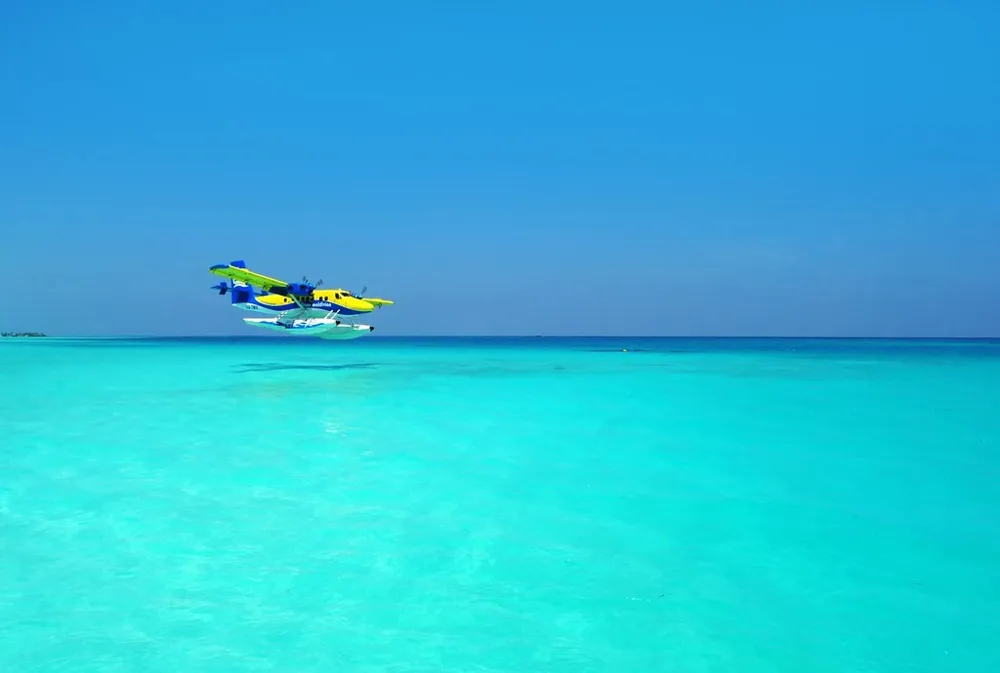
- Unpressurized planes such as seaplane transfers and island hoppers expose you to whatever altitude they fly at. Ask how high the flight goes and treat it as a flight if it rises above about 2,000 feet, the CDC's threshold.
- Flights to airports above 8,000 feet, or flights where the cabin may go higher, call for more caution. DAN Southern Africa suggests at least doubling the recommended times in that case, for example 24 hours instead of 12 or 36 hours instead of 18.
- Scenic helicopter or plane tours on your last day count as altitude exposure too, so schedule them before your dives, not after.
Driving to Altitude After Diving
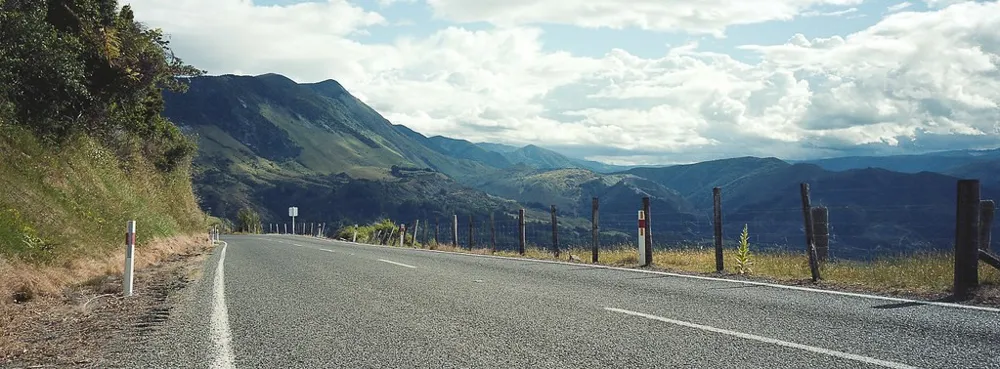
You don't need a plane to get into trouble. DAN warns that "any postdive ascent to a higher altitude – even using ground transportation – increases your decompression stress." The CDC says divers without symptoms should wait before any altitude exposure above about 2,000 feet (610 meters).
In an Ask DAN column, DAN explains that the flying guidelines also apply to driving or hiking to elevations of 2,000 to 8,000 feet. It uses Hawaii as an example: you can drive from the coast to high elevation on Mauna Kea's saddle road in one to two hours, which isn't enough time for a recent diver's body to adjust.
Plan mountain drives, volcano tours and high passes the same way you plan your flight home. If you're diving at a lake that's already at altitude, you need altitude diving training and tables or a computer set for it, which is a separate topic from flying.
Using Your Dive Computer's No-Fly Time
Most modern dive computers show a no-fly or desaturation countdown after a dive, based on your actual dive history. It's a useful check, but treat it as one input, not a permission slip:
- Use the longer of the two: your computer's no-fly time or the DAN minimum for the diving you did.
- Use the same computer for every dive on a trip. A rental computer that has been used by other divers, or swapped mid-trip, won't know your full nitrogen history.
- Read the manual before you travel so you know how your model calculates and displays its no-fly time.
Flying Before Diving
Flying to your dive destination is not a decompression problem in the same way. The CDC notes that "there are no guidelines for diving after flying." A flight doesn't load your tissues with extra nitrogen the way a dive does.
A long trip can still affect your first dive. The CDC advises waiting long enough to acclimate mentally and physically before diving. DAN suggests carrying water on the plane to prevent dehydration and skipping the dive if you notice signs such as dark urine. Many divers plan an easy first day or a check-out dive after a long-haul flight. It's also worth knowing before you go whether there's a recompression chamber near your destination, as the CDC recommends.
Flying After Freediving and Snorkeling
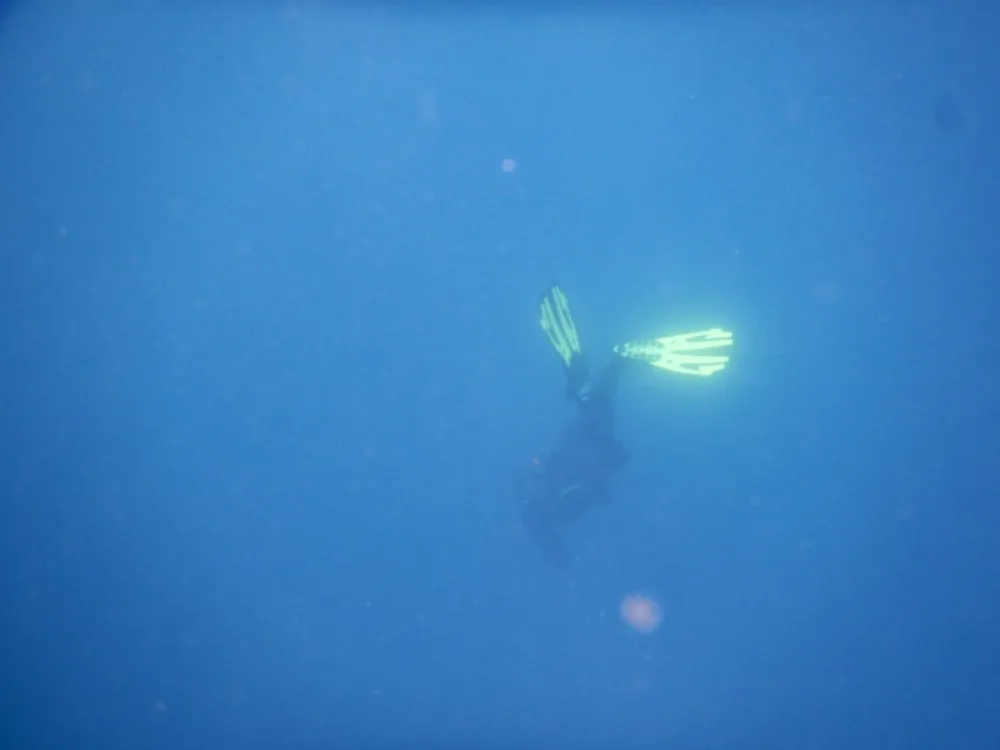
DAN's flying-after-diving guidelines were written for scuba dives on compressed air. Breath-hold diving is different: you only take down the air in your lungs, so the nitrogen load from a single dive is small.
- Surface snorkeling doesn't cause the bends, so it needs no wait before a flight.
- Deep, repeated freedives are another matter. Decompression sickness is rare in breath-hold divers, but PADI notes it can happen after many repeated deep freedives. A PADI article suggests avoiding flying for 18 to 24 hours after deep freedives, and notes that longer is better.
- Mixing scuba and freediving on one trip: the same PADI article suggests waiting 12 hours before freediving after one scuba dive and 18 hours after deep or repetitive scuba dives. Your flight wait is still set by the scuba diving you did.
See scuba diving vs freediving for how the two compare, or start with how to freedive.
How to Plan the End of a Dive Trip
Most no-fly problems come from booking the flight first and the dives second. A few simple habits make it easy:
- Count back from takeoff. For an 8 a.m. flight after multiple days of diving, your last dive needs to end by 2 p.m. the day before to meet the 18-hour minimum. Finishing earlier gives you a margin.
- Keep the last full day dive-free. Many divers use it for snorkeling, packing and rinsing gear, which also gives wetsuits time to dry before you pack them.
- Do deep dives early in the trip and keep the last diving day shallower and easier.
- Don't push limits on the final day. Ascend slowly, make your safety stop and stay well inside your computer's limits.
- Stay hydrated and rested between your last dive and the flight, and be honest with yourself about how you feel.
- Check your liveaboard schedule. Compare the time of the last scheduled dive with your flight before you book.
Choosing your trip? Our guides to beginner dive destinations and the best dive destinations can help, and is scuba diving dangerous? covers the other common risks.
Symptoms to Watch for After Diving and Flying
According to DAN, decompression sickness symptoms usually appear between 15 minutes and 12 hours after a dive, and can start up to 24 hours later. Flying can bring them on, so watch for them during and after the trip home:
- Aching pain in the joints, limbs or back, often worse with movement
- Unusual tiredness, itching or a blotchy skin rash
- Numbness, tingling or weakness
- Dizziness, vertigo, headache or confusion
- Shortness of breath or coughing
Don't explain symptoms away as sore muscles or jet lag. Our guide to what the bends is covers the causes and warning signs in more detail.
What to Do If You Have Symptoms
The CDC says divers with symptoms should be evaluated before any flight or ascent to altitude, and a diagnosis of decompression illness generally needs treatment before you fly. These steps follow DAN and CDC first-aid guidance. They don't replace medical care.
- Don't board the flight or drive into the mountains if you have symptoms before you leave.
- Call emergency services first for a serious case (911 in the US, or the local emergency number), then the DAN Emergency Hotline at +1-919-684-9111. The CDC notes DAN offers 24-hour emergency consultation and evacuation assistance and accepts collect calls.
- Breathe 100% oxygen as soon as possible if someone trained and equipped is there. On a plane, tell the cabin crew.
- Get a medical evaluation as soon as you land, even if symptoms fade.
- Don't fly or dive again until a doctor familiar with diving medicine clears you.
Frequently Asked Questions
Can I fly 24 hours after scuba diving?
For recreational no-decompression diving, 24 hours is longer than the DAN minimums of 12 hours after a single dive and 18 hours after multiple dives or multiple days. After dives that needed decompression stops, the CDC suggests 24–48 hours, so check your dive computer and allow more time if you can.
Can I fly 12 hours after diving?
Only after a single no-decompression dive, which is DAN's minimum for that case. If you made more than one dive in a day or dived on several days, the minimum is 18 hours.
Is it OK to fly before scuba diving?
Yes. The CDC notes there are no guidelines for diving after flying, since a flight doesn't add the nitrogen load a dive does. Rest and rehydrate after a long trip before your first dive.
Can I go snorkeling before a flight?
Ordinary snorkeling at the surface doesn't cause the bends, so it doesn't need a no-fly wait. Deep, repeated breath-hold dives are different, and a PADI article suggests avoiding flying for 18 to 24 hours after deep freedives.
Does a pressurized plane cabin make it safe to fly after diving?
No. The CDC says airliner cabins are pressurized to the equivalent of about 6,000–8,000 feet, so a flight is still a drop in pressure compared with sea level.
Can I drive up a mountain after diving?
Treat it like flying. The CDC says divers should wait before any altitude exposure above about 2,000 feet, and DAN notes that ground transportation to altitude also increases decompression stress.
What should I do if I feel symptoms on a flight after diving?
Tell the cabin crew, breathe oxygen if it is offered, and get a medical evaluation as soon as you land. Call the DAN Emergency Hotline at +1-919-684-9111 for diving-medicine advice, and don't fly again until a doctor clears you.