Artistic Roller Skates From First Spins to Competition (2026)
Five quad and inline skates for rink, dance and figure skating, plus the boot, plate, toe stop and wheel choices that separate artistic skates from the rest.
What Makes a Roller Skate "Artistic"?
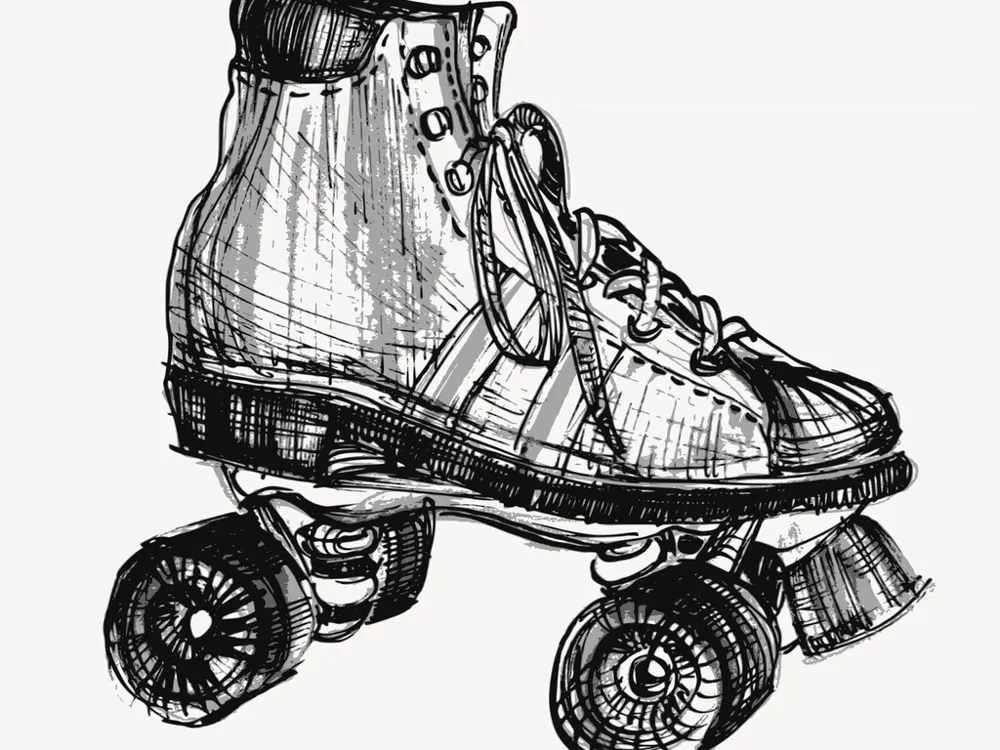
Artistic roller skating is figure skating on wheels: jumps, spins, footwork and dance set to music on a smooth rink floor. The skates look like ordinary rink quads at first glance, but the details are tuned for that work. A high, supportive boot holds the ankle on landings and edges. A responsive plate, often with a jump bar, lets the skate turn and spin. A toe stop is set up for footwork and take-offs rather than just braking. Hard indoor wheels roll fast on wood or coated floors. Below are five skates that cover first lessons through inline figure skating, plus a guide to the custom boot-and-plate setups competitive skaters move to. For general-purpose quads, see our best roller skates guide.
Candi GRL Carlin
Best first artistic quad
- Suede boot with suede lining
- Aluminum chassis
- Listed for beginning and intermediate skaters
Chicago Classic Quad Skate
Best traditional rink skate
- High-top rink pattern boot
- Aluminum plate with jump bar
- 5/8" adjustable toe stop
Jackson Atom Ultima Finesse
Best inline figure skate
- Jackson Ultima Finesse boot
- Steel frame
- Bionic XS stopper
Artistic Roller Skates Compared
| Skate | Type | Boot | Plate or Frame | Wheels (Listed) | Best For |
|---|---|---|---|---|---|
| Candi GRL Carlin | Quad | Brushed suede, suede lining | Aluminum chassis, PU cushions | Kemistry Glide 65mm all-purpose | First artistic and freestyle skate |
| Chicago Classic Quad Skate | Quad | Vinyl, high-top rink pattern | Aluminum, double adjustable trucks, jump bar | 60mm urethane | Traditional rink and lessons |
| Jackson Atom Ultima Finesse | Inline | Jackson Ultima Finesse figure boot | Steel frame | Atom Protege | Inline figure skating |
| Riedell Boost | Quad | Vinyl, high cut | Check listing | Indoor | Rink rhythm and dance skating |
| Candi GRL Sabina | Quad | Synthetic high-top | Lightweight high-impact chassis | 56 x 33mm urethane | Budget freestyle; smaller wheels |
Specs are taken from the Amazon listings as of November 2026. Listings change, so check the boot size range, plate and wheel details before you order.
The Best Artistic Roller Skates
1. Candi GRL Carlin
The Carlin is sold as a quad freestyle artistic skate. Its listing describes a brushed suede boot with a real suede lining and padding, good ankle support, an aluminum chassis with PU cushions, and Kemistry Glide 65mm all-purpose wheels with Bevo Silver-5 bearings. It is listed for beginning and intermediate skaters and fits true to women's shoe sizes; the black DriftR version fits true to men's sizes. The 65mm wheels are taller than typical freestyle competition wheels, which makes the skate more forgiving on mixed floors, and you can swap to smaller, harder indoor wheels later.
Good to Know
- Aluminum chassis rather than nylon
- Women's and men's (DriftR) sizing options
- All-purpose wheels work indoors and out
Watch Out For
- Wheels are larger than freestyle competition sizes
- Not a stiff competition figure boot
2. Chicago Classic Quad Skate
A classic rink skate in the traditional artistic shape. Chicago lists a high-top rink pattern boot in vinyl with eyelets and speed hooks, an aluminum base plate with double adjustable trucks, a jump bar and a 5/8-inch adjustable toe stop. It rolls on 60mm urethane wheels with 608Z bearings. Youth and adult sizes are listed. The jump bar and adjustable toe stop make it a sensible lesson skate for children and adults starting at a rink program.
Good to Know
- Jump bar adds plate rigidity
- Standard 5/8" toe stop is easy to replace
- Youth and adult sizes
Watch Out For
- Vinyl boot gives less support than a figure boot
- Semi-precision 608Z bearings; many skaters upgrade
3. Jackson Atom Ultima Finesse
This is the inline figure skate many people search for as "figure skating rollerblades". The listing names a Jackson Ultima Finesse boot, a lightweight steel frame from Jackson, Atom Protege wheels, Bionic ABEC-7 bearings and a Bionic XS stopper at the toe. The boot follows a figure-skate style, which makes it a natural off-ice option for figure skaters. It is listed as a women's skate; check Jackson's size chart, as figure boots often size differently from street shoes.
Good to Know
- Figure-style boot on an inline frame
- Toe stopper for jumps and footwork
- Good off-ice option for ice figure skaters
Watch Out For
- Women's sizing only on this listing
- No heel brake; stopping is learned with the toe stopper and edges
4. Riedell Boost
Riedell describes the Boost as an indoor quad and a rhythm and dancing skate. The listing notes a hand-made vinyl boot that molds to the foot, an easy lace system and padded tongue, a high cut for ankle support and ABEC-5 steel bearings. It is a good fit for rink dance and rhythm skaters who want an indoor skate from a long-established maker without going to a custom setup.
Good to Know
- Built for indoor rink skating
- Unisex sizing in a black boot
Watch Out For
- Indoor wheels; not for pavement
- Check the plate and wheel specs on the listing
5. Candi GRL Sabina
A colorful high-top freestyle skate. The listing gives a synthetic boot with good ankle support, a lightweight high-impact chassis with PU cushions, 56 x 33mm urethane wheels and Bevo Silver-5 bearings, and says it fits true to women's whole sizes. Its small wheels sit close to the 55–57mm freestyle range, which suits spins and footwork. It also appears in our best roller skates roundup as an all-round pick.
Good to Know
- Small wheels suit spins and footwork
- Suitable for all ages, per the listing
Watch Out For
- High-impact chassis rather than aluminum
- Synthetic boot is not a competition boot
Artistic vs Dance vs Recreational Skates
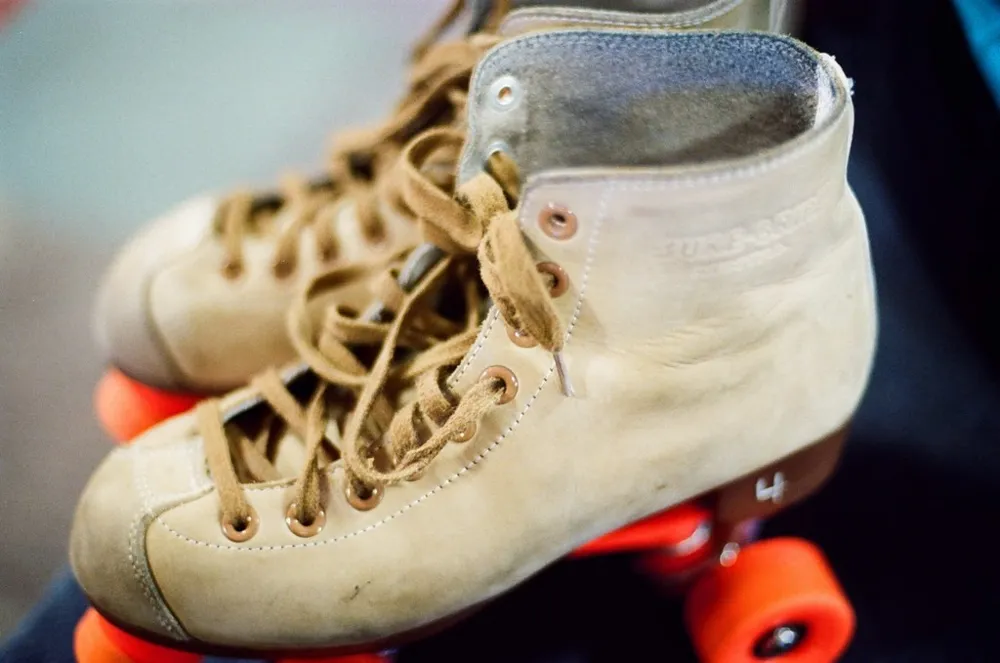
"Artistic" covers several styles, and the ideal skate changes with each one:
| Style | Boot | Toe Stop | Typical Wheels |
|---|---|---|---|
| Freestyle (jumps and spins) | Stiff, high boot for landings | Yes, used for footwork and take-offs | Small and hard, about 55–57mm |
| Dance (solo and couple) | The softest of the artistic boots, for knee and ankle bend | Often small or set low | About 62mm |
| Figures (tracing circles) | Supportive, precise fit | Varies | About 60–63mm |
| Rink rhythm and jam dance | Softer high or mid boot | Small stop or a jam plug | Hard indoor wheels |
| Recreational | Padded, comfortable | Large adjustable stop | Softer, often outdoor |
Wheel sizes for freestyle, dance and figures follow the typical heights listed in Wikipedia's article on artistic roller skating; boot stiffness by discipline comes from the same source. European retailer Decathlon notes that dance-oriented skates combine a high top, a low heel and a lower toe stop for dance movements. Roller dancing in the disco and jam tradition is its own culture, not the same thing as artistic competition, though the skates overlap. Hockey and derby skates go the other way, with lower cuts for mobility; compare them in our roller derby skates guide.
How to Choose Artistic Roller Skates
Boot Height and Stiffness
Artistic boots are cut high. Stiffness is the big choice. A stiff boot locks the ankle for jumps and spins and is what freestyle skaters use. A softer boot allows the deep ankle bend that dance needs. Beginners usually do best in a moderately supportive boot: stiff enough to hold the ankle upright, soft enough to bend into a glide. Boots were traditionally leather; many current boots use synthetics. Leather and suede tend to mold to the foot, while vinyl is easier to care for. If you skate jumps several times a week, a soft recreational boot will break down quickly and stop supporting you.
Plates
The plate is the chassis under the boot. Aluminum plates are stiffer and more durable than nylon, and artistic plates are almost always metal at higher levels. A jump bar (support bar) links the front and back of the plate and adds rigidity, which helps on landings. Most current skates use double action trucks with two cushions per truck, which lets you tune how freely the skate turns. Dance skaters often prefer a more angled kingpin; UK shop Double Threat describes 20-degree plates as traditional dance plates. Artistic skaters also tend to use a short mount, with the front axle behind the ball of the foot, for quicker footwork. Our roller skate parts guide explains kingpin angles, cushions and mounting in detail.
Toe Stops
Free skaters keep a toe stop on the plate and use it for footwork, toe moves and some jump take-offs, so it needs to be firm and set at a consistent height. Adjustable stops on a 5/8-inch stem are the easiest to replace and tune. Short stems give more clearance with small freestyle wheels; long stems pair with taller wheels. Dance skaters often run a lower or smaller stop, and some rhythm skaters swap it for a jam plug, which is not a brake. Non-marking materials matter at rinks, and Decathlon notes its dance skate's PU stop is designed not to mark floors. Learn the basics in how to stop on roller skates.
Wheels for Indoor Floors
Artistic skating happens on smooth indoor floors, so wheels are hard. Rink wheels generally start around 95A, and many competition artistic wheels are rated on the Shore D scale, which measures harder materials than the A scale. French skate site Roller en Ligne gives the Komplex Angel HD43 as an example of a D-rated artistic wheel and notes that the right hardness depends on the floor (concrete, terrazzo-style granito or wood), the skater's technique and weight. Hard wheels roll faster but grip less; softer wheels grip more. Mixing hardnesses between front and back or inside and outside wheels is common in artistic and dance skating. Smaller wheels (55–57mm) are lighter for spins; larger wheels (about 62mm) carry dance edges. For outdoor sessions, swap to soft wheels from our outdoor roller skate wheels guide.
Bearings
Package skates such as the Chicago Classic use 8mm (608) bearings. Wikipedia notes that quad artistic skates typically use 7mm bearings, which is why many competition plates have 7mm axles, while most inline skates use 8mm. The two sizes share an outside diameter but are not interchangeable on the axle, so check your plate before buying new bearings.
Beginner vs Advanced Setups
| Stage | Typical Setup | What to Look For |
|---|---|---|
| First lessons | Package high-top quad (boot and plate sold together) | Aluminum plate if possible, adjustable 5/8" toe stop, hard or all-purpose wheels |
| Club and test level | Better package or a first custom setup | Stiffer boot, metal plate with jump bar, discipline-specific wheels |
| Competition | Separate figure boot, artistic plate and wheels, mounted by a shop | Boot stiffness matched to discipline, plate chosen with a coach, wheel hardness matched to the floor |
Competitive artistic skaters rarely buy complete package skates. Instead they choose a figure boot, an artistic plate and wheels separately and have a specialist shop mount them. Boot makers sold this way include Edea and Risport. Plates include Roll-Line models such as the Mirage and Variant, and Boiani's Star line. Roll-Line also makes artistic wheels such as the Boxer (sold in 57mm) and the Giotto. These are mostly sold through specialist figure and artistic skate shops rather than Amazon, and shops typically group them by level (intermediate, pre-competition and advanced). A coach is the best guide to when you are ready to move up and which boot stiffness suits your jumps.
Inline Figure Skates ("Figure Skating Rollerblades")
Inline figure skates put a figure-style boot on an inline frame with a toe stopper at the front and no heel brake. They let ice figure skaters train jumps and spins off the ice, and they are their own competitive category: Wikipedia notes that inline figure skating has been part of the World Championships since 2002, with quad and inline skaters usually competing separately. Look for:
- A real figure boot with a high, stiff collar, not a recreational inline shell.
- A metal frame, aluminum or steel, sized to the boot. Roll-Line's Linea is one inline artistic frame sold by specialist shops.
- A replaceable toe stopper at the front for take-offs.
The Jackson Atom Ultima Finesse above is the most widely available option on Amazon. Inline sizing and fit follow the same heel-lock rules as other inline skates; see our roller skate size chart. If you are comparing the two sports, read roller skating vs ice skating.
How Artistic Skates Should Fit
Artistic skates fit snugly. Your heel should stay locked in the back of the boot with no lift when you rise onto your toes, and your toes should be close to the front without curling. A loose boot makes spins and landings harder to control. Sizing differs by brand and between men's and women's charts, so measure your foot and use the maker's chart rather than your shoe size. Candi GRL lists the Carlin as true to women's sizes, for example, while figure boots may follow their own size charts. Our size chart covers measuring at home.
Artistic Roller Skating as a Sport
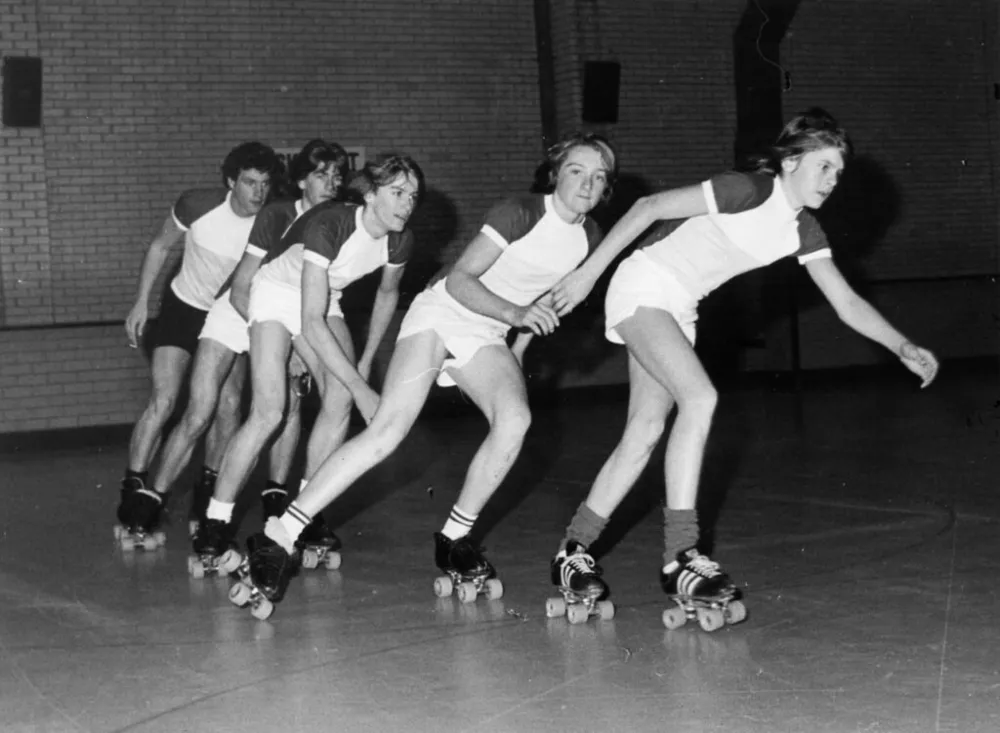
Artistic roller skating is a competitive sport similar to ice figure skating, governed internationally by World Skate. It is not an Olympic sport. World Skate's artistic program lists these specialties:
| Specialty | What It Involves |
|---|---|
| Free Skating | Jumps, spins and footwork in a program set to music (ladies and men) |
| Pairs | Two skaters performing a free skating program together |
| Solo Dance and Couple Dance | Dance to music; Wikipedia lists compulsory, style and free dance among its forms |
| Quartets and Show | Group performances: quartets of four skaters, plus small and large show groups |
| Precision | Synchronized team skating; Wikipedia lists 12–24 skaters on senior teams |
| Inline | Inline figure skating, with a short and a long program |
In figures, skaters trace painted circles on the floor; the official plain circle is 6 meters across. As of November 2026, World Skate's artistic pages list a 2026 Artistic World Cup Final in Cesena, Italy, and the 2026 World Skate Games in Asunción, Paraguay. In the US, USA Roller Sports is the national organization for roller sports, including artistic skating; check its site or your local rink for clubs and lessons. Ice skaters have long crossed over, and roller skating is often described as harder in some ways because skates are heavier and wheels have no deep ice edge for take-offs.
Safety Gear and Learning
Artistic skaters fall a lot while learning jumps and spins. Wrist guards and knee pads are worth wearing in early sessions, and a certified helmet is a sensible choice for anyone learning jumps; rink and club rules vary, so check what your program requires. Learn forward and backward skating, stops and edges before jumps: our how to roller skate and how to skate backwards guides cover the basics, and roller skating tricks lists first spins and footwork. Pads, bags and toe guards are in roller skate accessories.
Caring for Artistic Skates
Hard indoor wheels and stiff boots last longest when kept off rough ground. Wipe down boots after sessions and let them dry away from direct heat, especially leather and suede. Check toe stop and truck nuts before each session, rotate wheels to even out wear, and clean bearings when they start to feel slow or gritty. Replace cushions and pivot cups when the skate stops returning to center. Step-by-step instructions are in our roller skate maintenance guide, and the wider sport is covered on our roller skating hub.
Frequently Asked Questions
What is the difference between artistic and regular roller skates?
Artistic skates have a high, supportive boot, a plate built for spins and edges (often with a jump bar), a toe stop set for footwork and jumps, and hard indoor wheels. Recreational skates are built for comfort and mixed surfaces.
Can beginners use artistic roller skates?
Yes. Entry-level high-top quads with an aluminum plate and an adjustable toe stop are a common first artistic skate. Competitive skaters usually move to a separate boot and plate once a coach recommends it.
What wheels are best for artistic roller skating?
Hard indoor wheels suit smooth rink floors. World Skate-level skaters often use small wheels, around 55 to 57mm for freestyle and about 62mm for dance, and many competition wheels are rated on the harder Shore D scale.
Are artistic roller skates good outdoors?
Not usually. Hard indoor wheels slip and chatter on rough pavement, and stiff boots are built for rink work. Fit softer outdoor wheels if you want to skate outside.
Is artistic roller skating in the Olympics?
No. Artistic roller skating is governed internationally by World Skate and is not an Olympic sport. It holds its own World Championships and World Cup events.
What are figure skating rollerblades called?
They are usually sold as inline figure skates or inline artistic skates: a figure-style boot on an inline frame with a toe stopper at the front instead of a heel brake.