Roller Skate Accessories That Make Every Session Easier (2026)
From pads and toe stops to laces, tools, bags, toe guards, bearing cleaners and lights: what each roller skate accessory does, which ones to buy first and how to make sure they fit your skates.
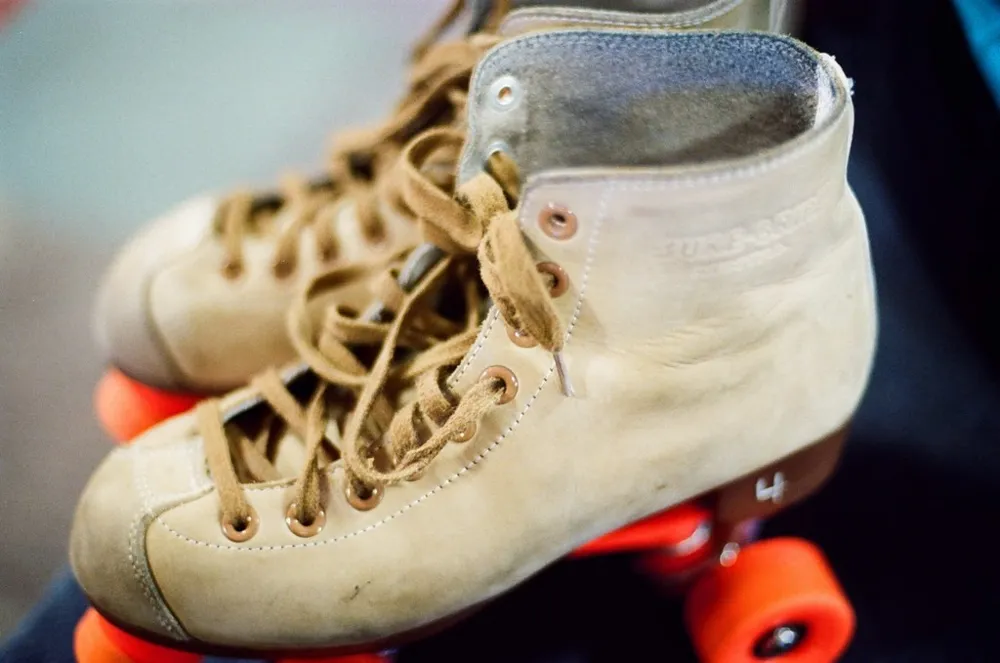
What Roller Skate Accessories Do You Need?
A new pair of quad skates rolls straight out of the box, but a few extras make skating safer, keep your skates running well and make them easier to carry. The trick is knowing which accessories matter on day one and which can wait. This guide sorts them into three groups: protect yourself (helmet, pads and wrist guards), keep your skates working (toe stops, a skate tool, laces, wheels, bearings and cleaning gear) and carry and personalize (bags, toe guards, lights and fun add-ons).
Most sections are short summaries with links to our full guides, so you can go deeper on any one item. If you're still choosing skates, start with our best roller skates guide and the roller skate size chart.
Triple Eight Saver Series Pads
Best first accessory: a full pad set
- Knee pads, elbow pads and wrist guards
- Sold as one 3-pack
- Junior to adult sizes
Moxi Brake Petals
Best spare toe stops
- Rubber toe stops sold in pairs
- Grip on wood and asphalt
- Short stems thread all the way up
Ace AF1 Skate Tool
Best pocket tool for wheels and trucks
- 1/2-inch and 9/16-inch sockets
- Axle and kingpin re-threaders
- Slide-out Allen key
Roller Skate Accessories at a Glance
| Accessory | What It Does | Who Needs It | Priority |
|---|---|---|---|
| Helmet | Protects your head in a fall | Every skater | Buy first |
| Knee, elbow and wrist pads | Protect the joints that hit the ground most | Every skater, especially beginners | Buy first |
| Skate tool | Adjusts axle nuts, trucks and toe stops | Anyone who owns skates | Buy first |
| Spare toe stops or jam plugs | Replace worn stoppers or fill the housing | Quad skaters | Early |
| Laces and lace locks | Replace snapped laces, hold the heel down | Anyone with laced boots | When needed |
| Skate bag or carrier | Carries skates and pads cleanly | Anyone who travels to skate | Early |
| Spare wheels and bearings | Switch between indoor and outdoor, keep speed | Regular skaters | Later |
| Toe guards | Protect the boot toe from scuffs | Derby, park and toe-stop-heavy skaters | Optional |
| Bearing cleaning kit | Cleans and re-lubes bearings | Outdoor and regular skaters | Later |
| Lights | Make you visible after dark | Evening and outdoor skaters | Optional |
Safety Equipment: Helmet, Pads and Wrist Guards
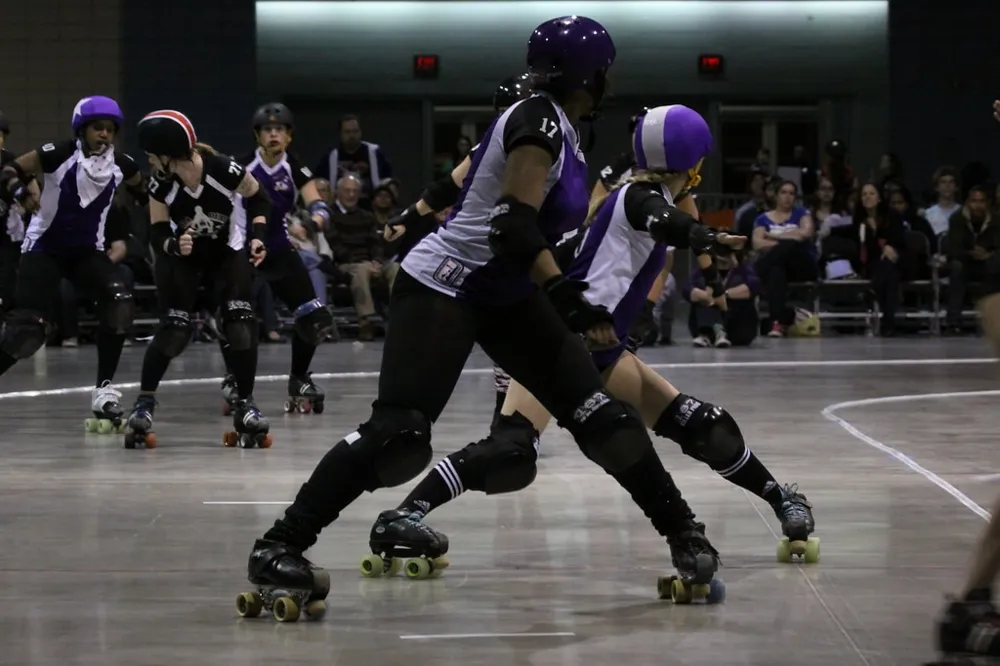
Safety gear is the one group of roller skate accessories worth buying before your first session. Falls on skates usually land on the wrists, knees, elbows and backside, and new skaters fall often while they learn to balance and stop.
- Helmet: look for ASTM F1492, the US standard for skateboarding and trick roller skating helmets. Many skate helmets are also certified to the CPSC bike standard. Our skate helmet guide explains the standards and fit; the same helmets work for roller skating.
- Wrist guards: the most useful pad for beginners, since the first reaction in a fall is to put your hands out. See the best wrist guards.
- Knee and elbow pads: hard-cap pads let you slide out of a fall on your knees, which is how derby and park skaters are taught to fall. See knee pads and our protective gear sets guide.
- Mouthguard and padded shorts: roller derby leagues require a mouthguard along with the helmet and pads (see the gear table in our derby skates guide). Padded impact shorts are optional but popular with skaters learning tricks.
For a full rundown of what to wear and how gear should fit, read our skate safety gear guide. A pad set is the simplest way to cover three joints at once:
Triple Eight Saver Series Pads
A 3-pack with knee pads, elbow pads and wrist guards in one set. Triple Eight sells it in junior through adult sizes, so check the size chart on the listing against your knee and elbow measurements.
Good to Know
- Covers wrists, elbows and knees in one purchase
- Junior sizes for kids and teens
Watch Out For
- A set is sized as one unit, so it won't suit everyone whose knees and elbows fall in different sizes
- Not a substitute for a helmet
Toe Stops and Jam Plugs
The toe stop is the stopper at the front of a quad skate's plate. It wears down every time you drag it, so spare toe stops are one of the most common roller skate accessories to buy. Before you order, check three things (all explained in our roller skate parts guide):
- Fitting: adjustable toe stops use a 5/8-inch threaded stem, while fixed toe stops bolt on with a 5/16-inch bolt. They are not interchangeable.
- Stem length: long stems sit the stopper lower and pair with bigger wheels; short stems give more clearance with smaller wheels.
- Material: natural rubber grips well on most floors; harder urethane stoppers last longer but can slide more.
A jam plug fills the toe stop housing if you skate without a stop, as many jam and dance skaters do. It is not a brake. Learn the toe stop drag and other stops in how to stop on roller skates, which also covers the Antik Gumball, a long-stem natural rubber toe stop.
Moxi Brake Petals
Rubber toe stops that grip on wood and asphalt without marking floors, sold as a pair. Their shorter stems can be threaded all the way up, which gives extra clearance for bigger wheels. Check that your plate takes a standard adjustable toe stop before ordering.
Good to Know
- Works indoors and outdoors
- Non-marking on rink floors
- Sold in several colors
Watch Out For
- Short stems suit fewer setups than long stems
- Not for fixed bolt-on toe stop plates
Wheels and Bearings
Spare wheels let one pair of skates handle both the rink and the street. Outdoor wheels are softer (around 78A to 85A, with 78A a popular choice) and usually larger, so they soak up rough pavement, while indoor wheels are harder for grip and speed on smooth floors. Our outdoor roller skate wheels guide compares sizes and hardness, and inline skaters should see the best rollerblade wheels.
Bearings are the other common upgrade. Most quad and inline skates use 608 bearings on 8mm axles, and a pair of quads needs 16 (two per wheel). The bearings in our skateboard bearings guide fit most roller skates too, but check your axle size first, since some plates use 7mm axles.
Skate Tools
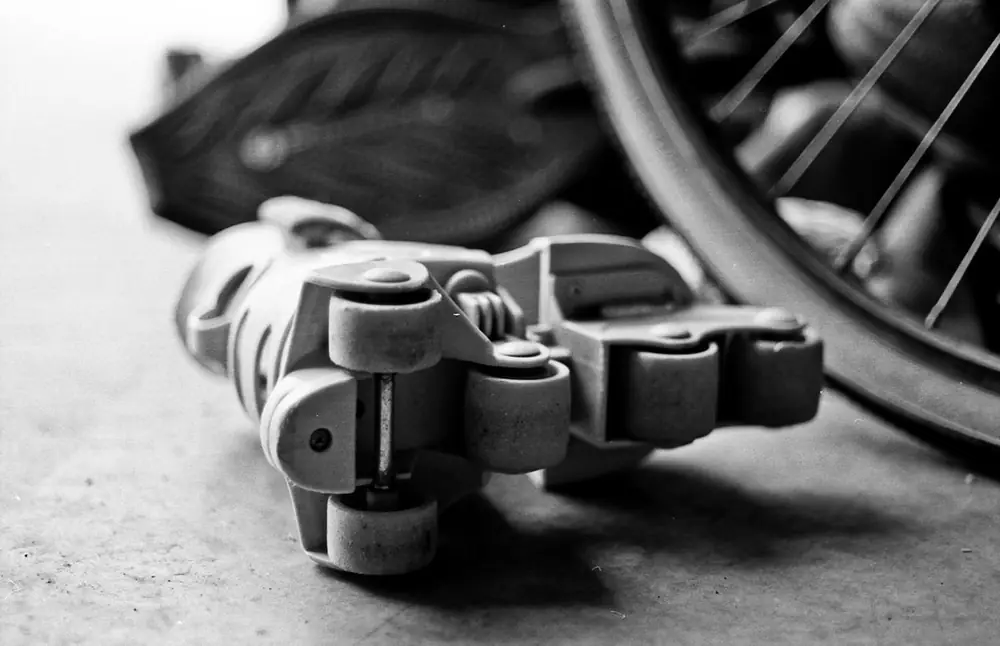
A skate tool is the accessory you'll use most. With it you can tighten axle nuts when wheels wobble, loosen or tighten trucks to change how the skates turn, and raise or lower your toe stops. Roller skates need a few socket sizes, which Riedell's 3-way skate tool lists as 1/2 inch for axle nuts, 9/16 inch for kingpin nuts and 15/16 inch for toe stop nuts.
| Tool | What It Covers | Best For |
|---|---|---|
| Riedell 3-way skate tool | 1/2", 9/16" and 15/16" sockets | Quads with toe stop jam nuts |
| Bont roller skate tool | Removable 1/2" and 9/16" sockets, 4mm and 5mm Allen keys, a bearing puller and two hex tools | Quads with pinch-bolt toe stops |
| Skateboard tool (such as the Ace AF1) | 1/2", 9/16" and 3/8" sockets plus an Allen key | Wheels and trucks; won't reach a large toe stop nut |
| Allen key set | Hex bolts on inline frames and some toe stops | Inline skates and pinch-bolt toe stops |
Which tool you need depends on how your toe stops are held. If yours lock with a big nut, a quad-specific tool like the Riedell saves carrying a wrench; if they use a pinch bolt, an Allen key does the job. More options are in our skate tools guide.
Ace AF1 Skate Tool
Skate Warehouse lists the AF1 with a 9/16-inch socket for trucks, 1/2-inch for wheels and 3/8-inch for hardware, plus built-in axle and kingpin re-threaders and a slide-out Allen key and Phillips head. It covers axle and kingpin nuts on most quads, but you'll still need a wrench or a quad tool for large toe stop nuts.
Good to Know
- Pocket-size for the skate bag
- Re-threaders clean up damaged axle threads
- Also works on skateboards
Watch Out For
- No 15/16-inch toe stop socket
- Not a replacement for an inline skate Allen set
Laces, Lace Locks and Straps
Laces are the cheapest part on a skate and the one that snaps most often, so a spare pair in your bag is worth it. Replacement skate laces are usually flat or waxed. Waxed laces hold tension, so the lower part of the boot stays snug while you adjust the top. Derby Laces, for example, describes its ORIGIN waxed laces as braided from high-tenacity yarns that resist moisture, with tips molded from the lace itself that can be repaired with a small flame.
The easiest way to get the length right is to measure your old lace. If it's gone, count the eyelet pairs on one boot and use this guideline from Derby Laces' sizing chart:
| Eyelet Pairs per Boot | Lace Length |
|---|---|
| 5–7 | 60 inches |
| 7–9 | 72 inches |
| 9–11 | 84 inches |
| 11–13 | 96 inches |
| 13 or more | 108 inches |
High-top boots with speed hooks need extra length to wrap the hooks. Many inline skates, including recreational models such as the Rollerblade Lightning, close with laces plus a buckle or strap, so lace lengths differ from quad boots; measure the old lace or check the brand's spare parts list before ordering extra laces.
A few accessories help laces stay put:
- Lace locks or keepers: small clips or elastic loops that hold the lace ends so they don't come undone or catch in your wheels.
- Power straps: a Velcro strap across the instep that holds your heel down. Some boots have one built in; others can take an add-on strap.
- Lace covers: a flap that closes over the laces to protect them in falls. Bont, for example, sells a roller skate lace cover.
Lacing technique matters as much as the lace itself; our lacing guide covers patterns, and the boot section of the roller skate parts guide explains eyelets and hooks.
Skate Bags and Carriers
A skate bag keeps dirty wheels away from your clothes, stops two skates from scratching each other and gives your pads and tool a home. The main types are:
- Skate backpacks: a backpack with a separate skate compartment or external straps. Best for commuting or walking to the rink.
- Skate totes and holdalls: one big compartment that fits both skates and pads. Easy to pack, but heavier on one shoulder.
- Wheeled gear bags: used by derby skaters who carry skates, pads, helmet and spare wheels to practice.
- Skate leashes and straps: a shoulder strap that clips to the skates. Light and cheap for short trips, but nothing protects the boots.
Look for a ventilated panel or mesh so sweaty boots and pads can dry, a size rating that fits your skates (high-top boots and big wheels take more room) and an outside pocket for small items. Impala's skate bag is one example: Impala describes it as a heart-shaped bag made from recycled polyester with an internal skate sleeve, an external front pocket and a ventilation panel, rated to fit up to size 14 quads and size 13 inline skates.
Many skate backpacks are built around skateboards, so check that a pack has a closed compartment or straps sized for boots. For packing ideas, see skate bag essentials and skateboard backpacks.
Toe Guards, Skate Covers and Soakers
Toe guards (also sold as toe caps) are leather or suede covers that wrap the front of the boot. They protect the toe from scuffs when you drag your toe stops, kneel in derby or fall forward. Sure-Grip's toe guards, for example, are sold as a pair, with black guards in suede and colored guards in dyed leather, and are built for roller derby use. Fit varies by boot shape, so check that a guard is made for your boot style, and how it attaches, before you buy.
Soakers and blade guards are ice skating accessories: soakers absorb moisture from steel blades and hard guards protect the edges when walking. Roller skates have no blade to protect, so they don't need either (see roller skating vs ice skating). A skate bag does the same job for roller skaters, and fabric skate covers or wheel covers are an option if you want to keep dirt off the boots or floors at home.
Cleaning and Care Gear

Dirt, sand and water slow bearings down and wear out wheels faster. A basic care kit covers most of it:
- Bearing cleaning kit: a container for soaking and shaking bearings in cleaner, plus a lubricant for afterward.
- Bearing puller or press: makes it easier to pop bearings out of the wheels and seat them back in.
- Rag and soft brush: for wiping wheels, plates and trucks after outdoor sessions.
- Boot care: let boots air dry away from heaters, and use the right cleaner for leather or suede.
Step-by-step routines, including how often to clean bearings and rotate wheels, are in our roller skate maintenance guide and bearing cleaning guide.
Bones Cleaning Unit Bundle
A cleaning container designed for skate bearings, making soaking and shaking easier and less messy.
Good to Know
- Keeps cleaning fluid contained
- Works for skateboard and roller skate bearings
Watch Out For
- You still need to remove the bearings from the wheels
- Use the cleaner the maker recommends
Bones Speed Cream
Bones' bearing lubricant for after cleaning. A small amount per bearing is enough.
Good to Know
- Made for skate bearings
- Pairs with the cleaning unit
Watch Out For
- Too much lube attracts dirt
Lights for Night Skating
If you skate in the evening, being seen matters as much as seeing. Options include:
- Light-up wheels: wheels with built-in LEDs that flash as they roll. They are mostly for visibility and style; check the hardness and size, since many are softer recreational wheels.
- Clip-on lights: small LED lights that clip to laces, a helmet or a bag strap.
- Headlamp or helmet light: lights up cracks and debris on the path ahead.
- Reflective gear: a reflective vest, bands or tape on your helmet.
More tips for skating after dark are in skateboarding at night, and most apply equally to roller skates.
Rollerblade Moonbeam LED Wheels
An 80mm, 82A light-up wheel 4-pack for inline skates, popular with kids and for evening skating. These are inline wheels, so they will not fit quad skates; check your frame's maximum wheel size.
Good to Know
- LED light-up wheels for visibility
- Common 80mm inline size
Watch Out For
- Inline only
- Recreational wheel, not a speed upgrade
Gift Ideas for Roller Skaters
Accessories make good gifts because they don't depend on knowing someone's skate size. Ideas that suit most skaters:
- Practical: a skate tool, spare toe stops (check the fitting), a bearing cleaning kit or a skate bag.
- Style: colored laces, toe guards, lace charms or pom-poms, and tall striped skate socks.
- Safety: a pad set or wrist guards in a fun color, or clip-on lights for evening skates.
- Upgrades: outdoor wheels or new bearings, if you know the skater's setup.
For skateboarders on your list, see gifts for skateboarders.
How to Choose Roller Skate Accessories
Buy in this order: safety gear first, then a skate tool and spare toe stops, then laces, a bag and care gear as you need them. Before ordering any part, check that it fits your skates:
| Accessory | Check Before Buying |
|---|---|
| Toe stops and jam plugs | 5/8" adjustable stem or 5/16" fixed bolt; stem length |
| Wheels | Quad or inline; diameter clears your plate or frame; hardness for your surface |
| Bearings | Axle size (8mm or 7mm); 16 per pair of quads |
| Skate tool | Sockets for your axle, kingpin and toe stop nuts, or the right Allen keys |
| Laces | Eyelet pairs and hooks on your boot |
| Bag | Fits your boot size and wheel height; ventilation |
| Helmet and pads | Head and joint measurements; helmet certification |
Skating a particular style changes the list a little. Derby skaters need a mouthguard and toe guards, park skaters lean on hard-cap pads, and outdoor cruisers get the most from soft wheels, a bearing kit and lights. Browse all our quad and inline guides in the roller skating hub.
Frequently Asked Questions
What accessories do I need for roller skating?
Start with a helmet, knee pads, elbow pads and wrist guards, then add a skate tool and a spare pair of toe stops. A bag, longer laces and a bearing cleaning kit come next once you skate regularly.
Do you need a helmet for roller skating?
A helmet is strongly recommended for every skater and required by roller derby leagues and many rinks and skate parks. Look for one certified to ASTM F1492 for skateboarding and trick roller skating, or one dual certified with the CPSC bike standard.
What size laces do I need for roller skates?
Count the eyelet pairs on one boot. Derby Laces' guideline is 60 inches for 5 to 7 pairs, 72 inches for 7 to 9, 84 inches for 9 to 11, 96 inches for 11 to 13 and 108 inches for 13 or more. Measuring your old lace is the most reliable check.
How often should you replace toe stops?
Replace them when they are worn down toward the stem, cracked, or no longer grip. Frequent outdoor skaters and anyone who uses toe stops for tricks will wear through them faster than rink skaters.
What is a jam plug on roller skates?
A jam plug is a small plug that fills the toe stop housing when you remove the toe stop, popular with jam and dance skaters. It is not a brake, so you need another way to stop.
What is the best way to carry roller skates?
A skate bag or skate backpack with a separate skate compartment keeps dirty wheels away from your other things and stops the skates from banging together. A shoulder leash or strap works for short trips.