How to Ollie Higher on a Skateboard: 9 Tips That Work (2026)
You can ollie, but not high enough. These tips on crouch, pop, slide and knee tuck, plus a few drills, help you get more air.
Why Your Ollie Isn't Higher Yet
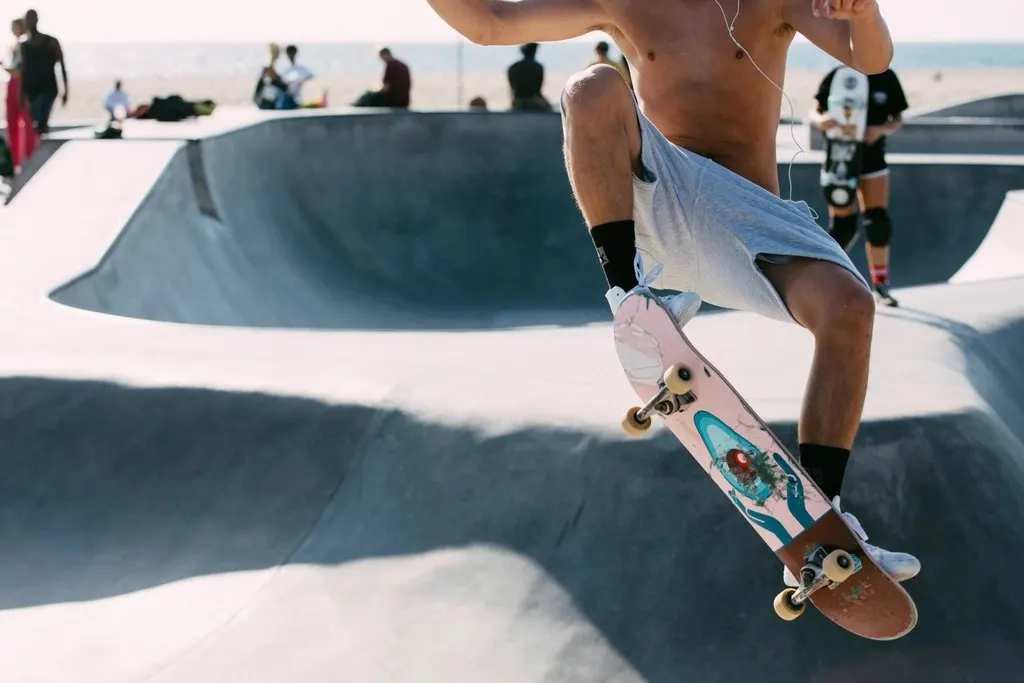
Once you can ollie, getting higher comes down to doing every part of the move more completely: crouching deeper, popping harder, sliding your front foot further and lifting your knees higher, all with the right timing. Small changes add up. If you're still learning the basic move, start with how to ollie. Otherwise, work through these tips one at a time.
The Ollie in Five Parts
| Part | What to Focus On |
|---|---|
| Crouch | Bend deeper to load your legs |
| Pop | Snap the tail down fast and hard |
| Jump | Explode up as you pop |
| Slide | Drag your front foot up to the nose |
| Tuck | Lift your knees toward your chest |
9 Tips to Ollie Higher
1. Crouch Deeper
A deeper crouch stores more energy. Bend your knees well, keep your back fairly straight and your shoulders over the board.
2. Pop Harder
Snap the tail down sharply with the ball of your back foot. A quick, strong pop gets the board moving up fast.
3. Jump at the Same Time
Your jump and pop should happen together. Jumping too late leaves the board behind; too early and the tail won't pop.
4. Slide Further
Drag the side of your front shoe all the way up toward the nose. A longer slide levels the board higher.
5. Tuck Your Knees
Pull your knees up toward your chest. The board can only rise as high as your feet allow.
6. Lift Your Back Foot
After popping, lift your back foot quickly so the board can follow you up.
7. Use Your Arms
Swing your arms up for extra lift and balance.
8. Level Out Before Landing
Push the front foot forward and down at the peak to level the board, then land with both feet over the bolts and knees bent.
9. Commit
Fear makes you hold back. Commit fully, and wear pads and a helmet so falling is less scary; see safety gear.
Drills to Build Height
- Stationary ollies on grass or carpet: focus on full technique without rolling away.
- Ollie over a line: a crack or chalk line gives you a target.
- Ollie over objects: progress from a flat stick to a shoe to a small box.
- Ollie up a curb: builds timing and confidence.
- Jump training: squats and jumping exercises build explosive power.
Setup Tweaks That Help
| Tweak | Why |
|---|---|
| Fresh deck | Old decks lose pop |
| Fresh grip tape | Better slide control |
| Right deck width | Better foot control; see the size chart |
| Tight-enough trucks | A stable platform when popping |
| Flat-soled shoes | Better board feel; see skate shoes |
Common Mistakes
- Leaning back when popping.
- Not sliding the front foot far enough.
- Keeping legs straight in the air.
- Looking down instead of ahead.
Next up: how to kickflip and more skateboard tricks.
Frequently Asked Questions
Why can't I ollie higher?
Common reasons are a shallow crouch, weak pop, sliding the front foot too early or too little, and not lifting the knees. Timing ties it all together.
Does board size affect ollie height?
A little. A board that suits your foot size helps control, and fresh, poppy decks are easier to ollie than old, soggy ones.
How long does it take to ollie higher?
It varies. With regular practice and focused drills, many skaters notice improvement within a few weeks.
Should I ollie while rolling or stationary?
Practice both. Stationary ollies help technique; rolling ollies are what you'll use.
Do exercises help ollie height?
Leg strength and explosiveness, such as squats and jump training, can help, alongside technique practice.