Is Skateboarding Good Exercise? Here's What It Works (2026)
How many calories skateboarding burns, which muscles it works and how it compares with other activities, based on published exercise data.
The Short Answer
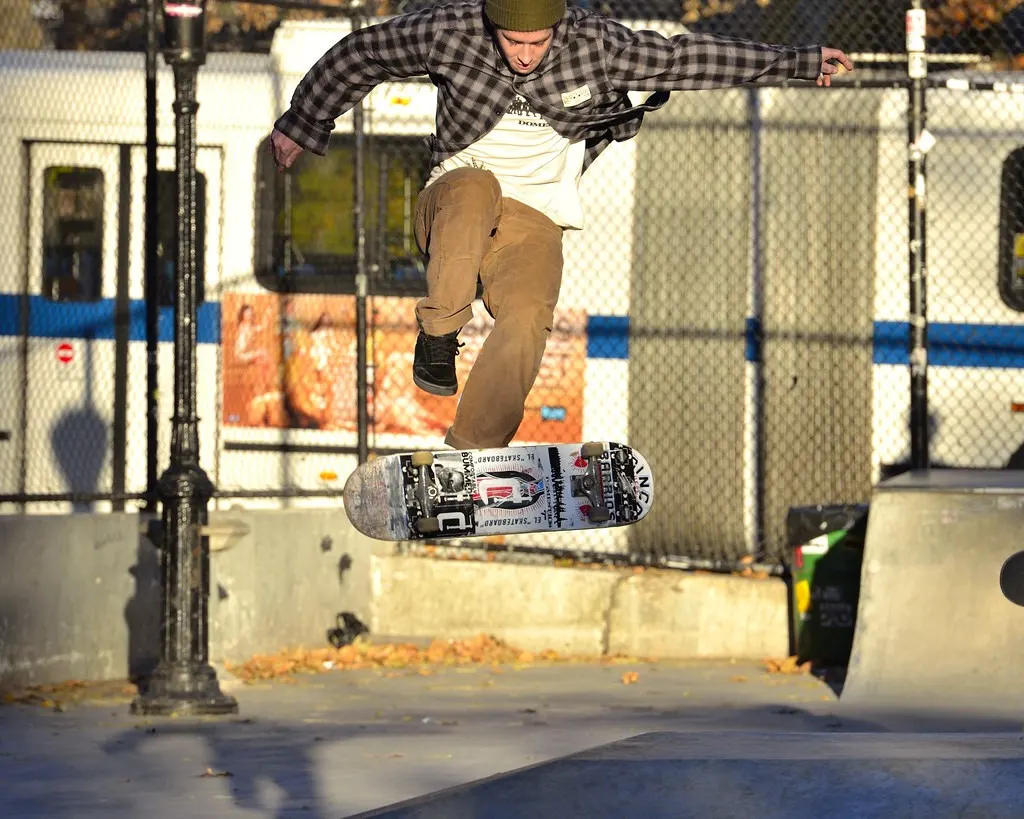
Yes. Skateboarding is a moderate-intensity activity that works your legs and core, improves balance and coordination and, at a steady pace, counts as moderate-intensity cardio. It's also fun, which makes it easier to stick with than many workouts. How much exercise you get depends on how you skate: cruising and pushing a longboard is steady cardio, while practicing tricks is stop-start effort with lots of jumping and landing.
How Many Calories Does Skateboarding Burn?
Exercise scientists rate activities in METs (metabolic equivalents). One MET is the energy you use sitting still. The Compendium of Physical Activities, a widely used research reference, lists these values:
| Activity | METs |
|---|---|
| Skateboarding, general, moderate effort | 5.0 |
| Skateboarding, competitive, vigorous effort | 6.0 |
| Longboard skateboarding, slow (13.3 km/h) | 6.8 |
| Longboard skateboarding, typical (16.2 km/h) | 8.3 |
| Longboard skateboarding, fast (18.4 km/h) | 10.5 |
| Roller skating | 7.0 |
A common way to estimate calories is METs multiplied by body weight in kilograms, per hour. So a 70 kg (154 lb) person skating at a general, moderate effort burns about 5.0 × 70 = 350 calories per hour. The same person pushing a longboard at a typical pace would burn about 8.3 × 70 ≈ 580 calories per hour.
Estimated Calories per Hour by Body Weight
| Body Weight | General Skating (5.0 METs) | Longboarding, Typical (8.3 METs) |
|---|---|---|
| 55 kg (121 lb) | About 275 | About 455 |
| 70 kg (154 lb) | About 350 | About 580 |
| 85 kg (187 lb) | About 425 | About 705 |
| 100 kg (220 lb) | About 500 | About 830 |
These are estimates. Real numbers vary with fitness, terrain and how much of the session you spend actually riding rather than resting.
Muscles Skateboarding Works
| Muscle Group | How Skating Uses It |
|---|---|
| Quads and glutes | Crouching, pushing, popping ollies and absorbing landings |
| Hamstrings | Bending and extending the knees while riding and jumping |
| Calves and feet | Balancing, steering and flicking the board |
| Core | Keeping balance and controlling the upper body |
| Hip muscles | Pushing, turning and stabilizing on one leg |
Pushing mostly works the pushing leg, so switching your push foot now and then helps balance things out.
Other Benefits of Skateboarding
Balance and Coordination
Riding a narrow board on four small wheels constantly trains balance, reaction time and body awareness. Those skills carry over to other board sports.
Cardiovascular Fitness
Continuous cruising, longboard distance pushing and long park sessions keep your heart rate up. Moderate-intensity activities fall roughly in the 3 to 6 MET range, so general skateboarding counts toward the weekly activity many health bodies recommend for adults.
Mental Benefits
Learning a trick takes focus, persistence and many attempts, and landing it is rewarding. Many skaters find sessions a good way to unwind. Skateparks also offer a social side, with people of all ages sharing the same space.
Low Barrier to Start
You need a board, a helmet and some smooth ground. There's no membership or team schedule, and you can skate for ten minutes or two hours.
How Skateboarding Compares
| Activity | Intensity | Main Benefits |
|---|---|---|
| Skateboarding (general) | Moderate | Legs, core, balance |
| Longboarding (typical pace) | Vigorous | Cardio, pushing leg, core |
| Roller skating | Moderate to vigorous | Cardio, legs, balance |
| Brisk walking | Moderate | Cardio, low impact |
Comparing roller skating? See rollerblades vs roller skates.
The Risks
Skateboarding involves falls. Most injuries are scrapes, sprains and fractures to the wrists, ankles and arms; head injuries are less common but the most serious. You can reduce the risk a lot:
- Wear a certified helmet; see skateboard helmets.
- Add wrist guards and knee and elbow pads while learning; see skateboard safety gear.
- Learn to fall: roll with the fall rather than putting out straight arms.
- Skate smooth surfaces within your ability, away from traffic.
- Warm up first; see exercises for skating.
Getting Started for Fitness
- Choose a stable board. A cruiser or longboard is easiest for riding and pushing; see skateboards for beginners or longboard vs skateboard.
- Start with short sessions of 20 to 30 minutes on flat, smooth ground.
- Practice pushing, turning and stopping before trying tricks.
- Gradually lengthen sessions or add a longer route.
- Mix in park sessions or tricks to work explosive power and balance.
New to longboards? Follow our guide to how to longboard.
Frequently Asked Questions
How many calories does skateboarding burn?
Using the Compendium of Physical Activities, general skateboarding is rated at 5.0 METs. A 70 kg (154 lb) person would burn roughly 350 calories per hour skating at that effort. Harder skating and longboard pushing burn more.
What muscles does skateboarding work?
Mainly the legs (quads, hamstrings, calves and glutes) and the core muscles that keep you balanced. Pushing, crouching, jumping and landing all load the lower body.
Can you lose weight by skateboarding?
Skateboarding burns calories and can be part of a weight-loss plan alongside diet. Because it's fun, many people find it easier to do consistently than gym workouts.
Is skateboarding cardio?
It can be. Continuous cruising, pushing a longboard and long skatepark sessions raise your heart rate. Stop-start trick practice is more like interval training.
Is skateboarding good exercise for adults?
Yes. Adults can enjoy the same balance, leg and cardio benefits. Start slowly, wear protective gear and build up session length gradually.
Is skateboarding dangerous?
Falls are common, and most injuries are to the wrists, ankles and arms. Wearing a helmet and wrist guards, learning to fall and skating within your ability reduce the risk.