Exercises for Skating to Ride Stronger and Fall Less (2026)
Simple strength, balance and mobility exercises that help skateboarders, roller skaters and inline skaters ride better, with a weekly plan.
Why Train Off the Board?
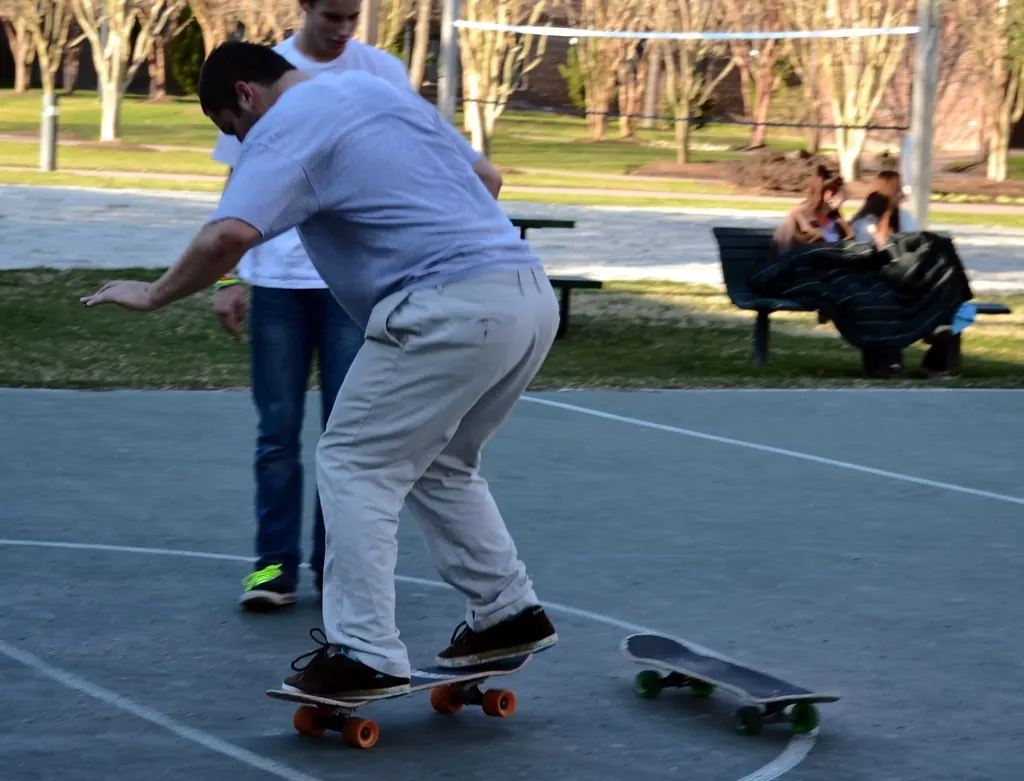
Skating looks effortless when done well, but it takes leg strength to pop and land, balance to stay over the board, core stability to control your body and mobility in hips and ankles to get low. A few simple exercises a week can help skateboarders, roller skaters and inline skaters ride with more control and confidence. If you have an injury or health condition, check with a doctor or physical therapist first.
Exercises at a Glance
| Exercise | Builds | Helps With |
|---|---|---|
| Squats | Legs, glutes | Pop, landings, low stance |
| Reverse lunges | Single-leg strength | Pushing, balance |
| Single-leg balance | Ankle and hip stability | Riding, manuals |
| Calf raises | Calves, ankles | Pop, flick control |
| Box or squat jumps | Explosive power | Ollie height |
| Plank and side plank | Core | Body control |
| Glute bridges | Glutes, hips | Stability, posture |
| Hip and ankle mobility | Range of motion | Getting low, comfort |
Strength
Squats
Feet shoulder-width apart, sit back and down as if into a chair, keep your chest up, then stand. Start with body weight; 2–3 sets of 10–15.
Reverse Lunges
Step one foot back and lower until both knees bend, then return. Alternate legs; 2–3 sets of 8–12 per side.
Calf Raises
Rise onto your toes and lower slowly, on flat ground or a step. Try single-leg versions as you get stronger.
Glute Bridges
Lie on your back with knees bent and push your hips up, squeezing your glutes. 2–3 sets of 12–15.
Power
Squat Jumps or Box Jumps
Explode up from a squat and land softly with bent knees. Focus on quality over quantity; 3 sets of 5–8. Skip jumping if you have joint pain.
Balance and Core
Single-Leg Balance
Stand on one foot for 30 seconds, then try closing your eyes or standing on a pillow. Great for ankle stability.
Planks and Side Planks
Hold a straight line from head to heels for 20–45 seconds. Side planks train the muscles that keep you upright when you lean into turns.
Balance Board Practice
Balance boards challenge the same small stabilizing muscles you use on a skateboard. Use one near a wall or support.
Mobility
- Hip circles and leg swings before sessions.
- Deep squat holds to open hips and ankles.
- Ankle circles and calf stretches after skating.
A Simple Weekly Plan
| Day | Focus |
|---|---|
| Day 1 | Squats, lunges, glute bridges, plank |
| Day 2 | Skate session |
| Day 3 | Jumps, calf raises, single-leg balance, side plank |
| Day 4 | Skate session |
| Day 5 | Mobility and light strength |
Warm Up Before You Skate
- 2–3 minutes of easy movement or light cruising.
- Leg swings and hip circles.
- A few bodyweight squats and lunges.
- Ankle rolls.
Learn more in is skateboarding good exercise, benefits of skateboarding and benefits of rollerblading. Then put it to work with easy beginner tricks.
Frequently Asked Questions
What exercises help with skateboarding?
Squats, lunges, single-leg balance work, calf raises, core exercises like planks, and mobility work for hips and ankles.
How often should I train off the board?
Two or three short sessions a week alongside skating works for many people.
Do I need a gym?
No. Most useful exercises use body weight, a step or a resistance band.
Should I stretch before skating?
A dynamic warm-up (leg swings, hip circles, light squats) is better before skating; save longer static stretches for after.
Can exercise prevent skating injuries?
Strength and balance training may reduce some injury risk, but falls still happen. Wear protective gear and see a professional for injuries or pain.