How to Get a Custom Snowboard, From Full Builds to Wraps (2026)
Have a board built around your body and riding, put your own art on a production shape, or restyle the board you already own. Here is how each route works and what to ask for.
What "Custom Snowboard" Means
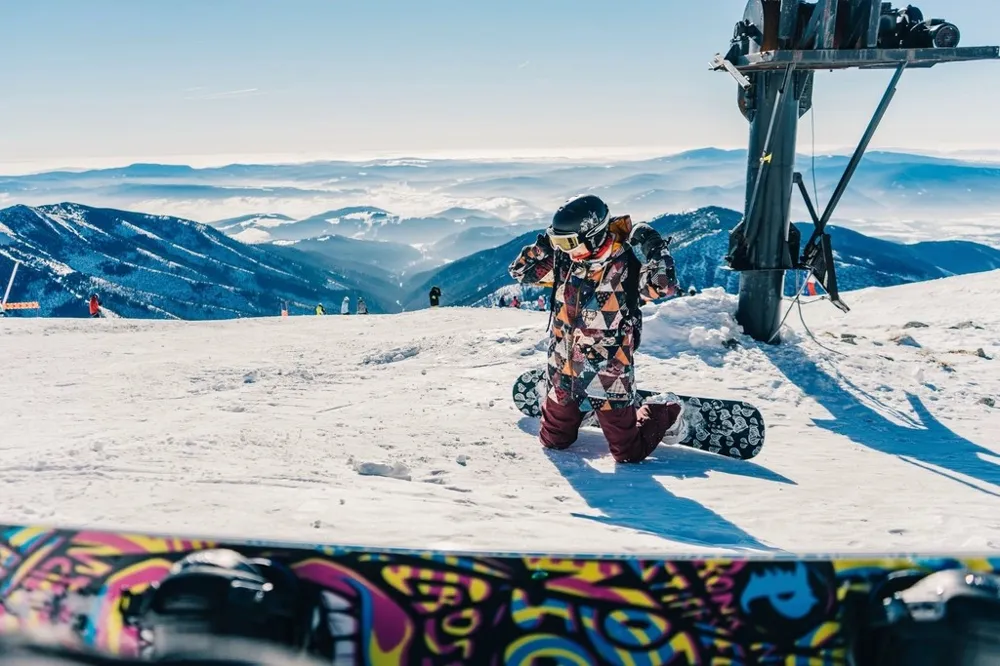
"Custom snowboard" covers a wide range. At one end is a fully custom build, a board designed around your weight, boot size, terrain and riding style and made to order by a builder. In the middle is a custom graphic on an existing shape, where you choose the art, colors or trim but the board's construction comes from the maker's lineup. At the other end is DIY customization, where you restyle the board you already own with a wrap, stickers or paint.
Which one makes sense depends on what you want to change. If the board already rides the way you like and you just want it to look different, a wrap or new graphic is enough. If no off-the-shelf board fits your size or riding, a custom build is the route that changes how the board actually performs. If you are still learning what you like, start with our guide to types of snowboards and the snowboard size chart first.
Ways to Get a Custom Snowboard Compared
| Route | What Changes | Typical Wait | Best For |
|---|---|---|---|
| Fully custom build | Shape, size and construction (by maker), plus graphics | Weeks to a few months | Riders with unusual sizes or very specific riding needs |
| Custom graphic on a production shape | Topsheet and sometimes base art, trim colors, size choice | A few weeks | A personal look on a proven board |
| Vinyl wrap or skin | Topsheet look only | Shipping time plus an afternoon | Refreshing an old board or a one-off design |
| Stickers and stomp pads | Small areas of the topsheet | Minutes | Quick personal touches |
| Paint | Topsheet look only | A few days, plus about a week to cure | Hand-made art on a board you don't mind experimenting on |
Wait times above are general. Each maker sets its own timeline, which often changes with the season, so check before you order.
Fully Custom-Built Boards From Small Builders
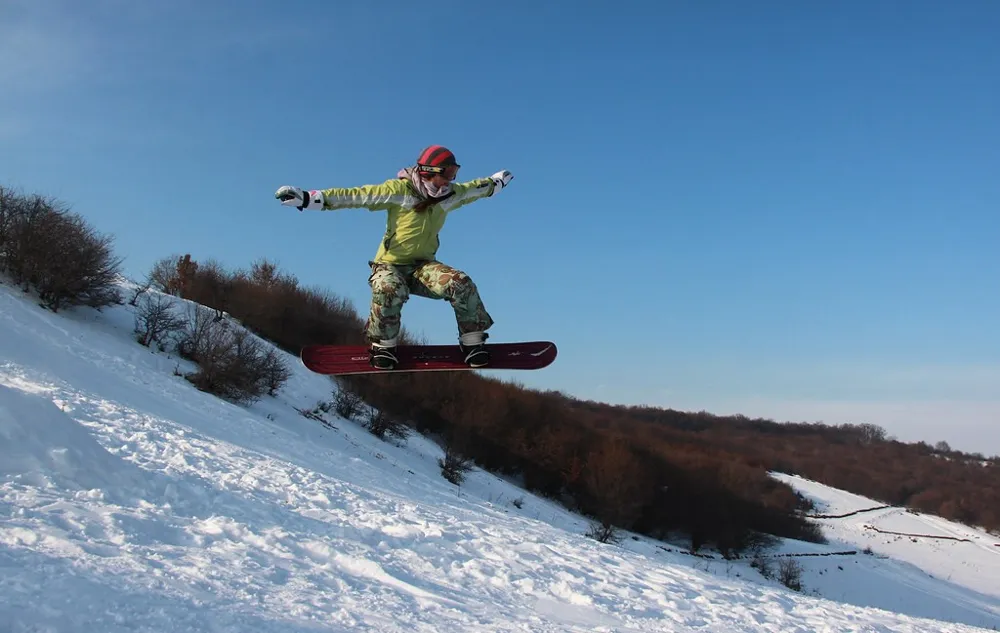
Small and mid-size factories that press their own boards are the main source of truly custom snowboards. The process usually starts with a conversation: you share your height, weight, boot size, stance, favorite terrain and how you want the board to feel, and the builder suggests a platform or design. The examples below are makers whose own sites described custom programs as of November 2026; options change, so confirm details directly.
- Gilson (Selinsgrove, Pennsylvania). Gilson's custom program builds on one of its existing models (Undead, Duel, Bounty Hunter, Homebrew, Fly or JCK). You choose the size, some models offer a flat or 3D Edge base option, and you design the graphic with a Gilson artist. Gilson says graphics can go on any model and size it makes, with restrictions on copyrighted characters and logos.
- Donek (Colorado). Donek says it has built custom snowboards and skis in Colorado since 1987. Its custom design process starts with a consultation, and the aim it describes is a board matched to your style, riding level and body dimensions. Graphics can come from its library, your own file, its designer or an artist you hire.
- Winterstick. In a November 2024 post, Winterstick described fully custom boards with wide options in shape, size and design, plus custom wood and in-house printed graphic topsheets. Check its current site for what is offered now.
Builder programs differ a lot in how far the customization goes. Some let you change only the graphic and size on a set model, while others will alter shape and construction. Ask exactly which specs you can change before you pay.
What to Specify for a Custom Build
Even when a builder guides you, it helps to know the main specs and how they change the ride. These are the same specs you compare on any board, explained in more depth in our snowboard types guide.
| Spec | What It Controls | What to Tell the Builder |
|---|---|---|
| Length | Stability, float and how easy the board is to turn | Your weight first, then height, riding style and terrain |
| Width (waist) | Toe and heel overhang | Your boot size and binding angles |
| Flex | How forgiving or stable the board feels | Your level, speed and whether you ride park, groomers or powder |
| Profile | Pop, edge hold and how catch-free it feels | Whether you prefer camber, rocker, flat or a hybrid |
| Shape | Riding switch, powder float and directional feel | True twin, directional twin, directional, tapered or volume-shifted |
| Stance and inserts | Where your feet sit on the board | Your stance width and any setback you like |
| Base | Speed and maintenance | Extruded or sintered, if the builder offers a choice |
Length and Width
Weight is the main factor in board length, with riding style and height adjusting it. Width matters most for bigger feet: if your boots hang too far over the edges, they can drag in turns. Many riders in US men's boot size 11 or larger look at wide boards. Our size chart and stance and binding angles guide cover both, and they are a good starting point for a builder conversation.
Flex, Profile and Shape
Soft flex is forgiving and easy to press, while stiff flex is stable at speed and holds an edge. Camber gives pop and edge hold, rocker feels loose and floats, flat is stable, and hybrids mix them. A true twin rides the same both ways for park and switch riding, while directional and tapered shapes suit riding one way and powder. Flex ratings are not standardized between brands, so describe the feel you want, or name a board you already like, instead of quoting a number from another maker.
Bring Reference Points
The most useful thing you can give a builder is context: boards you have liked or disliked and why, where you ride most, and what you want to improve, such as more stability at speed or an easier ride in trees. That helps the builder translate your goals into specs.
What to Expect When You Order
Custom orders follow a similar pattern from maker to maker, although timelines and policies differ.
- Choose a platform or consult. Pick a base model and size, or talk it through with the builder.
- Design the graphic. Submit your own file, choose from a library or work with the maker's artist. Gilson says its artist reaches out within 48 hours and most riders finalize in 1 to 3 rounds of digital renderings.
- Approve and wait for the build. Nothing is built until you approve the final design. Gilson lists about 7 days to build after approval and says most orders arrive in 2 to 5 weeks overall. Donek listed about a 13-week build time, and Burton asks customers to allow 4 to 8 weeks to build and ship within the US (all as of November 2026).
- Receive and set up. Mount bindings, set your stance and wax the board before the first day. See how to wax a snowboard.
Expect some limits. Made-to-order boards are usually not returnable: Burton, for example, states that Custom Shop boards cannot be returned, and designs cannot be changed or cancelled once submitted. Colors and graphics can also look slightly different from the screen preview. Order well before the season if you want the board for a specific trip.
Custom Graphics on a Production Board
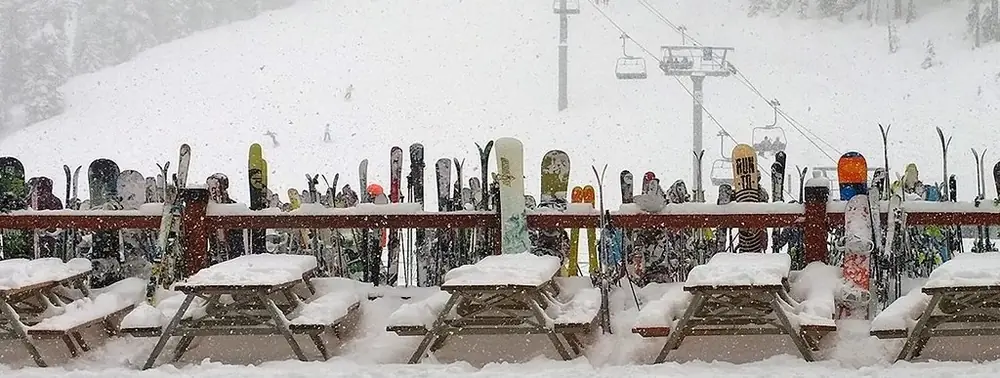
If you like a big brand's board and just want it to look like yours, a design-your-own service is the simpler route. The best-known example is the Burton Custom Shop. As of November 2026, Burton's page describes four steps: pick a shape, explore graphics, adjust trim and sizing, and receive the board. Shapes listed include the Process, Feelgood, Talent Scout, Skeleton Key and a men's Custom Camber, among others, plus a choice of Camber or Flying V profile.
- Graphics: you mix colors, stickers, logos, prints and archive graphics from Burton's library. The page does not offer uploading your own artwork.
- Trim and size: you choose accent colors for the sidewalls and mounting channel, plus the length and width.
- Build: boards are handmade at Burton's prototype facility in Burlington, Vermont, and carry Burton's standard warranty.
- Availability: orders open at the start of each month in limited quantities.
Don't confuse this with the Burton Custom, which is a long-running production model you can buy off the rack. For more on the big makers and their lineups, see our snowboard brands guide.
How to Set Up Artwork for a Printed Graphic
If a builder or wrap seller prints your own art, the file you send decides how good the result looks. Requirements vary, so always ask for the maker's template and guidelines. Donek's published guidance is a useful example of what to expect:
- File types: Illustrator, SVG, JPG or TIF at 150 DPI in RGB color. Donek does not accept Photoshop files.
- Layout: a vertical rectangle with the tip at the top and the tail at the bottom. Fill the full outer rectangle and do not trim the art to the board's outline.
- Vector files: convert text to outlines and embed linked images so nothing goes missing.
- Placement: Donek says positioning is accurate to about a quarter inch side to side and half an inch tip to tail, so avoid designs that look wrong if slightly off-center.
- Color limits: no metallic or dayglow colors, and dye-sublimated base graphics cannot match exact brand or Pantone colors because wax, core wood tone and epoxy shift the color.
For a wrap, the sizing is usually a simple rectangle. One custom snowboard skin listing on Amazon asks for a design at 14 by 65 inches, saved as a high-resolution JPG or PNG. Whatever the service, keep important elements such as faces, names and logos away from the edges, the tip and tail, and the binding area, where they can be trimmed, hidden or worn. Use only art you own or have permission to use; builders such as Gilson restrict copyrighted characters and logos.
DIY: Snowboard Wraps and Skins
A vinyl wrap, sometimes called a skin, is a printed adhesive sheet that covers the topsheet. It is the fastest way to give a whole board a new look, and some sellers print your own uploaded design. Wraps change appearance only; they do not affect length, flex or how the board rides.
- Take the bindings off so the whole topsheet is exposed.
- Clean and dry the topsheet and remove old stickers and residue.
- Apply from one end, smoothing the vinyl with a squeegee to push out air.
- Trim the edges to the board's outline, and open the binding inserts so you can remount.
- Remount the bindings and check your stance before riding.
Follow the seller's own instructions, since materials and recommended temperatures differ.
1. Snowboard Wrap #289 Gray Splash
A pre-printed snowboard wrap listed at 14 by 65 inches. The listing describes cold-weather vinyl printed with UV inks and says a vinyl application squeegee and installation instructions are included.
Check Price on AmazonDIY: Stickers and Stomp Pads
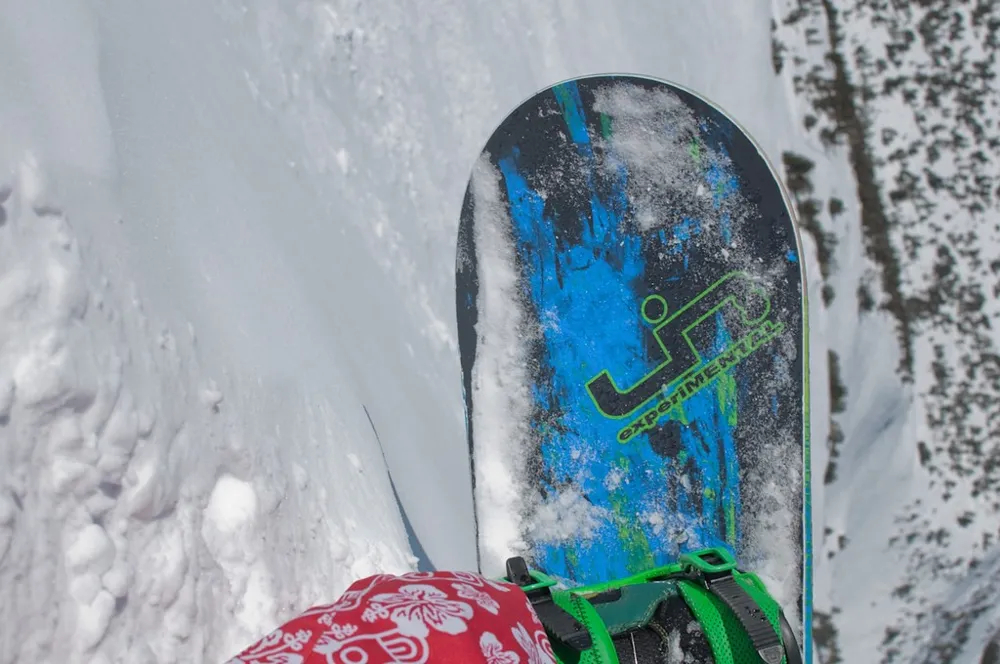
Stickers are the simplest way to personalize a board, and they sit on the topsheet where they won't affect the base. Use waterproof vinyl stickers, apply them to a clean, dry topsheet at room temperature, and press them down firmly. Keep them off the binding inserts and mounting area so they don't get torn when you adjust your stance.
A stomp pad adds both style and function: it gives your free back foot grip when you ride off the lift. Many come in shapes and colors that double as decoration. Our guide to the best snowboard stomp pads compares options and shows where to place one.
2. Crab Grab Shark Teeth
A stomp pad made of individual shark-tooth spikes in flexible material, with grooves that let you cut it apart for custom placement on the topsheet.
Check Price on AmazonDIY: Painting the Topsheet
Painting gives you a one-of-a-kind board, but it takes patience and works best on a board you don't mind experimenting on. A stencil method published by Snowboard Magazine goes like this:
- Strip and clean. Remove the bindings, scrape off old stickers and clean any residue.
- Mask the design. Cover the topsheet with contact paper wrapped over the edges, apply your design on it, and cut out the areas to paint with a craft knife, without cutting into the topsheet.
- Protect the inserts. Tape over the binding inserts.
- Paint in light coats. Use spray paint made to bond to plastic and build up several light coats to avoid drips, then let it dry for about a day.
- Seal it. Add a few coats of clear spray to protect the design.
- Let it cure. Give the board about a week before riding to reduce chipping.
Paint only the topsheet. Keep paint off the base, which needs to hold wax, and off the steel edges. Expect chips and scuffs where boards rub on lifts and racks, and plan touch-ups. If you want more painting technique, our how to paint a skateboard guide covers paint pens, sealing and design tips that carry over.
Is a Custom Snowboard Worth It?
A fully custom build is most useful when off-the-shelf boards don't fit: very large or small feet, a weight outside a brand's size range, or a specific feel no production board delivers. A knowledgeable rider can often find a close match off the rack by studying specs and reviews, so it is worth comparing current lineups, such as our best all-mountain snowboards and best freestyle snowboards, before committing.
| Choose | When |
|---|---|
| Fully custom build | You know what you want and can't find it in production boards |
| Custom graphic on a production board | You like an existing shape and want a personal look |
| Wrap, stickers or paint | Your current board rides well and you want to restyle it |
| Off-the-shelf board | You are still learning what size, flex and shape suit you |
Beginners usually do better with a proven production board first; see best snowboards for beginners. Once you know what you like, a custom board is a way to fine-tune it.
Keep Exploring
Learn how boards evolved in the history of snowboarding, compare the big makers in snowboard brands, and see the skate-side version of this guide in custom skateboard decks. Find more guides on the snowboarding hub.
Frequently Asked Questions
Can you get a snowboard custom made?
Yes. Small builders such as Gilson in Pennsylvania and Donek in Colorado make custom boards to order, and Burton runs a Custom Shop where you pick a shape, graphics, trim and size. What you can change differs by maker, so check each one's current options.
How long does a custom snowboard take?
It depends on the maker and the season. As of November 2026, Burton quotes 4 to 8 weeks to build and ship within the US, Gilson says most orders arrive in 2 to 5 weeks, and Donek lists about a 13-week build time.
Can I put my own design on a snowboard?
Yes. Some builders print your artwork on the topsheet or base, and vinyl wrap sellers print an uploaded design on a skin you apply yourself. Burton's Custom Shop works from its own graphics library rather than uploaded art.
Is the Burton Custom a custom snowboard?
Not in the made-to-order sense. The Burton Custom is a long-running production model name. Burton's separate Custom Shop is the service that builds boards to your chosen options.
Can you return a custom snowboard?
Usually not. Burton states that Custom Shop boards cannot be returned or changed once the design is submitted. Read each maker's policy before you order.
Can I paint my snowboard?
You can paint the topsheet with spray paint made to bond to plastic, then seal it with clear coats and let it cure before riding. Keep paint off the base and edges.
Do snowboard wraps come off?
Wraps and stickers stick to the topsheet only, so they wear and can be replaced. Follow the seller's instructions for applying and removing them, and avoid covering binding inserts.