Freestyle Snowboards That Make the Park Feel Easier (2026)
Soft jib sticks, poppy jump boards and do-it-all park twins: here's how freestyle snowboards differ and which models fit the way you ride the park.
What Makes a Snowboard Freestyle?
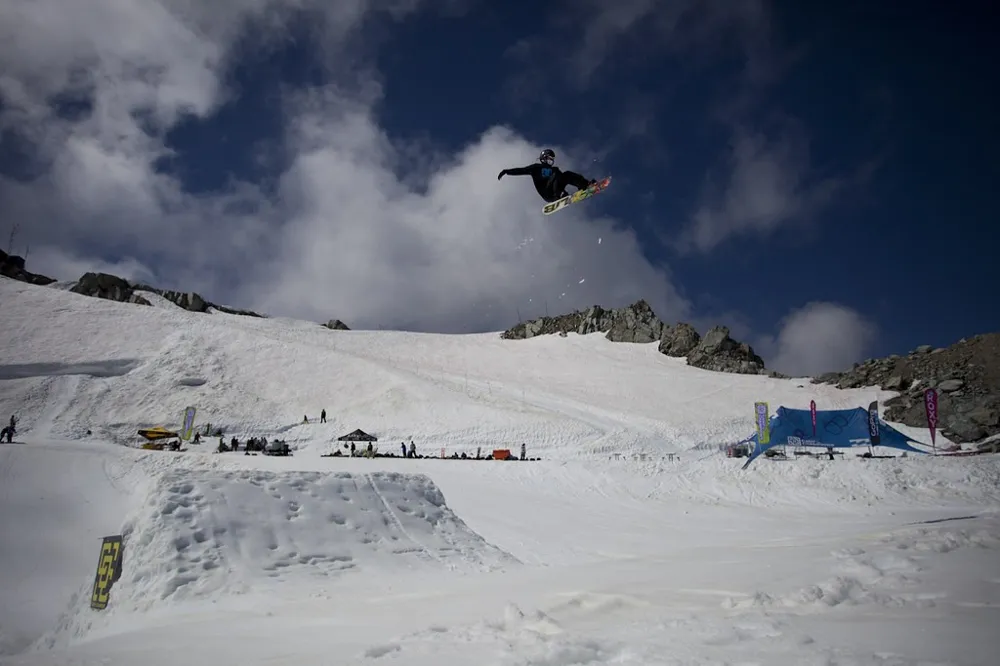
A freestyle snowboard is built for tricks: rails, boxes, jumps, halfpipe, side hits and riding switch. Most freestyle boards share a twin shape, a centered stance and a symmetrical flex, so the board feels the same whichever way you're riding. Where they differ is flex and camber profile: soft, rockered boards suit rails and buttering, while stiffer cambered boards hold an edge on big jump takeoffs and in the pipe.
Not sure if you need a dedicated park board at all? If you spend most days carving groomers and only some laps in the park, an all-mountain snowboard may suit you better. For a broader overview of board categories, see types of snowboards.
Lib Tech Skate Banana
Best for jibs and butters
- True twin shape
- Soft flex
- Banana rocker-camber profile
Burton Process
Best all-mountain freestyle board
- Twin shape and flex
- PurePop Camber
- Sintered base
Lib Tech Glider (Women's)
Best women's freestyle board
- True twin
- Original Banana profile
- Aspen and paulownia core
Freestyle Snowboards Compared
Specs below come from maker pages and retailer listings or reviews that quote them. Profiles and flex ratings can change from one season's model to the next, so confirm the current year's specs before you buy.
| Board | Shape | Profile | Flex | Best Suited To |
|---|---|---|---|---|
| Lib Tech Skate Banana | True twin | Banana (rocker between the feet, mild camber toward the tips) | Soft | Jibs, butters, progression |
| Burton Process | Twin | PurePop Camber | Soft to medium | Park plus the whole mountain |
| Lib Tech Glider (Women's) | True twin | Original Banana | Check listing | Women's freestyle progression |
| CAPiTA Ultrafear | True twin | Flat/camber/flat (camber version) | Medium | Jibs and all-around park |
| GNU Head Space | Twin | C3 (camber/rocker/camber) | Medium | Street, park laps, side hits |
| Lib Tech Off Ramp | True twin | C3 (camber/rocker/camber) | Medium | Park, jibs, street |
| YES. Basic | True twin | CamRock (hybrid) | Medium | All-round park and resort |
| Jones Tweaker | True twin | Camber | Soft | Jibs and playful park riding |
| Rome Agent | True twin | Camber | Medium | Park and jumps |
| Ride Benchwarmer | Directional twin | Twin Extra Camber | Stiff | Big jump lines |
| Burton Yeasayer (Women's) | Twin | Flat Top | Check listing | Newer riders, first park laps |
The Best Freestyle Snowboards
1. Lib Tech Skate Banana
The Skate Banana is a true twin with a soft flex and Lib Tech's Banana profile: rocker between the feet and mild camber toward the tips. That shape keeps the contact points off the snow, so it's loose and forgiving on boxes, rails and butters. Lib Tech's Magne-Traction serrated edges are designed to add grip on hard snow. It's long been one of the best-known rocker-camber hybrids.
Good to Know
- Soft and easy to press
- Forgiving on rails and boxes
- Serrated edges for icy days
Watch Out For
- Less stable at high speed than stiffer boards
- Less pop than full camber for big jumps
2. Burton Process
The Process has a twin shape and twin flex for riding regular or switch, plus Burton's PurePop Camber, which adds subtle flat zones to camber to boost pop. It uses a Super Fly II 700G core, Dualzone EGD edges, Triax fiberglass and a sintered base. Burton pitches it at park laps, groomers, side hits and powder, so it suits riders who want one board for the park and the rest of the mountain. UK magazine Whitelines lists its flex at about 4–6 out of 10.
Good to Know
- Pop from camber, with a softer feel
- Fast sintered base
- Versatile beyond the park
Watch Out For
- Sintered bases need regular waxing
- Not as soft as a dedicated jib board
3. Lib Tech Glider (Women's)
A women's true twin for freestyle and all-mountain progression. It uses Lib Tech's Original Banana profile (mild rocker between the feet, subtle camber underfoot) and a core of 75% aspen and 25% paulownia. The rocker-dominant profile makes it forgiving for riders starting to hit boxes and small jumps. See more women's options in women's snowboards.
Good to Know
- Women-specific sizing
- Forgiving rocker-camber hybrid
Watch Out For
- Check the flex rating on the current listing
4. CAPiTA Ultrafear
A true twin park board from CAPiTA. evo lists the camber version with a flat/camber/flat profile and a medium flex, and recommends it for freestyle and all-around riding. CAPiTA has also sold reverse camber versions of the Ultrafear in past seasons, so check which profile the listing shows. It's not always stocked on Amazon; look for it at snowboard retailers.
Good to Know
- True twin for switch riding
- Flat zones help on rails, camber adds pop
Watch Out For
- Profile has varied between model years
5. GNU Head Space
GNU's Head Space is a twin with a C3 camber profile (camber/rocker/camber), a medium flex and Magne-Traction edges. evo describes it as built for street, park laps, side hits and backyard features. Earlier versions used an asymmetrical twin shape, with a different sidecut on the heel and toe sides, so check the current model's shape.
Good to Know
- Camber pop with a softer center
- Serrated edges for hard snow
Watch Out For
- Medium flex is less buttery than soft jib boards
6. Lib Tech Off Ramp
A true twin with Lib Tech's C3 camber profile, a medium flex and Magne-Traction edges. evo aims it at park, jibs and street riding for intermediate to advanced riders, making it a stiffer, more cambered alternative to the Skate Banana.
Good to Know
- More pop than a rocker-dominant board
- Built for rails and street
Watch Out For
- Aimed at intermediate to advanced riders
7. YES. Basic
The Basic is a true twin with YES.'s CamRock profile (camber with rockered tips) and a sintered base. Whitelines rates its flex at 6 out of 10, putting it in the medium range for riders who mix jumps, rails and resort laps. A women's version is also sold.
Good to Know
- Hybrid profile for pop and forgiveness
- Men's and women's versions
Watch Out For
- Stiffer than a pure jib board
8. Jones Tweaker
Jones is best known for freeride boards, but the Tweaker is its park twin. Whitelines lists the Tweaker 2.0 as a true twin with camber, a soft 4 out of 10 flex, Jones's 3D Flip Tips and a sintered base. A women's Tweaker is also available.
Good to Know
- Soft flex with camber pop
- Lifted 3D tips
Watch Out For
- Full camber is less forgiving than rocker on rails
9. Rome Agent
Rome's Agent is a true twin with a camber profile, a medium 6 out of 10 flex (per Whitelines) and a sintered base. It suits riders who want camber for jumps without going to a stiff pro model. Rome's Artifact is the brand's other long-running park board, marketed for park and street rails.
Good to Know
- Camber pop for jumps
- Medium flex for mixed park riding
Watch Out For
- Less forgiving than rocker on boxes
10. Ride Benchwarmer
A stiff directional twin with Ride's carbon-backed Twin Extra Camber profile, Cleave edges and double impact plates. evo pitches it at big jump lines, the opposite end of the freestyle spectrum from a soft jib board. It's a better fit for strong riders than for park beginners.
Good to Know
- Stiff and stable for big takeoffs
- Reinforced edges and impact plates
Watch Out For
- Demanding at low speeds and on rails
11. Burton Yeasayer (Women's)
A women's board with a symmetrical twin shape and flex and Burton's Flat Top bend, which gives stability and balance while staying forgiving. It's a good first board for women who want to ride switch and start hitting small park features.
Good to Know
- Easy to learn on
- Rides the same both ways
Watch Out For
- Less pop than camber for bigger jumps
Other freestyle boards worth a look include the CAPiTA Spring Break Stairmaster (a true twin with a hybrid profile and an extruded base), the Nitro Optisym (a soft park board with Railkiller edges), the Bataleon Wallie (a soft, low-camber board) and the Ride Twinpig, a shorter, wider twin built for freestyle riding anywhere on the mountain. Compare more makers in snowboard brands.
Park vs Jib vs Pipe vs All-Mountain Freestyle
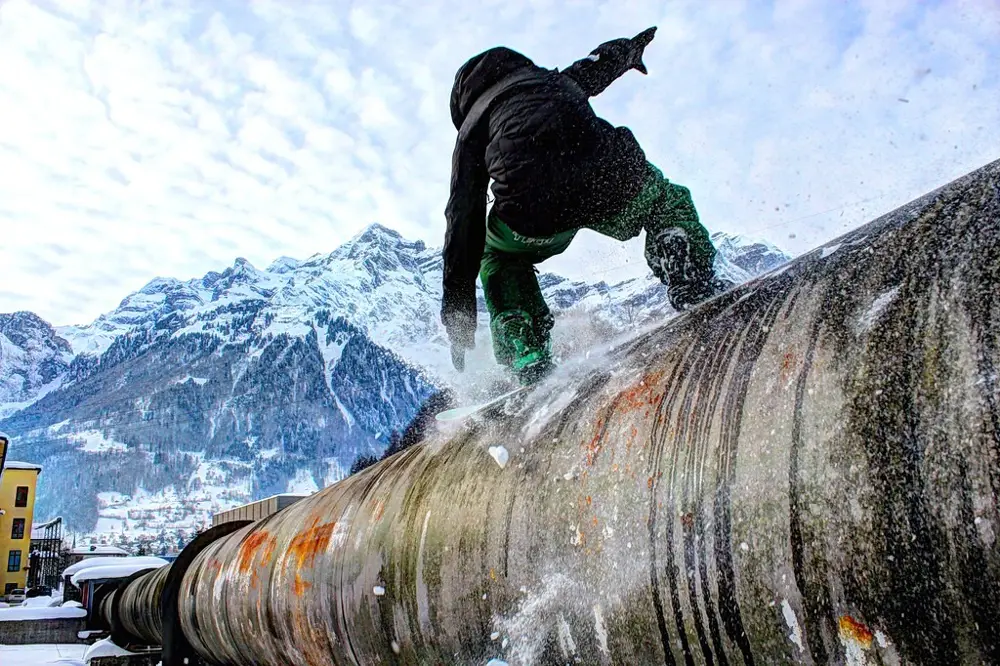
"Freestyle" covers several kinds of riding, and the ideal board for each is different. evo's park setup guide splits park riders into jibbers, jumpers and riders who do a bit of both, and suggests a different board, binding and boot setup for each.
| Style | What You Ride | Length | Flex | Profile |
|---|---|---|---|---|
| Jib | Rails, boxes, street, butters | Shorter | Soft | Rocker or flat, often rocker tips |
| Jumps and pipe | Kickers, big jump lines, halfpipe | Your regular length | Medium to stiff | Camber |
| A bit of both | Mixed park laps | Average to slightly shorter | Medium | Hybrid |
| All-mountain freestyle | Park, side hits, groomers, some powder | Middle of your range | Soft to medium | Hybrid or camber |
- Jib boards are soft and buttery so you can bend them into presses, and rocker or flat profiles make them less likely to catch an edge on a rail. The Skate Banana and Yeasayer sit at this end.
- Jump and pipe boards are stiffer with camber for edge hold on the lip and stability on landings. evo groups halfpipe riders with jump riders, and notes that pipe and jump riders often prefer stiffer boots too. The Benchwarmer is a good example.
- Do-it-all park boards like the YES. Basic, Head Space and Off Ramp mix camber and rocker with a medium flex.
- All-mountain freestyle boards like the Process stay twin but handle the whole resort. They overlap with the twin end of the all-mountain category.
Twin Shape: True Twin, Directional Twin and Asym
Shape determines how the board feels riding forward versus switch. Our types of snowboards guide covers every shape; for park riding these are the ones that matter:
- True twin: identical nose and tail, sidecut and flex, with a centered stance. It rides exactly the same switch, which helps on 180s, switch landings and rails approached either way. Most boards in this guide are true twins.
- Directional twin: a twin outline with a slight setback or a stiffer tail. It's a bit more stable going forward and still works switch. The Ride Benchwarmer uses this shape.
- Asymmetrical twin: a twin with different sidecuts on the heel and toe edges to balance heelside and toeside turns. GNU has used this design on park boards.
Because a freestyle board rides both ways, most riders set a centered stance and a duck angle. See stance and binding angles for starting points.
Flex: Soft, Medium or Stiff?
Flex is the biggest difference between freestyle boards.
- Soft: easy to press and butter and forgiving on sketchy landings, but it gets twitchy at speed and has less pop. Best for jibbing, lighter riders and progression.
- Medium: the most common choice for riders who want to hit jumps and rails. evo notes that most riders who want solid performance on both choose a medium flex.
- Stiff: more pop and edge hold for high-speed takeoffs and big landings, but harder to press and less forgiving. Best for big jumps, pipe and strong riders.
Flex ratings aren't standardized, so a "5" from one brand may not match a "5" from another. Compare boards within the same brand's scale where you can.
Camber Profiles for Park: Camber, Rocker and Hybrids
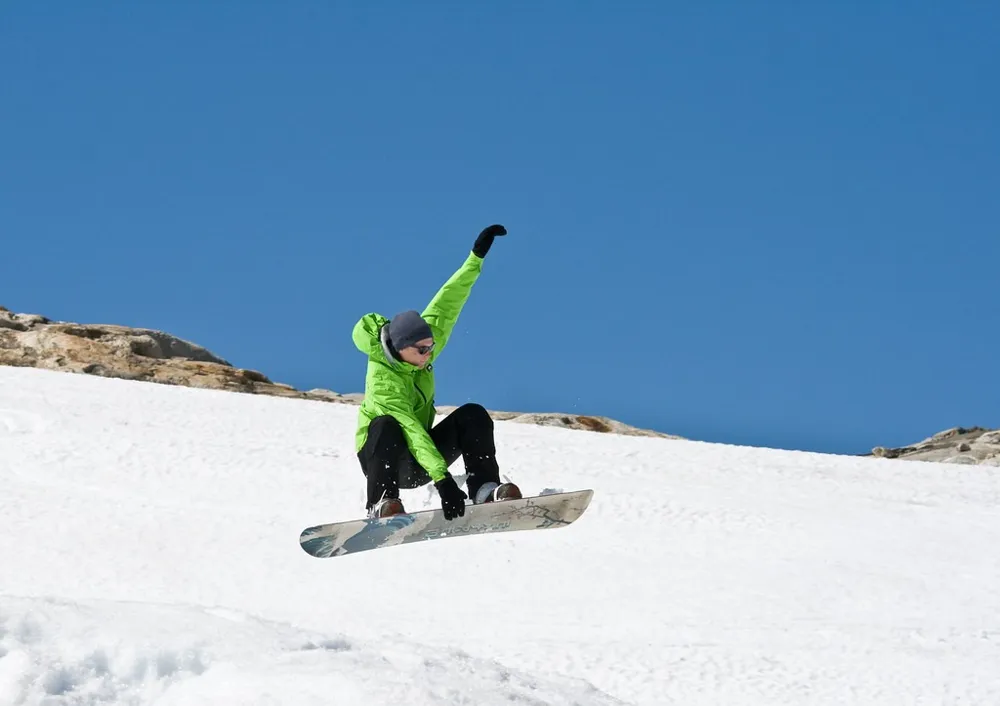
The types of snowboards guide explains how camber and rocker work. Here is what each profile means in the park:
| Profile | In the Park | Example Boards |
|---|---|---|
| Rocker or rocker-dominant hybrid | Catch-free on rails and boxes, easy butters, softer pop | Skate Banana, Glider |
| Flat between the feet | Stable and balanced, forgiving on features | Yeasayer (Flat Top) |
| Camber-dominant hybrid | Pop and edge hold with some forgiveness | Process, Head Space, Off Ramp, YES. Basic, Ultrafear |
| Full camber | Maximum pop and edge hold on jumps and pipe; less forgiving | Rome Agent, Jones Tweaker, Ride Benchwarmer |
In evo's park setup guide, a jib-focused rider says their favorite jib boards are flat in the middle rather than fully reverse camber, while a jump-focused rider prefers camber for its response and pop.
Sizing a Freestyle Snowboard
Start with your normal length from the snowboard size chart and the maker's weight range, then adjust for how you ride the park:
- Jibbing: go shorter. evo's guide recommends a short length for jib boards because it lowers swing weight, so the board is easier to spin and flip.
- Jumps and pipe: stay near your regular length. evo notes that a slightly shorter board spins more easily, but a longer one is more stable on jump landings.
- Mixed park riding: anywhere from average to slightly short, based on preference.
- Boot size: sizing down also narrows the waist on many boards. If you wear big boots, check for a wide (W) size so your toes and heels don't drag.
Weight matters more than height: a rider below a board's weight range won't flex it properly, and a rider above it will overpower it.
Edges, Bases and Durability
Park riding is hard on boards. Rails and boxes scrape bases and wear down edges, and hard landings stress the core. Look at these details:
- Base: an extruded base is cheaper, easier to repair and needs less frequent waxing, which suits rail riders who expect damage. A sintered base is faster and holds wax better, which helps on jumps where you need speed. The Process, Basic, Tweaker and Agent use sintered bases; the Spring Break Stairmaster and the women's Nitro Optisym use extruded bases.
- Edge tech: some makers add durability or grip features for the park, such as Ride's Cleave edges, Nitro's Railkiller edges and Lib Tech and GNU's Magne-Traction serrated edges.
- Impact protection: some boards add impact plates or damping under the bindings, like the double impact plates on the Ride Benchwarmer.
- Detuning: some jib riders lightly dull the edges near the tip and tail so they're less grabby on rails. You can't undo it easily, so ask a shop before you file anything.
Pairing Bindings and Boots With a Park Board
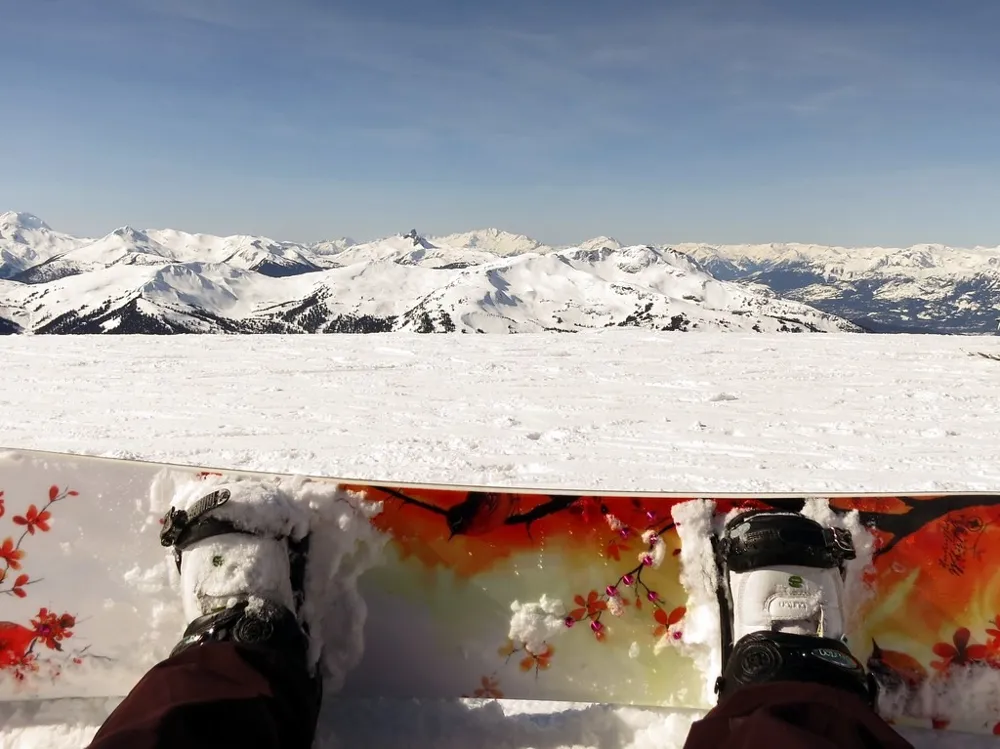
Your bindings and boots should match the board's flex and the way you ride:
- Jibbing: soft bindings and softer boots give you more forgiveness on imperfect landings and make presses easier.
- Jumps and pipe: moderate to stiff bindings with good shock absorption, and often stiffer boots for precise edging and support on big landings.
- A bit of both: medium-flex bindings that forgive new tricks but still respond when you need them.
Even soft boots should fit snugly. Compare options in snowboard bindings and snowboard boots. A soft, forgiving binding like the Burton Freestyle Re:Flex suits jib and newer park riders.
Burton Freestyle Re:Flex on AmazonWomen's and Kids' Freestyle Boards
Women's freestyle boards are usually narrower and softer to suit smaller boots and lighter riders. The Lib Tech Glider and Burton Yeasayer are women's twins, and the YES. Basic and Jones Tweaker also come in women's versions. Many women ride unisex park boards in shorter sizes, so choose by weight, boot size and flex rather than the label. See women's snowboards and women's snowboard boots.
Kids' boards are almost all soft twins, which already suits freestyle. Burton's After School Special package, for example, has a twin shape, a Flat Top bend and Easy Bevel edges that help prevent catching an edge. Kids grow fast, so size within the recommended range rather than far ahead. See kids' snowboards for sizing.
Park Safety and Protective Gear
A new board won't replace good habits. Before hitting features, read through Park SMART, park signs and etiquette in our snowboard tricks for beginners guide, and start on the smallest features. A helmet is standard park gear, and many riders add impact shorts and wrist guards. If you are still learning to link turns and stop, a forgiving beginner snowboard is a better first step than a stiff park board.
Caring for a Park Board
- Wax often, especially sintered bases; see how to wax a snowboard.
- Fill base gouges from rails with P-tex, or let a shop repair deep core shots before water gets into the core.
- Check for edge cracks and delamination after hard landings.
- Check binding screws regularly; park impacts can loosen them.
- Dry the board and store it out of the sun between sessions.
Related Guides
Learn your first tricks with snowboard tricks for beginners, check your length on the snowboard size chart and find out whether you ride goofy or regular. Skiers can compare twin tip skis and freestyle skiing.
Frequently Asked Questions
What is a freestyle snowboard?
A board built for the terrain park and tricks: usually a true twin shape with a centered stance and a soft to medium flex, so it rides the same forward and switch and is easy to press, spin and butter.
Should a freestyle snowboard be shorter?
Often, yes. Shorter boards have less swing weight, so they spin and press more easily, which is why many jib riders size down. Riders who hit big jumps often stay closer to their normal length for stability on landings.
Is camber or rocker better for park riding?
Rocker and flat-rocker boards are more forgiving on rails and boxes because the contact points sit off the snow. Camber gives more pop and edge hold for jumps and halfpipe. Hybrid profiles mix the two for riders who do both.
Can you ride a freestyle snowboard all over the mountain?
Yes, especially an all-mountain freestyle board with medium flex and some camber. Very soft jib boards feel less stable at speed and float less in deep powder than directional all-mountain boards.
Are freestyle snowboards good for beginners?
Soft, forgiving twin boards can be easy to learn on, and some, like the Burton Yeasayer, are pitched at newer riders. Stiff jump and pipe boards are better left until you have solid control.
What is a true twin snowboard?
A board with an identical nose and tail, the same sidecut at both ends, the same flex both ways and a centered stance, so it rides exactly the same regular or switch.
What bindings go with a freestyle snowboard?
Match binding flex to how you ride the park: softer bindings for jibs and buttering, medium for a bit of everything, and stiffer bindings and boots for big jumps and pipe.