The Best Women's Snowboard Boots for Every Rider (2026)
Nine women's snowboard boots from soft and forgiving to supportive and precise, with a guide to flex, lacing, sizing, warmth and fit.
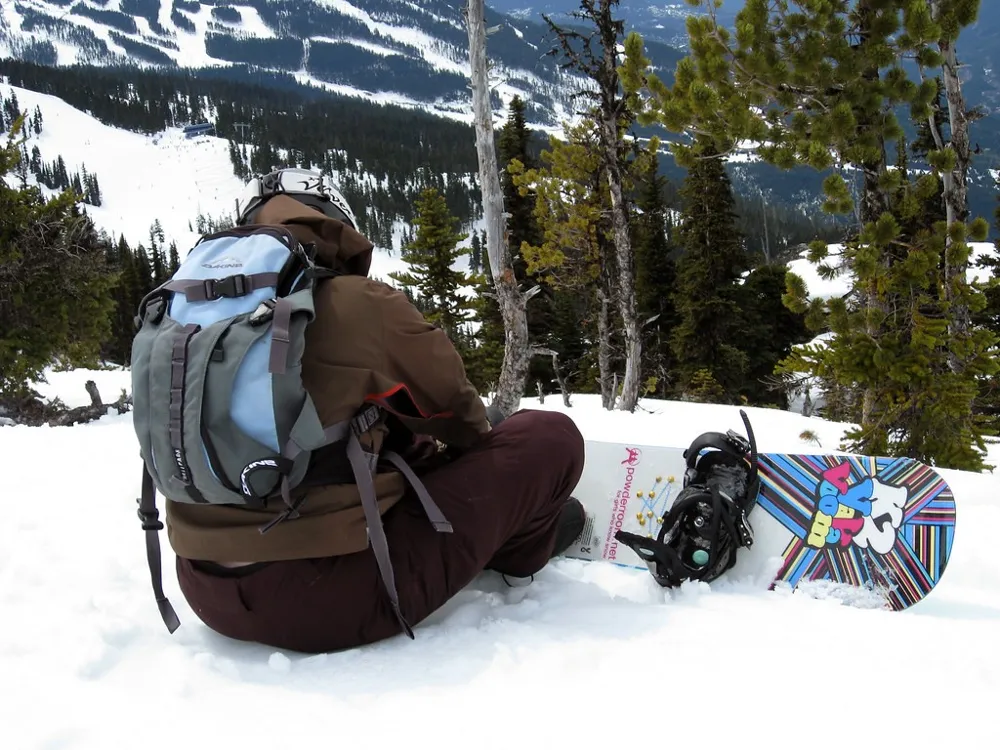
What Makes a Women's Snowboard Boot Different?
Boots are the part of your setup you feel all day. A boot that fits keeps your heel locked down, lets your toes move and stays warm; a boot that doesn't will cut your day short no matter how good your board is. Women's snowboard boots are built around a few common differences in foot and leg shape:
- A narrower heel and ankle, so the heel stays put when you lean forward. REI describes women's boots as customized for "narrow heels".
- A lower, shaped cuff that fits the calf without pressure, and on some models an adjustable calf strap.
- A softer flex on average. Most women's boots fall in the soft-to-medium range, which suits lighter riders and makes learning easier.
- Smaller sizes, with several models starting at a women's US 4 or 5.
That doesn't mean every woman needs a women's boot. Fit comes first, then flex, then lacing. The nine boots below are women's models from established snowboard brands. Pair them with a board from our best women's snowboards guide.
Burton Limelight BOA
Best for most riders
- Medium flex for all-mountain riding
- Dual Zone BOA with two dials
- Heat-moldable liner with Thinsulate insulation
Burton Mint BOA
Best for beginners
- Soft to medium, forgiving flex
- Single BOA dial plus inner liner lacing
- Regular and wide widths
Salomon Ivy BOA SJ
Best heel hold
- Str8jkt BOA Pro 3-point heel harness
- Heat-moldable liner
- Women's sizes from 4
Women's Snowboard Boots Compared
| Boot | Flex (Maker's Rating) | Lacing | Liner | Best For |
|---|---|---|---|---|
| Burton Limelight BOA | Medium | Dual Zone BOA | Imprint 2, heat-moldable, Thinsulate | All-mountain, most riders |
| Burton Mint BOA | Soft to medium | Single BOA + inner lacing | Imprint 1+, heat-moldable | Beginners, park |
| Salomon Ivy BOA SJ | Medium | BOA + 3-point heel harness | Heat-moldable | Intermediate to advanced |
| Ride Hera | Medium | BOA + Tongue Tied ankle BOA | Intuition Support Foam | All-mountain, calf fit |
| thirtytwo Lashed Double BOA W's | Medium | Dual-zone BOA | Intuition, heat-moldable | All-mountain and freestyle |
| DC Lotus BOA | Medium | Dual Zone BOA | Response Liner II | All-mountain |
| Ride Sage | Medium | BOA + liner lacing | Intuition Plush Foam | All abilities, value |
| Burton Felix Step On | Medium | Sequence BOA + Step On | Imprint 3, heat-moldable | Quick entry |
| Vans Encore OG | 4–5 (Vans scale) | Single BOA | V1 UltraCush, heat-moldable | Beginner to intermediate |
Flex ratings are each maker's own and aren't directly comparable across brands. Specs are from each maker's product page; check the current season's version and size range before buying.
The Best Women's Snowboard Boots
1. Burton Limelight BOA
The Limelight is Burton's all-round women's boot. It uses Dual Zone BOA with Coiler dials, so you can tighten the upper and lower foot separately, and a heat-moldable Imprint 2 liner with 3M Thinsulate insulation. A reflective foil underfoot is designed to bounce heat back to your feet, and the DynoGRIP outsole adds B3 Gel cushioning at the heel. Burton rates the flex as medium for "a bit of everything". Sizes run women's 4 to 10, and Burton lists a wide version for extra forefoot room.
Good to Know
- Two-zone fit adjustment
- Insulated liner for cold days
- Wide width offered
Watch Out For
- Not offered in a Step On version
2. Burton Mint BOA
A soft, forgiving boot that Burton describes as "quick to adjust". A single BOA dial tightens the shell, and integrated lacing on the inner cuff snugs the Imprint 1+ heat-moldable liner. The DynoLite outsole is lightweight, and the soft-to-medium flex suits learning and playful riding, including the park. Sizes run women's 4 to 11 in regular and wide widths, which is unusually broad.
Good to Know
- Easy on the feet while learning
- Regular and wide widths
- Simple one-dial system
Watch Out For
- Soft flex gives less support at speed
3. Salomon Ivy BOA SJ
The Ivy is built for heel hold. Its Str8jkt BOA Pro 3-point harness is tightened by the BOA system to pull the heel back into the pocket, and the liner uses heat-moldable multidensity foam for a custom fit. Salomon lists a women's-specific fit, a medium flex, a Feather 2.0 outsole with Contagrip rubber and an OrthoLite insole, and aims it at intermediate and advanced all-mountain riders. Sizes start at women's 4, and Salomon's 1:1 lasting changes the liner with every half-size shell change.
Good to Know
- Strong heel lock
- Small sizes available
- Light outsole
Watch Out For
- Single main dial, so less zoned adjustment than dual-dial boots
4. Ride Hera
Ride's all-mountain women's boot targets the calf and ankle. C.A.T. (Calf Adjustment Technology) is a hook-and-loop cuff adjustment for a custom calf fit, and the Tongue Tied BOA ankle system replaces a traditional harness. It's built on Ride's women's-specific Jade Last with a removable Intuition Support Foam liner, heat-reflective foil and a dual-density footbed. Ride calls it a medium-flexing boot, in women's 5 to 11.
Good to Know
- Adjustable calf fit
- Intuition foam liner
- Ankle-specific BOA zone
Watch Out For
- Several adjustment systems to learn
5. thirtytwo Lashed Double BOA W's
A team-favorite boot with what thirtytwo calls a "well-balanced medium flex". A dual-zone BOA system with an H5 Coiler on the tongue tightens the shell, an internal harness holds the heel, and a heel hold kit is included. The Intuition liner is thermoformable, with Energy Foam cushioning for landings. A good choice for all-mountain riders who also spend time in the park. REI lists women's sizes 6 to 10.
Good to Know
- Cushioned for jumps and landings
- Heel hold kit included
- Heat-moldable Intuition liner
Watch Out For
- Narrower size range than most
6. DC Lotus BOA
DC's women's boot has a Dual Zone BOA system with two H4 dials and DC's "playful medium flex". The multi-layer Response Liner II adds a 360° power strap and latex J-bars for ankle support, and the Unilite outsole is designed for board feel and grip. DC also sells a Lotus Step On version.
Good to Know
- Two independent dials
- Ankle-support liner
- Step On version available
Watch Out For
- Some riders report it runs small; try it on
7. Ride Sage
The Sage brings Ride's women's fit features to a simpler boot. It uses a BOA dial with The Closer lace guide, Lock Down Turbo liner lacing, the C.A.T. calf strap and the Jade Last. The removable Intuition Plush Foam liner has internal J-bars, and the Grip Lite 2.0 outsole has rubber pods for traction. Ride calls it "a medium flexing boot for riders of all ability levels". Women's 5 to 11.
Good to Know
- Calf adjustment at a lower price tier
- Suits a wide range of abilities
Watch Out For
- Single dial for the whole shell
8. Burton Felix Step On
The Felix is Burton's women's Step On boot: you click in at the toe and heel with no straps. A Sequence BOA dial runs two lace paths, the Women's Imprint 3 liner is heat-moldable, the DRYRIDE Heat Cycle lining manages moisture and a Vibram outsole grips on icy walks. Regular and wide widths are listed. Burton states the boot is only compatible with Step On bindings, so it's a boot-and-binding decision; see our step-on snowboard bindings guide.
Good to Know
- Fast entry with no straps
- Vibram outsole
- Wide width offered
Watch Out For
- Works only with Step On bindings
- Premium price tier
9. Vans Encore OG
A classic beginner-to-intermediate boot with Vans styling. Vans rates the flex 4 to 5 on its scale and pairs a single BOA dial with the V1 harness, a heat-moldable V1 UltraCush liner, a PopCush footbed with arch shaping and a Waffle Lug outsole. It's aimed at all-mountain and park riding. It's sold mainly through Vans and snowboard shops; our Vans snowboard boots review covers the lineup.
Good to Know
- Forgiving flex
- Heat-moldable liner at an entry level
Watch Out For
- Simplest harness in the Vans range
How to Choose Women's Snowboard Boots
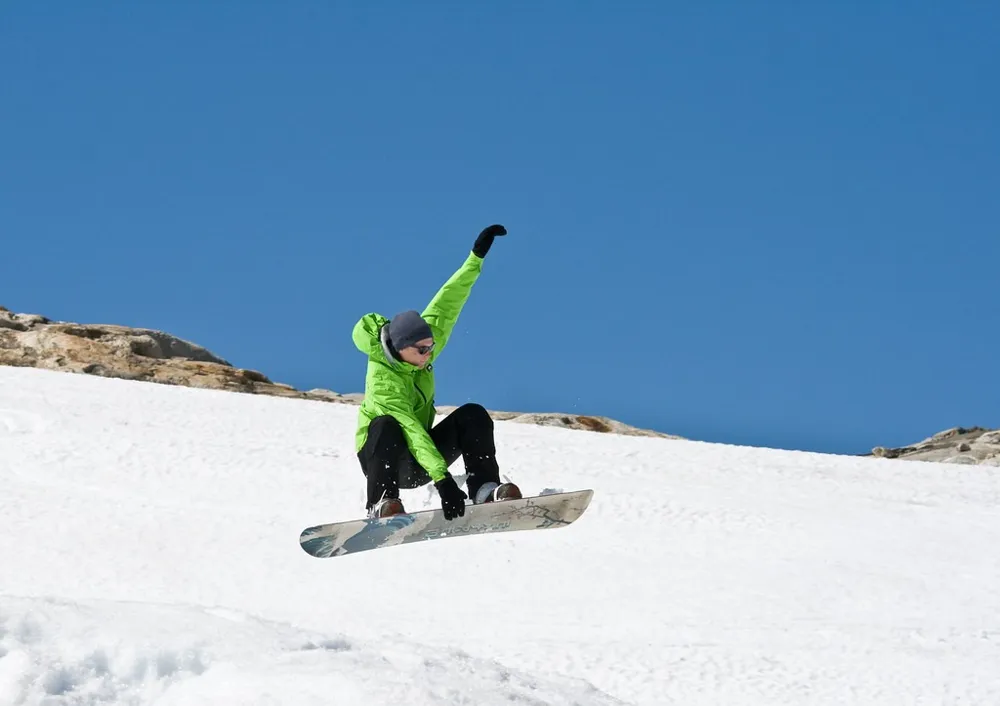
Start with how you ride. Flex, the stiffness of the boot when you lean forward and sideways, is the biggest performance choice after fit. Flex numbers are set by each brand, so a "soft" boot from one maker can feel stiffer than a "soft" boot from another.
| Flex | Feels Like | Good For |
|---|---|---|
| Soft | Comfortable, forgiving, easy to flex | Beginners, park, butters and jibs, lighter riders |
| Medium | Balanced support and mobility | All-mountain riders who ride a bit of everything |
| Stiff | Quick edge response, supportive at speed | Advanced riders, carving, freeride and backcountry |
Match the boot to your bindings and board as well: a stiff boot on a soft park board, or a soft boot on a stiff freeride board, sends mixed signals. If you're still learning, our beginner snowboarding tips and beginner snowboards pair well with a soft to medium boot.
Lacing Systems: BOA, Speed Lace and Traditional
No lacing system is better for everyone; choose what feels best on your feet and is easiest for you to use with gloves on.
| System | How It Works | Pros | Cons |
|---|---|---|---|
| Single BOA dial | One dial tightens a steel or textile cable | Fast, glove-friendly, easy micro-adjustments | One tension across the whole foot |
| Dual-zone BOA | Two dials for the lower foot and upper cuff | Zoned fit, snug ankle without crushing toes | More parts, usually a higher price tier |
| Speed lace (quick-pull) | Pull handles tighten lace zones, then lock | Fast, zoned tightening | Can create pressure points; harder to get fully tight |
| Traditional laces | Classic laces tied by hand | Fine control, cheap to replace | Hard to tie with gloves; can loosen during the day |
| Hybrid | Combines two systems, such as laces plus a BOA heel zone | Customizable | More to adjust |
Inside the shell, many boots also have a liner lace or an internal harness that pulls the heel back. Women with narrow heels often find these features matter more than the outer lacing.
Liners, Heat Molding and Break-In
The liner does most of the cushioning, insulation and fine fitting. Most are EVA foam; removable liners can be pulled out to dry overnight.
- Stock liners have standard padding and gradually conform to your foot.
- Thermoformable liners mold with your body heat and, according to REI, break in after about a day of riding.
- Heat-moldable liners (Burton Imprint, Intuition, Vans UltraCush and others) can be heated in a shop oven for a custom fit. A shop with boot-fitting experience is the best place to do it.
New boots should feel snug. evo's boot guide notes that most boots need several days of riding to pack out to their true size, so a boot that feels roomy in the store will feel loose by midseason. Aftermarket footbeds won't fix a poorly fitting boot, but they can make a good one more comfortable.
Sizing and Fit
Snowboard boots use standard US sizes, but fit varies by brand and even by model, so try before you commit if you can. As a reference, Burton's women's chart maps sizes like this:
| Women's US | EU | Mondopoint (cm) |
|---|---|---|
| 5 | 35 | 22.0 |
| 6 | 36.5 | 23.0 |
| 7 | 38 | 24.0 |
| 8 | 40 | 25.0 |
| 9 | 41 | 26.0 |
| 10.5 | 42.5 | 27.5 |
| 11 | 43 | 28.0 |
Other brands' charts differ slightly. To get the fit right:
- Measure your foot in centimeters and use Mondopoint to compare brands and men's and women's sizes.
- Try boots in the afternoon, when your feet are largest, wearing one thin snowboard sock.
- Stand straight: your toes should lightly brush the front. Bend your knees: they should pull back slightly.
- Lean forward: your heel shouldn't lift. Heel lift costs control and causes blisters.
- Keep them on for a while in the store, flexing as if riding, and note any pressure points.
Wide feet? Look for wide versions (Burton lists wide widths for the Limelight, Mint and Felix) or try a men's or unisex boot in your Mondopoint size. Avoid buying a longer boot just to get more width.
Women's Boots vs Men's or Unisex Boots
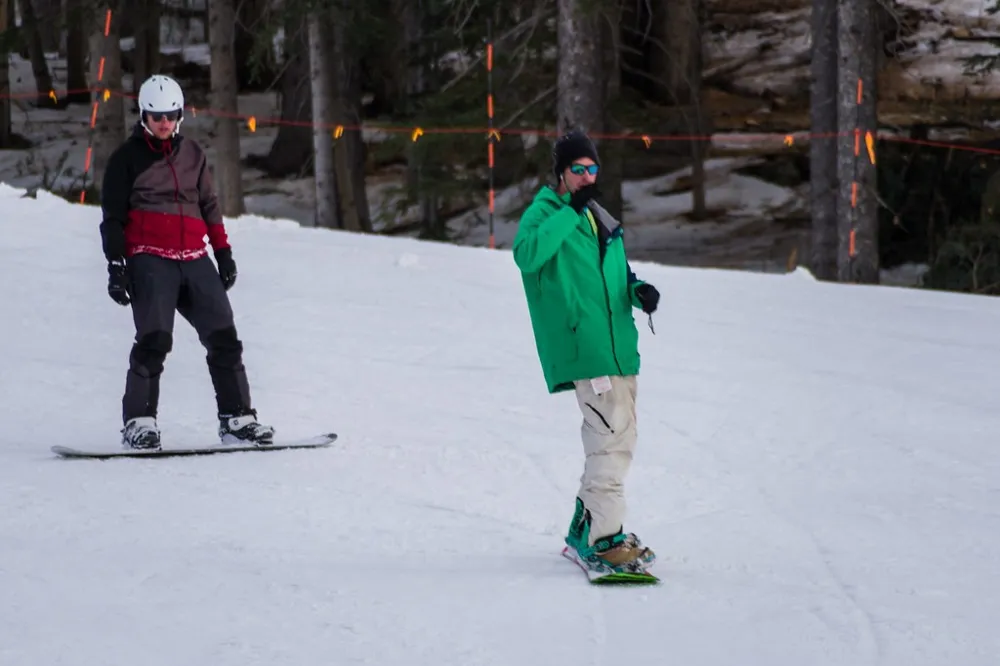
A women's-specific boot is the right starting point for most women, because the narrower heel and lower cuff fit more feet. But anatomy varies, and fit is personal. Women with larger or wider feet, or those who want a stiffer boot than most women's lineups offer, sometimes fit a men's or unisex model better. The reverse also happens: some riders with small, narrow feet fit women's boots best regardless of gender.
When you compare, use Mondopoint rather than the number on the box, and check the flex and features rather than the color or the label. Our main snowboard boots guide covers unisex and men's models, and the same fit rules apply to women's ski boots if you do both sports.
Warmest Women's Snowboard Boots: What Keeps Feet Warm
Cold feet are one of the most common reasons to cut a snow day short. No boot is warm if it's too tight, wet or worn with thick socks, so start with fit. Then look for warmth features makers list:
- Insulated liners: the Burton Limelight's Imprint 2 liner uses 3M Thinsulate insulation.
- Reflective underfoot layers: Burton, Ride and others use a foil layer under the foot to reflect heat back up.
- Moisture management: linings like Burton's DRYRIDE Heat Cycle move sweat away; damp feet get cold fast.
- Removable liners so you can dry them fully each night.
Day-to-day habits matter as much as the boot. Wear one thin to medium wool or synthetic sock (never cotton or two pairs), loosen your boots on the lift, and store boots somewhere warm overnight. A heated boot bag or boot dryer helps, and battery-heated socks or the boot heaters in our heated boots guide are worth considering for very cold feet. Our ski socks guide also applies to snowboarding.
Step On and Other Quick-Entry Boots
Step-in systems let you click into your bindings without sitting down. Burton's Step On is the best-known example: the boot clips in at the heel and both sides of the toe. Step On boots, including the Felix above and the DC Lotus Step On, need Step On bindings and won't work in regular strap bindings. Rear-entry bindings from other brands, by contrast, work with ordinary boots. Our step-on bindings guide explains the systems and their compatibility.
Boot Size, Board Width and Bindings

Your boot size affects which board and binding size you need. evo's sizing advice notes that riders with smaller boots (under about a size 7) can use narrower boards, and that boot overhang on the board is a better check than charts alone: your toes and heels should sit just over the edges without dragging in a deep carve.
- Binding size: pick by boot size from the binding maker's chart. Women's bindings are sized for women's boots.
- Low-profile boots have shorter outsoles, which reduces overhang.
- Stance and angles: set up your stance after you have the boots; see stance and binding angles.
For board length and width, use our snowboard size chart.
Colors and Style: Black, White and Pink Boots
Many women's boots come in several colorways each season, such as black, white, neutral and pink options. Color has no effect on fit or performance, so choose the boot first and the color second. Black boots hide scuffs and dirt; white and light colors show wear sooner. Colorways change from year to year, so a past season's color in your size can be a good find. Match your boots to your snowboard pants and women's snowboard jacket if you like a coordinated look; our what to wear snowboarding guide covers the rest of the outfit.
Caring for Your Boots
- Pull out the liners after each day and dry them at room temperature, away from direct heat that can damage foam.
- Loosen BOA dials and laces for storage so the liner and cables aren't held under tension.
- Check BOA cables for fraying; BOA and most boot makers offer replacement parts.
- Carry boots in a boot bag or your snowboard bag so they stay dry when you travel.
- When the liner has packed out and heel hold can't be fixed with the harness or a heel pad, it's time for new boots.
Complete Your Snowboard Setup
Once your boots fit, choose a board from our women's snowboards guide and matching bindings, then add gloves, goggles and a helmet. Keep your new board fast with our guide on how to wax a snowboard, and browse snowboard brands to learn who makes what.
Frequently Asked Questions
Are women's snowboard boots different from men's?
Yes. Women's boots are usually built on a women's-specific last with a narrower heel and a lower, shaped cuff for the calf, and most sit in the soft-to-medium flex range. Sizes also start smaller.
Can women wear men's or unisex snowboard boots?
Yes, if they fit. Women with wider feet or larger sizes sometimes fit a men's or unisex boot better. Compare sizes in Mondopoint (centimeters) rather than by the shoe-size number.
Should snowboard boots feel tight when new?
Snug, not painful. Your toes should lightly touch the front when you stand straight and pull back slightly when you bend your knees, and your heel should not lift. Liners pack out over the first few days of riding.
What flex should a beginner woman choose?
A soft to medium flex. Softer boots are more forgiving and comfortable while you learn, and most women's boots are designed in that range.
What happens if my snowboard boots are too big?
Your foot moves inside the boot, so turns feel slow and vague, your heel lifts and you can get blisters and cramped toes from over-tightening. Buying boots too big is one of the most common fitting mistakes.
How do I keep my feet warm in snowboard boots?
Wear one thin wool or synthetic sock, don't over-tighten the boot, dry the liners every night and start the day with warm, dry boots. Insulated liners and reflective footbeds help, and heated socks are an option for cold feet.
Do Step On boots work with regular bindings?
No. Burton states that its Step On boots work only with Step On bindings. Regular strap bindings need regular boots.