Riding an E-Scooter in the Rain: IP Ratings, Risks and Tips (2026)
Sometimes, and only within your scooter's rating. Here's what IP codes really mean, what makers and warranties say, and how to ride, dry and charge after a wet trip.

The Short Answer
You can ride some electric scooters in light rain, but it's rarely a good idea and on many models it isn't allowed by the maker. Three things decide it:
- Your scooter's water rating. An IP rating such as IPX4 or IPX5 means it resisted splashes or water jets in a lab test. It does not mean waterproof, and it doesn't cover puddles you sink into.
- What the maker and warranty say. Several major brands tell owners not to ride in rain, and water damage is a common warranty exclusion.
- The road. Wet pavement, painted lines and metal covers cut grip, brakes take longer to stop you, and drivers see you less well.
If you get caught out, slow down, avoid standing water, get home, and let the scooter dry fully before you charge it. The rest of this guide explains each step.
| Situation | Ride? | Why |
|---|---|---|
| Damp roads after rain, scooter rated IPX4 or higher | Usually OK if the manual allows it | Spray and splashes are what splash and jet ratings test for |
| Light drizzle, rated scooter, short trip | With care, if the manual allows it | Longer stopping distances and lower visibility |
| Steady or heavy rain | No | Water reaches seams and connectors; many makers prohibit it |
| No IP rating listed | No | No tested protection at all |
| Flooded streets or deep puddles | No | Immersion isn't covered below IPX7, and hazards are hidden |
| Thunderstorms, snow or ice | No | Safety risks go well beyond water damage |
What IP Ratings Mean
An IP (Ingress Protection) code comes from the international standard IEC 60529. It has two digits. The first is protection against solid objects and dust, from 0 to 6. The second is protection against water, from 0 to 9. An X in either place means that part wasn't tested or rated, so IPX5 means a water rating of 5 with no dust rating given.
Here's what the water digit means, based on the test descriptions summarized from the standard:
| Second Digit | Protection Against | Test in Brief | What It Means on a Scooter |
|---|---|---|---|
| 0 | Nothing | No test | Keep it dry |
| 1 | Vertically dripping water | Drips for 10 minutes | Not for riding in the wet |
| 2 | Dripping water with the unit tilted up to 15° | Drips for 10 minutes | Not for riding in the wet |
| 3 | Spraying water up to 60° from vertical | Spray for at least 5 minutes | Light drizzle protection only |
| 4 | Splashing water from any direction | Splashing for at least 5 to 10 minutes | Road spray and brief showers |
| 5 | Water jets | 6.3 mm nozzle, 12.5 liters a minute, from 3 m | Heavier spray, but not a soaking |
| 6 | Powerful water jets | 12.5 mm nozzle, 100 liters a minute, from 3 m | Strong spray resistance; rare on scooters |
| 7 | Temporary immersion | Up to 1 m for 30 minutes | Brief immersion in a lab, not a license to ride through floods |
| 8 | Continuous immersion | Depth and time set by the maker, beyond IPX7 | Check the maker's exact limits |
| 9 | Close-range, high-pressure, hot water jets | 80°C water at high pressure | Industrial wash-down rating |
Ratings you'll often see on scooters include IP54 (dust protected, splash resistant), IPX4 and IPX5. A few points trip people up:
- Ratings above 6 are not cumulative. An IPX7 product isn't automatically rated for jets as well. Products tested for both list both, such as IPX5/IPX7.
- The rating describes how the scooter did in its lab test. Seals age, cable grommets loosen, and crashes or DIY repairs can open gaps, so an older scooter may resist less water than its rating.
- No rating, no protection claim. If a listing gives no IP code, assume the scooter hasn't been tested for water.
Water-Resistant Is Not Waterproof: What Makers Say
Even scooters with a water rating usually come with cautious advice. Here's what two of the biggest brands publish, as of November 2026:
| Model or Document | Listed Rating | What the Maker Says About Rain |
|---|---|---|
| Xiaomi Electric Scooter 4 Pro Plus series | IPX4 | Outdoor riding is prohibited on rainy days, and riding in snow or other bad weather isn't recommended |
| Xiaomi Electric Scooter 5 | IPX5 | Described as suitable for light rain and wet conditions, but not fully waterproof and not to be submerged; the same page also says not to ride in severe weather such as rain |
| Xiaomi Electric Scooter 6 | IPX5 | Can't withstand prolonged rain or snow; outdoor riding in bad weather isn't advised |
| Segway Important Information document published for the Ninebot KickScooter MAX G2 | Not stated in the document | Don't ride in rain, snow or strong wind or on wet, muddy or icy roads, and don't let the scooter get wet; a wet battery pack risks damage and fire |
The pattern is clear: a rating is there to survive the splash from a wet road or an unexpected shower, not to make rain riding routine. Treat your own manual as the final word, because it can differ between models from the same brand. If you're shopping, the best electric scooters guide and our electric scooter brands overview are good places to compare listed ratings.
Warranties and Water Damage
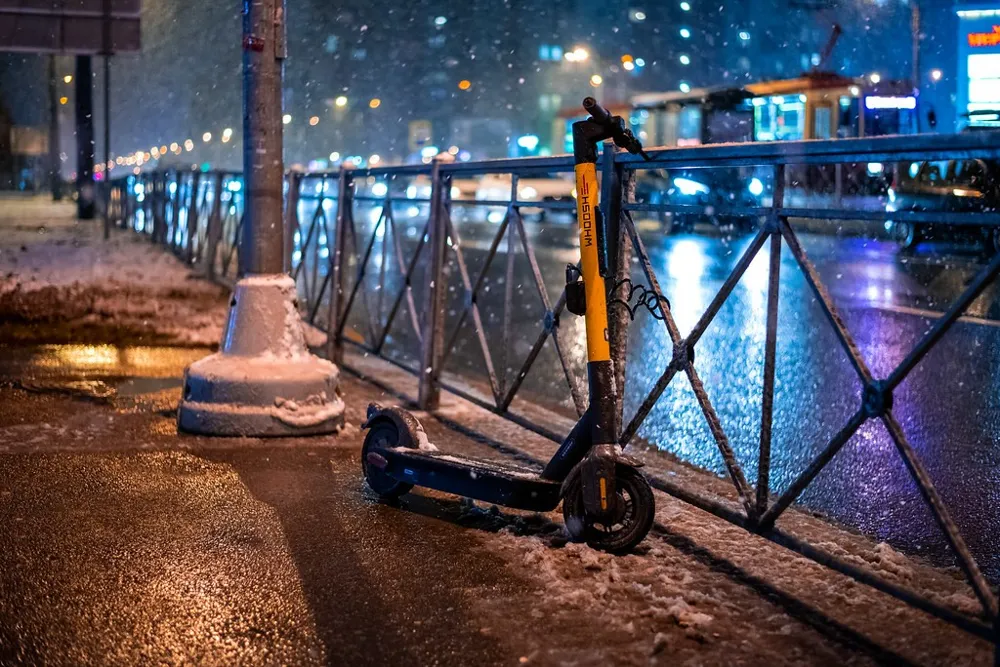
Water damage is one of the most common warranty exclusions on electric scooters, and it often applies even to rated models. One verified example: Segway's North American limited warranty for the Ninebot KickScooter Max G2 lists water damage and high-pressure water spray among the things it doesn't cover, along with damage from riding in unsafe road conditions or environments.
Before you ride in the wet:
- Read the warranty's exclusions, not just the IP rating on the box. A rating and a warranty are separate promises.
- Don't add DIY waterproofing such as silicone or opening the deck to seal it, while the scooter is under warranty. Opening or modifying a scooter can void cover, and Segway tells owners not to disassemble a wet scooter to dry or inspect it.
- Keep your receipt and the model number handy. If something fails after a wet ride, contact the seller or maker and describe what happened accurately.
- Check renters or home insurance separately if you want theft or damage cover; a warranty only covers defects.
Why Wet Roads Are Risky: Braking and Grip
Most rain crashes on scooters come down to traction. Small wheels have a small contact patch, so there's less rubber holding you to the road when it's wet. Watch for these:
- Longer stopping distances. Wet tires grip less and wet brakes bite less sharply, so you need more room to stop. Leave a much bigger gap to cars and other riders.
- Slippery surfaces. Painted lines and crosswalks, manhole and utility covers, metal plates, tram and rail tracks, cobblestones, wet leaves and oily patches at intersections are the worst. Ride straight across them, without braking or turning.
- The first rain after a dry spell can bring oil and grime to the surface and be especially slick.
- Visibility. Rain cuts how far you can see and how easily drivers see you, especially at dusk and at night.
Tires make a big difference. Air-filled (pneumatic) tires grip wet pavement better than solid or honeycomb tires, and a street tread's grooves help clear water. Worn, smooth or cracked tires are a serious hazard in the wet, so check your tread before the season. Keep pressure within the range in your manual or on the sidewall. Our electric scooter tires guide covers tread types, pressure and when to replace.
| Part | Effect of Rain | What to Do |
|---|---|---|
| Disc brakes | Water on the rotor delays the bite | Brake lightly early to wipe the rotor, then brake progressively |
| Drum and electronic brakes | Enclosed or motor-based, but tire grip still limits stopping | Brake earlier and smoothly |
| Foot (fender) brake | Wet fender and tire can slip | Use it as a backup, not your main brake |
| Pneumatic tires | Best wet grip of the common types | Check tread and pressure |
| Solid or honeycomb tires | Lowest wet grip | Avoid wet riding where you can |
When Not to Ride at All
Some conditions call for walking, a bus or a ride share, whatever your scooter's rating:
- Your manual prohibits rain riding, or the scooter has no IP rating.
- Thunderstorms, strong wind, snow, sleet or ice.
- Heavy or steady rain, where water gets into seams no matter the rating.
- Flooded roads or water you can't see the bottom of.
- Poor visibility, such as heavy rain at night or fog, when you can't see the road surface clearly.
- Your brakes, lights or tires aren't in good shape, or the battery is low enough that you might lose power on the way.
- You're new to riding. Learn on dry pavement first; our how to ride an electric scooter guide covers the basics.
Shared and rental scooters deserve extra caution: you don't know their water rating, tire condition or brake wear, and the operator's terms decide who pays for damage. Check the app's rules and skip them in heavy rain.
How to Ride an Electric Scooter in the Rain
If you do ride in light rain, and your manual allows it, change how you ride:
- Drop a speed mode. Use eco or the lowest practical mode, which also softens acceleration so the rear wheel is less likely to spin.
- Accelerate gently. Squeeze the throttle smoothly rather than snapping it.
- Brake early and progressively. Start braking sooner than usual, keep the bars straight and use both brakes if you have two. Avoid hard braking while turning.
- Take turns wider and slower. Keep the scooter more upright and slow down before the turn, not in it.
- Cross hazards straight. Ride over painted lines, metal covers and tracks with the bars straight, no braking and no throttle changes. Cross rail and tram tracks as close to a right angle as you safely can.
- Keep a relaxed stance. Knees slightly bent, weight centered and a firm but loose grip help you absorb a slide rather than fight it.
- Look further ahead. Scan for puddles, leaves and covers early so you can line up a safe path without sudden swerves.
- Be easy to see. Lights on, even in daytime, and bright or reflective clothing.
- Double your following distance and assume drivers haven't seen you, especially at junctions.
Puddles, Flooded Roads and Water Depth

Puddles are the quickest way to drown a scooter. The motor on most scooters sits in a wheel hub only a few inches off the ground, and the battery and controller sit in the deck just above it. Riding through water can push it past seals that only passed a splash or jet test.
- No maker we checked publishes a safe puddle depth. Treat any standing water as off-limits.
- Puddles hide potholes, curbs, glass and drain grates. A hidden hole can stop a small wheel dead.
- Only IPX7 and IPX8 ratings cover immersion, and few scooters carry them. IPX4 to IPX6 do not.
- Your own wheels throw water up. Even on wet roads without puddles, spray hits the deck underside, the stem and you, which is why fenders matter.
- If you must cross water, stop, step off and walk the scooter around it or through the shallowest edge, keeping the deck clear of the water.
Rain Gear: Fenders, Lights and Clothing
The right gear keeps you safer and drier, and keeps more water off the scooter. Start with the scooter itself:
- Full fenders (mudguards). Most scooters come with short fenders. A longer front or rear fender, or a fender extension, cuts the spray thrown onto the deck, stem and your legs. Buy one made for your model so it doesn't rub the tire.
- Bright front and rear lights. Stock lights are often dim. Add a front light and a flashing rear light with their own water rating.
- Reflective tape on the stem and deck sides adds side visibility.
- Charge-port cap. Make sure the rubber cover is fully seated before every wet ride.
- Weather cover if the scooter has to be parked outside.
Then dress for it: a waterproof jacket with reflective details, waterproof pants or overtrousers, waterproof gloves for grip on wet bars, and waterproof shoes or overshoes. Clear or yellow-tinted glasses keep rain out of your eyes, and a helmet visor helps. Avoid ponchos or loose layers that can flap into the wheels. These three items have published water ratings; see electric scooter accessories and best bike lights for more options.
1. Lumos Ultra MIPS Helmet
A commuter helmet with built-in lighting. Lumos lists 30 white front LEDs, 64 red rear LEDs, turn signals controlled by an included handlebar remote or the app, CPSC and EN 1078 certification and an IPX6 water-resistance rating, with USB-C charging.
Good to Know
- Lights at head height, above spray
- Turn signals for traffic
Watch Out For
- Heavier than unlit helmets
- Needs regular charging
2. NiteRider Lumina Micro 1150
A compact front light with up to 1,150 lumens (FL1 standard, per the listing), five modes with up to 60 hours on the lowest setting, a tool-free handlebar mount, USB-C charging and an IP64 rating. Check that the clamp fits your scooter's bars or stem.
Good to Know
- Far brighter than most stock scooter lights
- Low-battery indicator
Watch Out For
- Aim it down so it doesn't dazzle drivers in the rain
3. Cygolite Hotshot Pro 200
A rear light with up to 200 lumens, six day and night modes, adjustable flash speed, IP64 water resistance and USB charging. Its mount is designed for seat posts, so on a scooter it usually goes on the stem or a rear fender bracket.
Good to Know
- Bright daytime flash modes
- Adjustable flash speed
Watch Out For
- Make sure it points backward and clears your feet
After the Ride: Drying Your Scooter
What you do in the first hour after a wet ride matters most. Follow your manual first; these steps reflect common maker and industry advice:
- Power it off as soon as you stop. Don't leave it on standby.
- Wipe it down with a dry towel: deck, stem, display, throttle, brake levers, folding latch and wheels. Wipe road grit off the brake rotors and calipers so it doesn't dry on.
- Check the charge port and its cap. If water got in, leave the cap open to dry, and don't charge.
- Let it air dry somewhere ventilated, at room temperature, ideally standing upright so water can drain. Allow at least a day after a proper soaking before you power it on; some makers and guides suggest longer.
- Skip the heat and air blasts. Hair dryers, heaters and compressed air can push water deeper or damage seals and plastics.
- Don't open it up. Segway tells owners not to disassemble a wet scooter to dry it, inspect it or repair it. If you suspect water inside the deck, contact the maker or an authorized repair shop.
- Lubricate lightly once dry: a small amount of suitable lubricant on the folding mechanism and any exposed pivots, and brake cables if your manual calls for it. Wipe off excess so it doesn't attract grime.
If the scooter was seriously soaked, Segway's safety information says to store it outdoors in a suitable place away from buildings and people until it's dry, because of the battery fire risk. Watch for warning signs over the next few days: error codes, a flickering display, lights or throttle cutting out, a burning smell, swelling, hissing or heat from the deck. If you see any of these, stop using it, keep it away from anything flammable and contact the maker.
Charging After Rain

Charging is where water and lithium-ion batteries become a real safety issue. Segway's safety information says not to charge or use the battery if it's damaged or shows any trace of water, and not to charge if the charger or power outlet is wet.
- Wait until the scooter is completely dry, including the charge port, before plugging in.
- Keep the charger dry too. Don't carry it in a wet bag or use it in a damp garage or on a wet balcony.
- Inspect the port for water, corrosion or bent pins first.
- Charge where you can watch it, on a hard surface away from exits and anything flammable, and unplug when it's done.
- Don't charge a scooter that shows any warning signs listed above.
Our electric scooter charger guide covers safe charging in detail, and how long electric scooter batteries last explains why water and impacts shorten battery life.
Storing and Protecting Your Scooter in Wet Weather
Rain riding isn't the only way water gets in. Long-term exposure matters too:
- Store it indoors where you can. Segway warns that prolonged exposure to UV rays, rain and the elements can damage the enclosure materials.
- If it must stay outside, use a breathable waterproof cover, raise it off standing water and lock it to something solid; see best electric scooter locks.
- Clean it the safe way. Segway's guidance is a soft damp cloth on the frame, no rinsing, no power washer and no strong water flow, with the charge-port cap sealed.
- Inspect regularly during wet months: tire tread, brake pads, cable housings, bolts and the folding latch for rust. Our electric scooter maintenance checklist covers a full routine.
- Think twice about DIY sealing. Some guides suggest sealing deck gaps or display edges with silicone, but fully sealing a scooter can trap condensation inside, and modifications may void the warranty.
- Buying for a wet climate? Look for a published IP rating of at least IPX5, full fenders, pneumatic tires, enclosed or drum brakes and a maker that clearly states how rain is handled in its manual and warranty.
Rainy-Day Alternatives
On days when the forecast is wet all day, the simplest option is often to leave the scooter at home. Public transit, walking or a shared ride avoids both the crash risk and the water risk. If you commute in a rainy city all year, compare an electric scooter vs an e-bike: bikes usually have larger wheels and room for full fenders, though the same water and charging cautions apply. Whatever you ride, check your local electric scooter laws on lights and where you can ride, and for board riders, see our sister guide, can you skateboard in the rain?
This guide is general safety information, not a substitute for your scooter's manual or warranty. Model ratings and maker guidance were last checked November 2026.
Frequently Asked Questions
Is it OK to ride an electric scooter in light rain?
Only if your scooter has a water rating and the maker's manual allows it. Several makers, including Xiaomi and Segway, advise against riding in rain at all, so check yours first, ride slowly and dry the scooter afterward.
Is IPX4 enough to ride in the rain?
IPX4 means the scooter resisted splashing water from any direction in a lab test. That covers road spray and a brief shower at best, not a soaking, and Xiaomi still tells owners of its IPX4-rated 4 Pro Plus not to ride outdoors on rainy days.
Does an electric scooter warranty cover water damage?
Often not. Segway's North American warranty for the Ninebot KickScooter Max G2, for example, lists water damage and high-pressure water spray among its exclusions. Read your own warranty before riding in the wet.
Can you charge an electric scooter after riding in the rain?
Wait until the scooter, the charge port and the charger are completely dry. Segway's safety information says not to charge or use a battery with a trace of water, or to charge when the charger or outlet is wet.
Can I ride my electric scooter through puddles?
Avoid it. Puddles hide potholes and their depth, and no maker we checked gives a safe wading depth. Only an IPX7 or IPX8 rating covers immersion, and few scooters carry one.
Can I wash my electric scooter with a hose?
Often not; check your manual. Segway, for example, tells owners not to rinse the scooter or use a power washer or high-pressure hose, and to wipe it with a damp cloth with the charge-port cap sealed.
Do electric scooter brakes work in the rain?
They work, but less sharply, and tires grip wet pavement less well, so stopping distances get longer. Brake earlier and more gently, and use both brakes if your scooter has two.