Bike Lights That Help You See and Be Seen on the Road (2026)
Front lights, rear lights, sets and a radar tail light from Lezyne, Garmin, Cygolite, NiteRider and Busch & Müller, with a plain-English guide to lumens, beams, batteries and the law.
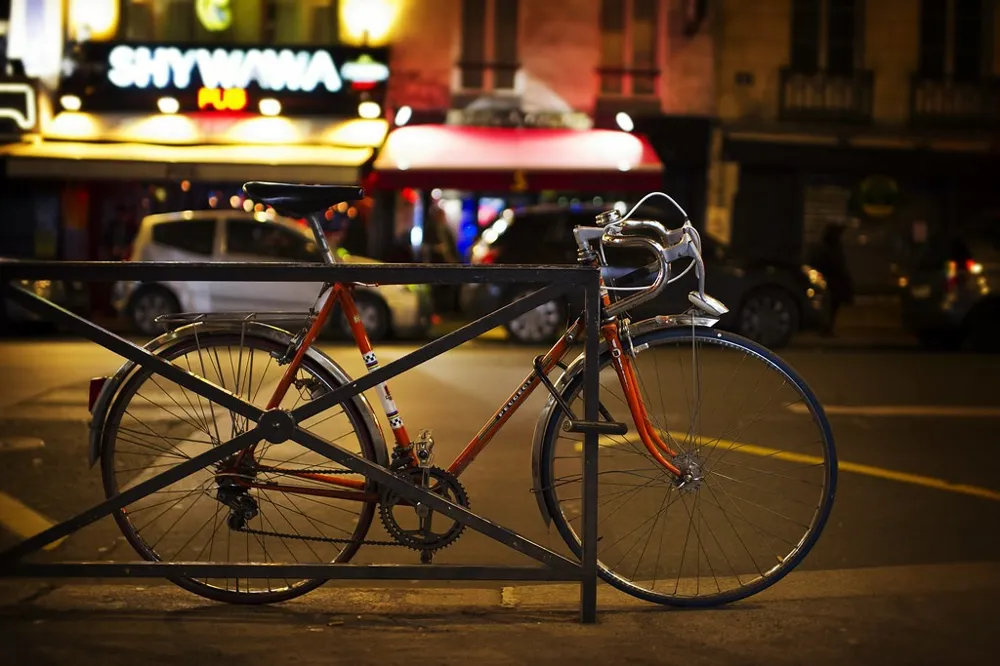
Seeing and Being Seen
A road or commuter light has two jobs. The front light has to show you the road once streetlights run out, and both lights have to make you easy for drivers to spot, at night and increasingly in daylight too. That makes a road light a different tool from a mountain bike light: it needs less raw power than a trail light, but it should not dazzle oncoming traffic, it should be visible from the side at junctions, and it needs a good daytime flash mode.
Below are five lights for commuting and road riding, chosen to cover the main types: a front and rear set, a radar tail light, a bright daytime tail light, a compact front light and a German StVZO-approved set with a cut-off beam. After the picks we explain how many lumens you need, beam shapes, run times, mounts, dynamo lights and what the law says in the US and UK. Specs come from the makers, REI and the Amazon listings as of November 2026.
Lezyne Micro Drive 800+ / Strip Drive 300+ Set
Best front and rear set
- 800-lumen front, up to 300-lumen rear
- Daytime Flash mode on the front
- IPX7 aluminum front light
Garmin Varia RTL515
Best radar tail light
- Rear radar alerts for vehicles up to 140 m
- Pairs with Edge computers and the Varia app
- IPX7, listed at 71 g
Cygolite Hotshot Pro 200
Best daytime rear light
- Up to 200 lumens
- 6 day and night modes
- User-adjustable flash speeds
Bike Lights Compared
| Light | Type | Listed Output | Water Rating | Stand-Out Feature |
|---|---|---|---|---|
| Lezyne Micro Drive 800+ / Strip Drive 300+ | Front and rear set | 800 lm front, up to 300 lm rear | IPX7 (front) | Daytime Flash mode, 270-degree rear lens |
| Garmin Varia RTL515 | Radar tail light | 65 lm | IPX7 | Radar alerts for cars approaching from behind |
| Cygolite Hotshot Pro 200 | Rear light | 200 lm | IP64 | Adjustable flash speeds |
| NiteRider Lumina Micro 1150 | Front light | 1150 lm (FL1) | IP64 | Up to 60 hours on its lowest mode |
| Busch & Müller IXON IQ Premium | Front light (set with rear) | 80 lux high, 15 lux low | Check listing | StVZO-approved cut-off beam |
Outputs are as listed by makers and retailers. Lumens and lux measure different things, so the B&M figure is not directly comparable with the others (see the beam shape section below).
The Best Bike Lights
1. Lezyne Micro Drive 800+ / Strip Drive 300+ Set
This set pairs Lezyne's Micro Drive 800+ front light with the Strip Drive 300+ rear light, which covers the front-and-rear basics for most commuters in one purchase. Lezyne lists the front light at 800 lumens from a CNC-machined aluminum body with cooling fins, with six modes including a Daytime Flash mode and up to 35 hours on its lowest "femto" setting. It has a 1,900 mAh battery, charges by USB-C (Lezyne notes the cable is not included), weighs a listed 135 g and is rated IPX7. The Amazon listing says the front mount works on handlebars and is GoPro-compatible.
The rear Strip Drive 300+ is listed with ten LEDs, output of up to 300 lumens and a lens designed to spread light across 270 degrees, which helps side visibility at junctions. That rear output is high for a tail light; use the brighter modes in daylight and a lower steady or pulse mode at night so you do not dazzle riders behind you.
Good to Know
- Front and rear in one box
- Daytime Flash mode on the front
- Wide-angle rear lens for side visibility
Watch Out For
- Front light is not StVZO-approved, so aim it down on the road
- USB-C cable not included per Lezyne
2. Garmin Varia RTL515
The Varia RTL515 is a tail light with built-in rearview radar. Per the Amazon listing it warns you of vehicles approaching from behind up to 140 meters (153 yards) away, with visual and audible alerts on a paired Garmin Edge bike computer, select Garmin watches, a Garmin radar display unit or a smartphone running the Varia app. The listing also says the app can feed radar alerts into third-party apps such as Ride with GPS, and it lists daylight visibility of up to 1 mile.
REI lists the light at 65 lumens, up to 6 hours in solid mode, 71 g and IPX7, with ANT+ and Bluetooth connections. The vertical shape mounts to most road-bike seatposts. It is a rear light only, so you still need a front light, and the radar is an aid to awareness rather than a replacement for shoulder checks.
Good to Know
- Radar warnings for traffic from behind
- Works with Garmin devices or a phone app
- Light and waterproof
Watch Out For
- Shorter run time than simple tail lights
- Rear light only; pair it with a front light
3. Cygolite Hotshot Pro 200
The Hotshot Pro 200 is a 200-lumen tail light built for being seen on busy roads by day and night. The listing describes six modes, including a steady mode (listed from 2 hours on its brightest setting up to 210 hours on its lowest), a SteadyPulse mode that keeps a steady beam with overlapping pulses so drivers can judge distance, and a DayLightning flash pattern for daylight. Its flash speeds are user-adjustable.
It comes with hard seatpost and seat-stay mounts, weighs a listed 75 g and is rated IP64 for water resistance. Cygolite says it is designed, engineered and assembled in the USA. A lower-output 150-lumen version is sold alongside it.
Good to Know
- Bright daytime flash modes
- Long run times on low steady
- Adjustable flash speed
Watch Out For
- Very bright; use a lower mode in group rides at night
- IP64 is splash-resistant, not submersible
4. NiteRider Lumina Micro 1150
For riders who leave the streetlights behind, the Lumina Micro 1150 packs up to 1,150 lumens (measured to the FL1 standard, per the listing) into a compact front light. It has five modes, four steady and one flash, with up to 60 hours on the lowest setting. A collimator lens is designed to spread a smooth, wide beam, and an aluminum heat sink helps with cooling.
The listing describes a tool-free thumb-screw mount that fits standard and oversized handlebars, a travel lock, USB-C charging, a low-battery indicator in the power button and an IP64 rating. At full power it is bright enough to dazzle, so drop to a lower mode when traffic approaches. Mountain bikers will find NiteRider's trail lights on our mountain bike lights page.
Good to Know
- Plenty of output for unlit roads
- Tool-free bar mount with travel lock
- Long run time on low
Watch Out For
- Round beam with no cut-off; aim it down
- Front light only
5. Busch & Müller IXON IQ Premium / IXBACK Senso Set
Busch & Müller is a German lighting maker, and the IXON IQ Premium is an StVZO-approved battery headlight with a shaped beam that keeps light on the road instead of in drivers' eyes. It is rated at 80 lux on high and 15 lux on low, with listed run times of 5 hours on high and 20 hours on low. Retailer specs list an integrated 2,100 mAh NiMH battery, a 4 to 5 hour charge time, a weight of about 200 g and a close-range light that brightens the road just ahead of the wheel.
The set on Amazon pairs the headlight with the IXBACK Senso rear light and includes a charger. It is heavier and has fewer modes than the other lights here, but it suits riders who want a road-friendly cut-off beam, ride in countries that require approved lights, or simply want to avoid blinding oncoming cyclists on shared paths.
Good to Know
- StVZO cut-off beam that does not dazzle
- Front and rear set with charger
- Close-range light near the wheel
Watch Out For
- Heavier than USB lights
- Fewer modes than most USB lights
How Many Lumens Do You Need?
Lumens describe how much light a lamp produces in total. More is not always better on the road: the beam has to land where you need it, and too much light aimed straight ahead blinds other road users. Two well-known guides give similar ranges for front lights:
| Riding | REI Front Light Guide | BikeRadar Front Light Guide |
|---|---|---|
| Daytime and well-lit city streets | About 200–500 lumens | About 200 lumens |
| Some streetlights, mixed roads | About 500–1,000 lumens | About 300 lumens and up |
| Unlit roads and lanes | 1,000+ lumens for fast or rural riding | About 600 lumens and up |
| Fast or rough unlit riding | 1,000+ lumens | 1,000+ lumens |
For rear lights, BikeRadar suggests roughly 20 to 100 lumens is plenty at night. Brighter rear lights such as the 200-lumen Cygolite or the up-to-300-lumen Lezyne Strip Drive earn their output in daylight flash modes. Commuters who only ride lit streets can get by with a modest front light, while anyone riding country lanes after dark should look at the 800 to 1,200-lumen range. For singletrack, see the higher outputs on our mountain bike lights guide.
Be wary of very cheap lights with very large lumen claims. Brands that publish run-time charts, beam patterns or a measurement standard such as FL1 give you more to go on.
Front Lights, Rear Lights and Sets
Every bike ridden at night needs a white light at the front and a red light or reflector at the back, and most commuters run both lights. Your three main options:
- Light sets such as the Lezyne pair are the easiest route: matched front and rear lights, often with the same charging method and a similar look.
- Separate lights let you put the money where you need it, such as a brighter front light for unlit roads or a radar tail light for busy roads.
- "Be seen" lights are small, low-output blinkers. They make you visible in lit areas but do not light the road, so they work best as backups.
Many riders also carry a small backup light in a pack or saddle bag, especially in winter when a ride home can mean more than an hour or two in the dark. Helmet-mounted lights add visibility at eye level for drivers; some bike helmets come with an integrated rear light.
Beam Shape, Cut-Off Beams and StVZO
Most USB-rechargeable front lights throw a round beam, much like a flashlight. That is fine on an empty lane, but aimed level it shines straight into the eyes of drivers and cyclists coming the other way. A cut-off beam is shaped more like a car's low beam: it puts light on the road ahead with a sharp top edge, so less light reaches oncoming eyes.
Germany's road traffic licensing rules, known as StVZO, require approved bike lights with this kind of controlled beam. Approved lights are usually rated in lux (how much light falls on a target at a set distance) rather than lumens, which is why the Busch & Müller light lists 80 lux. Some non-German brands sell road lights with a switchable StVZO-style mode alongside a brighter round beam for unlit areas. Outside Germany you do not need an approved light, but a cut-off beam is considerate on shared paths and busy roads.
- Spot beam: narrow and far-reaching; good for speed on dark lanes.
- Flood or wide beam: lights the edges of the road and path; good in town and on shared paths.
- Cut-off beam: shaped beam with a flat top edge; best for not dazzling others.
Daytime Running Lights and Flash Modes
A bright flashing light in daylight helps drivers notice you sooner, which is why many commuters keep their lights on all day. Look for a named daytime mode such as Lezyne's Daytime Flash or Cygolite's DayLightning, which are designed to stand out in sunlight.
- Steady: helps drivers judge your distance and speed; best for the front light at night.
- Flash: catches attention; best in daylight and for rear lights.
- Pulse or steady-plus-flash: a constant glow with brighter pulses, combining the two.
Flashing lights are legal in many places, including the UK, where the Highway Code recommends a steady front lamp on unlit roads. In a group ride, switch a very bright rear light to a steady or lower mode so it does not dazzle the rider behind you.
Battery Life, Run Time and Charging
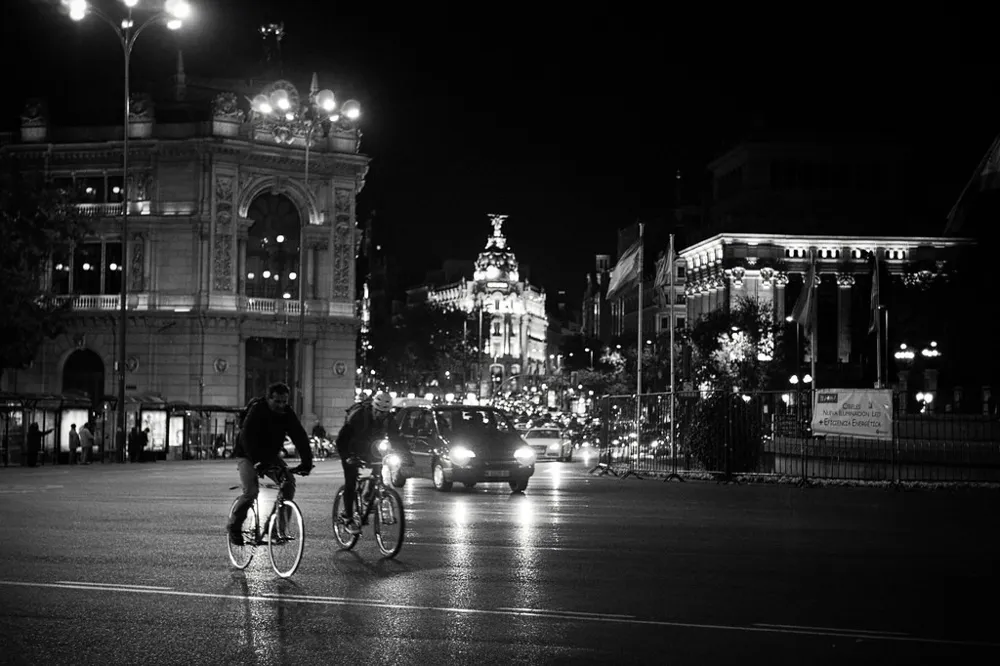
Listed run times depend on the mode. The Lezyne front light lasts up to 35 hours on its lowest mode but far less on full power, and the NiteRider's 60-hour figure is for its lowest setting. A useful rule: pick a mode that will last your longest ride with a margin to spare, and check the maker's run-time chart rather than the headline number.
- USB-C charging is now standard on many lights and lets you charge from a laptop or phone charger at work.
- Battery indicators warn you before the light dies; some lights drop to a low mode automatically when the battery runs down.
- Cold weather shortens battery life, so expect less run time on winter commutes.
- Removable or AA batteries are handy for long tours where charging is hard, while integrated batteries keep lights small and sealed.
- E-bike lights can run from the main battery on many models; see our electric bike guide.
Charge your lights the night before, and keep a small backup light if your commute is long or you often forget to plug in.
Mounts, Weatherproofing and Theft
A light is only useful if it stays pointed where you need it. Look for:
- Tool-free mounts such as rubber straps or thumb-screw clamps, so you can take lights off when you park.
- Bar fit: check that the mount suits your handlebar diameter, especially oversized or aero road bars. Some lights work with GoPro-style or out-front computer mounts.
- Seatpost fit: aero and D-shaped seatposts may need a specific mount; some tail lights include a seat-stay mount.
- Water resistance: IP ratings tell you how well a light resists water. IPX4 and IP64 resist splashes and rain, while IPX7 means the light can survive brief submersion.
Lights are easy to steal, so take them with you when you lock up. Our bike locks guide covers keeping the rest of the bike safe.
Radar and Smart Bike Lights
Smart lights add electronics beyond a simple on/off switch. The most useful for road riders is rear radar, as in the Garmin Varia RTL515, which warns you on a bike computer or phone when vehicles approach from behind. Other smart features include:
- Ambient light sensors that change brightness as daylight fades or you ride into a tunnel.
- Brake-sensing tail lights that brighten when you slow down.
- App or bike computer control to switch modes and check battery levels.
Radar alerts are an aid, not a substitute for looking behind you. They also add cost and shorten run time compared with a basic tail light. A bike computer that supports radar gives the clearest alerts.
Dynamo Bike Lights
A dynamo powers lights from the bike's own motion, usually through a hub dynamo built into the front wheel. Lights run whenever you ride, so there is nothing to charge and nothing to forget, and many dynamo headlights use shaped, StVZO-style beams.
The trade-offs are cost and setup: you need a dynamo wheel and wired lights, and the light is fixed to the bike. Dynamo lighting is popular on dedicated commuter bikes, touring bikes and city bikes, while battery lights suit riders who switch bikes or ride only occasionally after dark.
Side Visibility and Reflectors
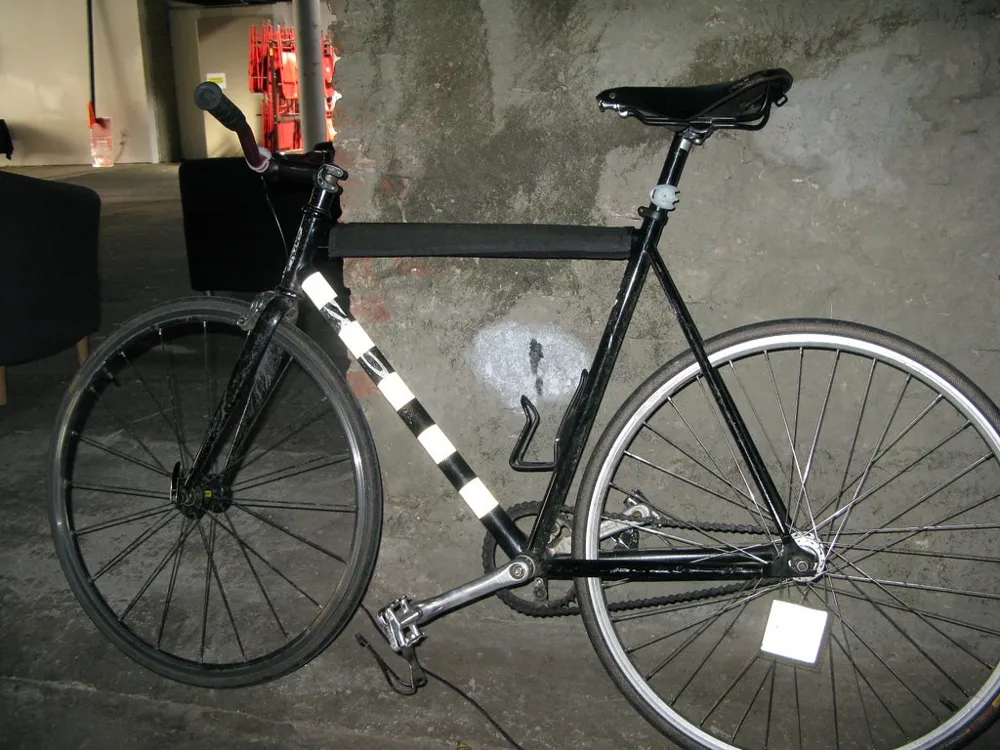
At junctions and driveways, drivers often see you from the side rather than head-on. Lights with side cut-outs or wide-angle lenses, such as the Lezyne Strip Drive's 270-degree rear lens, help here. So do the reflectors that come on new bikes: pedal reflectors, wheel or spoke reflectors and reflective tire sidewalls all move as you ride, which makes you easier to recognize as a cyclist.
Reflective details on clothing, gloves and bags work in the same way. See our guide to cycling gloves for hand signals that show up in headlights, and panniers for commuting bags, many of which have reflective trim.
Bike Light Laws in the US and UK
Light laws are set by each US state and by national governments elsewhere, and most only apply in darkness. This is a summary, not legal advice; last checked November 2026.
- Most US states require a white front light and a red rear reflector or red rear light when riding at night. Details such as visibility distances and pedal or side reflectors vary, so check your state's vehicle code.
- California (Vehicle Code 21201) requires a bike ridden in darkness on a highway, sidewalk or bikeway to have a white front lamp visible from 300 feet ahead and from the sides; a red rear reflector or a solid or flashing red light with a built-in reflector, visible from 500 feet; white or yellow pedal (or shoe or ankle) reflectors; and side reflectors unless the bike has reflective tires. A white light attached to the rider can be used instead of the bike-mounted front lamp.
- UK: Highway Code rule 60 says that at night a bike must have white front and red rear lights lit, a red rear reflector and amber pedal reflectors if made after 1 October 1985. Flashing lights are allowed, but a steady front lamp is recommended where there is no street lighting.
- Germany: lights must be StVZO-approved, as described above.
E-bike riders should also check local rules for their class; see e-bike classes explained.
How to Set Up and Aim Your Lights
- Aim the front light down. Point it at the road several bike lengths ahead, not at the horizon, so oncoming drivers are not dazzled.
- Mount the rear light upright and level, clear of saddle bags, racks and long coats.
- Match modes to the conditions: steady front at night, flash for daytime, lower power in town.
- Dip or lower your beam for oncoming riders and walkers on shared paths.
- Check both lights before every ride and keep them charged.
- Clean the lenses after wet or muddy rides; grime cuts output.
More Road and Commuting Gear
Round out your commuting kit with a bike helmet, a bike lock, panniers for carrying your things and cycling gloves. New to drop bars? Start with our entry-level road bikes, or browse every guide on the biking hub.
Frequently Asked Questions
How many lumens should a bike light have?
For a front light, REI suggests about 200 to 500 lumens for daytime and lit urban riding, 500 to 1,000 for mixed conditions and 1,000 or more for fast riding on unlit roads. Rear lights are usually far lower, roughly 20 to 100 lumens in BikeRadar's guide, with brighter daytime flash modes on some models.
Should my bike lights flash or stay steady?
Many riders use a steady front beam at night so they can see the road and drivers can judge distance, and a flashing or pulsing mode for daytime visibility. UK Highway Code rule 60 allows flashing lights but recommends a steady front lamp where there is no street lighting.
Do I need bike lights during the day?
Most US and UK light laws only require lights in darkness, but many riders run a bright flashing rear light, and often a front one, in daylight to stand out in traffic. Check your local rules for night requirements.
Is a bike light set better than buying separately?
A set is simple and usually charges the same way, which suits most commuters. Buying separately lets you choose a brighter front light, a radar tail light or a light with a cut-off beam.
What is the difference between lumens and lux?
Lumens measure the total light a lamp puts out. Lux measures how much light lands on a surface at a set distance, which is how German StVZO-approved lights like the Busch & Müller IXON IQ Premium are rated.
Can my bike light be too bright?
Yes. A high-power round beam aimed level can dazzle drivers and other riders. Tilt it down slightly, use a lower mode in town and consider a light with a cut-off beam for road use.
Does a radar tail light replace looking behind me?
No. A radar light such as the Garmin Varia RTL515 alerts you to approaching vehicles, but it does not tell you everything about traffic. Keep checking over your shoulder before moving out or turning.