Electric Scooter Tires Explained: Choose, Size and Fix Them (2026)
Air or airless, tube or tubeless, 8.5 or 10 inch: here's how scooter tires differ, how to read the size on the sidewall, and what to do when one goes flat.
Electric Scooter Tires at a Glance
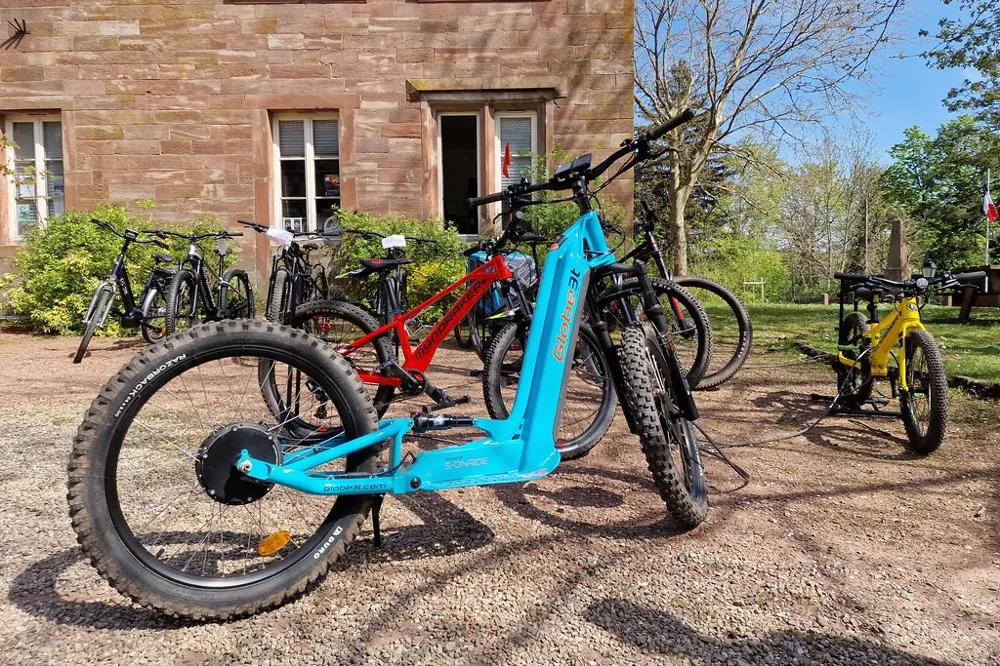
On a scooter with 8 to 11 inch wheels, the tires do more than grip the road. They're often the only suspension, they decide how often you'll be stuck with a flat, and their pressure changes your range and braking. Every e-scooter tire falls into one of two families: pneumatic (air-filled, with or without an inner tube) and airless (solid rubber, honeycomb or foam-filled). Here's how they compare.
| Tire Type | Ride Comfort | Grip | Flat Risk | Upkeep | Best For |
|---|---|---|---|---|---|
| Pneumatic, tubed | Smooth | Good, best in the wet | Can puncture and pinch | Check pressure weekly; tubes are easy to patch | Most commuters |
| Pneumatic, tubeless | Smooth | Good | Lower; resists pinch flats, can carry sealant | Check pressure; harder to remove and refit | Mid-range and performance scooters |
| Solid rubber | Harsh | Lower, weakest in the wet | None | Almost none | Short trips on smooth pavement |
| Honeycomb (vented solid) | Firm, a little softer than solid | Lower | None | Almost none | Light commuters on smooth routes |
| Foam-filled | Firm | Moderate | None | Almost none | Riders who want a conventional-looking tire that can't go flat |
If you're still learning what each part of a scooter does, start with our electric scooter parts guide. This page goes deep on tires: types, sizes, pressure, flats and how to replace them.
Pneumatic Tires: Tubed vs Tubeless
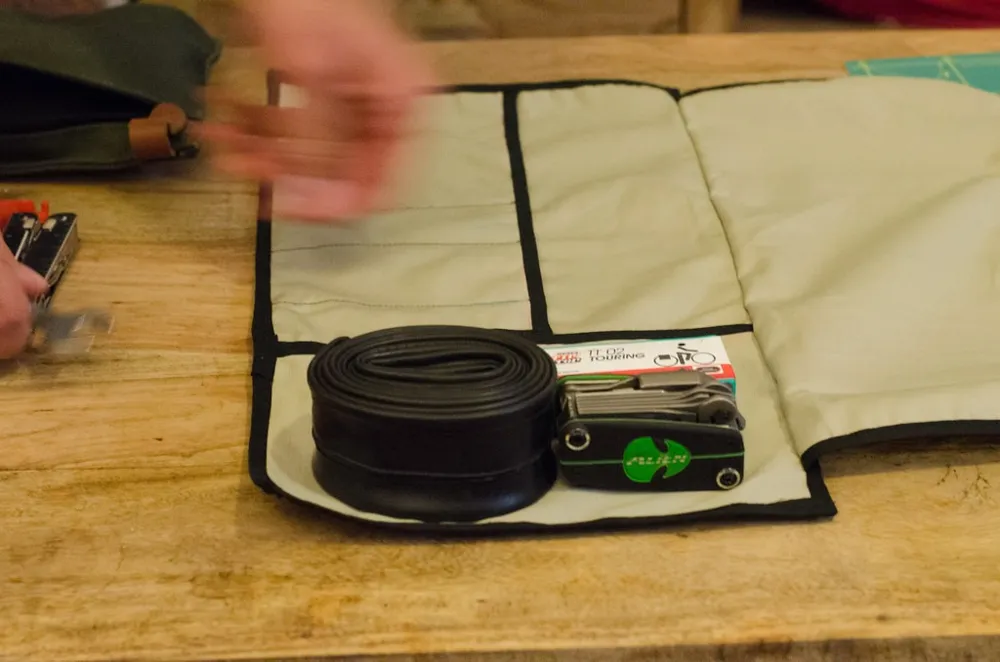
Pneumatic tires hold air, which lets them flex over cracks and absorb vibration before it reaches the deck and your knees. You can spot one by its valve stem. On most e-scooters that's a Schrader (car-style) valve, often bent at an angle so a pump can reach it past the motor or brake. Air tires give the most comfort and grip, but they need their pressure checked and they can puncture.
Tubed (Inner Tube) Tires
A tubed tire is an outer casing with a separate rubber inner tube that holds the air. When something sharp gets through, it's usually the tube that leaks, and a tube can be patched or swapped without replacing the tire. That makes tubed tires the easiest pneumatic type to repair at the roadside. The downside is pinch flats: hit a curb or pothole on a soft tire and the tube gets squeezed between the rim and the obstacle, leaving a pair of small slits.
Tubeless Tires
A tubeless tire has no inner tube. Its bead seals tightly against the rim and holds the air directly, much like a car tire. With no tube to pinch, tubeless tires resist pinch flats, and their thicker casings make punctures less likely. Many can carry liquid sealant inside, and some are sold as self-healing tires with a sealant layer built into the inside of the tread that plugs small holes as they happen. The catch is repair: tubeless scooter tires fit tightly on small rims, so removing and refitting one at home is hard, and many riders leave it to a scooter shop.
| Tubed | Tubeless | |
|---|---|---|
| Pinch flats | Common when underinflated | Rare |
| Puncture resistance | Lower | Higher; can use sealant |
| Roadside fix | Patch or replace the tube | Sealant or a plug for small holes |
| Changing the tire at home | Manageable with levers | Difficult on small, tight rims |
| Typical on | Budget and entry-level commuters | Mid-range and performance models |
Airless Tires: Solid, Honeycomb and Foam-Filled
Airless tires can't go flat, which is why they're common on budget commuters. They come in three main styles:
- Solid rubber: a solid ring of rubber with no air space. Zero maintenance and no punctures, but the heaviest and harshest option. You'll feel every crack in the sidewalk, and grip on wet paint, metal covers and leaves is noticeably lower.
- Honeycomb (vented): a solid tire with holes or channels molded through the sidewall. The air pockets let it flex a little more, so it's slightly more comfortable and lighter than a fully solid tire, but it still rides firm. Gotrax, for example, sells an 8.5 inch honeycomb replacement tire for several of its commuter models.
- Foam-filled: a conventional-looking tire filled with foam instead of air. It can't go flat, but like other airless tires it rides firmer and weighs more than a tire with air in it.
Airless tires also send more vibration into the frame, bolts and folding latch, so check those more often. Solid tires can develop flat spots or chunks missing from the tread and don't flex over sharp edges, which is why they're a poor choice for rough ground. Our off-road electric scooters all use air-filled tires for that reason.
Which Tire Type Is Right for You?
There's no single best tire, only the best match for your roads and your patience with maintenance:
| Your Riding | Best Tire Choice | Why |
|---|---|---|
| Daily commute on mixed city streets | Pneumatic, ideally tubeless | Comfort, wet grip and fewer flats |
| Short, smooth trips; can't risk a flat | Solid or honeycomb | Nothing to puncture or pump |
| Rain or wet roads often | Pneumatic with a street tread | More rubber in contact with the road |
| Heavier rider | Pneumatic, wider tires | Better load spread and comfort; keep pressure right |
| Gravel, dirt or broken pavement | Wide pneumatic with an off-road tread | Grip on loose ground and impact absorption |
| Fast or powerful scooters | Wide tubeless pneumatic | Stability and braking grip at speed |
If you're shopping for a scooter rather than tires, the tire type is a big part of the decision. Our best electric scooters and budget electric scooters lists note each model's tires, and heavier riders should also read our electric scooters for heavy adults guide. Powerful scooters typically run 10 to 11 inch tires around 3 inches wide; see our dual motor electric scooters for examples.
Tire Pressure: Finding and Checking Your PSI
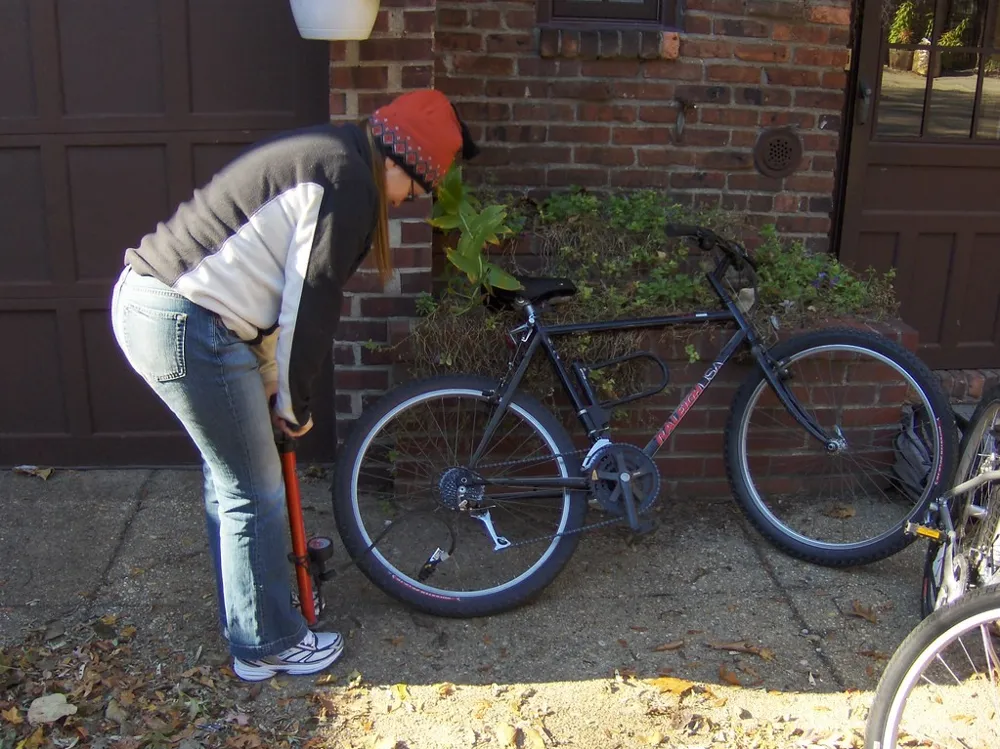
For air-filled tires, correct pressure is the single biggest thing you control. PSI (pounds per square inch) measures how hard the air pushes outward, and both mistakes cost you:
- Underinflated: a squishy tire wears faster, cuts range, makes steering feel vague and is the most common cause of pinch flats.
- Overinflated: a rock-hard tire has less rubber on the road, so grip and braking drop and the ride turns harsh. Never exceed the maximum printed on the sidewall.
Where to find your number: use your owner's manual or the maker's support page first, then the range printed on the tire sidewall. Recommendations vary by scooter, so there's no universal figure. Two examples from manufacturers, as of November 2026:
| Scooter | Maker's Recommended Pressure |
|---|---|
| Xiaomi Electric Scooter 5 | 45–50 psi, front and rear (Xiaomi support FAQ) |
| Levy Light and Levy Plus | 50–60 psi, both tires (Levy tire guide) |
Check other models against their own manuals, since even scooters in the same brand can differ. A few habits help:
- Check weekly and before longer rides. All tires slowly lose air, and a few psi matters more in a small scooter tire.
- Check cold, before riding, because tires warm up and read higher after a ride.
- Use a separate gauge if your pump's gauge is vague at scooter pressures, and a pump head or short extender that reaches angled valves.
- Stay inside the range. Within the maker's range, lighter riders may prefer the low end for comfort and heavier riders the high end. Go no lower than the minimum, or pinch flats and rim damage become more likely.
Solid, honeycomb and foam-filled tires never need air. Pumps and gauges that suit scooter valves are in our electric scooter accessories guide.
Electric Scooter Tire Sizes Explained
Scooter tire sizes appear in three different formats, and the same tire can carry two or three of them. You'll find the size molded into the sidewall of your current tire. If it's worn away, measure the inflated tire's outside diameter and its widest width, then check the manual or ask the maker before ordering.
- Inch, decimal: 10 x 2.5 means about 10 inches in outside diameter and 2.5 inches wide.
- Inch, fraction: 8 1/2 x 2 is the same size as 8.5 x 2.
- Metric, motorcycle-style: 60/70-6.5 means a 60 mm section width, a sidewall height that's 70% of that width, and a 6.5 inch rim. None of these numbers is the outside diameter; a 60/70-6.5 works out to about 10 inches tall.
- Millimeter: some 10 x 3 tires are also labeled 255 x 80, the approximate diameter and width in millimeters.
| Common Size | Also Labeled | Typical Scooters |
|---|---|---|
| 8.5 x 2 (8 1/2 x 2) | — | Light commuters, including many budget models |
| 10 x 2 / 10 x 2.125 | — | Some commuters (Levy lists both for its scooters) |
| 10 x 2.5 | 60/70-6.5 (often) | Mid-size commuters; Levy lists 10 x 2.5 for the Segway Ninebot Max series |
| 10 x 3 | 255 x 80, 80/65-6 | Performance and dual-motor scooters |
| 11 inch, about 3 inches wide | Varies by maker | Larger performance and off-road models |
Match the size exactly. Tires that sound close are often not interchangeable. A 10 x 3 tire is not a substitute for a 10 x 2.5, and 6 inch and 6.5 inch rims take different tires even when the outside diameter is similar. Tire codes vary between sellers, so compare the full sidewall marking and your scooter model, and treat any "fits" claim in a listing as something to confirm.
Bigger is generally smoother. A 10 inch tire rolls over cracks, joints and small potholes more easily than an 8.5 inch tire, and wider tires feel more stable. Smaller tires are lighter and turn more quickly. You usually can't fit a bigger tire than your scooter was designed for, because the fork, fender and rim set the limit.
Tread Patterns: Street, Hybrid and Off-Road
Tread is the pattern cut into the rubber, and it should suit the surfaces you ride most:
- Street (road) tread: shallow grooves or a near-smooth center. Most rubber on the pavement, quiet, and efficient for range. The grooves help clear water on wet roads.
- Hybrid tread: a smoother center with more pattern on the shoulders, for riders who mix pavement with packed gravel paths.
- Off-road (knobby) tread: deep, spaced blocks that dig into dirt and gravel. They grip loose ground well, but they're noisier, wear faster and corner less precisely on pavement.
A deeper tread also puts more rubber between road debris and the air inside, so worn tires puncture more easily. When the tread pattern has largely disappeared, it's time for a new tire (see when to replace, below).
Why Scooter Tires Go Flat and How to Prevent It
Flats are among the most common problems e-scooter riders run into. Most have one of four causes:
| Cause | What You'll See | Prevention |
|---|---|---|
| Pinch flat (low pressure + impact) | Two small parallel slits in the tube | Keep pressure in range; slow down for curbs and potholes |
| Puncture (glass, thorns, wire, staples) | A single hole; often something still in the tread | Avoid debris and gutters; consider sealant or self-healing tires |
| Valve failure | Slow leak at the valve; torn or bent stem | Don't yank the pump head; keep valve caps on |
| Worn or old tire | Thin tread, cracks, cords showing | Replace tires before the casing is exposed |
Does Tire Sealant Work?
Liquid sealant sits inside the tire and is pushed into a small hole by escaping air, where it clogs and seals. It's best added before you get a flat. Use the right kind: tube sealant goes into an inner tube through the valve, while tubeless sealant goes into a tubeless tire. Slime, for example, says its tube sealant seals punctures up to 1/8 inch (3 mm) and keeps working for up to two years.
Sealant won't fix sidewall cuts, large gashes or a torn valve, and it can make a later patch job messier because the tube has to be cleaned first. Check your manual before adding sealant, especially while the scooter is under warranty, and note that a self-healing tire already contains its own sealant layer.
1. Slime Tube Sealant
A tube sealant you add through the valve before a puncture happens. Slime says it seals holes up to 1/8 inch (3 mm) and lasts up to two years in the tube. It's for tires with inner tubes; tubeless scooter tires need a tubeless sealant.
Good to Know
- Prevents many small tread punctures
- Goes in through a Schrader valve
Watch Out For
- Not for sidewall cuts or large holes
- Makes later patching messier
How to Fix a Flat Electric Scooter Tire
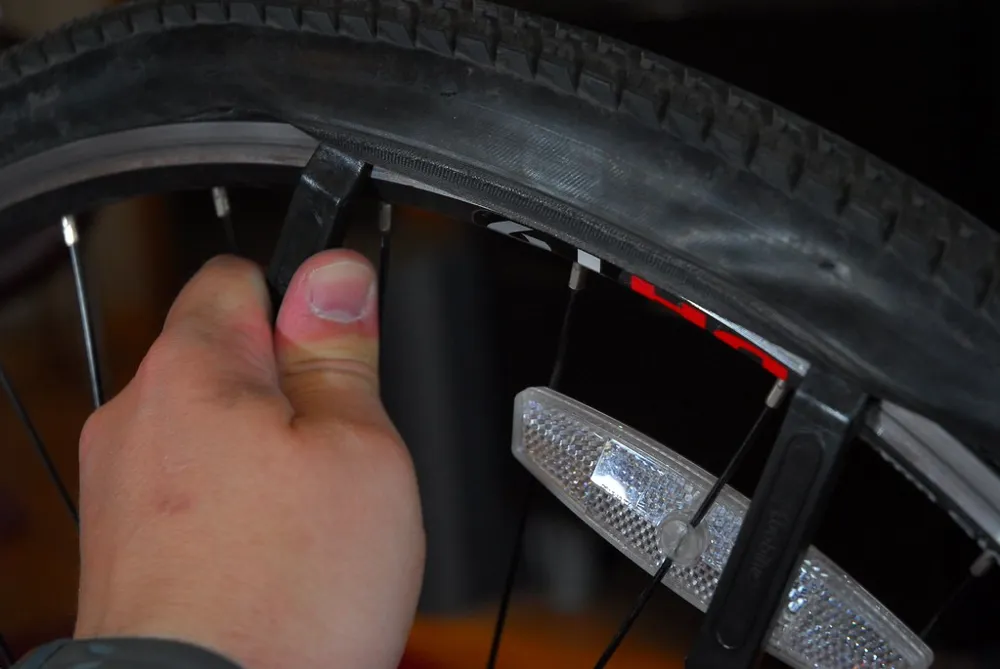
What you can do depends on the tire. Airless tires can't go flat. With a tubed tire you can usually patch or replace the tube yourself. With a tubeless tire, a small tread puncture can often be sealed with sealant or a plug, while anything bigger usually means a new tire, and the fitting is often best left to a shop.
Before you start: switch the scooter off, unplug the charger and remove the battery if it comes out. Your manual is the final word on how your wheel comes apart, and taking a scooter apart yourself may affect the warranty.
Patching or Replacing an Inner Tube
- Find the cause. Inflate the tire a little and listen or feel for escaping air, or run your fingers carefully around the tread for glass or wire. Remove anything stuck in the tire.
- Let the air out by pressing the valve core, then remove the valve nut if there is one.
- Get access to the tire. On some scooters you can work on the tire with the wheel in place. On others you need to remove the wheel (see the next section), and some use a split rim that unbolts into two halves, which makes the job much easier.
- Lever off one side of the tire. Small scooter tires are tight, so use two or three plastic tire levers, working a little at a time, and keep the levers away from the tube.
- Pull out the tube and find the hole. Submerging a partly inflated tube in water shows it as a stream of bubbles.
- Patch or replace. Roughen the area, apply the patch and press it firmly, or fit a new tube in the exact size with the right valve angle. A new tube is the more reliable fix; glueless patches are best treated as temporary.
- Check inside the tire by running a cloth around it, so the same debris doesn't puncture the new tube.
- Refit. Put a little air in the tube to give it shape, tuck it in with the valve straight through the rim, then roll the tire bead back on by hand as far as you can before using levers.
- Inflate slowly to the recommended pressure, checking that the bead sits evenly all the way around on both sides and the tube isn't trapped under it.
The process is the same one used on bicycles, which our how to fix a flat bike tire guide walks through in more detail.
2. Pedro's Tire Levers
Plastic tire levers sold in pairs, with a chisel-shaped tip that slides under tight beads without scratching the rim. Useful for the stiff beads on small scooter tires.
Good to Know
- Plastic won't mark aluminum rims
- Small enough for a bag
Watch Out For
- Very tight tubeless scooter tires may still need a shop
3. Park Tool GP-2 Super Patch Kit
Six pre-glued 24 mm patches and a piece of sandpaper in a small box, so there's no glue to dry out. Park Tool describes glueless patches as a temporary fix, so replace the tube when you can.
Good to Know
- Pocket-sized for a commuter bag
- No glue tube to dry out
Watch Out For
- Temporary repair; plan on a new tube
- Tubes only, not tubeless tires
How to Replace an Electric Scooter Tire
Replacing a tire follows the same steps as fixing a tube, with one extra challenge: on most e-scooters one wheel is the hub motor, so the tire sits on the motor itself. The non-motor wheel is usually simpler, needing only the axle bolts loosened and the brake cleared.
Removing a Hub Motor Wheel Safely
- Power down completely. Switch off, unplug the charger and remove the battery if your model allows, so the motor can't engage while you work.
- Take photos of the cable routing, brake position and any spacers or washers before you undo anything.
- Disconnect the motor cable at its connector. Release the locking tab or ring and pull the connector halves straight apart by their housings, never by the wires.
- Clear the brake. Loosen the disc brake caliper so the rotor can come out, or release the drum brake cable. Don't leave a hydraulic caliper hanging by its hose.
- Loosen the axle nuts on both sides alternately, keeping every spacer and washer in order, then slide the wheel out without kinking the motor cable.
With the wheel out, deflate fully and lever the old tire off. New tires can be stiff, so work the bead on a little at a time. Fit it with any direction arrow on the sidewall pointing the right way.
Refitting and Checks
- Refit spacers in their original positions, start the axle nuts by hand, then tighten them alternately to the torque in your manual.
- Reconnect the motor cable in the right orientation without forcing it, and route it so it can't be pinched or rub on the tire.
- Re-center the brake, then spin the wheel: it should turn freely with no side-to-side play or rubbing.
- Inflate to the recommended pressure, test both brakes, and take a short, slow test ride before riding normally.
Tubeless tires and motor wheels are where most home repairs go wrong. If the bead won't seat, the cable connector won't line up, or your scooter is under warranty, a scooter repair shop or the manufacturer's service center is the safer choice. This guide is general information; always follow your owner's manual.
When to Replace Tires and Swapping Tire Types
Replace a tire when you see any of these signs:
- The tread pattern is worn flat or nearly gone, especially in the center
- Cracks in the sidewall or between tread blocks, which come with age and sun
- Cords or fabric showing through the rubber
- Bulges, deep cuts or repeated flats from the same tire
- Chunks missing or flat spots on a solid tire
How long that takes depends on rider weight, braking habits, pressure and road surface. Some guides use 2,000 to 3,000 miles as a rough rule of thumb, but tread and condition matter more than mileage. On rear-drive scooters the rear tire carries the motor's power and more of the braking load, so it typically wears first.
Can You Swap Air Tires for Solid (or Back)?
Often, yes, if the replacement is the same size and made for your rim. Solid conversions end flats but make the ride harsher, reduce grip and add weight, and on some scooters they mean replacing the whole wheel. Going from solid to air is less common and usually needs a wheel or rim built for pneumatic tires. Fitting a different front and rear tire type is possible, but check that the maker supports it and test-ride carefully afterward. Ask the manufacturer before converting, since a tire change can affect handling and warranty coverage.
For the full routine around your tires, including brakes, bolts and folding-latch checks, see our electric scooter maintenance checklist, and for wet roads read riding an electric scooter in the rain.
Related Guides
Learn how to ride an electric scooter safely over bumps and potholes, see what's inside your scooter in our electric scooter parts guide, keep your battery healthy with how long electric scooter batteries last, compare off-road and long-range scooters, or browse all our electric scooter guides.
Frequently Asked Questions
What type of tire is best for an electric scooter?
For most riders, pneumatic (air-filled) tires give the smoothest ride and the best grip, especially in the wet. Solid or honeycomb tires suit short, smooth commutes where never getting a flat matters more than comfort.
Are tubeless scooter tires better than tubed tires?
Tubeless tires are harder to puncture, resist pinch flats and can carry sealant, so they usually go flat less often. The trade-off is that they're tight on the rim and harder to repair or replace at home, while a tubed tire's inner tube is easy to patch or swap.
What PSI should electric scooter tires be?
Use the pressure in your owner's manual or printed on the tire sidewall. It varies by model: as of November 2026, Xiaomi lists 45 to 50 psi for the Xiaomi Electric Scooter 5 and Levy lists 50 to 60 psi for its Light and Plus. Never go above the maximum on the sidewall.
Is 10x2.5 the same as 10x3?
No. A 10 x 3 tire (often also labeled 255 x 80 or 80/65-6) is wider and usually fits a different rim than a 10 x 2.5 tire (often listed as 60/70-6.5). Match the exact size on your old tire's sidewall.
Can I put solid tires on a scooter that came with air tires?
Sometimes. Solid replacements are sold in common sizes such as 8.5 and 10 inch, but the ride gets harsher and grip drops, and on some models you need a whole new wheel. Check with the manufacturer first, especially while the scooter is under warranty.
Does tire sealant work on electric scooters?
Sealant can seal small tread punctures from things like thorns and glass, and it works best when added before you get a flat. It won't fix sidewall cuts or large gashes, and you need a tube sealant for tubed tires and a tubeless sealant for tubeless tires.
How long do electric scooter tires last?
It depends on rider weight, riding style, pressure and road surface, and the rear tire usually wears faster. Some guides use 2,000 to 3,000 miles as a rough rule of thumb, but replace a tire whenever the tread is worn flat, cracked or showing cords, whatever the mileage.
Why does my scooter's rear tire wear faster?
On a rear-drive scooter the rear tire carries more of your weight, puts down the motor's power and takes most of the braking load, so it wears and punctures more often. Check it more closely than the front.