How to Tailwhip a Stunt Scooter, From Kick to Catch (2026)
The tailwhip spins the deck a full circle around the bars while you're in the air. Here's how to set up, kick, whip, catch and land it, and how to fix the usual problems.
What Is a Tailwhip on a Scooter?
A tailwhip is a trick where you jump, kick the deck so it swings a full 360 degrees around the front of the scooter while your hands keep hold of the bars, then catch the deck with your feet and land. The bars and front wheel act as the pivot; the deck does the travelling.
The trick comes from BMX, where the frame whips around the bars and fork. Wikipedia credits Brian Blyther with the original footjam tailwhip in the early 1980s, and the trick was later done in the air and on flat ground before scooter riders took it up. On a stunt scooter it's one of the signature progression tricks: it usually comes after the bunny hop and 180 and before bigger spins and combos. If you're still working through the basics, start with our scooter tricks for beginners list.
| Trick | What Moves | What Stays Still |
|---|---|---|
| Tailwhip | The deck spins around the bars | Your hands and the bars |
| Bar spin | The bars spin in your hands | Your feet on the deck |
| 180 or 360 | You and the scooter turn together | Nothing; it's a body spin |
Before You Start: Skills and Setup
A tailwhip is a jump with a kick added, so the jump has to be solid first. Tick these off before you try it rolling:
- A high, controlled bunny hop. Height buys you time for the deck to come around. You should be able to pull the scooter up with your arms and lift your feet so the deck follows, landing both wheels together.
- Comfortable 180s. They teach you to commit to a move in the air and land with bent knees. See the 180 in our beginner tricks guide.
- Riding at a steady, moderate speed. About a slow jog is a common starting pace: fast enough to jump cleanly, slow enough to stay in control.
Your scooter matters too. Use a stunt scooter with fixed bars; folding scooters aren't built for jumps. A lighter scooter is easier to whip, and shorter bars are easier to throw around for tailwhips; many riders set bars around waist height or a little lower for tricks. Our pro scooter bars guide covers sizing.
Envy Prodigy X
Envy is an Australian pro scooter brand, and the Prodigy line is its popular complete for park riders. It's one of the picks in our best stunt scooters guide.
Check Price on AmazonBefore each session, check that the clamp bolts, headset and axles are tight. Whipping the deck around the bars works the front end hard, and a loose clamp or headset can fail suddenly. If you're upgrading parts, see how to build a custom stunt scooter.
Learn the Whip Standing Still
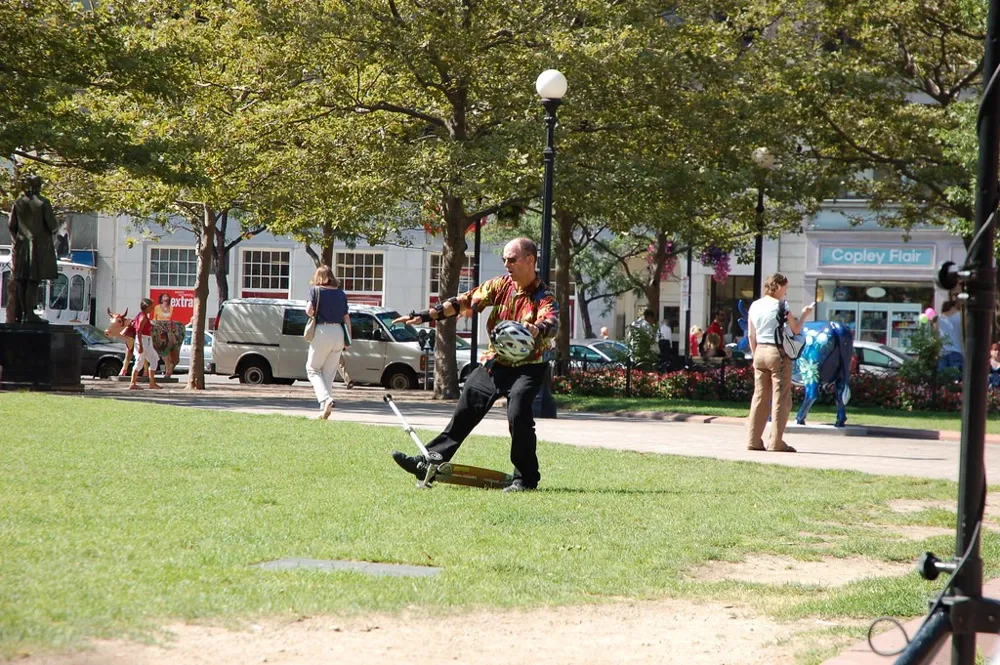
Most tutorials agree on this step: get the feel of the whip before you leave the ground.
- Stand beside the scooter on grass or carpet, holding the bars in the middle. The soft surface stops the wheels rolling away.
- Kick the back of the deck with the foot you'll use when riding, so it swings out behind you and around the front.
- Help it with your arms. Tilt the bars toward the direction the deck is turning, then back the other way as it swings round. Halfords' guide compares the motion to stirring a mixing bowl.
- Stop it with your foot when it comes back under you. Repeat until one kick sends the deck all the way around.
Next, stand on the deck and do small hops in place, kicking the deck around and catching it. You won't get a full rotation at first, and that's fine; you're learning timing and how hard to kick.
Stance and Foot Placement
Ride in your usual stance. Right-handed riders often ride regular (left foot forward) and left-handed riders often ride goofy (right foot forward), but go with what feels natural.
| Body Part | Position |
|---|---|
| Front foot | Near the front of the deck, just behind the bars |
| Back foot | Toward the back of the deck, just in front of the rear wheel; this foot does the kick |
| Hands | Both on the grips, in the middle of the bars; firm but not stiff |
| Knees | Slightly bent, ready to load the jump |
| Eyes | Ahead on the approach, then down on the deck once you whip |
A death grip stiffens your arms and shoulders and throws off your jump. Hold on firmly enough that the bars can't slip, but keep your arms loose enough to steer the deck around.
How to Tailwhip on a Scooter, Step by Step
1. Push to a Steady Speed
Push a few times with your back foot, then put it back on the deck in position. Look where you're going. Too slow and you'll lose balance in the air; too fast and the whip is harder to control.
2. Crouch and Bunny Hop
Bend your knees, then jump as high as you can while pulling up on the bars so the scooter rises with you. Keep the scooter close to your body and tuck your knees for clearance. Your feet shouldn't leave the deck before the scooter does.
3. Kick the Deck
Near the top of the jump, flick the back of the deck hard with your back foot. Regular riders kick with the right foot and goofy riders with the left. Kick the deck backward and around, not straight out to the side; a kick that sends the deck far away is hard to catch. Jump first, then kick; whipping before you're in the air throws off your balance.
4. Whip With Your Arms
As your feet leave the deck, use your arms and wrists to keep it turning: tilt the bars toward the direction of the spin, then the other way as it swings back toward you. Keep both hands on the grips the whole time. The kick starts the rotation; the arms finish it.
5. Watch and Catch the Deck
Look down and follow the deck all the way round. As it comes back under you, bring both feet down on it to stop the spin, a moment before the wheels touch the ground. Your feet should land close to where they started. If getting both feet down at once is hard, stop the deck with your front foot first, then place your back foot.
6. Land and Ride Away
Land on the balls of your feet with your knees bent to soak up the impact. Landing with straight legs can pitch you forward over the bars. Look up in the direction you're travelling and ride out smoothly.
Flat Ground vs Off a Ramp or Drop
A flat tailwhip is done straight from a bunny hop with no ramp. It's where most riders learn the motion, because the approach is simple and there's nothing to roll off.
An air tailwhip is done off a ramp, quarter pipe, box or drop. The extra airtime gives you more time to catch the deck, which is why many riders find their first landed whips come off a small ramp. A few points for ramps and drops:
- Start small. Use a small kicker, a low bank or a mellow quarter pipe before anything tall.
- Don't slow the whip down. Kick and spin at the same speed you would on flat ground; the extra height is for a cleaner catch.
- Land with the slope when you can. A sloped landing or transition is easier on your legs than a drop to flat.
- Check the landing zone. Make sure it's clear of other riders, curbs and gravel before you go.
| Flat Tailwhip | Air Tailwhip (Ramp or Drop) | |
|---|---|---|
| Height | From your bunny hop alone | Extra height from the ramp |
| Time to catch | Short | Longer |
| Main challenge | Jumping high enough | Commitment and a clean landing |
| Good for | Learning the kick and arm motion | First full rotations and bigger variations |
Common Tailwhip Mistakes and Fixes
| Problem | Likely Cause | Fix |
|---|---|---|
| Deck doesn't go all the way round | Weak kick or no help from the arms | Kick harder and use your wrists and arms to keep it spinning |
| Deck flies out too far to catch | Kicking straight out to the side | Kick backward and around so it stays close |
| Losing balance as you whip | Kicking before you're in the air | Jump first, then kick near the top of the hop |
| Deck hits your shins or ankles | Feet coming down too early, or a low jump | Jump higher, tuck your knees and wait for the deck to come round |
| Deck hits the ground mid-spin | Not enough height or a slow rotation | Work on bunny hop height and a quicker wrist and arm motion |
| Feet slip off on landing | Catching too early or too late, or feet off-center | Watch the deck and stomp both feet down in the middle as it lines up |
| Tangled or crashed landing | Legs crossing during the kick | Keep your legs apart and uncrossed |
| Stiff, jerky jump | Gripping the bars too hard | Hold firmly but keep your arms loose |
| Missing the catch | Looking away from the deck | Keep your eyes on it until your feet are back on |
One more common mistake is moving on too soon. Get single tailwhips consistent before you try doubles or combos.
Drills and Progression
Break the trick into pieces and build them back up:
- Stationary whips on grass or carpet until one kick sends the deck all the way round.
- Bunny hop height. Practice tucking higher; every bit of height makes the catch easier.
- Hop-and-kick in place. Stand on the deck, hop, kick and catch, even if it's only a half rotation.
- Front-foot catches. Practice stopping the deck with your front foot first, then setting your back foot.
- Rolling slowly on smooth flat ground, then at your normal speed.
- Small ramp or bank once flat attempts are getting close, for extra airtime.
If your local park has a foam pit, airbag or resi (soft-landing) ramp, it's a lower-impact way to try full rotations. Short, regular sessions of about 15 to 30 minutes, as iScooter's guide suggests, tend to beat one long session, because tired riders fall more.
What to Learn Next
Once tailwhips are consistent, riders usually move on to tailwhips off bigger ramps, double tailwhips (two rotations in one jump), and combos with bar spins and 180s. In BMX, where the trick started, riders have pushed it to triples and quadruples, 360 and 720 tailwhips and backflip whips. On a scooter, add rotations only once the single is solid.
Safety Gear and Where to Practice
Tailwhips mean a fast-moving deck near your legs and plenty of falls while you learn, so gear up every session:
- Helmet: a certified helmet that fits snugly. In the US, look for one certified to the CPSC bike standard. See our skate helmet guide.
- Knee and elbow pads, plus wrist guards for falls.
- Shin guards: worth it for tailwhips, since a deck coming round early tends to hit shins and ankles.
- Flat, grippy shoes so your feet stick when you catch the deck.
Triple Eight Saver Series Pads
Knee pads, elbow pads and wrist guards in one set, covered in our safety gear guide.
Check Price on AmazonPractice on smooth, dry, flat ground first, away from traffic and pedestrians. Avoid wet, icy, gravelly or bumpy surfaces. A skatepark is ideal once you're ready: wait your turn, don't sit on ramps, and watch for younger riders. Younger riders should learn with an adult nearby. Never hang a bag from the bars while practicing, since the extra weight changes how the scooter swings. Building something at home? See ramps and rails.
Frequently Asked Questions
How long does it take to learn a tailwhip on a scooter?
It varies a lot. Riders who already have a high bunny hop may land one within days or weeks of steady practice, while newer riders often need a month or more. Short, regular sessions tend to work better than occasional long ones.
Which foot do you kick with for a tailwhip?
Your back foot. Regular riders (left foot forward) usually kick with the right foot, and goofy riders (right foot forward) with the left. Kick the back of the deck, near the brake.
Can you tailwhip on a regular or folding scooter?
It isn't a good idea. Folding scooters aren't built for jumps and can loosen or break; use a stunt scooter with fixed bars and a solid compression system.
Can you tailwhip an electric scooter?
Most electric scooters are heavy and built for commuting, not stunts, which makes whipping the deck hard and risky. Check the maker's guidance and learn tailwhips on a lightweight stunt scooter instead.
Is it easier to tailwhip on flat ground or off a ramp?
Many riders learn the motion on flat ground first, then find a small ramp or quarter pipe easier for landing because it gives more airtime. Spin at the same speed as on flat ground; the extra height is for catching, not for a slower whip.
Why do I keep hitting my shins on tailwhips?
Usually the deck is coming back before your feet are clear, or you're putting your feet down too early. Jump higher, tuck your knees, keep your legs uncrossed and wait to catch until the deck has come all the way around. Shin guards help while you learn.
What is the difference between a tailwhip and a bar spin?
In a tailwhip, your hands hold the bars still while the deck spins around them. In a bar spin, your feet stay on the deck while you spin the bars with your hands.