Pro Scooter Bars Sized and Matched to Your Setup (2026)
Chromoly, aluminum and titanium stunt scooter bars from Lucky, Root Industries and Envy, plus a height and width chart, a compression compatibility table and how to cut bars down.

How to Choose Pro Scooter Bars
Bars are the part pro scooter riders swap most often, because they decide how the scooter fits you and how it feels in the air. The right bars come down to six things: height, width, shape and backsweep, material, diameter and compression compatibility. Get the last two wrong and the bars simply won't fit your scooter, however good they are.
This guide covers bars for stunt scooters only. If you're still choosing a whole scooter, start with our best stunt scooters, and if you're putting together a full setup, our guide on how to build a custom stunt scooter covers the deck, fork, clamp and wheels. Specs below come from the makers' product pages or the Amazon listings; check the listing for the exact size and version before you order.
Root Industries AIR RP Titanium Bars
Best titanium upgrade
- Titanium construction
- Listed 25.5 in tall, 23 in wide
- Lighter than steel bars
Envy Union Bar 650mm
Best mid-height aluminum bar
- Listed 650mm tall
- Aluminum construction
- Suits teens and smaller adults
Envy Thermal V2 Bar 720mm
Best tall bar for tall riders
- Listed 720mm tall
- Room to cut to height
- Check listing for compression
Pro Scooter Bars Compared
| Bar | Material | Listed Size | Diameter | Compression |
|---|---|---|---|---|
| Lucky PROBAR | 4130 chromoly | 26" H x 26" W | Oversized | HIC, SCS |
| Lucky AIRBar | 6061-T6 aluminum | 26" H x 24" or 26" W | Mix (oversized outside, standard inside) | IHC, SCS |
| Root Industries AIR RP Titanium | Titanium | 25.5" H x 23" W (Amazon listing) | Check listing | Check listing |
| Envy Union | Aluminum | 650mm (about 25.6") H | Check listing | Check listing |
| Lucky Ti Pro Bar | Titanium | 26" H x 26" W | Oversized | HIC, SCS |
| Lucky Pro Bars (small) | Check listing | 22" H x 20" W (Amazon listing) | Oversized | Check listing |
| Envy Thermal V2 | Check listing | 720mm (about 28.3") H | Check listing | Check listing |
"Check listing" means the spec wasn't published in a form we could confirm; many bars come in more than one version, so pick the one that matches your compression system.
The Best Pro Scooter Bars
1. Lucky PROBAR
Lucky describes the PROBAR as a simple T-bar in TIG-welded 4130 chromoly with a powder-coat finish. Its product page lists it at 26" tall x 26" wide with an oversized 1-3/8-inch outside diameter, a 7/8-inch crossbar, no backsweep and a weight of 2.9 lb (1.31kg). It works with HIC and SCS compression and is listed as not compatible with IHC. Lucky says the size can be customized when ordering direct; the Amazon listing may come in a set size.
Good to Know
- Chromoly allows a true T shape with no gussets
- Tall and wide for adult and street riders
- Fits SCS without needing a slit
Watch Out For
- Heaviest bar here
- Not for IHC forks
- Likely needs cutting for shorter riders
Not available on Amazon when we checked (November 2026); check Lucky Scooters and scooter shops.
2. Lucky AIRBar
The AIRBar is Lucky's aluminum bar, made from 6061-T6 heat-treated aluminum with TIG welds. It's listed at 26" tall in 24" or 26" wide versions, with an oversized 34.9mm outside diameter and a standard 28.6mm inside diameter, which is the "mix" size many aluminum bars use. Lucky lists 1 degree of backsweep, a weight of 2.1 lb (0.9kg) and IHC or SCS compatibility, so it needs an IHC fork or SCS.
Good to Know
- About 0.8 lb lighter than the PROBAR on paper
- Two widths
- Works with IHC as well as SCS
Watch Out For
- Not listed for HIC
- Aluminum is less durable than steel for heavy street riding
Not available on Amazon when we checked (November 2026); check Lucky Scooters and scooter shops.
3. Root Industries AIR RP Titanium Bars
Root Industries makes its AIR bars in titanium, and the RP version on Amazon is listed at 25.5" tall and 23" wide, a size that sits between youth and full-size adult bars. Titanium gives a high strength-to-weight ratio, so it's a common upgrade for riders who want a lighter front end without moving to aluminum. Root sells AIR bars in more than one shape and compression version, so confirm the diameter and whether you need the HIC or SCS version on the listing before you buy.
Good to Know
- Light and strong for its weight
- Mid-height size suits many teens and smaller adults
Watch Out For
- Premium tier
- Titanium flexes more and can snap when worn out
- Check compression version carefully
4. Envy Union Bar 650mm
The Union is Envy's aluminum bar, listed on Amazon at 650mm tall (about 25.6"). Retailers also list Union bars in 650 x 580mm sizing, which makes it a mid-size option for teens and smaller adults who want an aluminum bar from a long-running stunt scooter brand. Check the listing for the diameter and compression version before ordering.
Good to Know
- Mid-height size
- From the maker of the Prodigy completes
Watch Out For
- Few specs on the listing
- Confirm compression and width
5. Lucky Ti Pro Bar
For riders who want titanium specs straight from the maker, Lucky lists its Ti Pro Bar in titanium at 26" x 26" (660 x 660mm), with an oversized 1-3/8-inch (35mm) diameter, 0 degrees of backsweep and a weight of 1.95 lb. It is listed for HIC and SCS and not IHC, and the size can be customized when ordered from Lucky. We didn't find a confirmed Amazon listing, so check Lucky's site or a pro scooter shop.
Good to Know
- Nearly a pound lighter than the chromoly PROBAR on paper
- Full specs published
Watch Out For
- Not for IHC
- Premium tier
6. Lucky Pro Bars 22 × 20 Inch
Lucky's smaller Pro Bars are listed on Amazon at 22" tall x 20" wide with an oversized diameter. That puts them in the range Lucky's own chart suggests for riders about 4'3" to 5'1", so they suit younger and smaller riders who would otherwise have to cut a full-size bar down a long way.
Good to Know
- Sized for smaller riders
- No cutting needed for most kids
Watch Out For
- Check material and compression on the listing
- Will be outgrown
Not available on Amazon when we checked (November 2026); check Lucky Scooters and scooter shops.
7. Envy Thermal V2 Bar 720mm
At a listed 720mm (about 28.3") tall, the Thermal V2 is one of the taller bars on Amazon, so it suits tall riders or anyone who wants room to cut the bar to an exact height. Check the listing for the width, material and compression version.
Good to Know
- Extra height for tall riders
- Leaves room to cut down
Watch Out For
- Too tall for most kids
- Confirm specs before buying
Scooter Bar Height by Rider Height

The usual target is for the top of the bars to land between your hips and belly button when you stand on the deck, according to both SkatePro and Skates.co.uk. Lucky puts it slightly lower, just below the waist. Inside that range it's a trade-off:
- Taller bars mean less bending, more stability and more control on grinds and manuals, so they tend to suit street riding.
- Shorter bars are easier to throw around for tailwhips, barspins and other air tricks, so they tend to suit park riding.
SkatePro suggests that if two heights both fit, beginners should take the taller one. Lucky's chart gives bar heights by rider height, measured from the top of the headset or the base of the clamp, not from the ground:
| Rider Height | Bar Height (Bars Only) | Bar Width |
|---|---|---|
| About 3'6"–4'6" | About 18"–20" | About 18"–20" |
| About 4'3"–5'1" | About 20"–23" | About 19"–22" |
| About 4'6"–5'5" | About 22"–24" | About 19"–23" |
| Over 5' | About 24" and up | About 22" and wider |
The rows overlap, so a rider between sizes can go either way. Two things to keep in mind:
- Bar height isn't scooter height. A listed bar height is the bar alone. SkatePro measures total height by adding the distance from the bottom of the front wheel to the middle of the clamp (SCS) or the bottom of the clamp (HIC, IHC and ICS). Complete scooters are often sized by total height from the ground, which is why the chart in our stunt scooter guide shows bigger numbers.
- Kids grow. Lucky suggests ordering slightly taller if you're unsure and having the bars cut. Very young riders on their first scooter may be better served by our kids' scooter size guide.
Scooter Bar Width
Match the bar width to your shoulders: SkatePro's rule is shoulder-to-shoulder width plus one to two inches. Lucky gives a 21" to 22" bar as the example for 20" shoulders and says slightly wider is fine.
| Width | Feels | Suits |
|---|---|---|
| Wider | More stable, easier to catch after a trick | Street, grinds, bigger riders |
| Narrower | Quicker to spin and whip | Park, barspins, smaller riders |
Bars that are too narrow can strain your wrists and shoulders, while bars that are too wide can get in the way of tricks. Width is easy to take off and impossible to add back, so if you're unsure, buy slightly wide and cut.
Bar Shape, Backsweep and Upsweep
Most pro scooter bars come in one of three shapes:
- T-bars: a straight upright and crossbar with no braces. Because there's nothing reinforcing the joint, SkatePro notes T-bars are usually steel or titanium. They're popular with street riders.
- Y-bars: the upright splits into two arms or has gussets at the welds for extra strength, which is why most aluminum bars are Y-shaped.
- Kink bars: the upright has a bend partway up. Lucky, for example, sells a 4130 chromoly Kink Bar at 26" x 26", oversized, for HIC and SCS. Some riders like the look and the slightly different feel.
Shape is mostly personal preference; neither T nor Y is better in every way. Two angles change how the grips meet your hands:
- Backsweep is how far the grip ends angle back toward you.
- Upsweep is how far they angle upward.
Both can make the bars more comfortable on the wrists, and SkatePro notes they're more common on Y-bars. Lucky's bars use little or none: it lists 1 degree on the AIRBar and 0 degrees on the PROBAR and Ti Pro Bar. Mountain bike bars often run around 8 to 9 degrees of backsweep (see our MTB handlebars guide).
Chromoly vs Aluminum vs Titanium
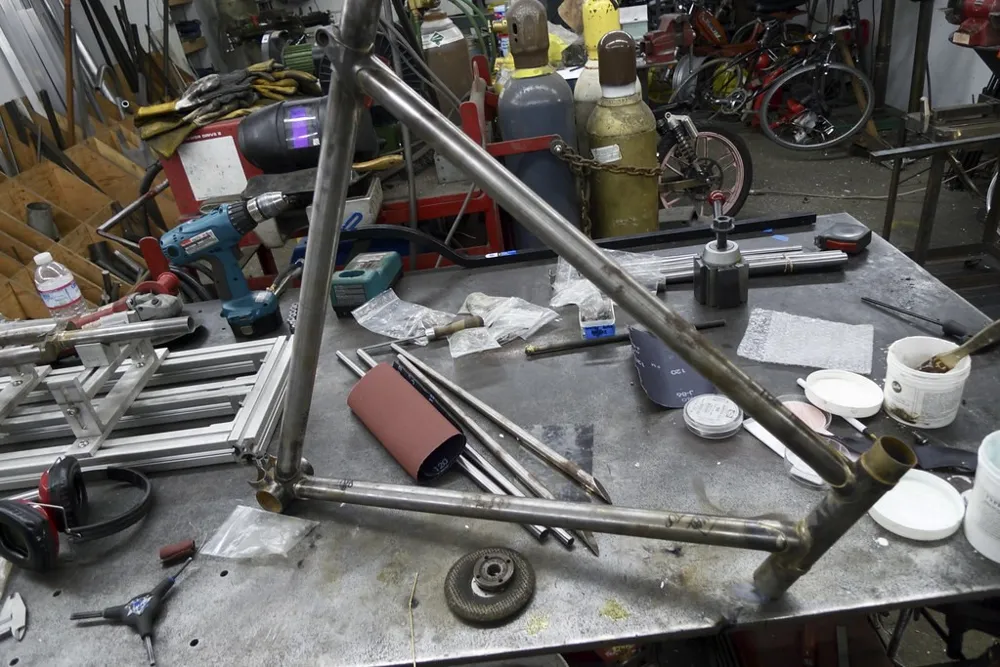
Material sets the weight, strength and how the bars wear out.
| Material | Strengths | Drawbacks | Example Listed Weight |
|---|---|---|---|
| Chromoly steel (often 4130) | Strong, durable, good value; allows true T shapes; made for every compression type | Heaviest | Lucky PROBAR: 2.9 lb |
| Aluminum (often 6061-T6) | Light and agile; affordable | Less durable, more likely to bend or crack; rigid with no flex | Lucky AIRBar: 2.1 lb |
| Titanium | Light like aluminum, strong like steel | Premium tier; noticeable flex; tends to snap rather than bend when worn out | Lucky Ti Pro Bar: 1.95 lb |
- Chromoly suits beginners, heavier riders and street riding. SkatePro notes some chromoly bars use butted tubing, which is thinner in the middle sections to save weight while keeping the ends strong.
- Aluminum suits lighter riders and park riders who want an easy-to-throw front end. Gussets at the welds help make up for the softer metal.
- Titanium suits advanced riders who want the lightest bars that still hold up. The flex can soften landings but takes getting used to, and because titanium can fail suddenly, replace titanium bars as soon as you see damage.
Bar Diameter: Standard, Oversized and Mix
Diameter decides which clamp and compression system the bar can use. SkatePro lists three common sizes:
| Size | Outside Diameter | Inside Diameter | Notes |
|---|---|---|---|
| Standard | About 32mm | About 28mm | Lighter, slightly less strong |
| Oversized | About 35mm (1-3/8") | About 32mm | Slightly stronger and heavier |
| Mix | About 35mm | About 28mm | Common on aluminum bars, such as the Lucky AIRBar (34.9 / 28.6mm) |
The outside diameter must match your clamp, and the inside diameter must match your fork and compression shim. A standard clamp needs a standard bar; an oversized clamp can take a standard bar on SCS with the right shim.
Compression Compatibility: SCS, HIC, IHC and ICS
Check your compression system before anything else. SkatePro's compatibility chart sums it up:
| Compression | Standard Bars | Oversized Bars | Mix Bars | Slit? |
|---|---|---|---|---|
| SCS | Yes, with a matching clamp (or oversized clamp and shim) | Yes | Yes | No slit, or use an SCS adapter sleeve |
| HIC | No | Yes | No | Slit needed |
| IHC | Yes, with a standard clamp | No | Yes, with an oversized clamp | Slit needed |
| ICS | Slit bars with an internal star nut; now uncommon | Slit needed | ||
- SCS is the most forgiving: almost any bar works with the right clamp. Many HIC and IHC bars come with an SCS adapter to fill the slit, according to SkatePro.
- HIC needs oversized slit bars and an HIC (or SCS/HIC) fork.
- IHC needs standard or mix bars with a slit. Oversized bars won't fit an IHC fork without a conversion kit.
Our custom stunt scooter guide explains how each system works and which forks and clamps go with it.
Cutting Scooter Bars to Size
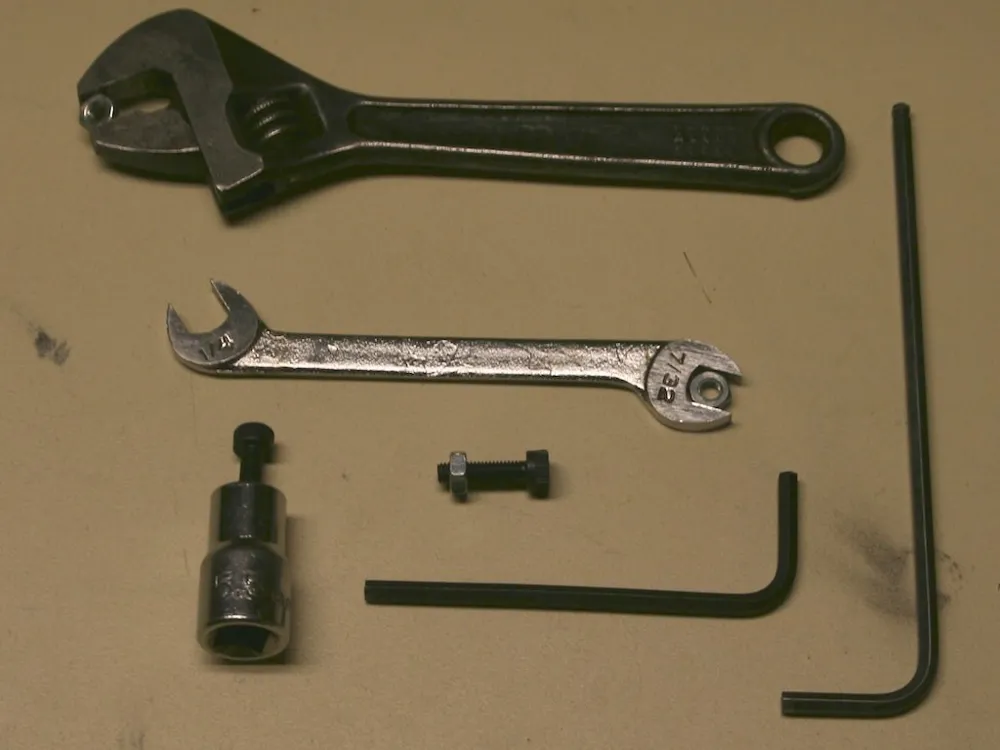
Cutting is normal: many riders buy full-size bars and trim them. Skates.co.uk says bars can be cut at home with proper tools and safety precautions, or by a professional, and Lucky cuts bars to a chosen size when you order direct (custom-cut bars aren't returnable). A few rules:
- Measure twice. Stand on the deck with the bars installed and mark where the top should be, or measure shoulder width for the crossbar.
- Take width off both ends equally so the bars stay centered.
- Take height off the bottom of the upright. On slit bars, this removes the slit, so a new slit has to be cut to the same length; a pro scooter shop is the safer choice for that job.
- Use a pipe cutter or fine-tooth hacksaw with the bar clamped firmly, and cut square.
- File and deburr the cut edge inside and out so grips and bar ends slide on cleanly.
- Cut a little at a time. You can always take more off, but you can't put it back.
Wear eye protection and gloves when cutting metal. After fitting, line the bars up with the front wheel and tighten the clamp bolts evenly in a criss-cross pattern.
Grips and Bar Ends
New bars need grips and bar ends. Many scooter riders use BMX-style grips, which suit 7/8-inch (about 22.2mm) crossbars like the one Lucky lists on its PROBAR; check your bar's crossbar size first. Choose flanged grips for a lip that protects your hands, or flangeless if you do a lot of barspins. Slide them on with compressed air, rubbing alcohol or soapy water, and let them dry before riding.
Bar ends plug the open tube at each end of the bar. They protect you if you crash into the bar end and stop the grip from wearing through. Aluminum bars may need a specific type; Lucky sells a bar end version made for aluminum bars.
8. ODI Longneck ST Grips
A flanged BMX grip, 143mm long, with end plugs included. BMX grips are sized for 7/8-inch bars, but check the listing against your crossbar before you buy.
Good to Know
- End plugs in the box
- Flange protects hands
Watch Out For
- Flange gets in the way of barspins for some riders
- Check length against your bar width
Care, Checks and When to Replace Bars
Check the clamp bolts before each session and re-tighten them evenly if the bars twist. Look for cracks at the welds, at the bottom of the slit and around the clamp area, and look for bends in the upright or crossbar. Replace bars that are cracked or bent rather than straightening them, and replace titanium bars at the first sign of damage, since they can snap rather than bend. Skates.co.uk notes that steel bars generally last longest and aluminum bars have the shortest lifespan.
Always ride with a certified helmet and pads; see our safety gear guide.
More Stunt Scooter Guides
Once your bars fit, work through our scooter tricks for beginners and learn the tailwhip. Upgrade the rest of your setup with stunt scooter wheels and our custom build checklist, or browse the scooters hub.
Frequently Asked Questions
How tall should my scooter bars be?
Most bar guides aim for the top of the bars to sit between your hips and belly button when you stand on the deck. Taller bars feel more stable for grinds and manuals, while shorter bars are easier to throw around for air tricks.
How wide should pro scooter bars be?
Measure shoulder to shoulder and add about one to two inches. Lucky's sizing guide gives a 21 to 22 inch bar as an example for a rider with 20 inch shoulders.
Are oversized bars better than standard bars?
Oversized bars (about 35mm outside) are generally a little stronger and heavier, while standard bars (about 32mm outside) are lighter. Which one you can use depends mainly on your compression system and clamp.
Will any scooter bars fit my scooter?
No. Bars have to match your compression system (SCS, HIC, IHC or ICS), your clamp size and your fork. Check the bar's diameter and whether it has a slit before you buy.
Can I cut my scooter bars shorter or narrower?
Yes. Bars can be cut down with a pipe cutter or fine-tooth saw, or by a pro scooter shop, but they can never be made taller or wider again. Measure twice and cut a little at a time.
Are titanium scooter bars worth it?
Titanium bars are light and strong, which is why many advanced riders choose them, but they cost more than chromoly or aluminum. SkatePro also notes they flex and tend to snap rather than bend when worn out, so replace them at the first sign of damage.
What is backsweep on scooter bars?
Backsweep is the angle at which the grip ends bend back toward the rider. A little backsweep can feel easier on the wrists, while many T-bars have none.
Do I need bar ends on my scooter?
Yes. Bar ends or end plugs close off the open tube at each end of the bar, which protects you if you crash into the bar end and helps stop grips from wearing through.