Best Pole Spears for Spearfishing, From Fiberglass to Carbon (2026)
Eight pole spears and two Hawaiian slings for reef hunting, with what length, material, tip and band to choose, how to shoot one and the rules that apply.
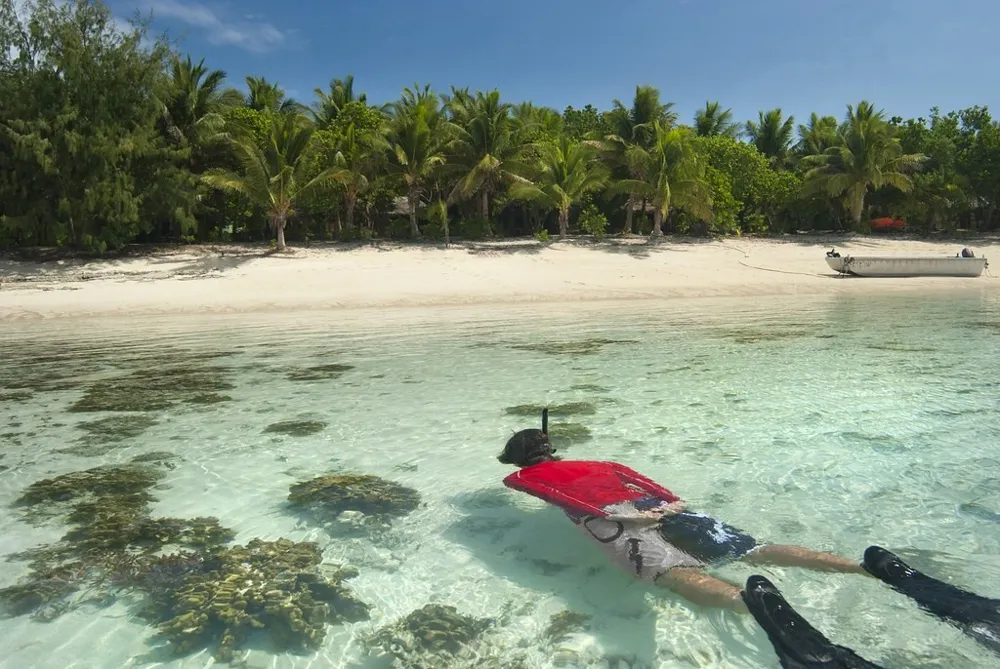
Pole Spears and Slings: What to Know First
A pole spear is the simplest way into spearfishing: a pole, a tip and a rubber loop at the back, with no trigger and nothing to pump. It's light, packs into a gear bag in sections and teaches the most important skill, getting close to fish without spooking them. A Hawaiian sling is its cousin, a handheld launcher that fires a free shaft. This guide covers both. Before buying either, learn freediving safety (never dive alone and understand shallow-water blackout), check your local regulations on species, sizes, seasons, licenses and protected areas, and consider a spearfishing course. Treat a spear like any other weapon: never draw it out of the water and never point it at a person. If you want more range, see our best spearguns.
JBL Shaka Hybrid Carbon Fiber Pole Spear
Best all-round pole spear
- Carbon fiber with an aircraft-grade aluminum front
- 3-inch double-barbed stainless slip tip
- Three pieces in a travel case, made in USA
Scuba Choice 3-Piece Fiberglass Pole Spear
Best budget starter
- 6 ft fiberglass, adjustable to 4 or 5 ft
- 12-inch stainless 3-prong paralyzer
- Rubber sling and bag included
Sea Archer Hawaiian Sling
Best Hawaiian sling
- Fits traditional shaft diameters
- Right- or left-handed use
- Upgradeable with a line management system
Pole Spears and Slings Compared
| Product | Type | Material | Length / Sections | Tip |
|---|---|---|---|---|
| JBL Shaka Hybrid | Pole spear | Carbon fiber + aluminum | 3 pieces | Slip tip |
| Scuba Choice 3-Piece | Pole spear | Fiberglass | 6 ft (4 or 5 ft options), 3 pieces | 3-prong paralyzer |
| Sea Archer Hawaiian Sling | Hawaiian sling | Sling body only | Shaft not included | Depends on shaft |
| JBL Shaka Black | Pole spear | All carbon fiber | 6, 7, 8 or 9 ft, 3 pieces | Break-away tip |
| JBL Aluminum Travel | Pole spear | 6061 aluminum | 2, 4 or 6 ft, 3 pieces | Barbed paralyzer |
| MAKO Traveler | Pole spear | Anodized aluminum | 6 ft 7 in, 3 pieces | 5-prong paralyzer |
| Cressi FG1 | Pole spear | Fiberglass | Check listing length | 3-prong paralyzer |
| Sea Slinger Plastic Sling | Hawaiian sling | Thermoplastic | Check shaft | Depends on shaft |
The Best Pole Spears and Hawaiian Slings
1. JBL Shaka Hybrid Carbon Fiber Pole Spear
The Shaka Hybrid combines a unidirectional carbon fiber body with a durable aircraft-grade aluminum section, per the listing. It breaks into three pieces that fit, with the tip, into the included travel case, and it ships with a 3-inch, double-barbed slip tip in heat-treated stainless steel, aimed at medium to large fish. A wrapped, textured hand grip marks where your hand sits, and the listing says it's made in the USA.
Good to Know
- Slip tip holds fish that fight
- Carbon is lighter than fiberglass or aluminum
- Travel case included
Watch Out For
- The listing doesn't state the overall length; check before ordering
- A slip tip is overkill for small reef fish
2. Scuba Choice 3-Piece Fiberglass Pole Spear
A simple starter kit: a 6 ft (72 in) fiberglass pole in three sections that you can also run at 4 or 5 ft, a 12-inch stainless 3-prong paralyzer with barbs, a black rubber sling and a bag. Note the 8 mm thread listed for the tip, which matters if you buy spare tips later.
Good to Know
- Three lengths from one pole
- Paralyzer suits small reef fish
Watch Out For
- Fiberglass is heavier than carbon and wears with sun exposure
- Check tip thread size before buying spares
3. Sea Archer Hawaiian Sling
A Hawaiian sling body that, per the listing, works with all traditional shaft diameters, is designed for right- or left-handed divers, flushes easily with fresh water and can be upgraded with Sea Archer's Line Management System. The shaft is not included, so you'll need one (see the Riffe shaft below).
Good to Know
- Choose the shaft that suits your fish
- Ambidextrous design
Watch Out For
- Shaft sold separately
- Slings take more practice than pole spears
4. JBL Shaka Black Carbon Polespear
JBL's all-carbon pole uses its own unidirectional carbon weave, a weighted stainless steel head for more impact and oversized aluminum unions between sections for rigidity. It's listed in 6, 7, 8 and 9 ft lengths, all as three-piece travel poles with a break-away tip and travel case.
Good to Know
- Longest length options on this list
- Weighted head adds mass for bigger fish
Watch Out For
- Premium build; more than a beginner needs
5. JBL Aluminum Travel Pole Spear
Made from 6061 aircraft-grade aluminum in three pieces, this pole can be set up at 2, 4 or 6 ft using its interchangeable sections and adjustable band. It comes with a stainless barbed paralyzer and a travel case, and the listing says it's made in the USA. A 4 ft version is also listed.
Good to Know
- Very short setups for holes and tight reef
- Packs small
Watch Out For
- Aluminum is heavier and needs more band power
- Grease threads so sections don't seize
6. MAKO Traveler Pole Spear
The Traveler measures 6 ft 7 in assembled and breaks down to 27.5 inches, with three interchangeable sections for three lengths. It's made from anodized aircraft aluminum, uses recessed, flush screw-on connectors and comes with a 5-prong paralyzer with barbs on each prong.
Good to Know
- Short packed length for luggage
- No fiberglass splinters
Watch Out For
- 5-prong tip is for small fish
7. Cressi FG1 Fiberglass Pole Spear
Cressi's FG1 is a fiberglass pole aimed at small to medium fish. The Amazon listing describes a 92.5 cm (36 in) pole of 13 mm diameter with a 6 mm male fitting and wrench flats, a 9 mm latex tube sling with a cord inside, and a 12-inch 3-prong paralyzer. Cressi offers the FG1 in other lengths too, so check which one the listing you pick is for.
Good to Know
- Standard 6 mm fitting for spare tips
- Designed in Italy
Watch Out For
- Confirm length before ordering
8. Sea Slinger Plastic Hawaiian Sling
A sling body in marine-grade thermoplastic with a textured grip, a center hole for left- or right-handed use, a 7/16-inch outer-diameter power band, a side-slit system for fast band changes and a polyurethane shaft butt to soften the shaft's contact with your hand. Check whether a shaft is included in the listing you choose.
Good to Know
- Easy band replacement
- Ambidextrous
Watch Out For
- Shaft details not stated in the listing
Spare Shafts and Bands
- Riffe Euro Hawaiian Shaft: a 9/32-inch (7.1 mm) shaft in heat-treated spring stainless steel, CNC machined with shark fin tabs, listed in 59-inch and 55-inch lengths. A good match for a sling body sold without a shaft. Check Price on Amazon
- Scuba Choice Pole Spear Sling: an 84 cm replacement rubber tubing loop. Bands perish in the sun, so carry a spare. Check Price on Amazon
Pole Spear vs Hawaiian Sling
The two names get mixed up, but the tools differ. On a pole spear, the band is attached to the spear itself: you hook the loop over your thumb, slide your hand up the shaft to stretch it, then let go and the spear slides forward through your hand. You never let go of the whole thing. A Hawaiian sling works like an underwater slingshot or bow: the band is on a separate handheld body, and the shaft flies free.
| Pole Spear | Hawaiian Sling | |
|---|---|---|
| Band | Attached to the spear | On a separate handheld body |
| Shaft | Stays in your hand | Flies free, usually without a line |
| Range and speed | Short | More speed, range and accuracy |
| Learning curve | Easiest | Harder; needs a consistent draw |
| Losing fish or shaft | Rare; you hold the pole | A hit fish can swim off with the shaft |
| Typical use | Reef fish, holes, beginners, travel | Close-range stalking of bottom fish |
For most beginners a pole spear is the better first tool. Slings make sense once you can approach fish reliably and want more reach, or where they're allowed and spearguns are not: DeeperBlue reports that slings are permitted for freediving in places that ban spearguns, including the Bahamas, but check current local rules. For how these compare with band and pneumatic guns, see the table in how to spearfish.
How to Choose Pole Spear Length
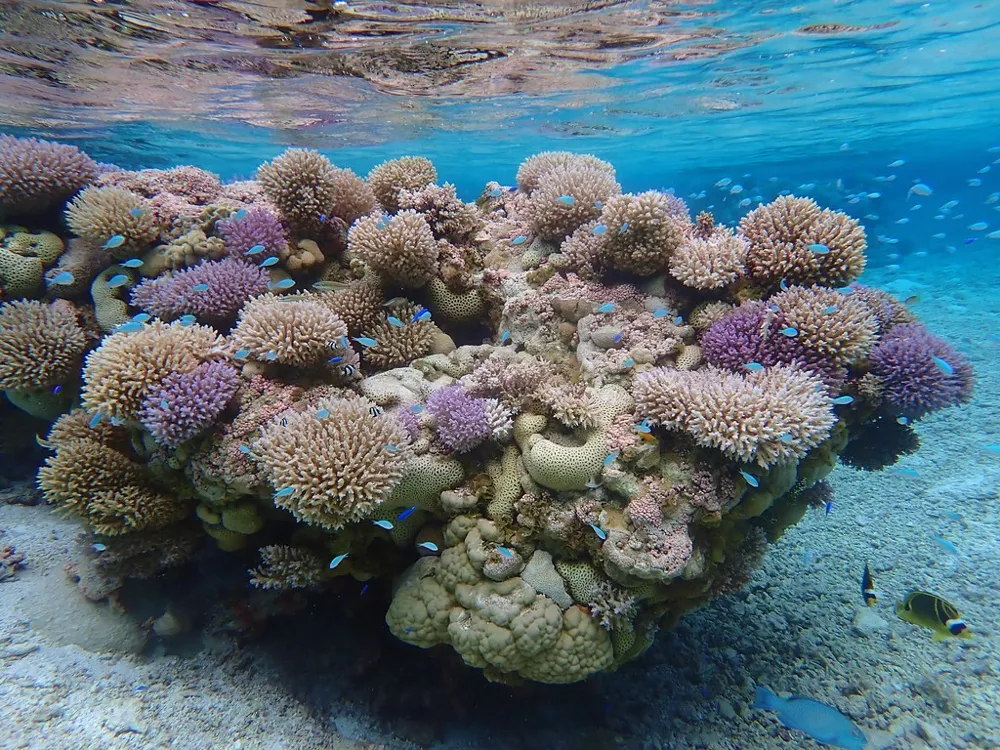
Reference sources put pole spears at roughly 4 to 10 feet, and common retail sizes run from about 5 to 9 ft. Longer poles reach a little further but are harder to maneuver; one spearfishing site notes a 7 ft pole shoots a couple of feet further than a 5 ft pole of the same model. Remember that effective range is short: the distance at which the spear can still penetrate a fish is often about half the band's pull, so a longer pole buys you inches to a foot or two, not a different kind of hunting.
| Length | Suits |
|---|---|
| Under 5 ft | Holes, ledges, tight reef, very short travel kits |
| 5 to 7 ft | Most beginners and mixed reef conditions |
| 7 to 9 ft and up | Clear, open water and bigger fish; strong divers |
If you're unsure, a three-section pole you can run at different lengths (like the Scuba Choice or JBL Aluminum Travel) lets you try both.
Fiberglass, Carbon or Aluminum?
| Material | Strengths | Trade-Offs |
|---|---|---|
| Fiberglass | Cheapest; the usual starting point | Heavier than carbon; can splinter and crack as it ages and with sun damage |
| Aluminum | Rigid and tough | Heavier, so it needs more band force; threads can seize if left assembled |
| Carbon fiber | Lightest and strongest | Premium tier |
| Hybrid (carbon or fiberglass with aluminum) | Mixes stiffness with lighter weight | Depends on the build |
Weight cuts both ways: a heavier pole needs more band power to reach the same speed, but a very light pole may have too little mass to hit hard. That's why some carbon poles, such as the Shaka Black, add a weighted head.
Threaded Travel Sections vs One-Piece Poles
Most pole spears sold today are travel poles that screw together in two or three sections, which fit in a gear bag or suitcase; the MAKO Traveler, for example, packs down to 27.5 inches. One-piece poles have no joints to loosen or seize, but long ones are awkward to carry and transport. If you buy a sectional pole, unscrew it after diving and grease the threads; aluminum threads in particular can fuse if left assembled for long periods.
Pole Spear Tips: Paralyzer, Flopper or Slip Tip
| Tip | How It Works | Best For |
|---|---|---|
| Paralyzer (3- or 5-prong) | Several barbed prongs spread on impact | Small reef fish |
| Single barb / flopper | A single point with a barb that opens after penetrating | Medium fish |
| Slip tip / break-away | The head detaches inside the fish on a short cable, so it can't twist off | Larger fish that fight |
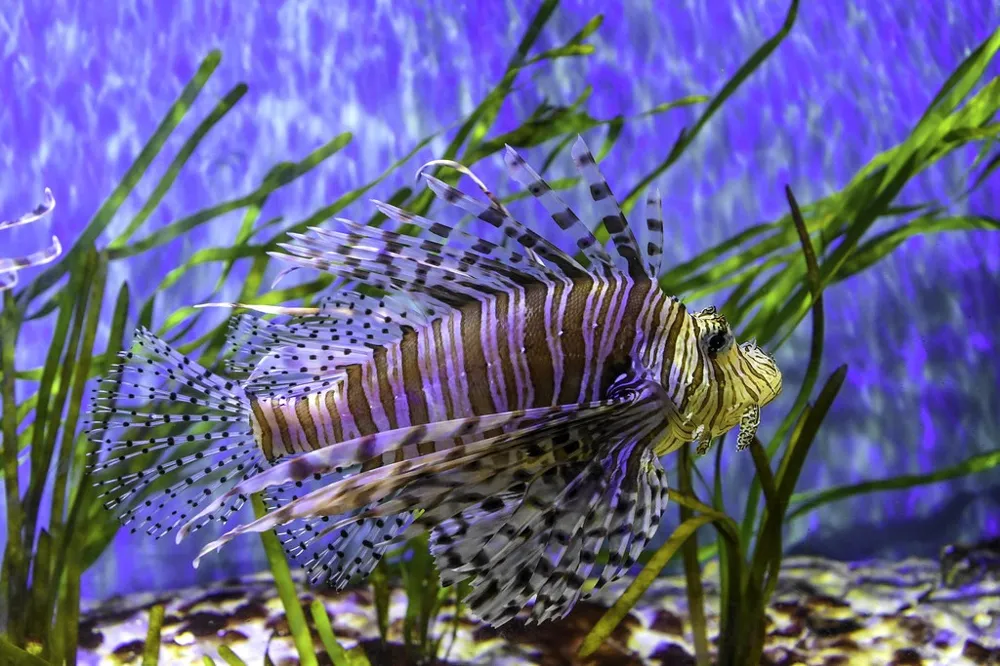
Tips take the most damage, so choose a pole that accepts standard screw-on tips and carry a spare. Thread sizes vary: 6 mm is common, but some poles use other sizes (the Scuba Choice lists 8 mm), so match spares to your pole. Short, purpose-built pole spears for lionfish are also sold; check the local rules for lionfish removal where you dive.
Bands and Slings
Pole spears and Hawaiian slings use hollow rubber tubing, not the solid rubber of speargun bands. Pole spear bands are commonly around 3/8 inch (about 9.5 mm); the Cressi FG1 lists a 9 mm latex tube, and the Sea Slinger sling a 7/16-inch band. A stronger or shorter band gives more power but is harder to draw. Rubber perishes in sunlight, so store bands in the shade, replace them when they crack or lose snap, and keep a spare in your bag.
How to Use a Pole Spear
- Load in the water only. Hook the band loop in the crook of your thumb.
- Slide your hand up the shaft to stretch the band, and grip the pole to hold tension.
- Approach slowly and quietly, using rocks and cover; most misses come from shooting too far away.
- Aim with the pole along your arm and release your grip; the hand guides the spear like a gun barrel.
- Control the fish right away and dispatch it quickly. Only shoot what you can identify and use.
Practice on a target in calm, shallow water before hunting. For stalking, ambush and hole-hunting techniques, see how to spearfish.
Choosing a Hawaiian Sling and Shaft
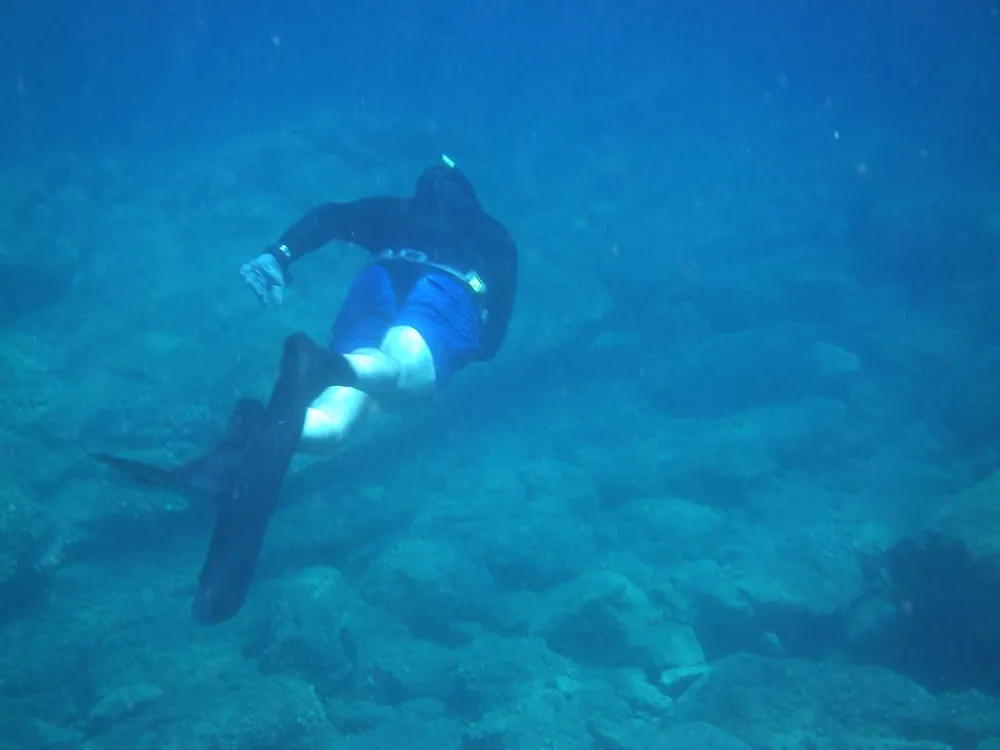
Sling bodies are made of wood, bamboo or molded plastic, and newer designs add pistol grips, wrist braces or longer band stretch for more power. Shafts are usually stainless steel in 1/4 inch (6.5 mm), 9/32 inch (7 mm) or 5/16 inch (8 mm) diameters and about 60 to 72 inches long. Thin, short shafts are fast but carry less punch; thick, long shafts hit harder but fly slower, so a middle diameter and length is a common starting point. Barbs that lock open help keep the fish on. Some slings accept a shooting line or reel, which helps you keep the shaft but adds entanglement risk and slows reloading. Hold the sling at arm's length, draw the shaft to a consistent anchor point at your jaw or cheek, and never draw a sling on land.
Care and Maintenance
- Rinse the pole, tip, band and sling in fresh water after every dive.
- Unscrew sectional poles and grease the threads regularly.
- Keep a tip protector on when you're out of the water.
- Replace fiberglass poles that show splintering or sun damage.
- Check tips for bent prongs or barbs and sharpen or replace them.
- Store bands out of the sun and replace them when they crack or fade.
Spearfishing Laws and Regulations
A pole spear or sling is usually treated as spearfishing gear, and rules vary by country, state and marine area. In many places they cover licenses, species, size and bag limits, seasons, scuba use and marine protected areas. As an example, Florida's FWC defines spearfishing to include hand-propelled spears used by a person swimming at or below the surface, and its spearing rules (last checked November 2026) include:
- No spearing in freshwater, and no possession of a spear gun in or on freshwater.
- No spearing within 100 yards of a public swimming beach, a commercial or public fishing pier, or any part of a bridge where public fishing is allowed.
- No spearing within 100 feet of any part of a jetty above the water, with an exception for the outer part of very long jetties.
- No spearing in Monroe County from Long Key north to the Dade County line.
- Powerheads, bangsticks and rebreathers are prohibited.
- A long list of species can't be speared, including snook, tarpon, bonefish, goliath grouper, Nassau grouper, lobster and most ornamental reef fish.
These rules change, so check the FWC spearing page or your own state or national wildlife agency before every trip. Many US states also require a divers-down flag on your float. This is a summary, not legal advice.
Pole Spear Safety Rules
- Always dive with a buddy using one-up, one-down.
- Load and draw only in the water, and unload before leaving it.
- Never point a pole spear or sling at anyone, loaded or not.
- Use a float and dive flag so boats can see you.
- Know local rules, fish ID, sizes and protected areas.
- Only shoot what you can identify and use.
Never hyperventilate before a dive, and learn the signs of shallow-water blackout; our how to freedive guide covers courses and buddy rescue.
More Spearfishing Gear
Pair your spear with a low-volume freediving mask, long-blade freediving fins, a freediving wetsuit and a dive knife. When you're ready for more range, compare band and pneumatic spearguns, and browse every guide in snorkeling and diving.
Frequently Asked Questions
Is a pole spear good for beginners?
Yes. A pole spear is simple, cheap to run and has no trigger, and it forces you to get close to fish quietly, which is the core spearfishing skill. Take a freediving course first and always dive with a buddy.
What size pole spear should I get?
Many beginners start around 6 to 7 feet. Shorter poles are easier in holes, rocky reef and low visibility; longer poles reach a little further in clear, open water but are harder to swing around.
What is the difference between a pole spear and a Hawaiian sling?
On a pole spear the rubber band is attached to the spear itself, and you keep hold of it. A Hawaiian sling is a separate handheld launcher that fires a free shaft, like an underwater bow.
How far can a pole spear shoot?
Only a short distance. Effective penetrating range is much shorter than the band's full stretch, often around half the pull length, so close shots are the rule.
Which pole spear tip is best?
A three- or five-prong paralyzer suits small reef fish, a single flopper barb suits medium fish, and a slip tip suits larger fish that fight. Choose a pole that takes standard screw-on tips.
Do I need a license to use a pole spear?
It depends where you dive. Pole spears count as spearfishing gear in many places, and licenses, species limits and closed areas vary by state and country. Check the local wildlife agency before you go.
Can you use a pole spear while scuba diving?
In many places spearfishing with scuba is restricted or banned, and Florida prohibits spearing while using a rebreather. Check local rules; most pole spear hunting is done on a breath-hold.