Skateboarding Styles: The Ultimate Guide (2026)
Skateboarding isn't one thing. Here are the main styles, what each involves and the board setup that suits it best.
Styles at a Glance
| Style | Where | Typical Setup |
|---|---|---|
| Street | Stairs, ledges, rails, plazas | Popsicle deck, small hard wheels |
| Park / bowl | Skatepark bowls and transitions | Wider deck, bigger hard wheels |
| Vert | Large half-pipes | Wide, stable setup |
| Freestyle | Flat ground | Small, symmetrical freestyle decks |
| Cruising | Streets and paths | Cruiser, soft wheels |
| Downhill | Hills and roads | Longboard, specialized trucks and wheels |
| Longboard dancing | Flat, smooth ground | Long, flat-ish dancer deck |
| Slalom | Courses of cones | Short, responsive boards |
| Surfskating | Smooth pavement, pump tracks | Surfskate trucks |
Street
Using urban obstacles: curbs, ledges, stairs and handrails. Street skating grew rapidly in the late 1980s and became the dominant style. See street setup and grinds.
Park and Bowl
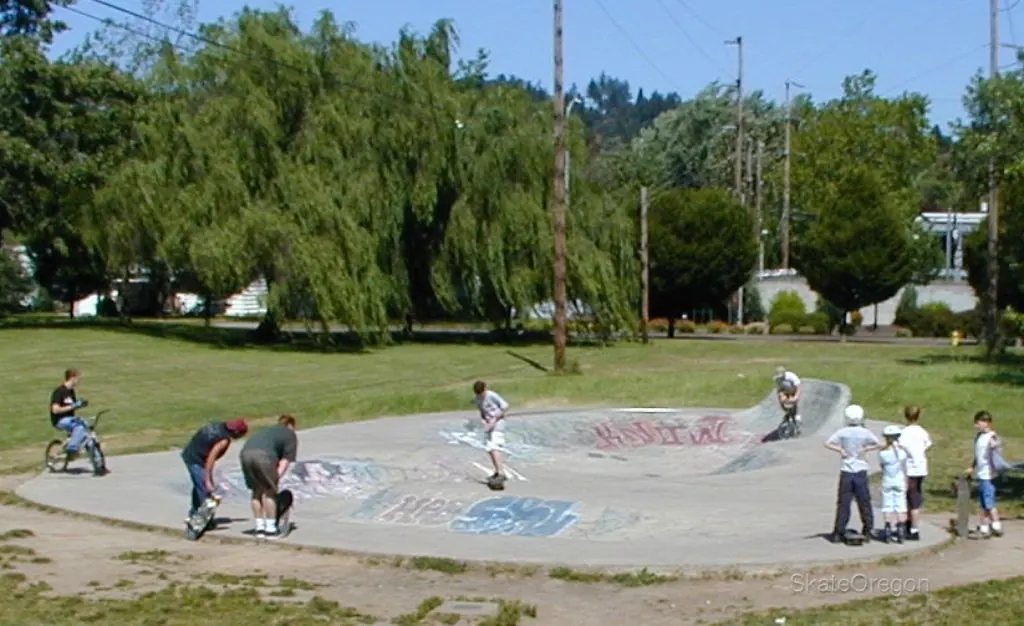
Riding skatepark bowls, quarter-pipes and transitions, focusing on carving, airs and grinds on coping. See bowl and pool setup.
Vert
Skating large half-pipes with vertical walls, known for big airs. It peaked in contests like the X Games.
Freestyle
Technical flatground tricks, often in a choreographed routine. Rodney Mullen's flatground innovations came out of this style.
Cruising and Commuting
Getting around on a cruiser or longboard with soft wheels. See cruiser skateboards and longboard vs cruiser.
Downhill and Freeride
Riding hills at speed and sliding to control speed. It requires a full-face helmet, slide gloves and skill. See how to longboard.
Longboard Dancing
Walking, cross-stepping and spinning on a long deck, with smooth flowing footwork.
Surfskating
Pumping and carving like surfing using special trucks. See what is a surfskate.
Slalom
Racing down a gentle slope while weaving through evenly spaced cones. It's one of the earliest competitive styles and a precursor to downhill racing; slalom riders use short, responsive boards.
Big Air and Mega Ramp
Launching off huge ramps to clear big gaps and land on a quarterpipe. Danny Way and DC Shoes popularized the Mega Ramp, and big air became an X Games event.
A Little History
Freestyle is often called the oldest style, growing out of 1960s skating. Vert began in the 1970s, when skaters rode empty backyard pools, and street skating took over in the late 1980s and 1990s. Today, the Olympics feature two styles: street and park. See skateboarding history.
Find Your Style
Try a few. Many skaters mix styles. Start with types of skateboards and learn how to skateboard.
Carver Super Snapper Surfskate
A Carver surfskate with a kicktail. Check the listing for size.
Check Price on AmazonFrequently Asked Questions
What are the main types of skateboarding?
Street, park/bowl, vert, freestyle, cruising, downhill, longboard dancing and slalom.
Which style is best for beginners?
Cruising and basic street or park skating are common starting points.
What's the difference between park and vert?
Park includes bowls and varied transitions; vert focuses on tall half-pipes with vertical walls.
Do I need a different board for each style?
Not always, but setups differ. Street boards are light and narrow; cruisers and longboards use soft wheels; downhill needs specialized gear.
What is freestyle skateboarding?
A flatground style of technical, often choreographed tricks, popular in the 1970s and 1980s and still practiced today.