How to Drop In on a Skateboard (Without Slamming) (2026)
Dropping in is the gateway to ramps and bowls. The secret is simple to say and hard to do: commit and lean forward.
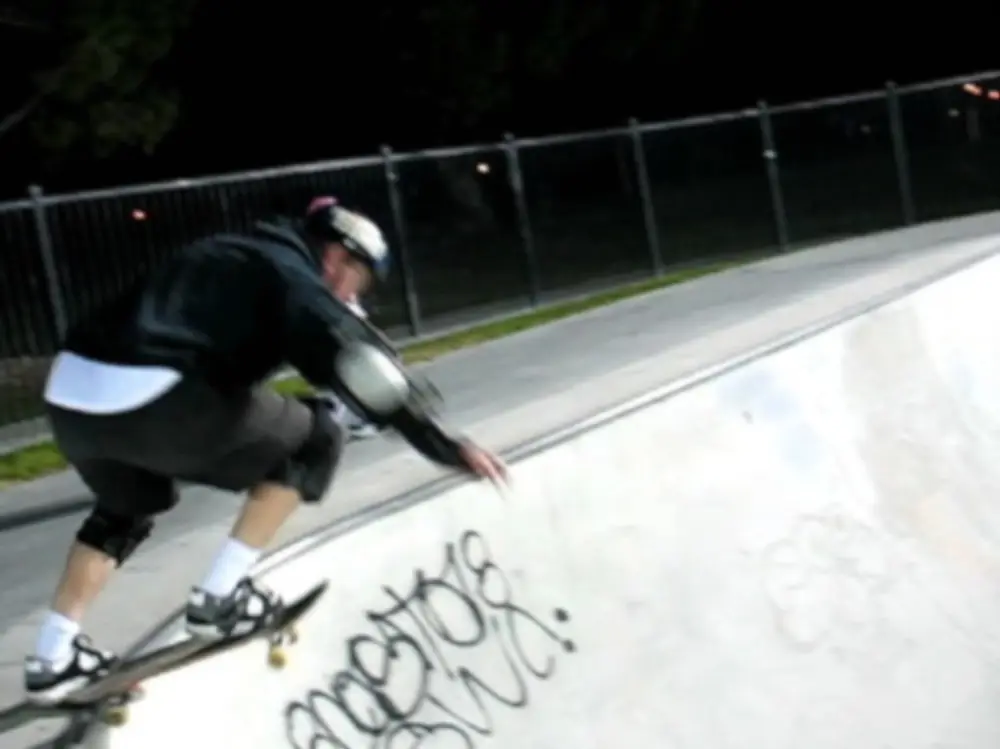
Why Dropping In Feels Scary
Dropping in means starting a run by rolling down into a ramp or bowl from the top edge. It looks scary because your brain wants to lean back, away from the drop. But leaning back is exactly what makes you fall. The trick is to commit and lean forward, putting your weight over the front of the board as it rolls down the transition.
What You Need
- A small quarter pipe or mini ramp (2–3 feet is perfect to start).
- A helmet, plus knee and elbow pads and wrist guards (see safety gear).
- A standard skateboard; see beginner skateboards.
- Basic skills: pushing, turning and riding up and down a ramp.
Step 1: Get Comfortable on the Ramp
Before dropping in, ride up the ramp and roll back down (fakie) a few times. Practice kick turns at the bottom of the transition. This teaches you how the ramp feels.
Step 2: Set the Tail on the Coping
At the top of the ramp, place the tail of your board on the coping (the metal edge), with the back wheels hanging over the ramp side. Your back foot holds the tail down; the board points out into the air over the ramp.
Step 3: Place Your Front Foot
Put your front foot on the front bolts. Keep most of your weight on your back foot for now.
Step 4: Lean Forward and Commit
Shift your weight onto your front foot and push the front wheels down to the ramp surface. Lean forward, as if you're trying to put your chest over the front truck. Don't hesitate halfway.
Step 5: Ride It Out
Keep your knees bent and your weight centered as you roll down the transition and across the flat bottom.
Common Mistakes
| Mistake | What Happens | Fix |
|---|---|---|
| Leaning back | Board shoots out, you fall backward | Lean forward over the front truck |
| Hesitating halfway | Wheels catch the coping | Commit fully |
| Stiff legs | Wobbles and lost balance | Bend your knees |
| Starting too big | Fear takes over | Begin on a small ramp |
Tips to Beat the Fear
- Start small. A 2–3 foot ramp builds confidence.
- Have a friend hold your hand for your first few tries.
- Practice on grass: set the tail on a curb and practice leaning forward.
- Wear pads so falling hurts less, and practice knee-sliding on a ramp.
- Visualize: picture yourself rolling away clean before each try.
How to Fall Safely
If you do fall, try to slide on your knee pads down the ramp rather than catching yourself with straight arms. See how to fall on a skateboard.
What's Next?
Once you can drop in, learn to pump for speed, kick turn, and try tail taps and grinds. Building a backyard setup? See skateboard ramps.
Frequently Asked Questions
Why do I fall backward when dropping in?
You're leaning back. Your weight needs to go forward over the front truck so the board stays under you.
How big a ramp should I start on?
Start on a small quarter pipe or mini ramp about 2 to 3 feet tall before trying bigger transitions.
Should I wear pads to learn to drop in?
Yes. A helmet plus knee and elbow pads (and wrist guards) make it much less scary.
Can I learn to drop in on any skateboard?
Yes. A standard skateboard works best. Longboards and cruisers are harder on ramps.
How long does it take to learn?
Some skaters drop in on the first day; others need several sessions to get comfortable. Start small and commit.