Best Kids' Bikes From First Pedals to 24-Inch Gears (2026)
Pedal bikes from 12 to 24 inches, a size chart by height and inseam, and plain answers on weight, brakes, training wheels and gears.
How to Choose a Kids' Bike
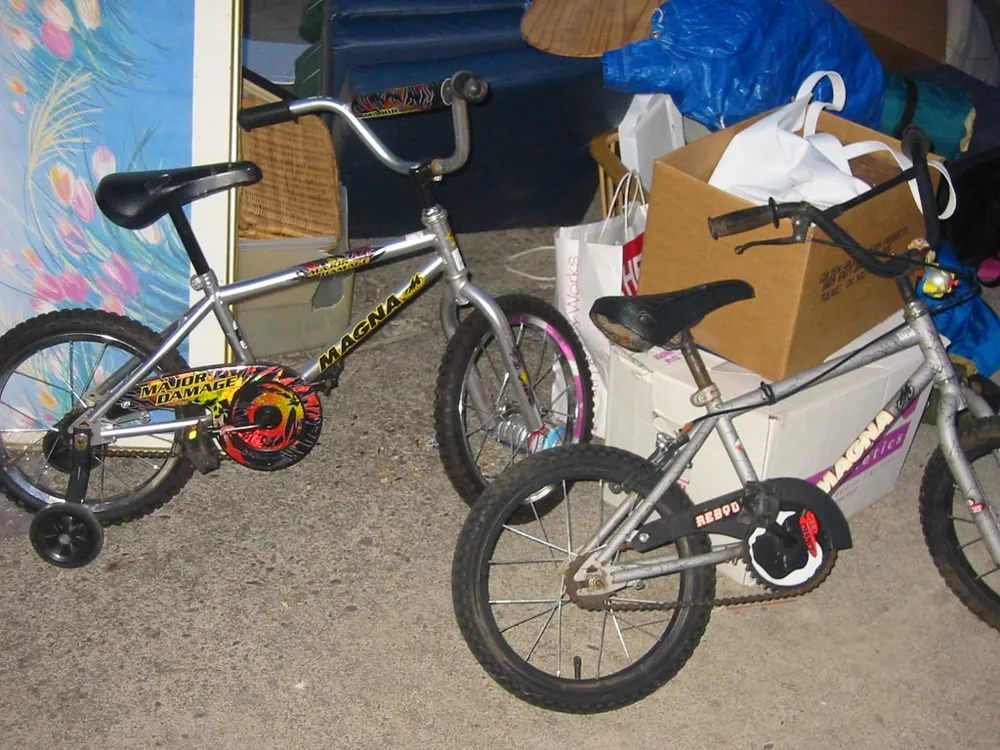
The right kids' bike is the one that fits now, is light enough for your child to handle and has brakes their hands and feet can actually work. Kids' bikes are sold by wheel size, from 12 inches for preschoolers up to 24 and 26 inches for tweens, but wheel size is only a starting point. Size by your child's inseam and height, then check the maker's chart for that exact model. Below are our picks for first pedal bikes and bigger geared bikes, a size chart, and plain answers on weight, coaster vs hand brakes, training wheels and gears. Toddlers who aren't ready for pedals should start with a balance bike, and kids heading for dirt or jumps can look at kids' mountain bikes and kids' BMX bikes.
woom GO 3
Best lightweight first pedal bike
- 16-inch, listed at 13 lb
- Two kid-sized V-brakes
- For kids about 41–47 in tall
Retrospec Koda Plus
Best with coaster and hand brake
- Coaster brake plus V-brake
- Removable training wheels
- Listed for ages 4–6
woom GO 4
Best 20-inch bike with gears
- 7-speed twist shifter
- Listed at 17.2 lb
- For kids about 45–51 in tall
Kids' Bike Size Chart by Wheel Size
This chart is a general guide based on REI's kids' bike size chart. Kids the same age vary a lot in height and leg length, and two bikes with the same wheel size can fit differently, so treat age as the least useful column.
| Wheel Size | Child Height | Inseam | Typical Age |
|---|---|---|---|
| 12" | 2'10"–3'4" | 14"–17" | 2–3 |
| 14" | 3'1"–3'7" | 16"–20" | 3–4 |
| 16" | 3'7"–4'0" | 18"–22" | 4–6 |
| 20" | 4'0"–4'5" | 22"–25" | 5–8 |
| 24" | 4'5"–4'9" | 24"–28" | 7–11 |
| 26" | 4'9"+ | 28"+ | 10+ |
Ranges overlap on purpose. A child with a 16-inch inseam, for example, might fit either a 12-inch or a 14-inch bike, depending on the model. That's why makers' own charts matter: woom lists its 16-inch GO 3 for kids about 41–47 inches tall with a 19–25-inch inseam, while Joystar's chart lists its 16-inch bike for kids about 41–53 inches tall. Some brands, such as Guardian, use an online sizing quiz instead of a printed chart. For trail and BMX-specific sizing, see the mountain bike size chart and the BMX bike size chart.
Kids' Bikes Compared
| Bike | Wheels | Brakes | Gears | Listed Fit |
|---|---|---|---|---|
| woom GO 3 | 16" | Two mini V-brakes | Single speed | 41–47" tall, 19–25" inseam |
| Retrospec Koda Plus | Check listing | Coaster + V-brake | Single speed | Ages 4–6, seat 18.5–23" |
| woom GO 4 | 20" | Two mini V-brakes | 7-speed twist | 45–51" tall, 22.1–27.9" inseam |
| woom EXPLORE 5 | 24" | Hydraulic disc | 8-speed trigger | 49–57" tall, 26.4–32.3" inseam |
| Guardian | 14"–26" | SureStop single lever | Varies by model | Ages 3–14 across sizes |
| Prevelo Alpha Two | 16" | Check maker | Single speed | Ages 4–6 (reported) |
| Schwinn Koen | 16" | Coaster | Single speed | Beginners with training wheels |
| Joystar Kids Bike | 12"–18" | Coaster (foot brake) | Single speed | Ages 2–9 across sizes |
| RoyalBaby Freestyle | 12"–20" (check listing) | Check listing | Single speed | Ages 3–10 across sizes |
Specs are as listed by the maker or on Amazon when we checked (November 2026). Models and colorways change, so confirm the size and brake setup on the listing before you buy.
The Best Kids' Bikes
1. woom GO 3
The woom GO 3 is a 16-inch first pedal bike for kids moving up from a balance bike. It's listed at 13 pounds with an aluminum frame, which is light for this size. It uses two mini V-brakes with child-sized levers, and the rear lever is color-coded to help kids learn which brake is which. woom also lists a steering limiter to prevent oversteer and a chain guard. The listing gives a fit range of about 41–47 inches tall with a 19–25-inch inseam, and the saddle adjusts from 19 to 25.1 inches.
Good to Know
- Light for a 16-inch bike
- Hand brakes only, so kids learn lever braking from the start
- Ships about 90% assembled, per the listing
Watch Out For
- No training wheels; built for kids who already balance
- Premium brand; compare with budget picks
2. Retrospec Koda Plus
The Koda Plus gives kids two ways to stop: a rear coaster brake (pedal backward) and a V-brake with a hand lever whose reach adjusts for small hands. That combination lets beginners stop by instinct while they learn hand braking. Retrospec lists it for ages 4 to 6, with a seat that adjusts from 18.5 to 23 inches, removable training wheels and a weight of 18.5 pounds. The saddle has a built-in handle, which makes it easier for a parent to steady the bike during early lessons.
Good to Know
- Coaster and hand brake together
- Training wheels included and removable
- Handle on the saddle for parent assists
Watch Out For
- Heavier than the woom GO 3
- Check the listing for wheel size
3. woom GO 4
The woom GO 4 is a 20-inch bike with seven speeds and a twist shifter that shows a turtle and rabbit to signal easy and hard gears. It's listed at 17.2 pounds with an aluminum frame, two independently controlled mini V-brakes and kid-sized levers. The listed fit is about 45–51 inches tall with a 22.1–27.9-inch inseam; the saddle adjusts from 22.4 to 28.7 inches, and the weight capacity is listed as 155 pounds.
Good to Know
- Gears for hills and longer rides
- Twist shifter is easy for small hands
- Wide adjustment range
Watch Out For
- Rim brakes rather than discs
- Ships about 80% assembled
4. woom EXPLORE 5
For older kids, the woom EXPLORE 5 is a 24-inch all-terrain bike with eight speeds on a microSHIFT Acolyte trigger shifter and derailleur. It has hydraulic disc brakes (160mm front and 140mm rear rotors) with adjustable levers and grippy all-terrain tires. woom lists the frame at 20.8 pounds and the fit at about 49–57 inches tall with a 26.4–32.3-inch inseam. The same Amazon listing also covers 20- and 26-inch EXPLORE sizes, so select the size carefully.
Good to Know
- Hydraulic disc brakes
- Eight gears for hills and gravel
- Light for a 24-inch geared bike
Watch Out For
- More bike than a casual neighborhood rider needs
- Pick the right size on a multi-size listing
5. Guardian Kids Bikes
Guardian's main selling point is its SureStop brake system. One lever operates both brakes, and Guardian says the front brake releases if the rider's weight shifts forward, which it describes as working like ABS for a kids' bike. That removes the "which lever?" problem for new riders. Guardian sells 14-inch (ages 3–5), 16-inch (4–6), 20-inch Small (5–8), 20-inch Large (6–9), 24-inch (7–11) and 26-inch (10–14) bikes, and uses an online RideSizer quiz rather than a printed chart. Guardian bikes are sold directly from the brand's own site rather than through Amazon.
Good to Know
- Single-lever braking
- Sizes from preschool to early teens
Watch Out For
- Not sold on Amazon; buy direct
- Use the maker's quiz to size
6. Prevelo Alpha Two
Prevelo is a kids-specific brand often included in first-pedal-bike roundups. Cyclingnews reports the 16-inch Alpha Two at about 5.5 kg (around 12 pounds) with an aluminum frame, for ages 4 to 6, with a seat height range of about 430–640mm and an optional balance-bike kit. Check Prevelo's own site for current specs, sizes and where to buy, as it isn't listed on Amazon when we checked.
Good to Know
- Very light for a 16-inch bike (reported)
- Optional balance-bike conversion
Watch Out For
- Specs here are from a third-party review
- Not on Amazon when we checked
7. Schwinn Koen Kids
The Schwinn Koen is a 16-inch beginner bike that comes with training wheels and a rear coaster brake, so kids slow down by pedaling backward. The seat post adjusts without tools, the training wheels go on and come off without tools, and the bike assembles with one tool, according to the listing. It's a simple, widely available choice for families who want to start with training wheels, and both the training wheels and pedals can come off for the balance-first method.
Good to Know
- Training wheels included
- Coaster brake for kids without hand strength
- Tool-free seat adjustment
Watch Out For
- No hand brake listed
- Check the weight on the listing
8. Joystar Kids Bike
Joystar's BMX-style kids' bike comes in several wheel sizes, each with its own listed range: 12-inch for ages 2–4 (about 33–41 inches tall), 14-inch for 3–5 (35–47 inches), 16-inch for 4–7 (41–53 inches) and 18-inch for 5–9 (43–59 inches). It has a steel frame, a single speed, a foot (coaster) brake for young riders without the hand strength for a lever, a chain guard, a quick-release seat and stabilizing training wheels. The saddle has a holder for parents to grab once the training wheels come off. Joystar lists a limited lifetime warranty on the frame.
Good to Know
- Many sizes, including 18-inch
- Training wheels and coaster brake
- About 85% pre-assembled, per the listing
Watch Out For
- Steel frames are heavier than aluminum
- Check which sizes add a hand brake
9. RoyalBaby Freestyle
The RoyalBaby Freestyle is a BMX-styled kids' bike listed for ages 3 to 10 across its size range. The 12, 14 and 16-inch sizes come with training wheels, it has a steel frame and 2.4-inch tires, and RoyalBaby states it complies with CPSC standards. It ships about 95% pre-assembled with tools. If your child mainly wants to ride pump tracks and skateparks, see our kids' BMX bike guide for more BMX-specific picks.
Good to Know
- Wide 2.4-inch tires
- Training wheels on smaller sizes
- Easy assembly
Watch Out For
- Steel frame adds weight
- Confirm the brake setup for your size
How to Measure Inseam and Check Fit
Inseam is the single most useful number for sizing a kids' bike. To measure it, REI suggests this method:
- Have your child stand barefoot with their back against a wall.
- Place a hardcover book spine-up between their legs, snug against the crotch, as a bike seat would be.
- Mark the wall where the top of the spine meets it.
- Measure from the mark to the floor. That's the inseam.
Compare that number with the maker's inseam range or minimum seat height for the bike. Once the bike arrives, check the fit in person:
- Standover: about 2 to 4 inches of clearance between your child and the top tube when standing over the bike, per REI.
- Seat height for learning: seated, your child can reach the ground with both feet. A low seat builds confidence.
- Seat height once riding well: legs slightly bent at the bottom of the pedal stroke.
- Reach: hands on the grips with only a slight bend at the elbows, and fingers able to reach and squeeze the brake levers.
Our guide on how to teach a kid to ride a bike covers setting the bike up for the very first lessons.
Training Wheels or Balance First?
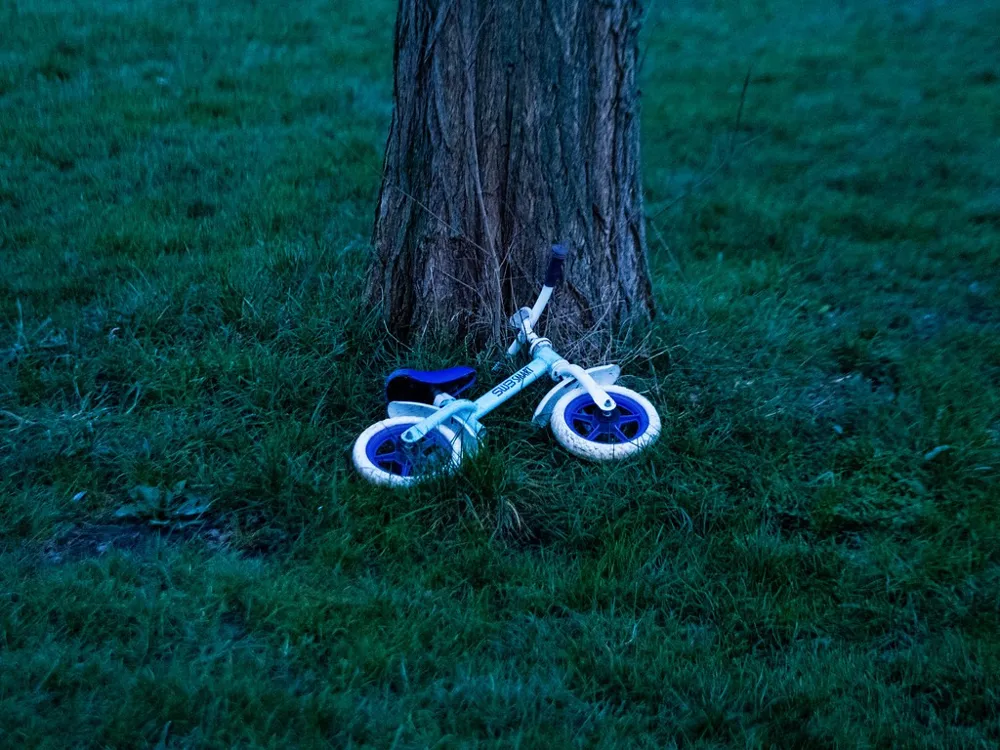
Training wheels hold the bike upright like a tricycle. Kids learn to pedal, but not to lean the bike to balance and steer, and BikeRadar points out that cornering works differently with them, which is why many riding guides now teach balance first. The common approaches:
- Balance bike first: a pedal-free bike from toddler age. REI notes many kids are ready for pedals around age 4 or 5, and starting on a balance bike may let a family skip training wheels entirely.
- Pedals off: remove the pedals from a regular kids' bike and use it as a balance bike until your child can glide, then put them back.
- Training wheels: fine for confidence, especially for kids who want to pedal right away. Take them off as soon as your child is comfortable.
If you plan to go balance-first, a light pedal bike with no training wheels, such as the woom GO 3, makes sense. If you want training wheels in the box, the Retrospec Koda Plus, Schwinn Koen, Joystar and the smaller RoyalBaby Freestyle sizes include them.
Bike Weight vs. Your Child's Weight
Kids are light, so the weight of the bike makes a big difference to how easy it is to pedal, steer, stop and pick up after a fall. REI's rule of thumb is that a kids' bike should weigh no more than about 30% to 40% of the child's body weight, with exceptions once gears are added. BikeRadar and Cyclingnews both advise choosing the lightest bike you can at the right size, because the smaller the child, the more bike weight matters.
| Child's Weight | 30% of Body Weight | 40% of Body Weight |
|---|---|---|
| 35 lb | About 10.5 lb | About 14 lb |
| 40 lb | About 12 lb | About 16 lb |
| 50 lb | About 15 lb | About 20 lb |
| 60 lb | About 18 lb | About 24 lb |
Few budget bikes hit the 30% end, and that's fine; treat it as a goal, not a rule. Aluminum frames are generally lighter than steel, while suspension forks, steel frames and very wide tires add weight. On a first pedal bike, a rigid fork is the better choice for most kids.
Coaster Brakes vs. Hand Brakes
There are two main brake types on kids' bikes, and many small bikes have both.
| Brake | How It Works | Upside | Downside |
|---|---|---|---|
| Coaster (foot) brake | Pedal backward to stop | Needs no hand strength; intuitive for little kids | Less control than rim or disc brakes, especially off-road |
| Hand brakes | Squeeze a lever on the handlebar (rim or disc) | More control; standard on bigger bikes | Need hand strength and coordination; two levers to learn |
REI notes that coaster brakes can confuse new riders, especially once they start standing on the pedals, and suggests introducing hand brakes early because they become standard on larger bikes. Look for short-reach levers that adjust to small hands. Hydraulic disc brakes appear on some 20 and 24-inch bikes for older kids, while mechanical rim brakes are simpler to maintain.
Why so many small bikes have coaster brakes: under the federal bicycle rule (16 CFR Part 1512), a "sidewalk bicycle" is one whose seat height, at its highest setting, is no more than 25 inches. Sidewalk bicycles may not have hand brakes only, and those with a seat height of 22 inches or more at the lowest setting need a foot brake. Bikes with a taller maximum seat height fall outside that definition, which is why some small premium bikes use hand brakes alone. This is general information, last checked November 2026, and not legal advice.
When Do Kids Need Gears?
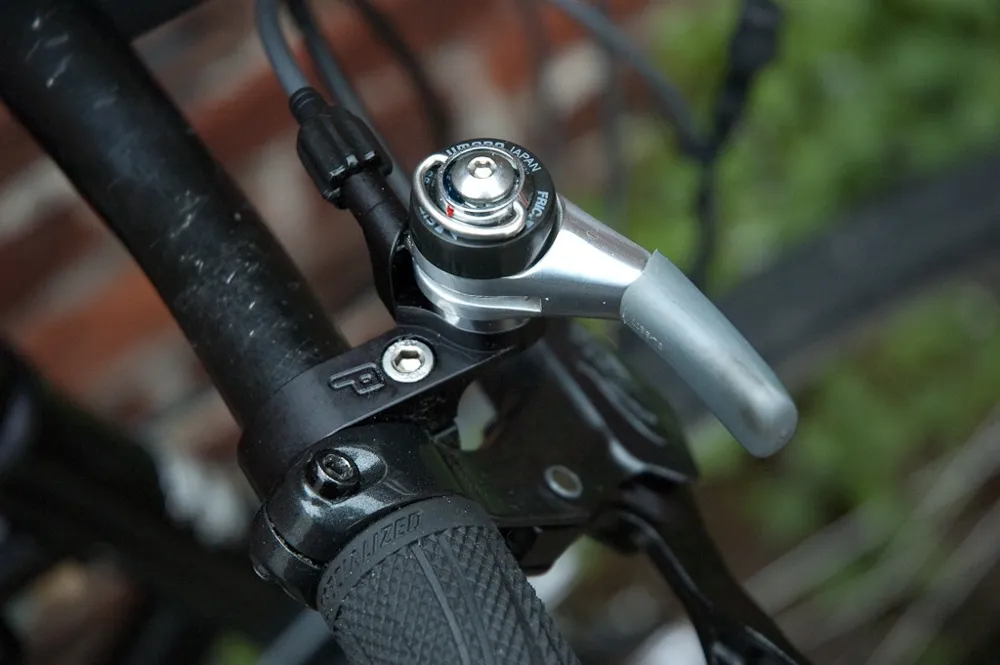
Most first pedal bikes are single speed, and that's a good thing: fewer parts, less weight and one less thing to learn. REI notes that gears start appearing on 20-inch and larger bikes, and kids' mountain bikes usually have six to nine. Gears start to matter once your child rides longer distances or up real hills.
- 12 to 16 inches: single speed.
- 20 inches: single speed for flat neighborhoods; about 6 to 8 gears for hills and trails.
- 24 inches and up: gears are standard; 8 to 10 speeds with a single front chainring keep shifting simple.
Twist (grip) shifters are easier for small thumbs than trigger shifters, and both Cyclingnews and BikeRadar point to them for younger kids. More gears aren't better for a young rider; a simple range they actually use beats a 21-speed setup they ignore.
Tires, Frames and Other Features
- Frame: aluminum is lighter; steel is cheaper and tough but heavier. A low top tube makes getting on and off easier.
- Tires: wider tires add grip and comfort but also weight. Knobby tires suit dirt; smoother tires roll faster on pavement.
- Adjustability: a long seat post and adjustable handlebars help a bike last through a growth spurt.
- Kid-sized parts: narrow grips, short cranks and short-reach brake levers matter more than flashy components.
- Chain guard: keeps fingers and pant legs out of the chain.
- Suspension: skip it on a first pedal bike. On trail bikes it adds comfort but also weight, cost and maintenance; see our kids' mountain bike guide if trails are the plan.
- Assembly: most kids' bikes ship partly assembled. Have a bike shop check the brakes and headset if you're unsure.
Budget mass-retail bikes are often heavier and simpler; premium kids-specific brands focus on lower weight and kid-sized parts. Both can work, so weigh the size, brakes and weight against how much your child will ride. Our bike buying guide covers bike types in more depth.
When to Size Up (and Why Not to Buy Big)
Buying a bike to "grow into" is one of the most common mistakes. A bike that's too big is harder to start, balance, steer and stop, and it can put a child off riding. If your child is between sizes, BikeRadar suggests the smaller bike unless they're close to the top of the bigger bike's range. Signs it's time to move up, according to REI:
- More than about 4 inches of standover clearance between your child and the top tube.
- Their knees stay sharply bent when pedaling, or come close to the handlebars, even with the seat raised to its maximum.
- They sit hunched and cramped over the bars.
Helmets and Safety Gear
A helmet goes on for every ride. In the US, bike helmets must meet the Consumer Product Safety Commission standard (16 CFR Part 1203) and carry a label saying so, so check inside the helmet for it and match its labeled age range to your child. Fit it level and low on the forehead, with the side straps forming a "V" under each ear and the chin strap snug. Our teach-a-kid-to-ride guide walks through the full fit check, and our bike helmet guide covers certifications and MIPS.
Also add a bell, front and rear lights if your child rides near dusk, closed-toe shoes and optional gloves and pads. Helmet laws for kids vary by state and city, so check your local rules (last checked November 2026). This is general safety information, not medical or legal advice.
Keep Exploring
Starting younger? See the best balance bikes. Ready for dirt or jumps? Compare kids' mountain bikes and kids' BMX bikes. Planning family rides with a little one in tow? Look at bike trailers. And for other wheels, see kids' scooters.
Frequently Asked Questions
What size bike does my child need?
Go by inseam and height rather than age. As a rough guide, kids about 3'7" to 4' tall with an 18 to 22-inch inseam often fit a 16-inch bike, and kids about 4' to 4'5" often fit a 20-inch bike. Always check the maker's own chart.
Should I buy a bigger bike for my child to grow into?
No. An oversized bike is harder to start, steer and stop. If your child is between sizes, the smaller bike is usually the safer choice unless they're near the top of the bigger bike's range.
How heavy should a kids' bike be?
REI's rule of thumb is no more than about 30% to 40% of the child's body weight. For a 40-pound child, that's roughly 12 to 16 pounds.
Are coaster brakes or hand brakes better for kids?
Coaster brakes work by pedaling backward and need little hand strength. Hand brakes give more control and are standard on bigger bikes. Many small bikes have both, which lets kids learn hand braking early.
At what age do kids need gears?
Gears usually start on 20-inch bikes, often around ages 6 to 8. A first pedal bike is simpler and lighter as a single speed.
Do kids need training wheels?
No. Many kids learn faster by starting on a balance bike or a pedal bike with the pedals removed, then adding pedals once they can glide.
How long does a kids' bike last?
Usually a couple of years per size, depending on growth. A seat post and handlebars with a wide adjustment range help a bike last longer.