Best Wakeboard Bindings for Comfort and Control (2026)
Open-toe bindings for beginners and families, closed-toe boots for precise control, plus how to size, mount and set up your stance.
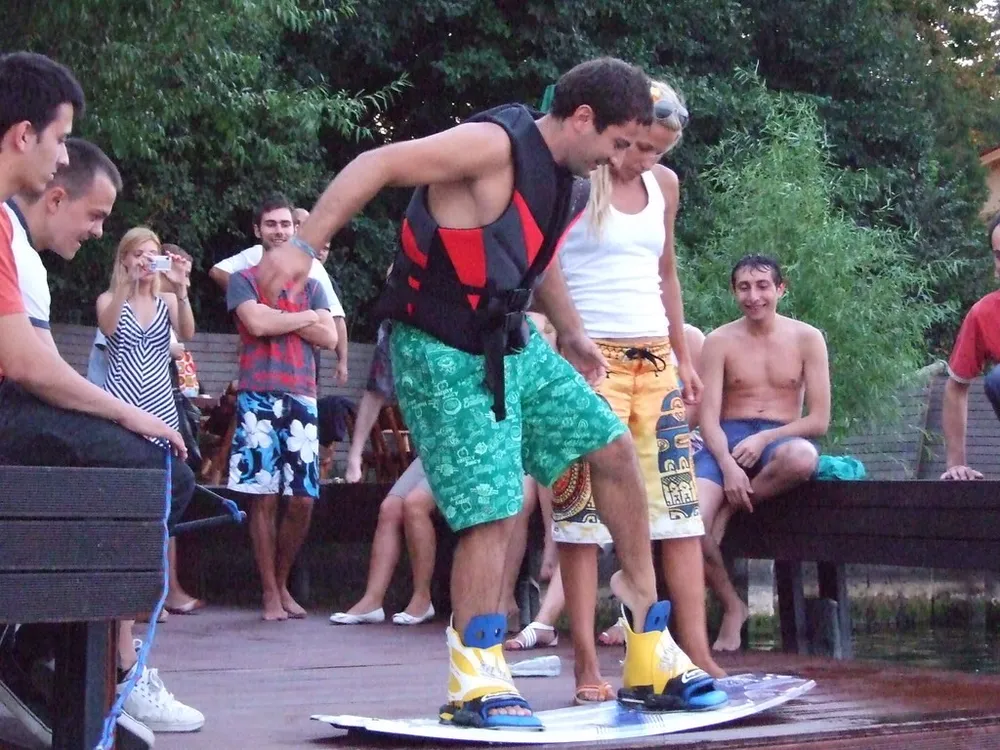
Choosing Wakeboard Bindings
Bindings connect you to the board, so fit and support matter as much as the board itself. The key choices are open-toe vs closed-toe, flex, closure system and hardware compatibility with your board.
Hyperlite Remix
Best open-toe binding
- Open-toe, dual lace zones
- 3D formed tongue
- For beginners to intermediates
Ronix Divide
Best comfort boot
- Soft cushioning
- Balanced flex
- Confidence-building feel
Hyperlite Team X
Best closed-toe value
- Thermo-moldable 3D liner
- Internal ankle harness
- Soft flex
Wakeboard Bindings Compared
| Binding | Style | Notable Features | Best For |
|---|---|---|---|
| Hyperlite Remix | Open-toe | Dual lace zones, 3D formed tongue | Beginners to intermediates, sharing |
| Ronix Divide | Boot | Soft cushioning, balanced flex | Comfort-focused riders |
| Hyperlite Team X | Closed-toe | Thermo-moldable liner, internal ankle harness, soft flex | Progressing riders wanting a precise fit |
| Liquid Force Index | Open-toe | Beginner-focused | New riders and families |
| Ronix One Intuition | Closed-toe | Intuition liner | Advanced riders |
| Liquid Force Kids' Rant | Kids' open-toe | Youth sizing | Kids |
The Best Wakeboard Bindings
1. Hyperlite Remix
A comfortable open-toe binding with dual lace zones for a tailored fit and a 3D formed tongue for comfort and board control. Hyperlite pitches it as an excellent choice for beginner to intermediate riders, and the open-toe design fits a range of shoe sizes.
Good to Know
- Comfortable and adjustable
- Good for sharing
Watch Out For
- Less precise than closed-toe boots
2. Ronix Divide
Ronix's comfort-first boot with soft cushioning for smooth rides and a balanced flex that builds confidence. A good match for recreational riders who value comfort over stiff response.
Check Price on Amazon3. Hyperlite Team X
A closed-toe binding with a thermo-moldable 3D-formed liner that can be heat-molded to your foot, an internal ankle harness for heel hold, a soft flex and Hyperlite's HyperCush footbed for landings.
Good to Know
- Precise, moldable fit
- Cushioned footbed
Watch Out For
- One shoe size; not ideal for sharing
4. Liquid Force Index
A beginner-focused open-toe binding from Liquid Force, designed with room to progress. It comes in packages with boards like the Liquid Force Trip and is a good shareable family binding.
Check Price on Amazon5. Ronix One Intuition
Ronix's premium boot built around an Intuition liner, aimed at advanced riders who want a precise, supportive fit. Pair it with an advanced board like the Ronix One.
Check Price on Amazon6. Liquid Force Kids' Rant
A kids' open-toe binding sized for young riders, designed to pair with Liquid Force's Rant kids' board.
Check Price on AmazonOpen-Toe vs Closed-Toe
| Open-Toe | Closed-Toe | |
|---|---|---|
| Fit | Covers about 3–4 shoe sizes | One size, precise fit |
| Support and control | Less precise | More support and response |
| Sharing | Easy to share; great for families and growing kids | Personal |
| Flex | Usually softer | Ranges from soft to stiff |
| Warmth | Cooler | Warmer |
| Cost | Usually lower | Usually higher |
| Best for | Beginners, families, rental fleets | Progressing and advanced riders |
Some brands also make system bindings: a boot that clicks or screws onto a separate frame, letting you swap boots or use the same boot on different boards.
Flex and Cuff Height
- Softer flex: more forgiving and comfortable; good for beginners, cable riders and presses.
- Stiffer flex: more response and support for big wake jumps and advanced boat riding.
- Lower cuffs make it easier to move edge to edge; higher cuffs add support.
Flex ratings are each brand's own scale, so compare within a brand.
Closure Systems
- Laces: the most precise fit; slower to adjust; easy to replace if they break.
- Velcro straps: fast and simple; less precise.
- BOA dials: quick, even tightening.
- Internal harnesses: extra straps inside the boot hold your heel down.
How Bindings Should Fit
- Wet your feet and the liners, and fully loosen the laces.
- Slide your foot in and push your heel all the way back.
- Tighten so your heel stays down when you flex forward and lean back.
- Your toes should touch the front of a closed-toe boot without curling.
- Check for pressure points; numbness means it's too tight.
Heat-moldable liners can be molded by a shop or at home following the brand's instructions.
Mounting and Compatibility
- Screws: most brands now use M6 metric screws; older boards may use 1/4-inch hardware. For example, Ronix and Liquid Force boards have used M6 since around 2012–2013. Use the right screws, or you'll strip the inserts.
- Hole spacing: insert spacing has changed over the years (from 8-inch to 6-inch on many boards), so check the pattern before buying.
- Same brand, same era is the easiest way to guarantee compatibility, which is why packages are popular.
- Check screws before each session and use the correct screwdriver to avoid stripping.
Setting Your Stance
- Front foot: regular riders ride left foot forward; goofy riders right foot forward. See how to wakeboard to find yours.
- Width: about shoulder width; taller riders can go a little wider.
- Angles: a duck stance with both feet angled out about 12 degrees is a common starting point. Some beginners prefer the back foot straight (0 degrees) and the front foot angled about 15–27 degrees.
- Centered stance: lets you ride switch and land spins either way.
Care
- Rinse bindings with fresh water and let liners dry.
- Store out of the sun; UV breaks down rubber and plastics.
- Replace frayed laces, and check the baseplate and screws regularly.
Related Guides
Pair your bindings with the best wakeboards, size your board with the wakeboard size chart, and learn how to wakeboard.
Frequently Asked Questions
How tight should wakeboard bindings be?
Snug and secure, with your heel held down, but not painful or cutting off circulation. Too loose reduces control and can raise injury risk; too tight hurts and numbs your feet.
Do all wakeboard bindings fit all boards?
Not always. Most modern boards and bindings use M6 metric screws, but older boards may use 1/4-inch hardware, and hole spacing has changed over the years. Check compatibility or buy from the same brand and year.
Are open-toe bindings good for beginners?
Yes. They fit a range of shoe sizes, are usually softer and more forgiving, and can be shared by family and friends.
What angle should wakeboard bindings be set at?
A common starting point is a duck stance with both feet angled out about 12 degrees. Some beginners prefer the back foot straighter and the front foot angled more.
Can I use snowboard bindings on a wakeboard?
No. Wakeboard bindings are designed for water, wet feet and the board's insert pattern. Snowboard bindings won't mount or perform properly.
What's the difference between open-toe and closed-toe bindings?
Open-toe bindings leave the toes exposed and fit several shoe sizes. Closed-toe boots fit one size precisely, give more support and control, and usually cost more.
How do I get my feet into wakeboard bindings?
Loosen the laces fully and wet your feet and the binding liners with water. Some riders use a little soapy water or binding lube.
How long do wakeboard bindings last?
It depends on use and care. Rinse after riding, store out of the sun and replace bindings if the liners break down, the shell cracks or they no longer hold your heel.